How to Clean Your Salon: A Professional Approach for Ultimate Hygiene
Keeping a salon pristine goes far beyond appearances—it’s a crucial part of providing a safe, welcoming environment for both clients and staff. If you’re wondering how to clean your salon to the highest professional standards, you’re not alone: every salon owner or manager wants a reliable, repeatable system that’s efficient, sanitary, and creates a positive impact. In this comprehensive guide, you’ll get a detailed, step-by-step approach to deep cleaning your salon, the essential routines often overlooked, and tips for working with professional cleaning teams like Quick Cleaning. From disinfecting tools to managing high-traffic zones, this guide equips you to elevate your salon hygiene with proven clarity—and confidence.
Understanding the Importance of Salon Cleanliness
An immaculate salon isn’t just about client perception—it’s about health regulation, infection prevention, and upholding your business’s reputation. With countless clients cycling through, hair, skin particles, and chemical residues can quickly accumulate, making structured cleaning protocols essential for safety and service quality.
- Compliance with state and local health regulations protects your license and clientele.
- Reduces infection risk from bacteria, viruses, and fungi.
- Boosts business reputation, driving loyalty and word-of-mouth.
Salon Cleaning Zones: Targeted Strategies
Different zones demand tailored cleaning routines. Here’s how to break down your project for efficiency:
- Reception and waiting area: First impressions matter—hard surfaces, furniture, and touch points need daily attention.
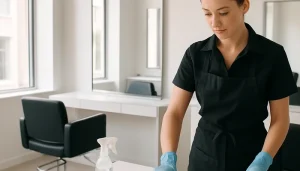
- Styling stations: High-frequency cleaning for chairs, mirrors, tools, and counters between each client.
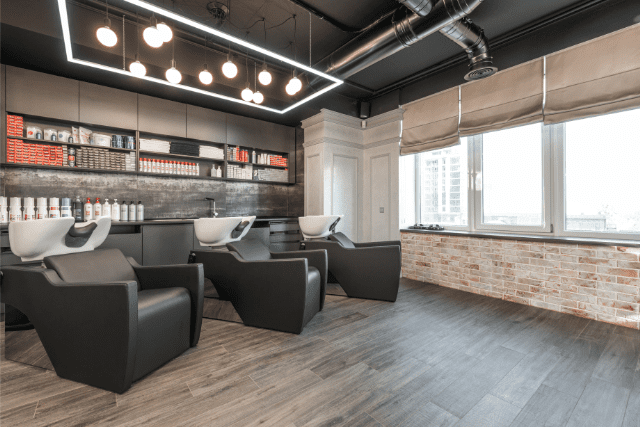
- Wash stations: Disinfection of sinks, faucets, and nearby storage is critical to prevent buildup and water-borne germs.
- Restrooms: Daily deep cleaning, with frequent spot checks.
- Back rooms and storage: Organize supplies so nothing blocks cleaning; avoid chemical cross-contamination.
Daily Salon Cleaning Checklist: What to Do Every Shift
- Wipe and disinfect all chairs and styling stations after each client.
- Sweep and vacuum hair and debris from floors regularly.
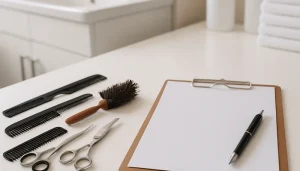
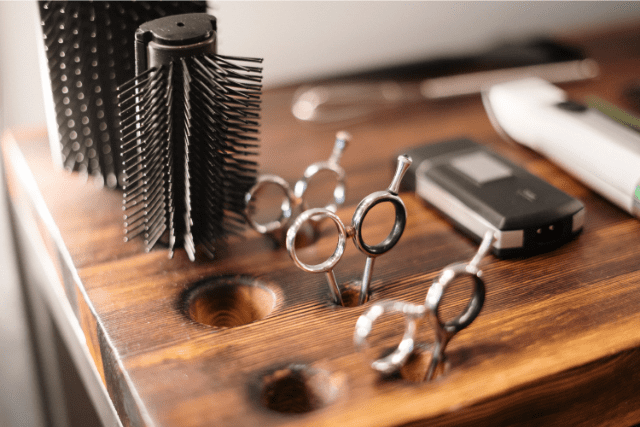
- Clean and sanitize tools: combs, scissors, brushes, clippers.
- Refill soap, sanitizer, and paper towels at handwashing areas.
- Spray and wipe mirrors and glass surfaces.
- Empty all trash bins and replace liners.
- Clean restrooms and check supplies.
- Disinfect door handles, payment terminals, and waiting areas.
Weekly Deep Cleaning: Higher-level Focus Areas
In a salon setting, deeper cleaning is crucial for maintaining standards, especially in overlooked spots:
- Move furniture and clean underneath—don’t forget retail displays.
- Wash baseboards, mop corners, and treat flooring stains.
- Descale washbasin fixtures and sanitize faucet handles.
- Check and clean air vents/maps to reduce dust and allergens.
- Empty and disinfect refrigerator or breakroom appliances.
Disinfection Methods: What Works Best for Salons?
Effectively killing viruses and bacteria is non-negotiable in salons. Key strategies for truly sanitary results include:
- EPA-registered disinfectants for surfaces—refer to authoritative resources, like professional disinfectant solutions for health and wellness for guidance.
- Tool sanitization: Remove visible debris, soak in disinfectant according to the manufacturer’s instructions, rinse and air dry.
- UV sterilizers for non-porous instruments as an added layer of protection—but not a substitute for chemical disinfection.
- Disposable items (nail files, towels) must never be reused between clients.
Safe Handling and Storage of Salon Chemicals
Improper chemical use can disrupt sanitation and endanger staff. Follow these professional protocols:
- Store cleaning solutions separately—never mix ammonia and bleach.
- Always use gloves and protective eyewear when handling concentrated products.
- Label all spray bottles with contents and dilution instructions.
- Lock hazardous products away from public/client access.
Sustainable Cleaning Practices for Eco-Friendly Salons
Eco-conscious approaches not only draw environmentally mindful clients but can also reduce harsh chemical exposure:
- Choose certified biodegradable disinfectants where possible.
- Use microfibre cloths and recharge reusable mop heads.
- Prioritize refillable containers to minimize plastic waste.
- Set up recycling for packaging and paper goods.
Cleaning Schedules: Frequency by Zone and Season
| Area | Frequency (Minimum) | Notes |
|---|---|---|
| Reception Desk | Daily (Between Clients) | Disinfect surfaces, payment points |
| Styling Chairs & Tools | Each Client | Wipe, sanitize, and organize |
| Floors | Twice Daily | Sweep, mop, vacuum |
| Restrooms | Daily & Spot Checks | Sanitize fixtures, refill supplies |
| Backrooms/Storage | Weekly | Declutter and deep clean |
| Laundry | After Use | Run full hot cycles |
Managing Cross-Contamination Risks
Preventing the spread of infections and allergens between clients means applying careful, industry-standard routines:
- Separate cleaning cloths for each zone—label by color or use.
- Never use hair-brushes, towels, or clippers between clients without proper sanitation.
- Wipe down chairs and counters before swapping out workstations.
- Immediately dispose of single-use items.
Professional vs. In-House Cleaning: Which Is Right for Your Salon?
Salons may handle surface tidying in-house, but professional cleaning ensures deep, thorough sanitation—especially for high-traffic or specialty zones.
- In-house staff: Best for quick post-client resets and everyday surface work.
- Professional teams (like Quick Cleaning): Ideal for periodic deep cleans, restroom sanitization, ventilation cleaning, and odor management.
Explore differences in approach, standards, and results before deciding on a maintenance schedule.
Selecting the Right Cleaning Products and Disinfectants
With the variety of salon surfaces—vinyl, tile, glass, and stainless—it’s crucial to match products for both efficacy and safety. Consult official resources such as food-safe disinfectant solutions for options suitable for salons with beverage or snack service zones.
- Always check compatibility (manufacturer labels) to avoid damaging furniture or equipment.
- Maintain a printed guide for staff reference and safety compliance.
Mini-Checklist: Daily, Weekly, and Monthly Cleaning At-a-Glance
- Daily: Sanitize high-touch points, clean tools after every use, remove trash, refresh towels/robes.
- Weekly: Move and clean under/behind furniture, disinfect air vents, organize storage.
- Monthly: Deep clean carpets, polish mirrors, inspect for signs of mold or moisture.
Employee Hygiene and Training in Salon Cleaning
Cleanliness is a team effort. Train all staff in:
- Proper handwashing and glove use between services.
- Recognizing signs of cross-contamination risk.
- Accurate dilution and application of cleaning products.
- Reporting maintenance issues or supply shortages immediately.
Evaluating Cleaning Results: Monitoring Quality
Check cleanliness with a mix of visual inspection and feedback:
- Develop a daily log/checklist for each shift to complete (digital or paper).
- Spot-test tools and surfaces for missed debris or streaks.
- Encourage client/staff feedback for continuous improvement.
When to Call in Professional Salon Cleaners
Some scenarios demand outside help:
- After renovations or facility remodeling
- Following a contamination issue/outbreak
- Persisting odors or stains despite in-house efforts
- Special requirements for inspections or certifications
A soft CTA: For advanced, spotless results, consult beauty salon cleaning professionals who use certified products and detailed checklists tailored for salons.
FAQs: How to Clean Your Salon Effectively
- How often should salon tools be disinfected?
After each client—never reuse without full sanitation. - What’s the best mop for salon floors?
Microfiber mops with washable heads trap hair and debris more effectively than traditional ones. - Can a salon use all-purpose cleaners for every surface?
Stick to surface-specific disinfectants, especially for sinks, styling stations, and bathrooms—see healthcare cleaning guidelines for vetted products. - What are the signs of poor salon cleanliness?
Visible dust, hair, fingerprint smudges, persistent odors, and inconsistent tool sanitation. - What PPE should staff use?
Gloves, masks (when required by law/local protocols), and protective aprons during chemical handling. - How can I reduce chemical smells in my salon?
Use low-odor, salon-approved products and ensure good ventilation—replace HVAC filters regularly. - Is carpet cleaning necessary in a salon?
Yes, vacuum daily and schedule deep cleaning monthly, or more often for high-traffic areas.
Summary: Creating a Routine for a Clean, Inviting Salon
Effective salon cleanliness combines targeted, repeatable routines; the right products; and staff diligence. By following structured checklists and maintaining accountability, you set a foundation for client trust, safety, and lasting business growth. For facilities needing expert care or advanced disinfection, partnering with professionals like Quick Cleaning ensures your salon is always inspection-ready and welcoming.
About Quick Cleaning
Quick Cleaning is a dedicated partner for households and businesses in Chicago, Illinois and nearby areas, known for attention to detail and a commitment to hygiene. Specializing in recurring house cleaning, deep cleaning, move out cleaning, office cleaning, and facility cleaning, Quick Cleaning utilizes trained staff, professional-grade equipment, and proven checklists to deliver dependable results. Transparent communication and flexibility ensure your space remains healthy and inviting, every time.
Chicago, local cleaning services, Beauty Salon Cleaning Chicago, Beauty Salon Clean Service, beauty salon cleaning Alsip IL, beauty shop cleaning River Grove, nail salon cleaning Summit IL, salon sanitation cleaning Crest Hill, salon cleaning Itasca, beauty salon cleaning Bannockburn IL, barbershop cleaning South Holland