How To Keep Your Sheets White: Deep-Dive Expert Guide for Homes & Rentals
Bright, white sheets are a symbol of cleanliness and comfort—whether you’re outfitting your own bedroom, maintaining Airbnb linens, or preparing an apartment for new tenants. Yet, daily life makes it tough to keep those sheets truly white. If you’ve searched how to keep your sheets white without damaging fabric or exposing yourself to harsh chemicals, you’re in the right place. This guide offers a comprehensive, step-by-step framework built on professional cleaning standards, science-backed stain prevention, and years of hands-on experience serving Chicago residents and businesses. Let’s unlock the secrets to maintaining crisp, inviting sheets, using safe routines that fit your lifestyle.
Why White Sheets Matter for Cleanliness and Impressions
White bedding is chosen not just for style but for its ability to spotlight cleanliness. In both households and rental properties, guests and residents notice—dingy or stained sheets raise hygiene questions. Keeping sheets consistently white is an investment in comfort, wellness, and reputation. This is particularly critical for Airbnb hosts, property managers, and businesses who rely on spotless bedding to earn positive reviews and client trust.
- Immediate visual feedback: Whites highlight stains and dust, signaling when cleaning is truly needed.
- Health and hygiene: Regularly maintained white bedding ensures allergens, sweat, and bacteria are less likely to build up.
- Professional image: In rentals, hotels, or offices with sleep facilities, crisp white sheets set a premium standard.
Understanding What Causes Sheets to Lose Their Whiteness
Before tackling how to keep your sheets white, it’s vital to know what you’re up against. Here are the main culprits:
- Body oils and sweat: Absorbed into fibers over time, leading to yellowing.
- Skin care products: Residues from lotions, fake tans, or makeup can cause discoloration.
- Improper washing: Overloading, cold washes, or using too little detergent allow grime to linger.
- Hard water minerals: These create a gray cast and make stains stubborn.
- Bleach misuse: Overuse weakens fibers and can make sheets look dingier.
Essential Supplies and Best Practices Before You Start
- Detergent: Use a quality, enzyme-based detergent formulated for whites.
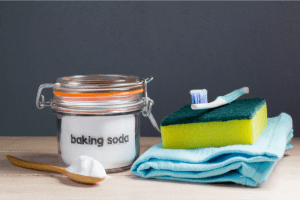
- Supplemental boosters: Baking soda, white vinegar, oxygen-based bleach, or hydrogen peroxide (never mixed together).
- Stain pre-treaters: Choose enzyme-based or tried-and-true DIY solutions like a paste of baking soda and water.
- Mesh laundry bags: Protect delicate trims or embroidery.
- Soft water options: If you have hard water, a softener can significantly improve results.
Always wash your hands before handling clean linens. This ensures oils or residues from your skin don’t transfer to freshly cleaned sheets.
How Often Should You Wash White Sheets for Best Results?
Consistency, rather than harsh chemicals, is the secret to lasting whiteness. The following table compares wash frequencies for different scenarios:
| Setting | Recommended Frequency | Extra Tips |
|---|---|---|
| Personal Bedroom | Every 1–2 weeks | Increase during summer or illness |
| Guest Room Used Occasionally | After every use or monthly if unused | Air out sheets between uses |
| Airbnb or Short-Term Rental | After every guest turnover | Spot-treat as soon as possible |
| Commercial Facility | Daily to 3x weekly | Requires durable linens |
Step-by-Step Routine: Keeping Sheets White Without Damage
- Remove linens and shake out debris: Prevent excess dirt from going into the machine.
- Pretreat visible stains: Apply a pre-treater or a paste of baking soda and water directly to the spot. Allow 15–30 minutes.
- Sort only with other whites: Laundering with colors transfers dye and dulls fabric.
- Choose the hottest safe water: Check label, as most cotton can handle warm or hot cycles.
- Add detergent and whitening booster: Use manufacturer’s recommended amount. For tough situations, add half a cup of baking soda or a white vinegar rinse.
- Rinse thoroughly: Residue dulls sheets. Consider an extra rinse if laundry loads are heavy.
- Dry in sunlight if possible: Natural UV light helps further brighten whites.
Choosing Safe Whitening Agents—Pros and Cons
With so many methods out there, it’s important to match whitening agents to your fabric type and allergy concerns:
- Oxygen-based bleach (percarbonate): Effective, less harsh than chlorine, suitable for most sheets.
- Chlorine bleach: Only for tough, 100% cotton whites; regular use weakens fabric and can yellow over time.
- Hydrogen peroxide: Gentler alternative, often found in “laundry brighteners”—always test on a small area first.
- Baking soda and white vinegar: Non-toxic, deodorize and mildly brighten; safe for sensitive skin.
Never mix vinegar and bleach, as this produces dangerous fumes. For chemical safety, refer to trusted sources such as CDC cleaning prevention recommendations.
Best Professional Practices for Stubborn Sheet Stains
For especially stubborn discoloration (like body oils or mystery yellow patches), follow this targeted professional protocol:
- Soak in warm water with dissolved oxygen-based bleach for up to six hours.
- For oily stains, refine with a few drops of dish soap, gently agitating the fabric.
- Rinse thoroughly before laundering, avoiding any contact with colors.
- Repeat if necessary, but avoid excessive scrubbing to protect fiber integrity.
- If results disappoint and linen is valuable, a professional cleaning service may be warranted.
Understanding Laundry Product Labels and Toxicity
Many whitening products contain perfumes, optical brighteners, or chemicals that can irritate sensitive skin. When choosing products:
- Look for hypoallergenic, fragrance-free labels.
- Check for eco-certifications or dermatologist-tested claims for the most sensitive users.
- If managing sheets for a commercial facility or Airbnb, keep a record of all cleaning products and their Safety Data Sheets.
Dealing With Common Stains: Targeted Treatments Checklist
Below is a quick reference for addressing the most frequent threats to white bedding:
- Blood stains: Soak in cold water, then treat with hydrogen peroxide.
- Makeup: Dab with gentle dish soap before regular wash.
- Oily residue: Pretreat with a paste of baking soda and water.
- Coffee or tea: Rinse with cold water, pretreat with an oxygen-based booster.
How to Prevent Future Discoloration and Graying
It’s easier to keep sheets white with ongoing habits than major interventions every wash. Here’s an actionable prevention list:
- Shower at night to remove sweat and skin products before bed.
- Avoid eating or drinking on white sheets.
- Rotate between at least two white sheet sets to reduce wear and improve washing efficiency.
- Never overload your washing machine.
- Always store sheets fully dry and in a well-ventilated area to prevent mustiness.
Professional Cleaning vs. DIY: When to Upgrade Your Approach
Sometimes home methods aren’t enough. Professional teams use commercial machines, safe high-strength brighteners, and tested checklists, which are stricter than typical household routines. Consider outside help if:
- Sheets have stubborn, widespread discoloration after several washes.
- There are allergy concerns needing extra sanitation.
- Volume is high—such as an apartment turnover or a short-term rental with frequent guests.
For deep-level expertise, Quick Cleaning ensures every sheet is handled with the right combination of products, temperature settings, and fiber-safe techniques.
Laundry Room Setup: Optimizing for Sheet Whitening Success
- Keep separate bins for whites, colors, and delicates to prevent accidental dye runs.
- Invest in a measuring cup or scoop rather than pouring detergent by eye.
- Use a calendar or reminder to maintain regular wash frequency.
- Label and store spot-treating solutions out of reach of children or pets.
Comparative Framework: Bleach Versus Natural Brightening
To aid decision-making, here’s how traditional bleach compares to natural alternatives:
- Chlorine bleach: Maximizes brightening but must be diluted, thoroughly rinsed, and avoided on synthetics or blended fibers.
- Oxygen bleach: Gentler; requires longer soaking but works on most fabrics safely.
- Baking soda/vinegar: Ideal for routine brightening and deodorizing, but less effective on old, set-in stains.
Maintaining White Sheets in Chicago’s Hard Water
Chicago’s municipal water is known for moderate hardness, which can cause a gradual dulling of whites. Combat this by:
- Using a water softener—either a built-in unit or laundry additives.
- Doubling up on rinses for particularly heavy loads.
- Regularly descaling your washing machine to prevent buildup.
White Sheets in High-Traffic Environments: Airbnb and Rentals
If you host guests regularly, a more regimented approach is vital:
- Implement an immediate pre-treat and wash policy for every checkout.
- Stock up on at least three full sheet sets per bed to avoid last-minute stress.
- Establish a spot-check routine—inspect each item during turnover, not just at weekly intervals.
Review our resources on booking house cleaning services and establishing cleaning habits for more structured approaches in rented properties.
Consulting Professional Sheet Cleaning: What Sets It Apart?
- Industrial-grade washing machines with high-performance rinses.
- Consistent checklist-driven protocols for spot and deep cleaning.
- Use of appropriate, fabric-safe brighteners and sanitizers.
- Quality control: detailed inspections eliminate overlooked stains before sheets are put back in service.
If your needs go beyond regular home care, professional teams like Quick Cleaning offer not just convenience but also greater health assurance for your spaces.
Real-World Scenarios: Troubleshooting and Solutions
Scenario 1: Sheets turned gray or yellow after washing.
- Double-check for overloads, switch to a hotter wash cycle, and retry with a whitening booster.
Scenario 2: Small rust stains from an old washing machine drum.
- Use a rust remover for fabrics or upgrade to a newer machine if problems continue.
Scenario 3: Unknown stain persists after several attempts.
- Soak overnight in oxygen bleach, then air-dry in sunlight before reusing.
Frequently Asked Questions (FAQ) About Keeping White Sheets Bright
- How do you get yellow sweat stains out of white sheets?
- Pre-treat with an enzymatic stain remover or a paste of baking soda before washing on the hottest safe setting.
- Is it bad to use bleach every wash?
- Yes—regular bleach is harsh and can weaken fibers over time. Limit use to occasional deep cleans and rely more on oxygen-based or natural boosters.
- Can you keep microfiber or bamboo sheets white with the same methods?
- Use only gentle agents, never bleach, and always cold-to-warm water—refer to the care instructions on the label.
- What if my city’s water is hard?
- Use a water softening agent and add an extra rinse cycle to maintain whites.
- Should I iron white sheets?
- Ironing is purely about aesthetics, not cleanliness, but can add a crisp finish if desired.
- Can essential oils in the wash help keep sheets fresh?
- While oils may improve scent, they don’t impact whiteness and can stain if used excessively.
- How do I safely store white linens long-term?
- Ensure completely dry storage, use breathable cotton bags, and avoid plastic, which can trap moisture and cause yellowing.
- Are there professional services that specialize in whitening sheets?
- Yes, cleaning companies like Quick Cleaning offer specialized laundry protocols for linens in Chicago homes and businesses alike.
- How can I speed up the washing process for frequent turnovers?
- Pre-sort, pre-treat, and maintain at least two backup sheet sets for every bed, streamlining same-day turnovers.
Quick Reference: Professional Checklist for Maintaining White Sheets
- Pretreat visible stains before the wash cycle.
- Wash only with other whites.
- Use a whitening booster as needed.
- Avoid overloading the machine.
- Dry in natural sunlight if possible.
- Rotate and regularly inspect all sheet sets.
Final Thoughts: Consistency and Attention Make the Difference
Craving white, hotel-like sheets at home or in your rental is absolutely achievable—with structure, smart products, and consistency. By following actionable routines and understanding which whitening agents really work, you safeguard both your investment in bedding and the comfort of every guest or resident. For those times when dirt, stains, or allergies require a thorough deep clean, remember that professional services like Deep Cleaning can elevate results beyond what’s possible at home.
About Quick Cleaning
Quick Cleaning helps households, property owners, short-term rental hosts, and businesses in Chicago, Illinois, and nearby areas keep their environments healthy, welcoming, and truly clean. Specializing in recurring house cleaning, deep cleaning, move out cleaning, office cleaning, and facility cleaning, every member of our team follows consistent professional checklists to ensure the highest standards. We use industry-grade products, flexible scheduling, and transparent communication to build long-term trust. For reliable cleaning tailored to your space and standards, trust Quick Cleaning—Chicago’s cleaning professionals.
dog spa, cleaning service chicago, Chicago Move Out Cleaning Service, Move Out Cleaning Chicago, Markham move out cleaning, move in move out cleaning Harvey IL, move out cleaning Crest Hill IL, Des Plaines move out cleaning, apartment move out cleaning North Riverside, apartment move out cleaning Bartlett IL, move out cleaners Countryside