Slowing the Spread of Germs in Schools: A Complete Guide to Healthier Classrooms
Schools are vibrant hubs of learning, but also prime environments for the spread of germs. From shared desks to crowded hallways and bustling cafeterias, viruses and bacteria can easily multiply if the proper steps aren’t taken. If you’re wondering how to slow the spread of germs in a school, this guide will walk you through evidence-based strategies, professional cleaning frameworks, checklists, and practical daily routines. Drawing on industry best practices and the expertise of Quick Cleaning, we help teachers, administrators, and facility managers safeguard students’ health in real-world, easy-to-implement ways.
Understanding How Germs Move in a School Setting
Before deploying any cleaning or hygiene solution, it’s essential to understand where and how germs are most likely to spread in a typical school. Schools are unique due to the mix of high contact surfaces, group activities, and age ranges.
- Common contact points: doorknobs, desks, shared supplies, light switches, handrails, faucets, cafeteria tables.
- High-risk times: arrival, class transitions, lunch periods, after-school activities.
- Airborne risks: especially in enclosed classrooms or poorly ventilated areas.
Mapping these zones allows you to prioritize cleaning efforts and tailor interventions that disrupt germ clusters before outbreaks occur.
Key Difference: Routine vs. Deep Cleaning to Control Germs
Not all cleaning is equal—understanding the difference between routine and deep cleaning can significantly impact germ control.
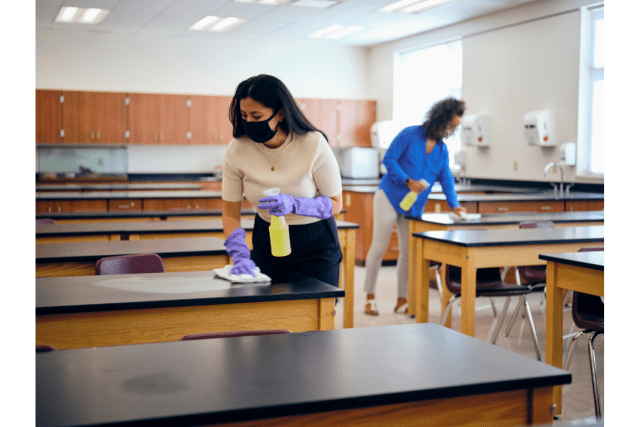
- Routine cleaning: Daily removal of dirt, dust, and visible debris from floors, desks, and surfaces.
- Deep cleaning: Intensive protocols targeting hidden and high-touch surfaces, addressing accumulation in corners, vents, upholstery, and behind equipment. Often scheduled weekly, bi-weekly, or monthly.
Balancing both approaches ensures germs have fewer opportunities to multiply and spread.
School Cleaning Frequency: What Science and Policy Recommend
The Centers for Disease Control and respected bodies recommend a multi-tiered approach to cleaning frequency in schools:
- High-touch surfaces: Disinfect at least once per school day, more during outbreaks or flu season.
- Bathrooms: Clean and disinfect several times per day, especially during high-traffic periods.
- Classroom objects: Shared items (e.g., art supplies, gym mats) cleaned after each use.
- Floors and common areas: Sweep and mop daily; deep clean weekly.
Schools should have a visible, easy-to-follow schedule posted for staff reference.
Evidence-Based Germ Control: What Actually Works?
Effective germ control in schools relies on a combination of targeted cleaning, proven disinfectants, & student/teacher involvement. Key strategies include:
- Use EPA Safer Choice-certified products that are effective yet safe for children and staff.
- Train staff on proper cleaning technique—directional wiping, sufficient dwell time, and safe product usage.
- Emphasize hand washing with soap and water, especially before eating and after restroom use.
- Promote respiratory etiquette: covering coughs/sneezes, using tissues, avoiding face-touching.
Layering these behaviors creates a “germ control net” that backups chemical cleaning with human hygiene habits.
Daily and Weekly School Cleaning Checklist for Maximum Safety
Below is a structured school cleaning checklist to help slow the spread of germs. Assign responsibility and track completion to ensure consistency.
| Area | Daily Tasks | Weekly/As Needed |
|---|---|---|
| Classrooms | Desks, light switches, door handles, supplies wiped | Walls, vents, technology disinfected |
| Restrooms | Toilets, sinks, faucets, mirrors sanitized | Deep clean grout, refill dispensers |
| Cafeteria | Tables, chairs, trays cleaned after each use | Equipment and storage areas disinfected |
| Common Areas | Handrails, doorknobs, elevator buttons wiped | Floors deep cleaned, mats washed |
| Buses | Seats, handrails disinfected after routes | Floors mopped, windows cleaned |
Creating a Classroom Hygiene Culture: Teacher and Student Actions
Germ control is a shared responsibility. By involving both teachers and students, you multiply your impact.
- Introduce a “handwashing challenge” every morning.
- Stock tissues and hand sanitizer (where age-appropriate) at every classroom door.
- Post illustrated reminders about sneezing/coughing into elbows.
- Rotate “clean desk” responsibilities among students (older grades).
- Train teachers to spot and address unsanitary behaviors quickly.
Positive reinforcement—such as praise or rewards—helps these practices stick long term.
Smart Supply Choices: What to Use and What to Avoid
Choosing the right supplies is as important as frequency. The wrong product can be ineffective or create unnecessary risks.
- Preferred: Fragrance-free, non-irritating, and EPA Safer Choice products for most cleaning tasks.
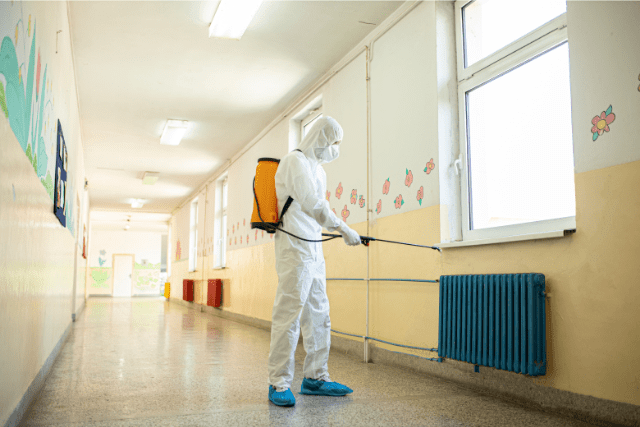
- Use as directed: Powerful disinfectants for outbreaks—but only with proper ventilation and safety gear.
- Avoid: Mixing chemicals, using expired supplies, or overusing antibacterials where plain cleaning suffices.
Always train janitorial and teaching staff on safe, effective use of products for their specific area.
Addressing the Most Overlooked Germ Hotspots
It’s easy to miss key areas. Based on field observations, pay extra attention to:
- Shared electronics—keyboards, tablets, interactive boards.
- Drinking fountains and water bottle fillers.
- Locker and cubby handles.
- Sports equipment and gym mats.
- Music room instruments and stands.
Schedule extra cleaning or assign responsibility for these touchpoints daily or between uses.
How Ventilation and Air Quality Control Germs in Schools
Airborne germs contribute to the spread of illness in schools, particularly during cold and flu season.
- Open windows where possible or use high-efficiency air filters in HVAC systems.
- Space desks apart and avoid closed-door gatherings for extended periods.
- Reinforce the importance of outdoor play and stagger schedules to decrease density indoors.
Many healthy schools in Chicago now consider portable air purifiers for rooms with poor ventilation.
Responding to Illness: What To Do When Germs Still Spread
Outbreaks can happen despite the best-laid plans. Be prepared with:
- Visible symptom protocols: Students and staff with symptoms should stay home or visit the school nurse immediately.
- Rapid communication: Alert families and staff to outbreaks, providing hygiene reminders and cleaning updates.
- Intensified cleaning: Increase frequency and scope in affected classrooms or facilities.
Consult EPA school cleaning guidance for approved disinfection methods in response situations.
Collaborating With Professional Cleaning Services
Partnering with a professional cleaning company can elevate your germ control routine. Look for teams trained in educational facility protocols who offer:
- Background-checked staff following detailed checklists.
- Consistent quality audits for safety and hygiene.
- Experience in both recurring and deep cleaning for schools and unique facilities.
- Flexibility for after-hours, weekend, or emergency sanitation.
Book educational facility cleaning for tailored service aligned with your academic calendar and cleaning needs.
Engaging Families in School Health: Communication Strategies
Families play a critical role in keeping germs out of schools and preventing outbreaks from spreading at home.
- Send home regular updates about cleaning protocols and changes during illness spikes.
- Provide checklists so families can adopt similar hygiene practices at home.
- Host Q&A sessions to answer questions about school sanitation efforts.
This creates a unified front between school and home, critical for community health.
Customized Solutions: Cleaning for Science Labs, Gyms, and Special Areas
Some school zones need adjusted cleaning strategies:
- Science labs: Neutralize chemicals first, then disinfect surfaces.
- Gyms: Prioritize frequent cleaning of mats, weights, lockers, and benches.
- Art and music rooms: Disinfect shared supplies and instruments between groups.
- Counseling centers: Sanitize seating and tables after each use.
Consult with cleaning experts on protocols for unique school spaces.
Training and Empowering Staff: Sustainable Practices For Germ Management
Invest in training all custodial, teaching, and support staff to:
- Identify germ hotspots and emerging hygiene issues.
- Use cleaning chemicals correctly—label reading, dilution, dwell time, and safe storage.
- Implement and monitor scheduled cleaning routines.
- Communicate effectively about supplies or issues as they arise.
Regular workshops or brief refreshers keep everyone informed and motivated.
Checklist: Action Steps For Slowing Germ Spread in Schools
- Map your school’s high-touch areas and assign cleaning responsibilities.
- Create and post clear daily/weekly cleaning checklists in staff common spaces.
- Purchase approved supplies with known safety/efficacy for children and staff.
- Schedule routine and deep cleaning to cover all areas without interruption.
- Establish communication flows for illness outbreaks and professional support.
- Engage students, staff, and families in meetings to reinforce healthy habits.
Use this checklist as an ongoing audit for your cleaning and hygiene efforts.
Frequently Asked Questions: Slowing Germs in Schools
- What’s the single most effective habit to slow the spread of germs in schools?
- Frequent, proper handwashing among students and staff remains the cornerstone of infection control.
- Are alcohol-based hand sanitizers safe for children?
- Use is safe under supervision, but always prioritize soap and water for visibly dirty hands.
- How can we keep classroom electronics germ-free without damaging them?
- Use approved electronic-safe disinfecting wipes and follow manufacturer’s moisture guidelines.
- Do green cleaning products really work as well as traditional disinfectants?
- Many EPA Safer Choice-certified products are proven to safely kill common germs found in schools.
- How often should shared equipment be cleaned?
- After each use when possible; at a minimum, daily for art, gym, and computer equipment.
- What should we do during a flu or virus outbreak?
- Increase cleaning frequency, communicate with families, and consult EPA/CDC outbreak recommendations.
- How can we motivate students to participate in hygiene routines?
- Gamify handwashing, post clear signs, and involve students in setting classroom standards.
- Is deep cleaning necessary if we clean daily?
- Yes, routine cleans remove surface germs but deep cleaning addresses hard-to-reach buildup and latent risks.
Conclusion: Building a Healthier School Community in Chicago and Beyond
Slowing the spread of germs in schools is a collective commitment—requiring facility leadership, professional cleaning support, engaged teachers, and involved families. By mapping risk, following evidence-based cleaning protocols, and fostering hygiene habits, your school lays the foundation for safer classrooms and uninterrupted learning. For more in-depth cleaning of specialized or high-traffic areas, consider working with trusted experts who understand the realities of school life in vibrant cities like Chicago.
For flexible recurring or specialty facility cleaning, Schedule education facility cleaning or contact Quick Cleaning for support tailored to your campus needs.
About Quick Cleaning
Quick Cleaning helps households and businesses in Chicago, Illinois and nearby areas keep their spaces clean and healthy. With expertise in recurring house cleaning, deep cleaning, move out cleaning, office, and special facility services, our trained staff follow consistent quality checklists, use safe professional products, and focus on transparent communication for lasting relationships. Trust Quick Cleaning for reliable cleaning that supports student, staff, and visitor safety in all types of educational and commercial settings.
current situation, cleaning companies, School Cleaning Services Chicago, Janitorial Services Chicago, school clean Joliet, school cleaning in Skokie, education cleaning Itasca IL, cleaning service for school in Lincolnwood IL, school cleaning Cedar Lake IL, cleaning service for school in Rosemont IL, campus cleaning Aurora