Natural Recipes for Green Cleaning Solutions: An Expert Guide for Homes and Businesses
As interest in sustainable living grows in Chicago and beyond, understanding natural recipes for green cleaning solutions has become vital for homeowners, property managers, business owners, and anyone seeking a healthier environment. This comprehensive guide will walk you through the science of green cleaning, practical DIY recipes, safety considerations, decision frameworks for choosing eco-friendly solutions, and how professional companies like Quick Cleaning create healthier spaces. Ready to demystify green cleaning? Let’s dive in.
Understanding the Science Behind Green Cleaning
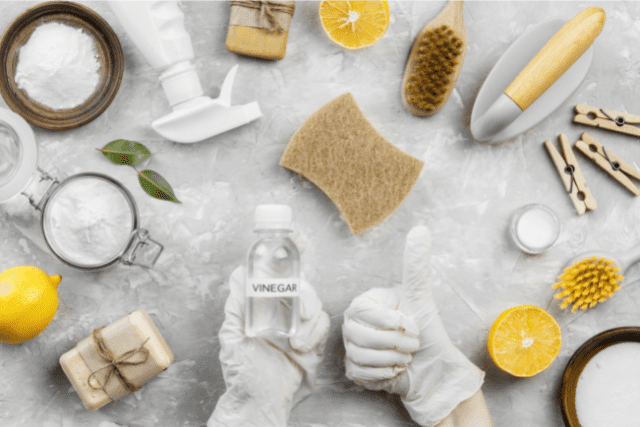
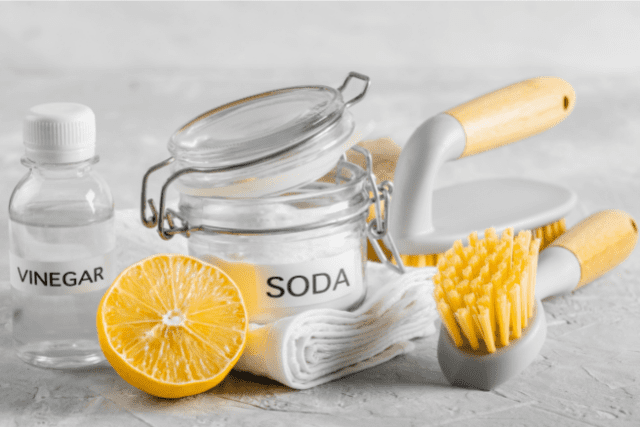
Before mixing your own recipes or selecting eco-friendly products, it’s essential to grasp how green cleaning solutions work. Unlike conventional cleaners that rely on harsh chemicals, green cleaning solutions utilize natural, plant-based, and biodegradable ingredients. These substances—like vinegar, baking soda, lemon juice, and essential oils—break down dirt, grime, and bacteria without leaving harmful residues. The benefits extend beyond your immediate environment, contributing to better indoor air quality and reduced environmental impact.
- Vinegar: Acts as a mild acid to dissolve mineral deposits and cut grease.
- Baking Soda: Gently scrubs surfaces and neutralizes odors.
- Lemon Juice: Naturally antibacterial and great for breaking down oils.
- Castile Soap: Plant-based soap that lifts dirt and can be mixed for all-purpose cleaning.
- Essential Oils (like tea tree, lavender): Add pleasant scents and antimicrobial properties.
Key Ingredients Used in Natural Cleaning Recipes
Green cleaning recipes are centered around a handful of powerful yet safe ingredients. Understanding their roles helps you mix and match for a variety of cleaning tasks:
| Ingredient | Main Function | Best For | Precautions |
|---|---|---|---|
| White Vinegar | Dissolves grime, deodorizes | Glass, tile, hard surfaces | Avoid on stone, marble |
| Baking Soda | Deodorizes, gentle abrasive | Sinks, stovetops, tubs | Can scratch delicate finishes |
| Lemon Juice | Natural bleach, cuts grease | Kitchens, cutting boards | Test on colored fabrics |
| Castile Soap | Lifts dirt, mild cleanser | All-purpose, hand-wash | May leave residue if not rinsed |
| Hydrogen Peroxide | Disinfects, whitens | Bathroom, grout, laundry | Store away from light |
DIY All-Purpose Cleaning Solutions You Can Make at Home
Green cleaning doesn’t require expensive products—most essentials are already in your pantry. Here are three time-tested natural recipes for green cleaning solutions for all-around use:
-
General Disinfectant Spray
– 1 cup distilled water
– 1/2 cup white vinegar
– 10 drops tea tree or lavender essential oil
Mix in a spray bottle. Use on countertops (avoid natural stone), doorknobs, appliance surfaces. -
Kitchen & Bath Scrub
– 1/2 cup baking soda
– 1 tablespoon liquid castile soap
– Optional: few drops lemon juice
Mix to a paste. Scrub sinks, tubs, and stovetops. Rinse thoroughly. -
Glass & Mirror Cleaner
– 1 cup distilled water
– 1/4 cup white vinegar
– 1 tablespoon cornstarch (helps prevent streaks)
Shake well. Spray and wipe with a microfiber cloth.
Tip: Always label your homemade solutions and store them out of reach of children and pets.
Formulating Green Cleaners Safely: What to Combine and What to Avoid
While many natural ingredients are safe, combining the wrong substances can reduce their effectiveness or create harmful byproducts. For example, never mix vinegar with hydrogen peroxide in the same container, as it can form a corrosive acid. Always:
- Test solutions on a small area first.
- Store mixes in clean, airtight containers.
- Avoid combining acids (like vinegar or lemon juice) with bleach or commercial disinfectants.
- Keep safety data and consult reputable cleaning safety resources handy for reference.
Natural Recipes for Specific Problems: Stains, Odors, and More
Some challenges require targeted recipes. Here’s how to approach common cleaning issues the natural way:
Removing Pet Odors
- Sprinkle baking soda generously on carpets, let sit for 30 minutes, and vacuum.
- For accidents, blot up excess then clean with a mix of 1/2 white vinegar, 1/2 water, and a dash of castile soap.
Mildew in Bathrooms
- Spray hydrogen peroxide on grout. Let rest 10 minutes; scrub with a brush.
- Ventilate well to avoid moisture buildup.
Grease on Kitchen Surfaces
- Wipe with a solution of warm water, lemon juice, and a little baking soda.
- Follow up with a dry cloth to avoid water spots.
Hard Water or Soap Scum
- Apply a mix of vinegar and dish soap (equal parts) to affected areas. Let sit, then scrub off.
Comparing DIY Green Cleaning to Commercial Eco-Friendly Products
The market is full of “green” cleaners, but how do they stack up against your own homemade solutions? Here’s a structured comparison:
- Cost: DIY is almost always cheaper, especially for large-scale cleaning.
- Convenience: Commercial products save time—no mixing required!
- Ingredients: Homemade lets you control exactly what’s inside.
- Effectiveness: For general upkeep, DIY can deliver great results; for specialty tasks, commercial products may excel.
- Certifications: Look for reputable eco-certifications (like EPA Safer Choice) on store-bought products.
Green Cleaning for Homes: Recipes and Routines
Adopting green cleaning in households isn’t just about using different solutions—it’s about creating routines that make maintenance easier and safer.
- Daily Kitchen Maintenance: Wipe counters with vinegar spray and use baking soda to scour sinks.
- Weekly Bathroom Routine: Spray fixtures with vinegar or hydrogen peroxide; scrub tubs and tiles with batch-made baking soda paste.
- Laundry: Use 1/2 cup baking soda in the wash for odor control; try a dab of hydrogen peroxide for stubborn stains (patch test first!).
Consistency is key for results you can see and feel.
Office & Commercial Spaces: Green Cleaning at Scale
Green cleaning doesn’t stop at home. Offices, retail stores, and commercial buildings in Chicago are also exploring natural cleaning strategies. Professional crews like Quick Cleaning:
- Use industrial-scale green products that meet health and safety standards.
- Follow certified protocols for disinfection, essential in shared workspaces.
- Provide recurrence schedules, ensuring high-traffic areas are regularly maintained.
- Customize solutions for unique facility needs—like child-safe cleaners in daycares or fragrance-free products in clinics.
To explore more commercial-specific eco tips, check out Simple Ways to Be a Green Company and Importance of Cleanliness in Companies.
Decision Framework: When to Use DIY vs. Hire Professional Green Cleaning
Deciding between self-cleaning and bringing in a green cleaning service? Consider:
- Scope: Quick spot cleans are ideal for DIY, but deep cleaning is often best left to professionals.
- Health & Safety: Certain spaces (like healthcare offices) require products and expertise beyond home recipes.
- Time: Recurring, large-scale, or after-event cleanup can be overwhelming—companies like Quick Cleaning efficiently handle these projects.
- Results: For truly sanitized workspaces, professional teams use certified products and advanced equipment.
Need a deeper clean in your office, retail space, or after moving out? See how professional deep cleaning with a green focus can help.
Ingredient Sourcing: Where to Find Safe, Affordable Green Cleaning Materials
You don’t have to shop at specialty stores for green cleaning ingredients:
- Vinegar, baking soda, and lemon juice: supermarket staples.
- Castile soap: Natural food stores or large online retailers.
- Essential oils: Choose high-quality, pure options; avoid synthetic blends.
- Reusable spray bottles and microfiber cloths: Found at most home supply stores.
For bulk needs (like offices or property managers), consider suppliers who certify sustainable sourcing or offer eco packaging.
Safe Storage and Labelling for Homemade Cleaning Solutions
Homemade cleaners should be treated with the same caution as commercial products:
- Label: Mark each bottle with contents and date mixed.
- Child and Pet Safety: Store securely and never in recycled food containers to avoid confusion.
- Shelf Life: Many natural solutions last a week to a month—mix smaller batches for freshness.
- Disposal: Use up or dilute with water before discarding down the drain.
Green Cleaning Checklists: Step-by-Step for Different Areas
Kitchen Checklist
- Wipe counters with all-purpose vinegar solution.
- Clean appliances outside and inside with baking soda paste where needed.
- Polish stainless steel with a bit of olive oil on a cloth.
- Mop floors with diluted castile soap and water.
Bathroom Checklist
- Spray glass cleaner on mirrors and fixtures.
- Scrub tub and tiles with baking soda paste.
- Disinfect high-touch spots with hydrogen peroxide spray.
Office/Common Space Checklist
- Wipe desks, tables, and electronics with microfiber and a gentle cleaner.
- Disinfect doorknobs, phones, and touchpoints regularly.
- Vacuum and spot-treat carpets with baking soda as needed.
Use these checklists for recurring tasks, tailoring the frequency to your space’s usage.
Assessing Results: Signs Your Green Cleaning Is Working
Wondering if your natural cleaning is effective? Look for:
- Streak-free and residue-free finishes on glass, counters, and floors.
- Fresher air—no lingering chemical or musty smells.
- No irritation for allergy or asthma sufferers, thanks to reduced VOCs.
- Visible reduction in mold, grime, or grease in problem areas.
If results don’t meet expectations, try adjusting your formulas or application techniques. For more tips, see Reasons to Go Green Cleaning and the CDC’s Home Cleaning Guidance.
Common Questions about Natural Green Cleaning Solutions
- Q: Are green cleaning recipes safe for everyone?
A: Most natural recipes are safe, but always review ingredient safety, test on surfaces, and safeguard vulnerable individuals, especially those with allergies or respiratory issues. - Q: Can DIY cleaners remove germs and viruses?
A: Many can reduce bacteria and dirt, but for disinfection (e.g., after illness), you may need EPA-certified products or professional cleaning. - Q: How do I know if my green cleaner is working?
A: Visual cleanliness, lack of odor, and reduced allergen symptoms are positive signs. For critical areas (like healthcare), lab-verified disinfection may be necessary. - Q: Do green cleaning solutions expire?
A: Yes. Most are effective for 1–4 weeks. Label bottles with the date, and discard at first sign of change in smell or appearance. - Q: What ingredients should never be mixed?
A: Never mix vinegar with bleach, ammonia, or hydrogen peroxide. Keep cleaning agents separated unless directed by a trustworthy guide. - Q: Can green cleaning solutions be used on all surfaces?
A: Some (like vinegar) can damage natural stone; always check manufacturer recommendations first. - Q: How do professionals stay eco-friendly at scale?
A: Pros use concentrated, bulk green products and train staff on safe, effective protocols for different facilities. - Q: Is fragrance always natural?
A: Not always—read labels. For full control, create your own blends with pure essential oils.
Practical Tips for Sustainable Green Cleaning
- Switch to microfiber cloths—they trap particles better than paper towels and last longer.
- Repurpose spray bottles; rinse well before refilling with new recipes.
- Limit water waste by using targeted sprays instead of drenching surfaces.
- Dispose of leftover natural solutions responsibly to avoid environmental harm.
- Share unused (safe) recipe mixes with neighbors to reduce waste.
Ready to take green cleaning to the next level? Explore the impacts of eco-friendly cleaning on your environment and see how simple swaps can make homes and businesses healthier.
FAQ: Your Top Green Cleaning Solution Questions Answered
- What are the advantages of switching to natural recipes for cleaning? Lower chemical exposure, reduced irritants and allergens, environmentally friendly, often economical.
- Do green cleaning recipes disinfect as well as conventional ones? For most daily needs, yes, but for medical-grade disinfection, consult professional guidance.
- Can I use green cleaners in rental or Airbnb properties? Absolutely—guests appreciate a non-toxic environment, and many common recipes are suitable for quick turnover cleans.
- How do I transition my cleaning team or family to green methods? Start with one or two solutions, share recipes, get input, and adjust routines for gradual adoption.
- What is the best way to educate staff or residents on eco-friendly cleaning routines? Post simple checklists, label bottles clearly, and offer hands-on demonstrations when possible.
- How do professional cleaners verify product safety? Trusted firms use only certified products with full ingredient disclosure and train teams on safe handling.
- Will switching to natural recipes save money? For most households and small businesses, costs drop significantly. For specialty cleaning, consult pros for cost-benefit analysis.
Conclusion: Embracing the Green Cleaning Lifestyle
Natural recipes for green cleaning solutions offer a powerful, responsible way to maintain homes and offices. With the right ingredients, routines, and safety habits, anyone can minimize chemicals, safeguard health, and protect the planet. For occasional deep cleans or large facilities, green professional services like Quick Cleaning bring expertise and peace of mind—many clients in Chicago find a combination of both approaches works best. Start small, stay consistent, and enjoy a truly clean environment.
About Quick Cleaning
Quick Cleaning is dedicated to helping households and businesses in Chicago, Illinois and nearby areas keep their spaces clean, healthy, and safe. Our team specializes in recurring house cleaning, deep cleaning, move-out cleaning, office and facility cleaning projects. All staff members are trained in best practices for both green and conventional cleaning, use appropriate products for each surface, and adhere to quality and safety standards. We are committed to transparent communication, clear pricing, and building lasting client relationships for every cleaning campaign.
green cleaning products, cleaning companies chicago, commercial cleaning chicago, commercial cleaning service, Oak Park commercial cleaning companies, commercial cleaning companies in Skokie, Lincolnwood commercial cleaning, commercial cleaning Rosemont, Riverwoods commercial cleaning, commercial cleaning Palatine, commercial cleaning services in Des Plaines