
Tips For Cleaning a Gym: A Complete Guide to Fitness Facility Hygiene
If you manage or own a gym, you know that cleanliness affects not only reputational value, but also the health and safety of every member. With the high foot traffic, shared equipment, and close physical interaction, gyms face unique cleaning challenges far beyond everyday surface dusting. This guide delivers the most actionable, research-backed Tips For Cleaning a Gym, equipping you with protocols, checklists, and expert insights for achieving the highest standards. Whether you opt for in-house maintenance or a professional cleaning provider, you’ll find everything you need to make informed decisions, safeguard your gym’s image, and create a healthier experience for everyone.
Understanding Hygiene Risks Unique to Gyms
Gyms are hotspots for bacteria, viruses, and fungi due to sweat, skin contact, and frequent equipment sharing. Inadequate cleaning can lead to outbreaks of MRSA, athlete’s foot, ringworm, or viral illnesses among patrons. High-touch surfaces—like dumbbells, cardio machines, mats, and locker rooms—require vigilant attention to prevent cross-contamination. Understanding these risks is the first step in developing an effective cleaning strategy.
- Sweat and skin oils accumulate on benches, pads, and mats.
- Damp environments in locker rooms promote mold and mildew.
- Shared equipment can transmit microbes without visible dirt.
- Bathrooms and drinking fountains are frequent contamination sites.
Establishing a Professional Gym Cleaning Routine
A consistent, systematic routine is crucial for maintaining cleanliness. Gym cleaning is more than spot-cleaning—it involves scheduled tasks with varying frequencies, from hourly to monthly deep cleans.
- Daily: High-touch point disinfection (weights, machinery handles, door knobs)
- After Each Use: Spray and wipe pads, seats, and mats
- Weekly: Deep clean floors, dust vents, sanitize lockers
- Monthly: Steam clean carpets, polish mirrors, treat for mold
Creating a written routine—ideally on a visible cleaning checklist—ensures accountability and transparency for your staff.
Essential Equipment and Cleaning Products for Gyms
Choosing the right equipment and cleaning products is vital for thorough, safe results. Professional cleaning companies like Quick Cleaning use commercial-grade vacuums, HEPA filters, microfiber cloths, and EPA-approved disinfectants tailored to each surface type.
- Microfiber cloths (color-coded to prevent cross-contamination)
- No-rinse neutral floor cleaners for safety surfaces
- Hospital-grade disinfectant sprays for shared equipment
- Mops with replaceable heads
- Protective gloves and optional masks for staff
Reference: The CDC’s environmental cleaning guidelines stress the importance of using products that are both effective against pathogens and safe for high-contact fitness surfaces.
Comprehensive Gym Cleaning Checklist (Table)
| Area | Frequency | Key Actions | Notes |
|---|---|---|---|
| Cardio/Weights Equipment | Daily/After Each Use | Wipe with disinfectant, inspect for residue | Include all touchpoints: screens, handles |
| Mats/Floors | Daily | Vacuum, mop, steam clean | Increase frequency with high traffic |
| Locker Rooms | Daily/Weekly | Disinfect benches, sanitize showers, restock soap | Treat for mold and mildew monthly |
| Bathrooms | Twice Daily | Clean toilets, sinks, all handles | Disinfect every shift change |
| Reception/Lounges | Daily | Wipe counters, sanitize seating | Include vending/kiosk touchpads |
| Windows/Mirrors | Weekly | Clean with non-streak solution | Inspect for residue/marks |
Step-by-Step Gym Disinfection Procedure
- Preparation: Gather supplies, post signage, wear PPE.
- Remove debris: Pick up trash, sweep all floors.
- Clean visible dirt: Microfiber dusting of equipment, vents, baseboards.
- Disinfect: Spray and thoroughly wipe all high-contact surfaces.
- Restock: Replace paper towels, soaps, sanitizers for staff and patrons.
- Final inspection: Check for streaks or missed spots from multiple angles.
- Document: Mark complete tasks on a visible log or checklist.
In-House Staff vs. Professional Gym Cleaning Services: A Comparison
- In-House: Offers immediate attention but may lack specialized equipment or updated protocols. Staff often handle multiple roles, risking inconsistency or missed deep-clean tasks.
- Professional Service (like Quick Cleaning): Brings trained, insured crews, commercial products, systematic checklists, and specialty skills for mold, odor, and detailed disinfection, while often providing flexible after-hours scheduling to minimize gym disruption.
Many facilities opt for a blended approach—daily in-house touchups supplemented by periodic professional deep cleans for optimal safety and presentation.
If you’re seeking comprehensive facility maintenance, schedule Gym Cleaning for periodic deep cleaning and disinfection.
Deciding the Right Cleaning Frequency for Different Gym Areas
The correct cleaning frequency depends on usage volume, time of year, and facility areas. For example, high-traffic zones like cardio areas and locker rooms typically require more frequent cleaning than storage rooms or offices. During flu season or heightened outbreak concerns, increase cleaning intervals for all shared spaces.
- Entry doors, touchpads, and dumbbells: clean several times per day
- Yoga mats and foam rollers: after each class/session
- Steam rooms and saunas: sanitize after every use, deep clean daily
- Offices and admin areas: weekly (unless higher usage)
Addressing Common Gym Cleaning Challenges
Gym cleaning comes with unique obstacles, such as persistent odors, sweat residues, buildup of chalk or grip powders, and protection of expensive electronic equipment while cleaning. Humidity can cause mold, and improper floor cleaning products may make workout areas slippery.
- Neutralize odors at the source, not just mask them
- Use low-moisture cleaning for electronics and digital screens
- Rotate products to avoid chemical buildup
- Test equipment and surfaces post-cleaning for safety
For further technical details, access reputable cleaning guides aligned with global standards for disinfection and surface care.
Cleaning Gym Equipment: Cardio, Strength and Accessories
Cardio Machines: Focus on handles, buttons, and seat adjustments. Use electronics-safe, non-streak products for display screens.
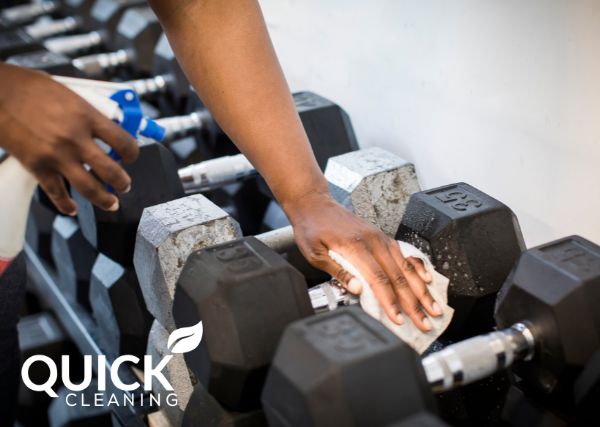
Strength Benches/Weights: Wipe all surfaces patrons contact. Validate cleaning product compatibility with finishes to avoid corrosion.
Mats, Balls, Bands: Disinfect after every use. Rotate multiple sets to allow drying time if possible.
- Do not oversaturate or submerge electrical parts
- Document which accessories have been cleaned for accountability
- Clearly separate ‘clean’ and ‘used’ accessories for user confidence
Locker Rooms, Showers, and Restrooms: Critical Cleaning Areas
Locker rooms and bathrooms require special diligence due to moisture, personal item storage, and higher risk for germ spread. Tasks include:
- Disinfection of benches, lockers, handles, faucets
- Scrubbing and treatment to prevent mold in showers
- Cleaning grout and tile with mold-fighting products
- Restocking disposable soap, towels, and sanitizer regularly
- Proper ventilation during and after cleaning to minimize moisture retention
Monthly deep cleans with specialized mold inhibitors are recommended for these spaces, especially in busy facilities.
Gym Floor Cleaning Methods: Safety and Hygiene Considerations
Gym floors range from rubber matting and hardwood to carpets and specialty athletic surfaces. Each requires specific care:
- Rubber Matting: Sweep or vacuum debris, mop with mild detergent, then sanitize daily
- Hardwood/Studio Floors: Use non-abrasive, damp mops—avoid standing water
- Carpeted Areas: Regular vacuuming, periodic hot water extraction
Ensure all products are slip-resistant and allow for quick drying to prevent falls or delayed reopening.
Promoting Member Participation in Cleanliness
Educate members to share responsibility for hygiene by providing accessible cleaning wipes, clear signage, and visible supply stations. Set the expectation to wipe down equipment after each use. Creating a culture of cleanliness reinforces your professional standards and leads to greater satisfaction among patrons.
- Visible signage at equipment and entrances
- Ample cleaning wipes and sanitizer stations throughout facility
- Short reminders during onboarding tours or classes
- Incentivize with monthly cleanliness rewards or recognition
Choosing the Right Cleaning Company for Your Gym
When evaluating professional gym cleaning partners, look for:
- Experience with fitness facilities and specialized equipment
- Use of checklists and quality control standards
- Consistent, trained teams
- Ability to customize schedules (after-hours, weekends)
- Clear communication and transparent pricing structures
Quick Cleaning can support your gym’s unique needs with flexible scheduling and tailored service; for office, Office cleaning service is also available for commercial spaces with shared amenities.
Checklist: Signs Your Gym’s Cleaning Routine Needs Improvement
- Lingering odors despite routine cleaning
- Sticky or slippery surfaces post-clean
- Consistent complaints from staff or patrons
- Unstocked sanitation supplies
- Visible dust, residue, or stains after scheduled service
- Unclear or undocumented cleaning records
If you notice multiple warning signs, it might be time to consult with a professional service like Deep cleaning to restore standards.
Special Circumstances: Outbreaks, Seasonal Upticks, and High-Traffic Events
Flu season, viral outbreaks, and special events raise the stakes for gym cleanliness. Steps to ramp up protection include:
- Increase high-touchpoint cleaning frequencies
- Communicate new protocols via email and on-site signage
- Offer complimentary sanitizer and wipes at all stations
- Schedule additional deep cleans before/after events
- Train staff in rapid response disinfecting
For large events or seasonal surges (for example, New Year’s fitness rush), a dedicated cleaning plan ensures all members feel safe.
FAQ: Cleaning and Hygiene in Gyms
Ideally, after every use and at least once daily by staff.
What products are safe for sensitive gym equipment?
Use electronics-safe sprays and always avoid harsh abrasives or saturated cloths for screens.
How can we prevent mold in humid locker rooms?
Regular use of mold-preventive sprays, keeping areas dry, and proper ventilation are vital.
Is it necessary to deep clean a gym, or will daily cleaning suffice?
Deep cleaning is necessary periodically to address buildup, odors, and hard-to-reach areas that daily routines miss.
Should members be required to clean equipment themselves?
Members should be encouraged, but staff oversight and periodic professional cleaning are essential for compliance.
What are the most often missed areas in gym cleaning?
Underneath equipment, door push plates, light switches, and corners of shower areas often get overlooked.
How do you handle contagious illness outbreaks in a gym?
Increase disinfection frequency, communicate new policies, and consider temporary area closures for thorough sanitizing.
Are eco-friendly products effective in gyms?
Many eco-friendly disinfectants are highly effective, but always verify the product’s rating for bacteria and virus elimination.
What insurance or safety practices should cleaning staff follow?
Personal protective equipment, chemical labeling, and safe storage are key, along with regular training.
Where can I find authoritative cleaning protocols for gyms?
The CDC provides evidence-based cleaning protocols for public settings.
Summary: Roadmap to a Cleaner, Safer Gym Experience
The health and reputation of your gym depend on consistent, effective cleaning routines shaped by both professional best practices and daily diligence. By investing in proper tools, rigorous documentation, and member engagement, you support both safety and customer satisfaction. Remember, the right cleaning approach not only prevents illness—it also sets your facility apart in a highly competitive industry. If you need a trusted partner, Quick Cleaning delivers specialized expertise for fitness centers in the Chicago area.
About Quick Cleaning
Quick Cleaning is a dedicated cleaning company serving households and businesses in Chicago, Illinois and surrounding communities. Specializing in recurring house cleaning, deep cleaning, move out cleaning, office cleaning, and special facility services—including gyms—we follow strict quality standards and use professional-grade products and equipment. We emphasize consistent checklists, transparent communication, and flexible scheduling to ensure a healthy environment for all clients—residential or commercial.

pathogenic organisms, local cleaning services, Gym Cleaning Chicago, Gym Cleaning Service Chicago, gym deep cleaning Burbank IL, gym sanitation cleaning Spring Grove, gym clean Riverside, health club cleaning Wheeling, gym cleaning Rosemont, gym cleaning Fort Sheridan, fitness center cleaning Wicker Park