
What Is A Janitorial Service? Complete Guide to Professional Facility Cleaning
Are you wondering what a janitorial service really means, how it’s different from general cleaning, or whether this is the right solution for your organization or property? You’re not alone. The phrase “What Is A Janitorial Service?” often comes up for property managers, business owners, and even residential customers trying to navigate their options. In this detailed guide, you’ll get a clear definition, a deep dive into typical tasks, comparisons with other cleaning services, sample checklists, safety and hygiene frameworks, and a step-by-step decision process to ensure you choose the right fit for your needs. All insights are shaped by the practical expertise of Quick Cleaning, whose teams operate across Chicago, Illinois. Let’s break it down together.
Janitorial Service Defined: Origins and Core Scope
A janitorial service is a facility cleaning solution that focuses on maintaining day-to-day cleanliness and hygiene in commercial, institutional, and sometimes residential environments. Unlike sporadic or deep cleaning, janitorial services are routine and recurring, supporting health, safety, and workplace appearance.
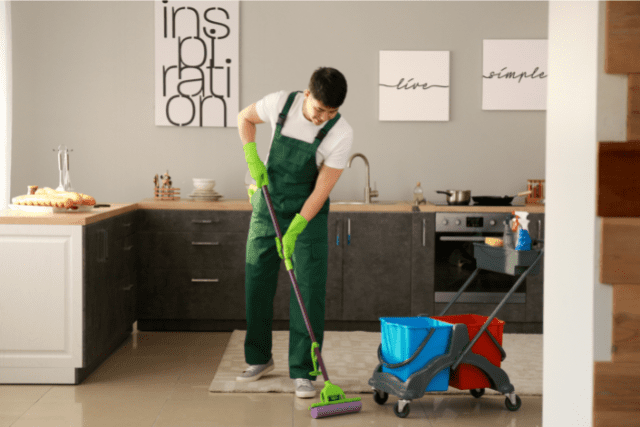
- Primary activities: Daily or regular sweeping, mopping, waste removal, restroom management, restocking supplies, dusting, and light-duty surface cleaning.
- Main clients: Offices, schools, medical clinics, retail stores, gyms, and sometimes multi-unit residences.
- Outcome: Consistently clean, hygienic, and inviting spaces, with attention to high-touch areas and public areas.
Janitorial tasks are not typically “once-off”; they are structured for ongoing facility support to keep spaces healthful and presentable.
Janitorial Services vs. Commercial Cleaning: Key Differences
Though sometimes used interchangeably, janitorial services and commercial cleaning each have a distinct focus. Here’s a structured comparison:
| Aspect | Janitorial Service | Commercial Cleaning |
|---|---|---|
| Frequency | Regular (daily/weekly) | Scheduled or as-needed (deep or specialty) |
| Task Scope | Routine upkeep | Deep cleaning, projects, specialized tasks |
| Examples | Trash removal, restroom cleaning | Carpet shampooing, floor stripping & waxing |
| Personnel | Usually on-site or assigned to location | Specialty crews, often periodic |
| Best For | Ongoing cleanliness | Specialized needs, periodic deep clean |
This means janitorial teams are typically a daily presence, while commercial cleaning services are project-based or carried out less frequently. Some companies (like Quick Cleaning) offer both, creating custom strategies for each site.
Typical Janitorial Tasks: What’s Included?
While the exact checklist may vary by building type, a standard janitorial service covers:
- Sweeping/vacuuming/mopping floors
- Emptying trash and recycling bins
- Sanitizing restrooms (toilets, sinks, mirrors, floors)
- Restocking restroom and communal supplies (soap, paper goods, sanitizers)
- Surface dusting and damp-wiping
- Window and glass touch-up cleaning
- Kitchen or breakroom surface cleaning
- Cleaning high-touch areas: doorknobs, elevator buttons, handles
- Spot-cleaning walls or furniture
- Periodic minor maintenance (if included in contract)
All tasks are performed using professional-grade products—chosen for safety and efficacy according to the type of facility.
Janitorial Facility Checklist: Sample Steps for Optimal Results
A strong janitorial service operates on a structured checklist. Here’s an example Quick Cleaning model used for offices and similar properties:
- Arrive, sign in, review special requests or area notes
- Remove trash/recycling, replace liners
- Dust horizontal surfaces, workstation edges, light fixtures
- Clean and sanitize bathrooms; replenish soap, towels, paper
- Sweep and mop hard floors; vacuum carpets (including under furniture where possible)
- Disinfect door handles, switches, and high-traffic touchpoints
- Wipe down shared kitchen/break room counters and appliances
- Clean entry glass/panels
- Log completion and report issues or low supplies
High-reliability teams follow these steps consistently, adapting for unique facility needs and incidents.
Selecting Janitorial Frequency: A Decision Framework
How often should janitorial staff visit? The cadence depends on:
- Foot traffic volume: Higher traffic requires daily attention; lower-usage offices may need only 2–3 times weekly.
- Type of activities: Medical or foodservice settings need stricter, more frequent cleaning than administrative offices.
- Size and number of restrooms, kitchens, or breakrooms
- Health and safety codes
Quick Cleaning helps Chicago clients tailor janitorial frequencies to ensure hygiene, compliance, and budget balance.
Who Needs a Janitorial Service? Facility and Business Scenarios
Janitorial services are ideal for:
- Office buildings (multi-tenant and single business)
- Retail stores and shopping centers
- Medical and dental offices (basic janitorial, not infection control)
- Schools, daycares, educational facilities
- Gyms, spas, and fitness centers
- Religious and community centers
- Property management for common areas in residential complexes
Each setting may have specialized needs or required protocols, which reputable companies will assess before offering a contract. See industry-specific tips in industries that benefit from commercial cleaning.
Products, Tools, and Standards Used in Janitorial Services
Professional janitorial teams bring vetted supplies and tools that meet industry standards:
- Color-coded cleaning cloths to prevent cross-contamination
- HEPA-filtered vacuums for air quality
- Eco-friendly or specialty chemicals as needed
- Dedicated mops and disinfectants for bathrooms
- Appropriate PPE (gloves, sometimes masks or goggles)
Maintaining safety—for both staff and building occupants—is essential, especially in high-sensitivity locations. Guidance on safe product selection is available from the EPA’s cleaning materials safety programs.
Hygiene and Cross-Contamination: Critical Procedures
Janitorial services must minimize cross-contamination:
- Use of color-coded rags/mops (e.g., red for restrooms, green for kitchens)
- Sanitizing equipment between areas
- Training for infectious risk in bathrooms and touch points
- Separation of tools for food areas vs. regular spaces
Good providers will outline their protocols and verify compliance, as highlighted in this cross-contamination guide.
Environmental and Health Considerations in Janitorial Cleaning
Janitorial work should account for building health and environmental safety:
- Low-VOC and fragrance-free products for sensitive occupants
- Proper disposal of hazardous materials (e.g., batteries, chemical containers)
- Asbestos and lead-safe work practices, per EPA guidance
For green cleaning solutions, read this primer on eco-friendly janitorial options.
Sample Janitorial Service Agreement: What to Expect
Reliable janitorial contracts are clear and list:
- Exact services (with exclusion/inclusion list)
- Frequency and hours
- Responsibilities—e.g., replenishing supplies, reporting major issues
- Insurance, safety, and incident protocols
- Pricing structure and escalation process
Look for transparency and flexibility—Quick Cleaning emphasizes clear communication and honest pricing in every agreement.
Quality Control: Monitoring Janitorial Results
Quality standards are upheld via:
- Regular supervisor inspections
- Written checklists signed per shift
- Feedback channels for building managers and tenants
If a company offers digital reporting and accessible communication, this is a positive sign.
Training and Safety for Janitorial Teams
Your janitorial crew should be fully trained to:
- Handle cleaning chemicals safely
- Use equipment correctly and avoid property damage
- Apply procedures for infection prevention
- Adapt to changes in health/safety guidelines
Reputable providers, including Quick Cleaning, ensure all staff meet industry and OSHA standards.
Decision Guide: Choosing The Right Janitorial Provider
When selecting a janitorial service in Chicago or elsewhere, consider:
- Years of experience and specialty credentials
- Customizable checklists that match your property’s needs
- Positive references and reviews
- Transparent pricing—no surprises or hidden fees
- Consistent, background-checked teams
For a deeper walk-through, see key considerations for hiring a commercial cleaner.
Janitorial Service: Sample Questions to Ask Providers
- What cleaning products and safety procedures do you use?
- How is your team trained and supervised?
- What is your quality control process?
- How are special or emergency requests handled?
- Can you provide proof of insurance and background checks?
Tailor more questions for your facility in this complete question list.
Industry Case Studies: Janitorial Service in Action
- Law office: Daily restroom service, confidential trash disposal, conference room sanitizing.
- Fitness center: Locker rooms, equipment sanitizing, anti-slip floor care.
- Property management: Lobbies, elevators, stairwells, and shared amenities cleaning.
Quick Cleaning adapts checklists for unique Chicago-area sites and requirements.
When to Combine Janitorial With Other Services
Some facilities benefit from specialty cleanings alongside janitorial service:
- Periodic deep cleaning for accumulated dirt
- Event cleanup for one-off needs
- Medical-grade protocols for clinical environments
- Move-out or turnover cleaning
Quick Cleaning can advise on supplementing basic janitorial service with these as needed. Explore our office cleaning service or Airbnb cleaning.
Janitorial Service FAQ
- What services are always included in janitorial work?
- At a minimum, routine trash removal, sweeping/mopping, restroom cleaning and supply restocking, basic dusting, and cleaning high-touch surfaces are core. Additional tasks depend on your contract.
- How does janitorial differ from deep cleaning?
- Janitorial is recurring, maintenance-focused cleaning. Deep cleaning targets hard-to-reach and often-neglected areas for more intensive dirt and germ removal, performed less frequently.
- Are janitorial services only for commercial spaces?
- While most often used for offices and facilities, some large residential complexes or shared spaces may contract janitorial teams for common areas. Individual residences typically use house cleaning services instead.
- Will janitorial staff bring their own equipment and chemicals?
- Reputable providers use their own professional equipment and cleaning solutions, suited to each surface and task. Special requests (eco-friendly, fragrance-free, etc.) can often be accommodated.
- What credentials should janitorial companies have?
- Look for proper insurance, background-checked employees, proof of training, clear safety protocols, and established experience. References and transparent contracts are positive signs.
- How quickly can janitorial emergencies (e.g., a spill) be handled?
- Most contracts outline regular and on-call response times for issues between scheduled service visits. Ask your provider about urgent request protocols.
- Are janitorial products safe for sensitive environments?
- With the right provider, yes. Quick Cleaning uses products tailored to client need and can reference EPA safety programs for sensitive locations.
- How can I monitor the quality of janitorial service?
- Expect sign-in/out procedures, nightly or weekly checklists, supervisor inspections, and digital reporting for transparency.
- Can I mix janitorial and commercial cleaning services?
- Absolutely. In many buildings, recurring janitorial staff are supplemented by specialist teams for deep work (carpets, events, or seasonal clean-ups).
- What’s the process to start janitorial services?
- Contact reputable companies, discuss your facilities and frequency needs, request a walkthrough and proposal, check references, and start with a clear agreement.
Wrap-Up: Taking The Next Step With Janitorial Services
A quality janitorial service is more than routine cleaning—it’s the backbone of a safe, inviting space for employees, tenants, or visitors. By understanding what’s included, how janitorial work compares to other cleaning types, and what to look for in a provider, you’re ready to make an informed, practical decision.
If you want to discuss tailored facility maintenance or supplement your current plan, reach out to trusted local partners. For specialized needs, see our offerings for office cleaning service or schedule deep cleaning.
About Quick Cleaning
Quick Cleaning helps households and businesses in Chicago, Illinois and nearby areas keep their spaces clean, healthy, and inviting. Our experienced teams specialize in recurring house cleaning, deep cleaning, move out cleaning, office cleaning, and facility services across a wide range of commercial and residential settings. With trained staff, consistent checklists, professional-grade supplies, flexible scheduling, and transparent communication, Quick Cleaning builds long-term relationships founded on reliability and quality. Quick Cleaning upholds industry standards for safety and client satisfaction.


Green products, professional cleaning services, deep cleaning services, food service cleaning, cleaning service in Algonquin, cleaning services North Riverside IL, cleaning service Homewood IL, West Loop cleaning contractors, best cleaning services Matteson IL, cleaning services Skokie, Lansing cleaning service