
A Practical Expert Guide to the 5-Step Decluttering Process for Homes and Offices
Clutter can gradually overwhelm any space—home, office, or rental—making cleaning more difficult and daily life less peaceful. If you’re considering a professional cleaning service or simply hoping to streamline your routines, a proven 5-Step Decluttering Process can help you reclaim order and confidence in your environment. In this guide, you’ll find a detailed breakdown of each step, decision-making frameworks, preparation checklists, and expert strategies developed by Quick Cleaning. You’ll also learn how decluttering intersects with professional cleaning for a healthier and more organized living or working area.
Understanding Why Clutter Accumulates and Its Hidden Costs
Before you tackle clutter, it’s vital to understand why it appears in the first place. Everyday habits, busy schedules, shifting priorities, and sentimental attachments all contribute. Accumulated clutter can:
- Increase allergens and dust build-up
- Obstruct professional or routine cleaning
- Cause stress and reduce productivity
- Hide stains, spills, and potential safety issues
For health-conscious environments, especially in shared spaces and offices, decluttering helps minimize contamination and makes routine cleaning more effective (CDC guidelines on cleaning and sanitation).
Essential Supplies and Preparation: Setting the Stage
Gathering the right supplies ensures your 5-Step Decluttering Process is efficient from the outset. Create a basic toolkit including:
- Heavy-duty trash bags or bins
- Recycling containers
- Labels or colored stickers (for sorting)
- Cleaning cloths and gloves
- Sturdy storage boxes, baskets, or bins for items you keep
Preparation tip: Schedule time in short, achievable blocks. If using a cleaning service, discuss which cluttered zones to address, so cleaners can focus effort where it matters.
Overview of the 5-Step Decluttering Process: A Bird’s Eye View
- Visual Assessment — Identify clutter hot-spots
- Sorting and Categorizing — Establish clear item groups
- Decision Making — Keep, donate, recycle, discard
- Assign and Store — Designate homes for everything
- Ongoing Maintenance — Build lasting routines
Below, each step is explored in detail, with actionable advice and enhancements for both residential and commercial environments.
Step 1: Visual Assessment—Mapping Your Clutter Zones
Begin by walking through your space objectively, noting where clutter naturally collects:
- Entryways, countertops, and mail zones at home
- Desks, break areas, and supply closets at work
- Shared storage in Airbnb or rental units
Use a simple map or digital notes to track recurring clutter zones. Highlight urgent areas that obstruct cleaning or reduce function.
Prioritizing Rooms and Surfaces
Ask yourself:
- Which zones create the most stress or get in the way of routine cleaning?
- Do any spaces present hygiene or safety hazards?
Identify ‘quick win’ spots that can be tackled in 15–30 minutes, as these build momentum for larger projects.
Step 2: Sorting and Categorizing—Laying Foundations
Effective sorting clarifies the scope of your belongings. Use color-coded stickers or boxes to sort items in each room into distinct categories. For example:
- Frequently Used
- Seasonal/Occasional
- Broken/Damaged
- Sentimental/Uncertain
Customizing Categories for Home and Office
| Home | Office |
|---|---|
| Books/Magazines | Old files/documents |
| Toys/Electronics | Unused technology |
| Linen/Clothing | Obsolete office supplies |
| Pantry Goods | Old promotional materials |
Group like items together, making it easier to evaluate quantity and make subsequent decisions.
Step 3: Decision Making Framework—Keep, Donate, Recycle, Discard
Once sorted, apply the following framework room by room. Handle each object only once when possible.
- Keep: Items which have regular use, high value, or serve a clear function
- Donate/Sell: Usable items that no longer serve your current needs
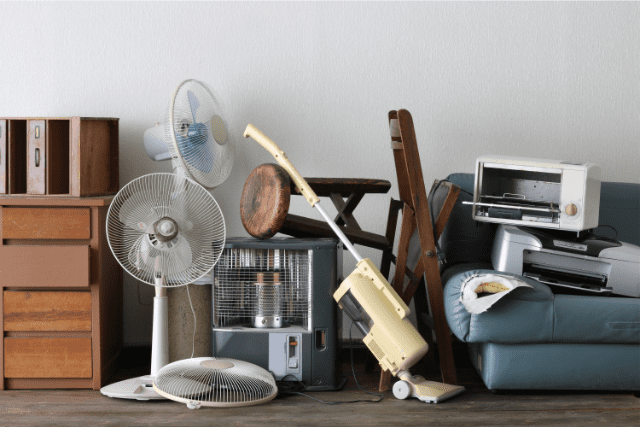
- Recycle: Items eligible for recycling (paper, e-waste, glass, plastics)
- Discard: Broken, expired, or impossible-to-clean goods
Decision Questions to Guide Each Choice
- Have I used this in the last year?
- Is it needed for work, safety, or comfort?
- Will keeping it help the space stay organized?
For business settings, also consider compliance and data security for document disposal.
Step 4: Assigning Places—Organizing for Access and Cleanliness
Everything kept must have an intentional, designated place. Storage solutions can make the difference between lasting organization and quick relapse. Consider:
- Labeled storage bins for closets or shelves
- Vertical file racks for active paperwork
- Clear containers for kitchen pantry or break rooms
- Locked cabinets for sensitive or dangerous items
Space-Saving Tips for Apartments, Offices, and Small Rooms
- Use over-door organizers or under-bed storage for apartments
- In offices, regularly archive electronics and rotate supplies
- For shared spaces like Airbnbs, implement labeled zones for cleaning supplies and spare linens
Effective storage supports faster, more thorough cleaning during each service or routine clean.
Step 5: Building Maintenance Habits—Long-Term Decluttering Success
Even the most effective decluttering won’t last without maintenance. Establish habits tailored to your space and schedule:
- Adopt a “one in, one out” rule for supplies and personal items
- Schedule quarterly check-ins to reassess problem zones
- In offices, assign rotating “tidy-up days” to team members
- Maintain a family or roommate checklist for shared areas
When to Consider Professional Support
Professional cleaners can help address deep-seated clutter and support with regular maintenance. Spaces like event venues, large offices, and busy rental units may benefit from recurring commercial cleaning services—especially before special events or tenant turnovers.
Decluttering and Cleaning: How the Process Accelerates Hygiene and Safety
Decluttering is not just about aesthetics—it directly impacts cleanliness. For example, fewer objects mean fewer surfaces to harbor dust or germs. This is especially critical in environments prone to norovirus or similar pathogens (CDC on norovirus cleaning).
- Clear counters in kitchens and bathrooms enable thorough disinfection.
- Organized storage prevents item cross-contamination.
- Simplifies the checklists for both DIY and professional cleaners.
If booking a cleaning service, pre-decluttering maximizes the value—faster cleaning, fewer missed spots, and better results.
Room-by-Room Decluttering Strategies for Different Property Types
The 5-Step Decluttering Process adapts to every setting:
- Homeowners: Focus on living rooms, bedrooms, kitchens, and garages.
- Tenants/Airbnb Hosts: Streamline guest spaces, closets, and bathrooms for faster turnovers.
- Property Managers/Landlords: Use the process before move-in/move-out cleaning appointments.
- Business Owners: Prioritize reception areas, employee break rooms, and supply storage.
Special Environments
For specialized facilities (gyms, salons, education centers), decluttering is vital to meet health codes and streamline regular cleaning. See beauty salon cleaning or education facility cleaning for more.
Establishing a Decluttering Frequency That Works for You
There’s no universal rule for how often to declutter, but several patterns are effective:
- Every 3–6 months for homes and apartments
- Monthly for shared office spaces or rental units
- After seasonal changes (spring/fall) or major life events (move, new job)
Tracking Progress
Use a simple log or checklist to mark each completed zone and maintain motivation. Combine decluttering with routine or deep cleaning appointments for best results.
Checklist: Pre-Cleaning Decluttering Steps Before Booking Professional Services
Professional cleaners work most efficiently when spaces are decluttered ahead of time. Use this pre-cleaning decluttering checklist:
- Clear all surfaces of paperwork, mail, and miscellaneous items
- Put away laundry, clothing, or linens
- Sort and remove items from floors, especially in corners or behind doors
- Organize kitchen counters and remove expired food
- Empty wastebaskets and recycling bins
- Communicate specific areas of concern to your cleaning team
For tips on preparing your home, see home preparation for cleaning.
Decluttering Frameworks: Which Approach Works Best?
The 5-Step Decluttering Process is effective, but some people prefer additional frameworks:
- The “Four-Box” Method: Keep, Donate, Store, Toss
- Minimalist “One Area at a Time” routines
- 15-Minute Timed Sprints per task
- Decluttering checklists for weekly or monthly rotation (busy people’s cleaning tips)
Select the approach that aligns with your schedule and stress level. The key to success is consistency, not perfection.
Common Roadblocks and How to Overcome Them During the 5-Steps
You may encounter emotional resistance, decision fatigue, or time constraints. Solutions include:
- Enlist a friend or professional for accountability
- Break big projects into short sessions
- Set a timer and allow yourself guilt-free discards
- Use donation pick-up services to ease the process
In office settings, involve your team or rotate responsibilities to maintain fairness and motivation.
Decluttering Technology: Digital and Paperwork Clean-Outs
In today’s world, clutter often hides in digital forms:
- Old files and folders on computers
- Paper records, manuals, and outdated documents
Create regular “digital decluttering” routines just as you do for physical objects. Delete redundant files, archive essential information, and properly dispose of paper using shredding or secure disposal in business contexts.
Hygiene Benefits: How Decluttering Reduces Germs and Contamination
Cluttered spaces are harder to disinfect thoroughly. Surfaces hidden under piles of papers, clothes, or equipment may harbor bacteria and viruses. Keeping spaces decluttered supports hand hygiene and surface safety (CDC hand hygiene recommendations).
- Streamlined surfaces allow cleaners to reach all corners
- Reduces risks of missed spills or food residues
- Minimizes contact with allergens and contaminants
For property managers and hosts, regular decluttering may also help you meet hygiene standards for guest turnovers and inspections.
Success Stories: Real-Life Decluttering Wins in Chicago Homes and Offices
Whether it’s a family preparing a home for new arrivals or a business updating a cluttered reception area, the results of tidy, clearly organized spaces are always notable. Clients often report:
- Less stress and reduced anxiety
- Faster, more consistent cleaning outcomes
- Increased team accountability in offices
- Better guest reviews in rental properties and Airbnbs
Chicago’s diverse housing and business landscapes mean each project is unique. Quick Cleaning adapts the 5-Step Decluttering Process to fit apartments, lofts, offices, and special facilities around the city for optimal impact.
Quick Reference: Room-by-Room Decluttering Ideas
- Kitchen: Clear countertops, purge duplicate or seldom-used gadgets, organize pantry by expiration date.
- Bathroom: Toss expired cosmetics and old towels, use clear bins for toiletries.
- Living Room: Store remotes in baskets, minimize decorative items, arrange cords.
- Bedroom: Restrict nightstand items to essentials, rotate seasonal clothing.
- Office: Archive old files, centralize supplies, reduce desktop clutter.
For more specific tips, see our refrigerator organizing advice.
FAQ: Frequently Asked Questions About the 5-Step Decluttering Process
- Is the 5-Step Decluttering Process suitable for both homes and commercial properties?
- Absolutely. The framework adapts to residential, rental, and business environments, with step-by-step sorting, decision making, and storage for every type of space.
- How long does it usually take to apply the 5-Step Decluttering Process?
- Timelines depend on clutter levels. Small rooms can be addressed in an hour, while larger or more crowded areas might need a longer session or multiple days. Breaking projects into manageable segments ensures progress.
- Do I need to finish all five steps in one day?
- No. It’s perfectly acceptable (and often more effective) to tackle each step over several days. Consistency is key to long-term results.
- Should I declutter before my scheduled professional cleaning?
- Yes. Decluttered spaces enable cleaners to access all surfaces, deliver faster service, and achieve better hygiene. Communicating with your cleaning team helps prioritize critical areas.
- What should I do with sentimental or uncertain items?
- Designate a special “undecided” box, and revisit it after a week or two. If you still don’t need or use those items, consider donating or storing them safely out of the way.
- Are there special considerations for offices or shared workspaces?
- Absolutely. Offices require secure document disposal and shared responsibility for communal areas—set up regular decluttering days and storage guidelines for all staff.
- Is it worth calling professionals for decluttering projects?
- If clutter is severe, time is limited, or special cleaning is required (such as after renovation or for health code compliance), professional cleaning and decluttering services are invaluable. Book a same day cleaning appointment if you need immediate help.
- How do I handle digital or electronic clutter?
- Regularly delete old files, unsubscribe from junk emails, and shred confidential paperwork. Create structured folders for digital documents and archive as needed.
Wrapping Up: Building Order and Comfort With the 5-Step Decluttering Process
A systematic approach to decluttering transforms overwhelming spaces into calm, functional environments. By applying the 5-Step Decluttering Process—assessment, sorting, decision-making, assigning places, and ongoing maintenance—you’ll create a healthier and more enjoyable setting for everyone.
If you’re ready to take organization a step further, professional cleaning services can provide that essential finishing touch—whether it’s a single room, a full home, or a large office. For reliable help, office cleaning service or apartment cleaning options are available to fit Chicago’s busy lifestyles.
About Quick Cleaning
Quick Cleaning is a trusted residential and commercial cleaning company serving Chicago, Illinois, and nearby communities. Our expert team specializes in recurring house cleaning, deep cleaning, move-out/move-in cleaning, office and facility cleaning—always prioritizing quality, safety, and client-focused service. We follow detailed checklists, use professional-grade supplies for each surface, and offer flexible scheduling for your peace of mind. Quick Cleaning helps households and businesses in Chicago and surrounding areas enjoy spotless, healthy spaces—no matter the challenge.

recycle, cleaning services chicago, Same Day Cleaning Chicago, Chicago Same Day Cleaning, same day cleaning Aurora, same day cleaning Summit IL, urgent cleaning Albany Park, same day house cleaning Alsip IL, emergency cleaning Hillside, urgent cleaning Bannockburn IL, last minute cleaning Rosemont