

Smart Strategies and Tips To Organize Your Refrigerator for Superior Cleanliness
Is your fridge a jumble of leftovers, produce, and forgotten jars? Whether you’re a homeowner, busy professional, Airbnb host, or manage a workplace kitchen, having an organized refrigerator makes a real difference. Proper fridge organization isn’t just about aesthetics—it’s critical for food safety, saving money, reducing waste, and creating an easy-to-maintain kitchen environment. In this guide, you’ll discover essential tips to organize your refrigerator, frameworks used by professional cleaners, advice tailored for Chicago’s changing seasons, and expert-backed hygiene strategies you can start applying today. Quick Cleaning brings you practical know-how, checklists, and decision tools for any fridge.
Assessing Your Current Refrigerator Setup
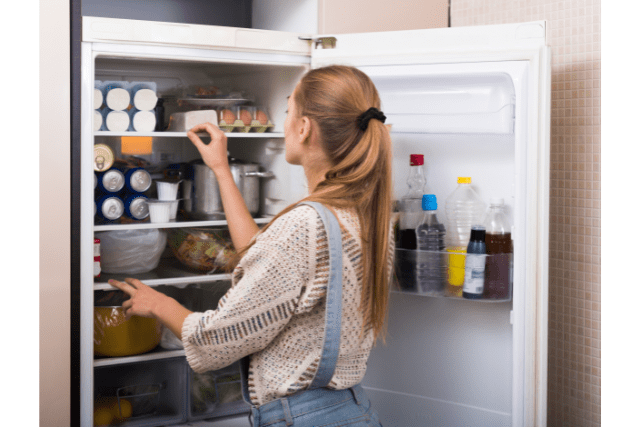
Before you reorganize, it’s crucial to understand your refrigerator’s unique layout, inventory, and trouble spots. Professional cleaning teams always start with assessment, looking for overloaded shelves, expired items, spills, and poor airflow. Take these steps to quickly assess your fridge:
- Check for spoiled or forgotten foods—remove them.
- Note which sections get crowded or sticky fastest.
- Identify any persistent odors or stains.
- Map out high and low-traffic zones, such as the main shelves, doors, and drawers.
This initial “inventory check” sets the foundation for a more efficient, customized organization.
Understanding Food Safety Zones and Temperature Control
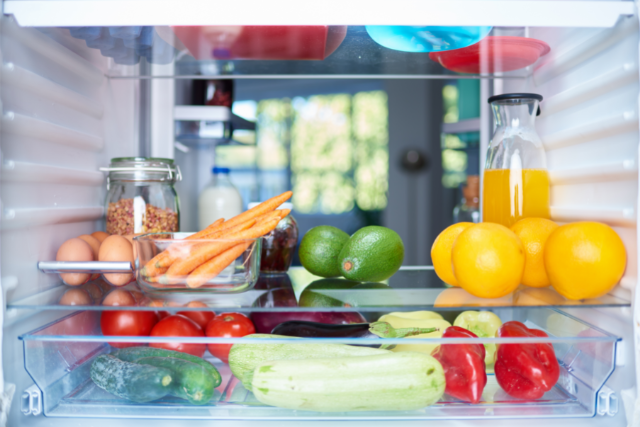
Not all areas of your refrigerator are created equal. Proper food placement is vital for household health and safety, helping to avoid cross-contamination and ensure ingredients stay fresh. Here’s a quick reference to where foods should go for optimal storage:
| Fridge Section | Temperature Range | Best for |
|---|---|---|
| Top Shelves | Consistent, slightly warmer | Dairy, leftovers, ready-to-eat foods |
| Middle Shelves | Stable | Beverages, produce in containers |
| Bottom Shelves | Coldest | Raw meats, poultry, fish (well-sealed) |
| Crisper Drawers | High humidity | Fruits (low), vegetables (high) |
| Doors | Warmest, fluctuates most | Condiments, juices, pickles |
For more detailed public health guidance, review trusted resources like the APIC Microlearning Hub, which covers kitchen hygiene in depth.
Step-by-Step Refrigerator Organization Framework
Follow this tested framework, similar to those used by professional cleaners for residential and office kitchens:
- Empty the fridge – Place contents in a cooler if needed.
- Clean all surfaces – Use food-safe cleaners and soft sponges, especially on seals and drawer corners.
- Sort items by category – Group dairy, produce, condiments, leftovers, beverages.
- Check dates and freshness – Discard expired or unrecognizable items.
- Plan shelf layout – Assign zones for each category (see previous section).
- Store with containment – Use clear bins, lazy Susans, or baskets for grouping.
- Label and rotate – Date leftovers and use the “first in, first out” method.
- Reload the fridge methodically – Heaviest items on the bottom; delicate items up top.
- Wipe spills as you go – Make short cleanups a daily habit.
Choosing the Right Storage Solutions and Containers
The right containers can simplify fridge maintenance and maximize space. Compare the most popular options:
- Clear bins: Allow quick visual inventory, keeping small items together.
- Stackable containers: Best for leftovers and meal prep; ensures airflow isn’t blocked.
- Egg holders/lid racks: Special trays for eggs or upright bottles optimize shelf real estate.
- Adjustable dividers: Useful for deep drawers or crisper customization.
- BPA-free silicone bags: Great for snacks or greens—washable and reusable.
Labeling containers helps everyone in the household or workplace know where items belong, reducing mystery leftovers and food waste.
Weekly and Monthly Refrigerator Maintenance Schedules
Consistency is key to keeping your fridge clean and organized. Here’s a maintenance breakdown used in professional settings:
- Every Week:
- Purge expired/old food items.
- Wipe down main surfaces and shelves quickly.
- Check produce for spoilage; adjust as needed.
- Organize leftovers and meal prep containers.
- Every Month:
- Fully empty and deep clean drawers/shelves.
- Wash bins and removable compartments with hot, soapy water.
- Inspect and wipe fridge gaskets and seals.
Setting calendar reminders or building cleaning into your routine (see efficiency tips for busy people) helps keep these habits sustainable.
Professional Cleaners’ Refrigerator Organization Checklist
- Wear disposable gloves and use food-safe cleaning agents.
- Always work from top to bottom to avoid recontaminating clean areas.
- Disassemble and wash removable parts thoroughly.
- Sanitize high-touch points: handles, drawers, and control panels.
- Inspect ventilation and drip trays if accessible.
- Ensure meats are well-sealed and never stored above ready-to-eat foods.
- Review temperature settings—deliver safe food storage (38°F or lower).
These steps reflect protocols followed in both homes and professional facilities, ensuring compliance with health standards.
Common Organization Mistakes That Lead to Clutter and Food Waste
Even a freshly organized fridge can slip back into chaos without the right habits. Avoid these common errors:
- Overloading the fridge, which restricts air circulation and shortens food lifespan.
- Storing raw meats above other foods, risking drips and contamination.
- Hiding perishables behind taller items—out of sight, out of mind.
- Neglecting to label leftovers, creating “mystery meals.”
- Forgetting to clean the door seals and trays, where gunk and odors build up.
Identify your household’s biggest pain points and tailor your system to prevent repeat issues.
Special Organization Tips for Small Fridges, Families, and Shared Kitchens
Small Apartment or Dorm Fridges
- Use over-the-shelf baskets to add layers.
- Opt for multi-purpose containers to save space.
Family Homes with Children
- Create a “grab and go” snack bin on the lower shelf for easy access.
- Use color-coded containers for allergy management.
Shared & Workplace Kitchens
- Label all items with name and date.
- Designate shelves for individual users or teams.
- Post a quick-reference organization diagram on the fridge.
Preventing Odors, Mold, and Cross-Contamination
Odors and mold can accumulate quickly, especially during warm, humid Chicago summers. Prevention steps include:
- Store an open box of baking soda on a shelf to absorb odors.
- Clean up leaks and spills immediately.
- Keep leafy greens and berries dry until use to prevent mold.
- Run a monthly check of fridge seals and tray drains.
- Reference food safety guidelines from EPA’s Mold Guide for best practices in both homes and workplaces.
Innovative Solutions and Organization Hacks from Professional Cleaning
The pros use these advanced techniques and tools to optimize every inch of your fridge:
- Install motion-sensor fridge lights to spot messes faster.
- Use dry-erase markers on fridge doors for reminders or meal planning.
- Attach a mini “cleaning checklist” inside the door for quick reference.
- Rotate shelf assignments every season to match fresh produce cycles.
- Store items in stackable bins by meal type for quicker access during dinner prep.
Try one or two of these hacks to see a quick improvement in both organization and daily time savings.
How Chicago’s Distinct Seasons Affect Fridge Organization
Refrigerator needs shift with the weather—Chicago’s long winters and hot, humid summers each present unique storage challenges. In colder months, soups and prepped meal containers may take center stage; come summer, focus moves to fresh fruits, cold drinks, and managing moisture.
- Winter: Bulkier containers, more leftovers—use lower drawers for ready-to-heat meals.
- Summer: Increased produce, higher risk of spoilage—clear bins, paper towels in drawers, regular produce checks.
Adjust your organizational strategy seasonally for best results.
Declutter, Clean, and Maintain: Ready-to-Use Organization Checklists
Daily Fridge Upkeep Checklist
- Do a 1-minute scan for spills or expired food.
- Wipe up obvious messes ASAP.
- Return items to assigned shelf/bin after each use.
Weekly Fridge Reset Checklist
- Remove leftovers more than four days old.
- Check produce drawers and sort as needed.
- Dust and wipe door handles and controls.
- Refill or replace baking soda odor absorbers.
Monthly Deep Clean Checklist
- Empty and wash all drawers/bins.
- Disinfect shelves, walls, and seams with food-safe agent.
- Inspect and clean interior lighting and gaskets.
- Confirm temperature and humidity settings.
For a step-by-step space overhaul, see our 5-step decluttering process.
Integrating Refrigerator Cleaning Into Your Overall Cleaning Plan
Don’t let your refrigerator fall off the radar during regular cleaning days. Professionals recommend including fridge organization in your kitchen appliance deep clean and syncing with household routines. Aligning fridge resets with shopping days or meal prep saves you time and helps maintain order.
If you ever require help beyond your regular routine, deep cleaning services are available for kitchens and appliances in both residential and business environments.
What To Do With Hard-to-Store and Specialty Items
Gel ice packs, oversized trays, and special dietary products all present unique storage challenges. Try these solutions:
- Designate a “special items” bin on a low shelf—keep it well-labeled.
- Store large platters vertically between dividers.
- Use drawer space for specialty condiments or food allergies—color code as needed.
Safety, Hygiene, and Food Handling: What the Experts Advise
Maintaining hygiene goes beyond cleaning—safe food handling is essential to protect your household or staff. Always:
- Wash hands before and after handling the fridge contents.
- Disinfect touchpoints regularly.
- Separate raw and ready-to-eat foods at all times.
- Monitor temperature with an appliance thermometer.
- Follow public health best practices, referencing organizations like APIC for up-to-date guidance.
Expert Answers: Refrigerator Organization FAQ
How often should I deep clean my refrigerator?
Aim for a deep clean every four weeks, or more often if spills and food waste are common.
Can I store meat anywhere in the fridge?
No, always store raw meats on the lowest shelf in a sealed container to prevent drips and potential contamination.
How do I eliminate persistent fridge odors?
Remove spoiled items, clean all surfaces with mild cleaning agents, and keep baking soda inside to absorb residual smells.
Is it safe to keep dairy or eggs on the fridge door?
For best quality, keep these on middle shelves where temperatures are more stable.
Why do my fruits and vegetables spoil quickly?
High humidity in the crisper drawer suits vegetables, while a lower setting is ideal for fruit—avoid washing produce before storage to prevent extra moisture.
Should leftovers be covered before going in the fridge?
Yes, always use airtight containers to prevent odors and bacteria spread.
How can I make fridge cleaning less of a chore?
Adopt daily micro-tasks, such as wiping small spills and organizing post-grocery shopping, to keep the process manageable.
Are all containers safe for fridge storage?
Choose food-grade, BPA-free containers for both safety and durability.
How can I organize my fridge for a large family or shared space?
Use labeled bins or shelves by user, and review shared organization frequently to avoid neglected messes.
Where can I learn more about best cleaning practices?
Explore further with our post Best Ways to Avoid Germs.
Bringing It All Together: Your Organized Fridge Action Plan
Organizing your refrigerator isn’t a one-time event—it’s a routine that saves time, reduces waste, and boosts household or workplace health. Apply these step-by-step tips to organize your refrigerator, use professional-grade checklists, and adjust routines to seasonal needs. By prioritizing a clean, organized fridge, you’re investing in food safety and everyday efficiency. If your schedule ever gets too tight or a kitchen deep-clean is overdue, remember that Quick Cleaning is committed to helping Chicago’s homes and facilities stay at their best.
About Quick Cleaning
Quick Cleaning is a leading cleaning company serving households and businesses throughout Chicago, Illinois and surrounding areas. Our trained professionals specialize in recurring house cleaning, deep cleaning, move out cleaning, office cleaning, and facility-specific solutions. With a focus on consistent quality, transparent communication, and safety, we help clients maintain clean and healthy spaces. Choose Quick Cleaning for dependable expertise and friendly service, every time.

chicago cleaning company, Same Day Cleaning Chicago, Same Day Cleaning Services Chicago, same day cleaning Itasca, emergency cleaning Des Plaines, same day house cleaning Bensenville, last minute cleaning Franklin Park, same day cleaning Lansing IL, same day apartment cleaning Vernon Hills, same day clean Bucktown IL