
Mastering the Hardest to Clean Appliances: Professional Strategies for Spotless Results
We all love our appliances—they save us time, effort, and make our modern lives possible. But maintaining them isn’t always straightforward. Some appliances, like ovens, refrigerators, coffee makers, and washing machines, seem designed to resist simple cleaning efforts. This guide is crafted for homeowners, tenants, business managers, and anyone researching professional cleaning services who want to understand exactly why appliances are so hard to clean and how expert cleaners approach each challenge. Quick Cleaning delivers a practical, detailed framework so you can tackle these persistent cleaning tasks with confidence, whether in a home, office, Airbnb, or commercial setting.
Understanding What Makes Certain Appliances So Challenging to Clean
Not all appliances are created equal when it comes to cleaning. The hardest to clean appliances are usually those exposed to grease, moisture, hidden crevices, or heavy everyday use. Let’s break down why:
- Complex parts: Internal fans, removable trays, and built-in filters trap grime where it’s hard to reach.
- Persistent soils: Grease, soap scum, hard water deposits, and burnt-on food require different cleaning agents and methods.
- Sensitive surfaces: Touch screens, seals, and specialty coatings are easily damaged by harsh products or rough scrubbing.
- Hygiene risks: Mold, bacteria, and allergens can accumulate quickly in moist or neglected spaces.
Understanding these unique challenges helps you select the right methods and supplies for each appliance.
Which Appliances Are the Toughest? A Ranked Shortlist
Based on Quick Cleaning’s experience in Chicago households and businesses, the following appliances present the toughest cleaning challenges:
- Ovens and Ranges
- Refrigerators and Freezers
- Dishwashers
- Microwave Ovens
- Coffee Machines and Kettles
- Blenders and Food Processors
- Washing Machines
- Dryers (filters, vents)
- Range Hoods and Exhaust Fans
- Air Conditioning Units (filters and coils)
Each of these requires a meticulous, step-by-step approach for true cleanliness and hygiene.
Why DIY Cleaning Fails: Hidden Pitfalls in Tricky Appliances
It’s tempting to use standard cleaning sprays or quick wipes, but the hardest to clean appliances often resist these shortcuts. Common reasons for DIY failure include:
- Missed spots: Hidden crevices and seals can trap dirt that escapes regular attention.
- Incorrect products: Using the wrong cleaning solution can damage surfaces or leave behind residues.
- Ineffective tools: Standard sponges or cloths rarely get into vents, fans, or around delicate components.
- Inadequate frequency: Build-up becomes harder to remove when not addressed regularly.
That’s why professional cleaners use checklists, protocols, and specialized equipment for each appliance.
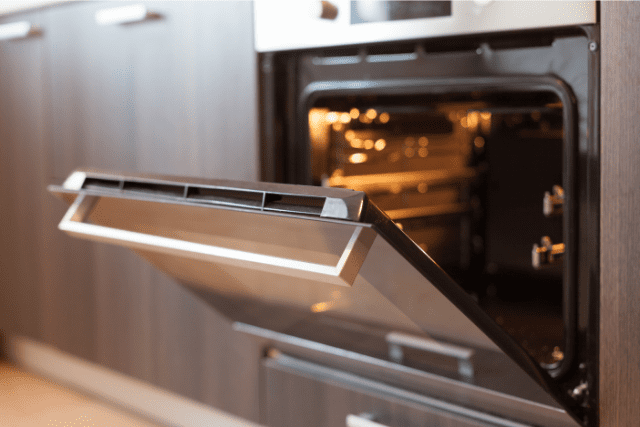
Ovens and Ranges: Tackling Grease and Burnt-On Buildup
The oven is notorious for stubborn, baked-on grease. Here’s how pros break it down:
Step-by-Step Oven Cleaning Checklist
- Remove all racks and soak in a degreaser solution.
- Vacuum out crumbs and loose debris with a crevice tool.
- Apply a non-caustic oven cleaner to interior surfaces, avoiding heating elements.
- Let the product dwell as recommended (usually 15–30 minutes).
- Scrape off residue gently with a plastic scraper or non-abrasive pad.
- Wipe down with a microfiber cloth and rinse thoroughly.
- Clean glass door with a glass-safe cleaner.
- Don’t neglect the knobs, control panels, and door seals.
Tip: If you have a self-cleaning oven, follow the manufacturer’s safety instructions.
For stubborn grime, eco-friendly cleaning agents can be both safe and effective when used properly.
Refrigerators: Dealing with Spills, Odors, and Mold Growth
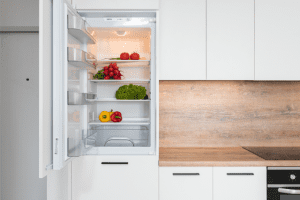
Refrigerators are prone to food spills, sticky shelves, and hidden mold. Here’s a focused cleaning protocol:
- Empty all contents. Compost spoiled food.
- Remove shelves and bins; wash them in warm, soapy water.
- Wipe down rubber gaskets with a mild disinfectant.
- Address built-up odors by placing an open box of baking soda inside after cleaning.
- Dry all parts before reassembly.
For advanced tips on refrigerator organization and hygiene, see refrigerator organization tips.
Dishwashers: Preventing Mineral Build-Up and Hidden Residues
Keeping a dishwasher fresh goes beyond cleaning the filter. Mineral deposits and soap scum collect in spray arms and seals. Best practices include:
- Clean the filter weekly to remove food debris.
- Wipe door seals and outer edges to prevent mold.
- Run an empty hot cycle with a cleaning tablet or a cup of white vinegar monthly.
- Use a toothbrush to dislodge residue from spray holes.
Proper maintenance ensures both hygiene and appliance longevity.
Microwave Ovens: Rapid Buildup of Food Splatters and Odors
Microwave splatters become stubborn if ignored. Here’s Quick Cleaning’s simplified three-step process:
- Place a microwave-safe bowl with water and lemon slices inside; heat for 3–5 minutes to loosen grime with steam.
- Wipe all interior surfaces with a soft cloth.
- Use targeted microwave stain removal methods for tough spots.
Remember interior vents and removable turntables!
Coffee Machines and Kettles: Descaling and Sanitizing
Coffee oils, minerals, and mold make these appliances a hygiene priority. Pros recommend:
- Descale monthly with a specific descaling solution or a vinegar-water mix.
- Disassemble removable parts and wash thoroughly.
- Run a full cycle with clean water to rinse any residues.
- Wipe exterior surfaces with a food-safe cleaner.
Be cautious: improper cleaning can alter taste and shorten appliance life. For reference, Airbnb’s Quickstart Cleaning Guide includes key best practices for hospitality-grade appliance hygiene.
Washing Machines and Dryers: Mold, Lint, and Unseen Problems
Washing machines collect detergent residue and harbor mold; dryers hide lint and dust:
- Monthly: Run a hot cycle with a washing machine cleaner.
- Wipe door seals and dispensers—these trap moisture.
- For dryers, clean the lint filter every load; deep clean vents seasonally.
Neglecting these chores is a leading cause of reduced efficiency and household odors.
Range Hoods and Exhaust Fans: Grease Traps You Didn’t Know Existed
Kitchen hoods trap airborne grease and dust, contaminating the kitchen if left unchecked.
- Remove and soak filters in degreasing solution monthly.
- Wipe housing, switches, and fan covers with a non-abrasive cleaner.
- For persistent grease, use a professional degreaser.
- Inspect and clear ducting where accessible.
Routine hood cleaning is recommended for restaurant settings. For specialty needs, see Restaurant cleaning.
Air Conditioning and Ventilation Units: Hidden Dust and Allergens
ACs and ventilation systems harbor invisible dust, pollen, and mold.
- Replace or wash filters quarterly (more often with pets or allergies).
- Vacuum air vents with a brush attachment.
- Disinfect grilles and access panels with a safe cleaner.
Professional cleaning is vital in offices and special facilities. For guidance, see Office cleaning solutions.
Essential Tools and Cleaning Agents: What Professionals Rely On
Pros use a targeted kit for each appliance type. Here’s a quick comparison of essential items:
| Appliance Type | Key Tools | Recommended Cleaning Agents |
|---|---|---|
| Oven | Crevice brush, scraper, microfiber, gloves | Degreaser, baking soda paste, non-caustic cleaner |
| Refrigerator | Non-scratch sponge, detail brush | Mild detergent, disinfectant |
| Dishwasher | Old toothbrush, spray bottle | White vinegar, cleaning tablet |
| Microwave | Soft cloth, bowl for steaming | Lemon juice, mild soap |
| Coffee Maker | Bottle brush, microfiber | Vinegar or descaler |
| Washer/Dryer | Vacuum, cleaning wipes | Washer cleaner, mild disinfectant |
| Range Hood | Soaking tub, soft brush | Degreaser, dish soap |
| AC/Ventilation | Vacuum (HEPA), fine brush | No-rinse coil cleaner |
Step-by-Step Deep Cleaning Framework: Customize for Your Needs
Every appliance has its quirks, but professionals use a proven system:
- Power down and unplug the appliance (for safety).
- Remove all detachable parts and accessories.
- Soak or pre-treat removable components with the appropriate cleaner.
- Apply targeted cleaning solutions to soiled interior areas.
- Let products dwell long enough to break down grime (especially for burnt-on or built-up deposits).
- Scrub gently but thoroughly with dedicated tools.
- Wipe or rinse all surfaces, avoiding excess moisture near electronics.
- Sanitize high-touch areas and reassemble.
Consistency is key. Consider a monthly or quarterly deep clean based on usage and hygiene needs.
Commercial vs. Residential Cleaning: What’s Different About Appliance Care?
Appliances in business settings—restaurants, gyms, offices, Airbnbs—must meet higher standards of hygiene and cleanliness.
- Frequency: Commercial appliances require deep cleaning more often.
- Regulations: Many industries set standards for disinfection and maintenance.
- Scale: Larger or specialized appliances demand robust equipment and more labor.
- Safety: Proper use of PPE and documentation is essential in high-traffic settings.
Both home and business users benefit from partnering with professionals trained for the right context—see options for Airbnb cleaning or Commercial cleaning.
Safety First: Protecting Surfaces, Appliances, and Yourself
Appliance cleaning involves both chemical and electrical hazards:
- Always consult manufacturer’s cleaning guidelines before use.
- Test cleaning agents on a hidden spot to avoid discoloration.
- Wear gloves, goggles, and ensure proper ventilation when using chemicals.
- Unplug appliances before cleaning interiors or water-exposed areas.
- Avoid harsh abrasives that can scratch stainless steel or enameled surfaces.
Maintaining these precautions helps extend both appliance and user safety.
Environmentally Friendly Cleaning: Safer Products and Green Practices
Eco-conscious appliance cleaning is rising in popularity. To reduce your environmental impact:
- Choose biodegradable or plant-based cleaning agents when possible.
- Minimize single-use wipes and opt for reusable microfiber cloths.
- Dispose of waste water safely, especially when descaling appliances.
- Check for safer, EPA-approved options in the EPA’s product list.
Green methods protect your family, staff, and the planet.
Signs It’s Time for a Professional Cleaning Service
Despite your best efforts, some situations require expert help:
- Persistent odors or stains after multiple cleanings
- Mold or mildew keeps returning
- Allergies, sensitivities, or food safety concerns
- Heavy commercial use or post-event deep cleaning needs
- Time constraints—when DIY efforts aren’t practical
Quick Cleaning’s team in Chicago is trained in deep cleaning and same-day support for busy households and businesses. Interested in scheduling recurring treatment or urgent appliance care? Same day cleaning services are available for many scenarios.
How to Choose the Right Cleaning Company for Your Appliances
Selecting a qualified cleaning partner ensures top-notch results:
- Ask about the company’s protocols for your toughest appliances.
- Request references or customer reviews specific to appliance cleaning.
- Verify the use of professional tools, eco-friendly products, and checklists.
- Discuss scheduling flexibility—can they handle urgent or recurring appointments?
- Confirm transparent pricing and clear client communication.
Looking for trusted support? Quick Cleaning is always ready to answer questions and customize a solution for your household, rental, office, or facility.
Maintenance Tips: Keeping the Hardest to Clean Appliances Fresher, Longer
Regular upkeep dramatically reduces grime and extends appliance life:
- Wipe high-touch areas daily or after each use.
- Set monthly reminders to clean filters, trays, and seals.
- Address spills, crumbs, and food residue immediately.
- Leave appliance doors slightly ajar when possible to allow drying and airflow.
- Track appliance-specific tips in a log or digital note for consistency.
Use these habits to minimize the time and effort required for deep cleans, and explore more cleaning tips for busy professionals.
When Specialized Appliance Cleaning Is Essential for Health and Safety
Certain scenarios make professional deep cleaning non-negotiable:
- Food establishments, where local health codes require routine sanitizer use
- Healthcare, spa, and childcare facilities, with strict protocols for infection control
- Rental and Airbnb turnovers, demanding high-standards for guest safety
- Events or post-renovation sites, where appliances may see heavy or unusual use
Partnering with a specialist gives both peace of mind and compliance with local regulations.
Appliance Cleaning Comparison: Professional vs. DIY Results
Here’s a quick reference comparison to help determine whether to tackle appliance cleaning yourself or bring in the pros:
- DIY: Cost-effective, but often takes more time with mixed results for deep grime or internal parts. Risk of missed spots or accidental damage is higher.
- Professional: Faster, systematic, and more thorough, especially with experience, industry-rated products, and a trained eye for hidden issues.
For property managers, business owners, and busy families, the investment in a professional service pays off in both time saved and peace of mind.
FAQ: Hardest to Clean Appliances
- How often should I deep clean my oven?
Ideally, every 3–6 months for average home use, or more often in commercial kitchens. - Is it safe to use vinegar in all appliances?
Vinegar is safe for many but can damage rubber seals and electronics in some machines. Always check your manufacturer’s recommendations. - What’s the number one overlooked appliance area?
Door gaskets, seals, and hidden trays are commonly missed during standard cleaning—resulting in odor or mildew issues. - Can professional cleaning remove mold in washing machines?
Yes, trained teams use specialty products and techniques for effective mold removal and prevention. - Should I empty my refrigerator for every cleaning?
For deep cleaning, yes. Surface wipes can be done with food inside, but full disassembly is best for hygiene. - How do I know when to call a professional?
If odors, mold, or stains persist after multiple attempts, or if regular cleaning disrupts your schedule, it’s time for expert support. - Are green cleaning products as effective?
Modern eco-friendly agents work very well for most cleaning tasks. Ensure you use certified, appropriate products for sensitive appliances. - Is it more important to clean appliances at home or work?
Both are crucial—commercial spaces face higher hygiene standards while home environments impact health and wellbeing daily. - Can professional cleaning extend the life of appliances?
Yes, routine deep cleaning reduces wear, prevents buildup, and helps appliances operate more efficiently. - Where can I get additional cleaning tips?
Check out Quick Cleaning’s informational hubs for deeper guides on appliance care and cleaning strategies.
Summary: Taking Charge of Your Toughest Appliance Cleaning Challenges
The hardest to clean appliances present real headaches for even the most diligent homeowners and business operators. With a framework in hand—from targeted checklists to essential tools—you’re ready to address grease, grime, mold, and hidden debris wherever it hides. For bigger jobs or recurring support, trusted pros like Quick Cleaning bring expertise, flexible scheduling, and peace of mind.
If you need expert help for house, apartment, or commercial appliance care, book a cleaning service or explore ongoing support for rental property appliances. Our Chicago specialists are here to help households, property managers, and businesses achieve the highest standards of cleanliness.
About Quick Cleaning
Quick Cleaning is a trusted residential and commercial cleaning company serving Chicago, Illinois and the surrounding region. Our trained professionals specialize in recurring house cleaning, deep cleaning, move out cleaning, office and special facility cleaning. With a focus on quality, consistency, safety, and transparent customer relationships, Quick Cleaning helps households and businesses keep their spaces—and their hardest to clean appliances—in top shape.

all-purpose cleaner, cleaning service, Same Day Cleaning Services in Chicago, Same Day Cleaning Chicago, same day cleaning Countryside IL, same day apartment cleaning Summit IL, same day clean La Grange, same day cleaning Bradley IL, emergency cleaning River Grove IL, same day cleaning South Loop, same day apartment cleaning West Loop