Comprehensive Strategies for Keeping Your Spa Clean
Maintaining a pristine spa environment is crucial for ensuring client satisfaction, safety, and the longevity of your equipment and facilities. Whether you operate a day spa, manage a wellness retreat, or lease space to beauty professionals, keeping your spa clean involves more than just wiping down surfaces. This guide will break down the key processes, industry best practices, professional checklists, and decision points every spa owner or manager should understand. You will learn proven methods for keeping your spa clean, how to identify hygiene priorities, options for service types, and what to look for when choosing a professional cleaning company. Quick Cleaning’s commitment to attention to detail and consistent standards is reflected throughout this guide, supporting those in Chicago, Illinois and beyond.
The Critical Zones: Where Spa Cleanliness Starts
Certain areas within any spa demand higher cleaning frequencies and attention to detail. Understanding these zones is the first step toward effective hygiene management. For most spas, high-touch and high-traffic zones are:
- Reception desks and waiting lounges
- Locker rooms, showers, saunas, steam rooms
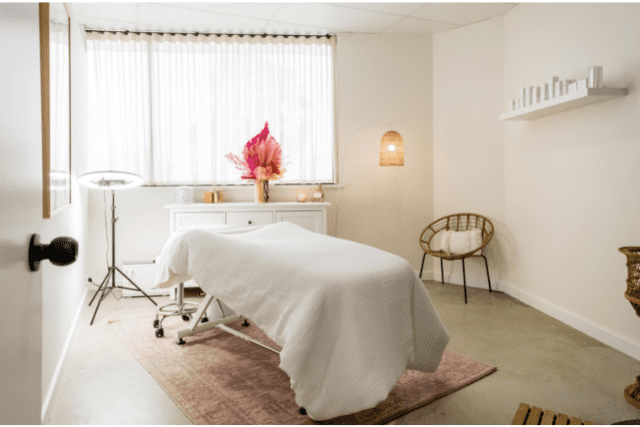
- Treatment beds and massage tables
- Restrooms and changing areas
- Reusable equipment (hot stones, massage tools, beauty instruments)
- Hydrotherapy tubs and pools
Each of these areas harbors unique risks, from cross-contamination to slip hazards. For instance, showers and saunas can accumulate mold, while reception areas often collect invisible bacteria from countless hands. Establish a clear zoning map for your spa and update it as services expand.
Daily Spa Cleaning: Step-by-Step Routine
Implementing a reliable daily cleaning routine helps control pathogens and maintains your spa’s reputation. Here’s a breakdown of essential daily cleaning tasks for spa facilities:
- Disinfect high-touch surfaces (door handles, touch screens, counters) every 2-4 hours
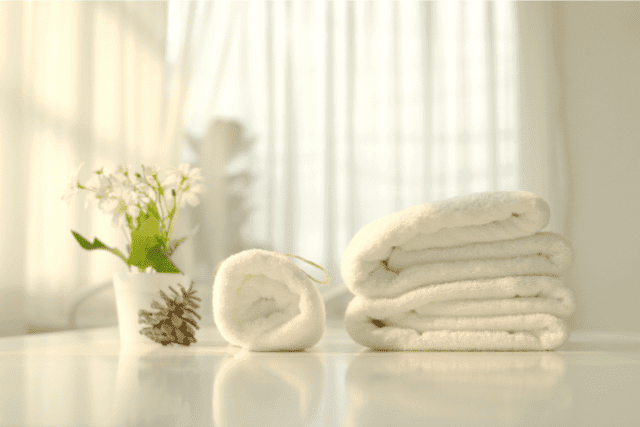
- Replace towels and robes after every use; launder at proper temperatures
- Sweep and mop floors, paying close attention to wet zones
- Empty trash and sanitary bins, replacing liners
- Sanitize restrooms using effective, spa-safe disinfectants
- Check and top up hand sanitizer and soap dispensers
- Wipe down treatment chairs, beds, and commonly touched equipment
Assign these duties to specific team members and use a visible checklist system to verify task completion. For staff training, referencing authoritative cleaning and disinfecting guidance from the CDC is strongly recommended.
The Deep Clean: Weekly and Monthly Spa Hygiene Tasks
While daily cleaning routines target immediate risks, periodic deep cleaning addresses slower-forming threats like mineral buildup, mold, and persistent residue. Deep cleaning at your spa should include the following steps:
- Descale and sanitize hydrotherapy tubs and jets
- Scrub grout and tile, targeting areas prone to mildew and limescale
- Thoroughly clean air vents and HVAC grilles
- Polish glass partitions, mirrors, and light fixtures
- Machine-wash removable upholstery and curtain fabrics
- Deep-vacuum carpets, focusing on edges and under furniture
- Perform inventory and clean/disinfect reusable instruments
Schedule deep cleans at lower-traffic times to minimize interruption. Track when each area was last addressed and update your protocols as necessary for seasonal changes or after special events.
Comparing Professional Spa Cleaning vs. DIY
The choice between outsourcing spa cleaning or keeping it in-house impacts quality, safety, and overall cost-efficiency. Here is a comparison to help you assess each option:
| Criteria | Professional Spa Cleaning | DIY/Staff Cleaning |
|---|---|---|
| Expertise & Training | Trained staff, uniform protocols | Relies on available staff knowledge |
| Consistency | Checklists and standardized QC | Varies with staff turnover |
| Equipment & Products | Commercial-grade, surface-specific | Dependent on what’s on hand |
| Scheduling | Flexible, including off-hours | Must align with staff shifts |
| Risk Mitigation | Insurance, compliance, safety focus | May lack formal safeguards |
| Cost Control | Predictable pricing, contracts | Uncertain: wages, supplies, errors |
A mixed approach is common—professional deep cleaning with daily upkeep by spa staff. Evaluate your needs regularly.
Key Checklists for Keeping Your Spa Clean
- Treatment Room Prep: Disinfect table, replace linens, check product stock
- Locker/Shower Area: Clean benches, floor drains, and touchpoints; replenish supplies
- Hydrotherapy Zones: Test and balance water chemistry, scrub all surfaces, drain and refill as necessary
- Reception: Sanitize payment systems, seating, and retail displays
- Restrooms: Thoroughly disinfect toilets, sinks, dispensers, and door hardware
- General: Update and display cleaning schedules for clients and staff to view
Using clear, posted checklists assures accountability and signals to guests that cleanliness is a core value at your spa.
Understanding Spa Cleaning Products and Tools
Selecting the right products is as important as regular cleaning itself. Some spas prefer eco-friendly or hypoallergenic solutions, while others require hospital-grade disinfectants. Points to consider:
- Are ingredients safe for your clientele (allergies, sensitivities)?
- Are products compatible with spa materials (e.g., stone, tile, glass, wood)?
- Do cleaning agents meet public health guidelines?
- Are staff trained to use each product correctly?
Leverage recommendations from industry-trusted personal care cleaning solutions when evaluating new brands or methods. Always ensure clear labeling and storage protocols in staff areas.
Safety and Hygiene Protocols for Spa Facilities
Maintaining a safe environment goes beyond appearance. Your spa should have policies for:
- Regular hand hygiene for staff and clients
- Immediate response to spills or bodily fluid incidents
- Isolation of contaminated linens and tools
- Clear signage around hygiene rules for both clients and team
- Scheduled checks of ventilation and water systems
Build these procedures into new staff onboarding and revisit them after any incident reports or regulatory updates. For the most up-to-date standards, consult CDC guidelines or your local health authority.
Reducing Cross-Contamination: Tools and Techniques
- Color-coded cloths and mop heads for different zones
- Dedicated cleaning kits for locker areas vs. treatment rooms
- Autoclaving or sanitizing reusable instruments after every use
- Disposable single-use supplies for high-risk services
Staff should be trained to recognize and respect boundaries between “clean” and “dirty” workflow to reduce the spread of pathogens. Routine audits help maintain compliance.
Frequency Guide: How Often Should Each Spa Area Be Cleaned?
Frequency depends on usage levels and spa layout, but this typical guide can help you build your cleaning calendar:
- Treatment tables/rooms: After every client
- Locker rooms/showers: 2–3 times daily, plus immediate cleanups
- Hydrotherapy tubs/pools: Daily water testing, full cleaning weekly
- Restrooms: Multiple touchpoints hourly during peak
- Reception: Hourly wipe-downs during open hours
- Floors/general: Sweeping and mopping daily
Adjust frequencies for special circumstances, such as group bookings or flu season, to minimize risk to both guests and staff.
Evaluating Air Quality and Ventilation in Spas
Poor ventilation can undo even the best cleaning plans by allowing mold and airborne pathogens to thrive. To evaluate your spa’s air quality:
- Inspect and clean HVAC filters monthly
- Monitor humidity levels and use dehumidifiers where required
- Ensure positive airflow in steam and sauna zones
- Consider UV air treatment or air purification systems for high-traffic spas
Regular maintenance in this area improves guest comfort and is often a regulatory requirement.
What to Look for in a Professional Spa Cleaning Company
Choosing a reliable cleaning partner impacts not just appearance, but compliance and reputation as well. Consider the following decision points:
- Do they train technicians specifically for spa facilities?
- Can they provide references from similar businesses?
- Are all cleaners background-checked and insured?
- Do they use documented checklists per area serviced?
- Is their scheduling flexible for your off-peak or overnight windows?
- Are products approved for spa surfaces and customer sensitivities?
For specialized needs, review programs that offer focused options like spa cleaning services. Make your choice based on both experience and flexibility.
Spa-Specific Cleaning Challenges and Solutions
- Essential Oils/Lotions: Can leave film and odors—require specialty degreasers.
- Wet Environments: Increase mold/mildew risk—use anti-fungal cleaners routinely.
- Shared Equipment: Use strict post-use sterilization protocols.
- Textiles/Linens: Wash on hot cycles; separate for spa use only.
Regular spot checks and responsive on-call cleaning can resolve issues between scheduled routines.
Client Experience: The Role of Visible Cleanliness
Your clients judge a spa’s quality as much by the cleanliness they immediately see as by the expertise they receive. A well-maintained lobby, fresh linen smell, spotless floors, and thoughtfully stocked amenities all contribute to peace of mind. Encourage feedback through suggestion boxes or digital surveys, ensuring any concerns are addressed quickly and transparently.
- Display cleaning schedules in public areas
- Stock visible hygiene supplies (hand sanitizer, wipe dispensers)
- Thank guests for any spot contamination reports
This creates an ongoing culture of cleanliness and safety.
Hygiene Protocol Updates: Adapting to Health Events and Regulations
Unexpected health events—from local outbreaks to broader pandemics—require nimble response. Create an internal communications plan that covers:
- Immediate procedure adjustment upon regulatory change
- Frequent re-training of staff on new protocols
- Open FAQs and clear signage for clients
- Pre-established partnerships for rapid-fault cleaning if exposure is suspected
Being prepared preserves your spa’s reputation and protects your staff.
Checklist: Self-Audit for Spa Cleanliness Readiness
- Are your daily and deep-clean checklists current and accessible?
- Do you track completion by area and date?
- Are products stored, labeled, and used safely?
- Is air quality monitored and maintained?
- Are client and staff feedback loops working?
Print and review this checklist monthly for ongoing improvement.
Integrating Cleaning with Other Facility Services
For spa operators sharing space with gyms, salons, or wellness centers, align cleaning schedules and cross-train teams where feasible. This ensures consistent results and makes budgeting for supplies more efficient. Tag products and equipment by use zone to avoid cross-contamination.
- Match chemical choices to all zones’ needs
- Share best practices in monthly meetings
- Standardize reporting for incidents or supply shortages
Integrated management results in safer, more attractive shared facilities—an expectation for discerning clientele.
Frequently Asked Questions: Keeping Your Spa Clean
- How often should a spa be deep cleaned?
- Most spas require deep cleaning of high-use areas at least once a week, with a full-facility deep clean monthly. Adjust based on usage and seasonality.
- Can natural cleaning products be used in spas?
- Natural or green-certified products are suitable for many areas, as long as they meet efficacy standards and are compatible with spa surfaces. Always verify product claims.
- What is the best way to prevent mold in spa showers and saunas?
- Ensure rigorous daily drying, use anti-fungal cleaners, monitor humidity, and schedule regular scrubbing of all grout, drains, and ventilation units.
- Is professional spa cleaning worth the investment?
- For larger or high-traffic spas, professional cleaning ensures consistent quality, thoroughness, compliance, and frees staff for client-focused tasks.
- Can spa staff handle all cleaning duties, or should services be split?
- Many spas use a hybrid model: professional service for deep cleans and compliance, in-house for daily tidying. This balances costs and effectiveness.
- How do clients know a spa prioritizes cleanliness?
- Clear, visible cleaning schedules, well-maintained spaces, proactive responses to feedback, and trained staff all reinforce your spa’s hygiene commitment.
- What are the signs of inadequate cleaning in a spa?
- Persistent odors, buildup in corners, soiled textiles, and visible residue on surfaces are red flags. Address any issues heard from client feedback immediately.
- Are there specialized cleaning protocols for hydrotherapy equipment?
- Yes. Follow manufacturer and health department guidance for cleaning, de-scaling, testing water chemistry, and draining/refilling according to schedule.
- Does frequency of cleaning change during health crises?
- Yes. During outbreaks, increase cleaning of high-touch areas, update procedures per health authorities, and communicate changes to staff and clients.
- How should cleaning records be maintained?
- Use digital logs or wall charts that track area, date, time, responsible person, and products used. Regular audits support safety and compliance.
Summary and Next Steps for Spa Operators
Keeping your spa clean is a structured, strategic process that protects client health, promotes peace of mind, and preserves your investment. From mapping high-risk zones and creating daily checklists to investing in professional cleaning and effective products, every action contributes to safer, more appealing spa environments. For those seeking expert support, companies like Quick Cleaning offer flexibility and reliability across all aspects of spa and specialty facility cleaning. Use the checklists and comparison tools in this guide to enhance your current routine and ensure ongoing excellence in spa hygiene and guest satisfaction.
About Quick Cleaning
Quick Cleaning is a trusted provider of residential and commercial cleaning in Chicago, Illinois and neighboring areas, specializing in recurring house cleaning, deep cleaning, move out cleaning, office cleaning, and specialized facility care such as spas. With trained professionals, flexible scheduling options, attention to high-touch zones, and the use of effective, appropriate cleaning products, Quick Cleaning helps households and businesses keep their environments healthy, inviting, and safe for everyone.

cleaning services in chicago illinois, Spa Cleaning Chicago, Medical Spa Cleaning Chicago, massage studio cleaning Joliet, spa cleaning Bradley, wellness center cleaning Glencoe, massage studio cleaning Hanover Park IL, wellness center cleaning Harvey IL, massage studio cleaning Libertyville IL, day spa cleaning Riverside