Understanding the Need for Special Products and Equipment in Event Cleaning
Hosting an event in Chicago—whether it’s a private party, corporate function, festival, or conference—means thinking about more than just good times and logistics. One key question our clients often ask is: Are special products and equipment required for event cleaning? This comprehensive guide demystifies the answer, so you’ll know exactly what’s involved in keeping venues pristine and hygienic before, during, and after events. You’ll gain expert clarity on cleaning standards, explore the equipment and products that make a difference, and learn practical tips for ensuring both safety and top-tier results. If you’re planning, managing, or booking a professional cleaning service for an event space, this is your essential resource.
What Makes Event Cleaning Unique Compared to Regular Cleaning?
Event cleaning is fundamentally different from day-to-day or recurring cleaning. Instead of servicing familiar, static environments like homes or offices, event technicians must be ready for rapidly changing spaces, heavy foot traffic, time constraints, and often unpredictable messes.
- Volume and Variety of Debris: Events produce waste like spilled food and beverages, decorations, confetti, and outdoor dirt—all requiring specialized cleaning methods.
- High-Touch, Shared Surfaces: Event venues see dozens to thousands of guests using shared restrooms, tables, entryways, and handrails, making hygiene a top priority.
- Health and Safety Mandates: Compliance with health codes and industry best practices is expected. Sometimes, local ordinances will also require certain cleaning protocols before, during, and after events.
- Strict Timelines: Cleaning windows before, during, and after events are usually tight and non-negotiable, demanding efficient teams, rapid-drying products, and agile equipment.
Key Criteria for Selecting Event Cleaning Products
Choosing appropriate products for event cleaning is influenced by several specialized factors. Not every cleaning solution is safe—or effective—across every setting, especially in public spaces or venues with varied surfaces.
- Disinfecting Power: Cleaners must eliminate not just visible debris but also invisible pathogens, especially on high-traffic surfaces.
- Surface Compatibility: Some venues feature delicate flooring, marble, or antique wood requiring non-abrasive, pH-neutral formulas.
- Safety and Allergen Awareness: Fragrance-free or low-VOC products reduce the risk of allergic reactions among guests and staff.
- Green Credentials: Many events seek eco-friendly certifications, requiring biodegradable cleaners and non-toxic supplies.
- Residue-Free Finishing: Products should leave no sticky or slippery residue, especially where large crowds will walk.
Types of Specialized Cleaning Products Used for Events
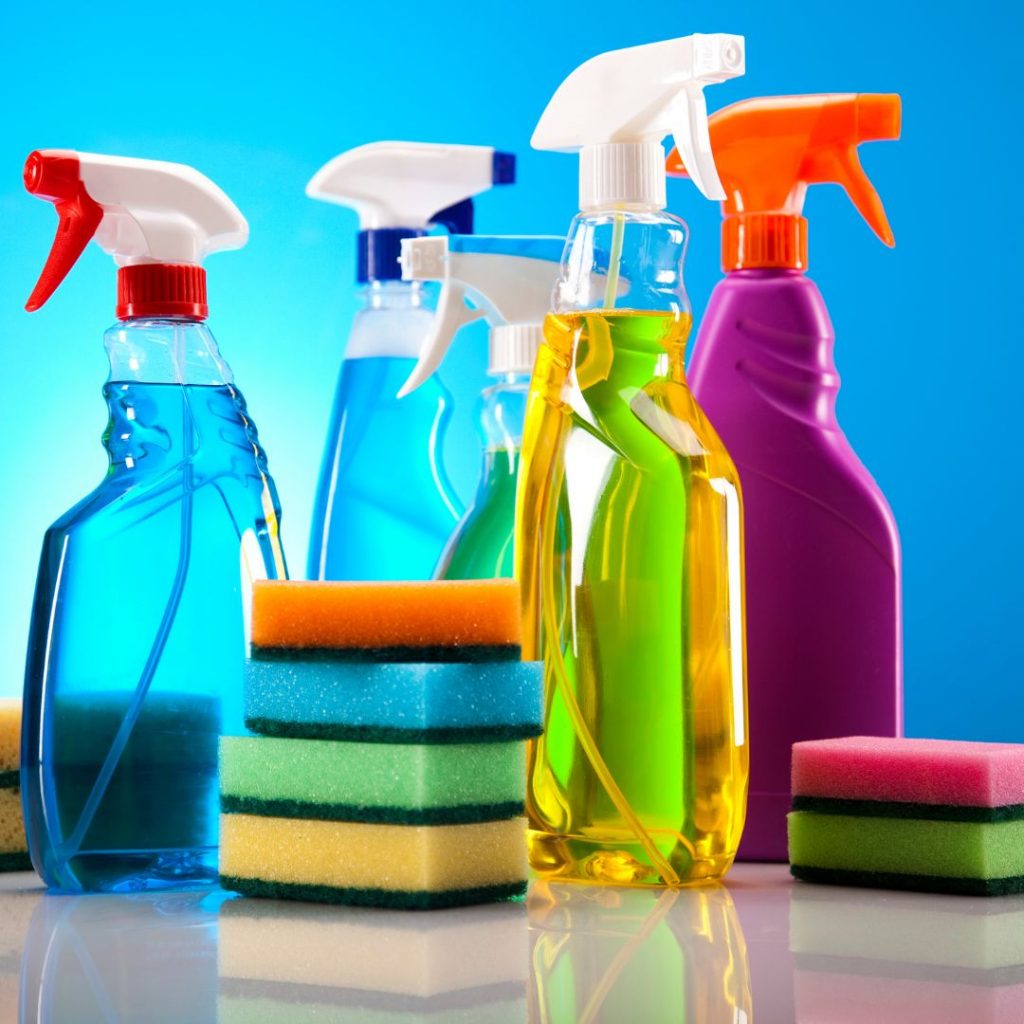
- Hospital-Grade Disinfectants: Used for sanitizing restrooms, doorknobs, and food-serving areas.
- Enzyme-Based Cleaners: Effective against organic stains from food and drink spills on carpets and upholstery.
- pH-Balanced Surface Cleaners: Essential for preserving delicate surfaces and avoiding damage.
- Anti-Allergen Sprays: Chosen for venues with sensitive guests or post-event use by children or pets.
- Green Label Solutions: Eco-friendly options for events focused on sustainability.
For standards and safety requirements on cleaning and disinfection, organizers can consult resources like the CDC’s official hygiene guidelines.
Why Professional-Grade Equipment Is Critical at Events
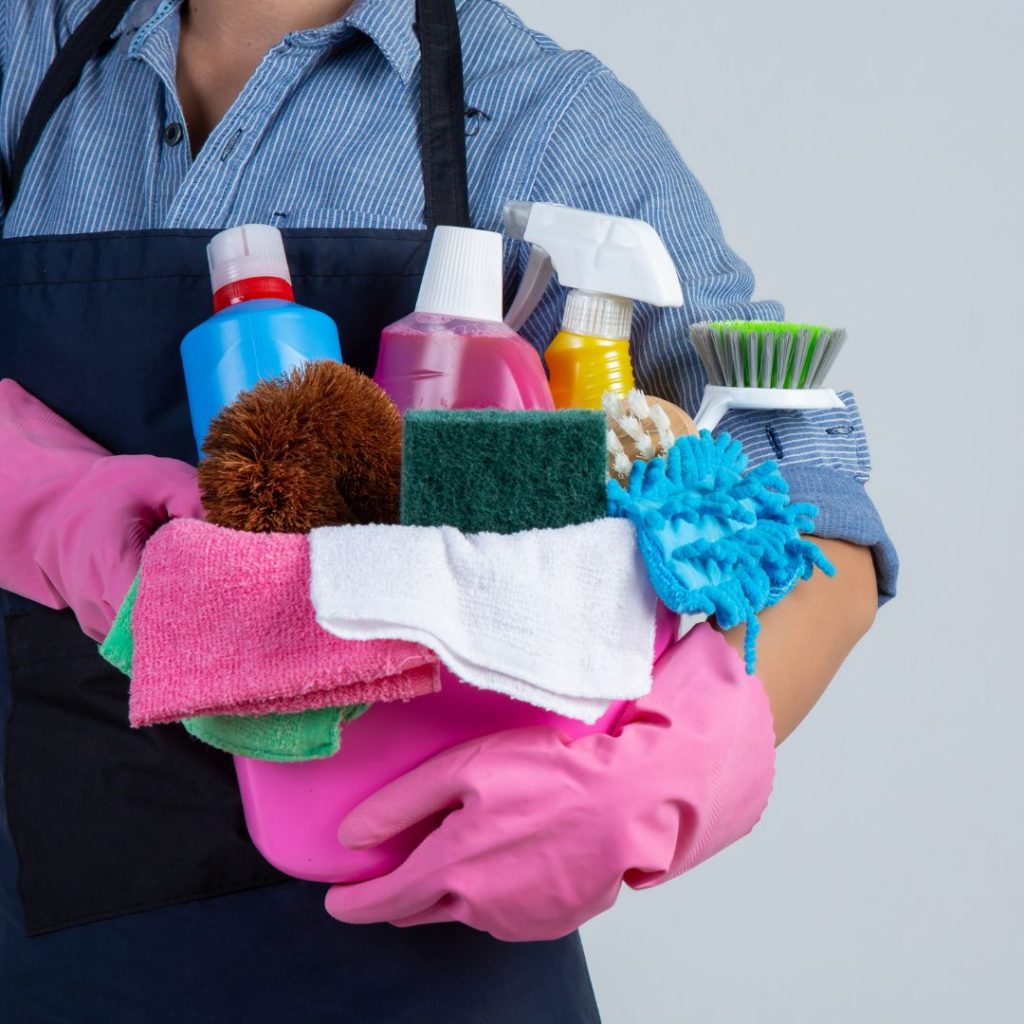
Beyond products, event cleaning relies on advanced equipment that balances efficiency, safety, and minimal disruption. The tools a professional team brings go far beyond household supplies.
- Commercial-Grade Vacuums: These machines handle large carpeted areas and high-traffic entryways swiftly, with HEPA filters for air quality control.
- Auto-Scrubbers: Electrically powered, they quickly clean, sanitize, and dry hard floors—reducing slip hazards.
- High-Capacity Trash Receptacles/Caddies: For rapid post-event waste removal.
- Electrostatic Sprayers: Even coverage of disinfectant, especially on complex or hard-to-reach surfaces.
- Portable Carpet Extractors: Ideal for large spills or stains during busy events.
- Microfiber Systems: Preferred for trapping dust and limiting allergen spread.
Professional equipment selection is aligned with industry safety recommendations such as those provided by the Event Safety Alliance.
Detailed Breakdown: Event Cleaning Equipment vs. Standard Cleaning Tools
| Cleaning Task | Event Equipment | Standard Household Tools |
|---|---|---|
| Large Area Carpet Cleaning | Commercial vacuums w/ HEPA filters, extractors | Small upright or canister vacuums |
| Floor Sanitizing | Auto-scrubbers, disinfectant sprayers | Mops, basic sprays |
| Restroom Sanitizing | Hospital-grade/steam disinfectors | Toilet brush, generic spray |
| Spot-Cleaning Spills | Enzyme spot removers, carpet machines | Paper towels, soap/water |
| Waste Handling | Heavy-duty caddies, sorting stations | Small bins, plastic bags |
| Touchpoint Disinfection | Electrostatic sprayers | Cloth and spray bottle |
Event Size, Venue Type, and Their Impact on Product & Equipment Selection
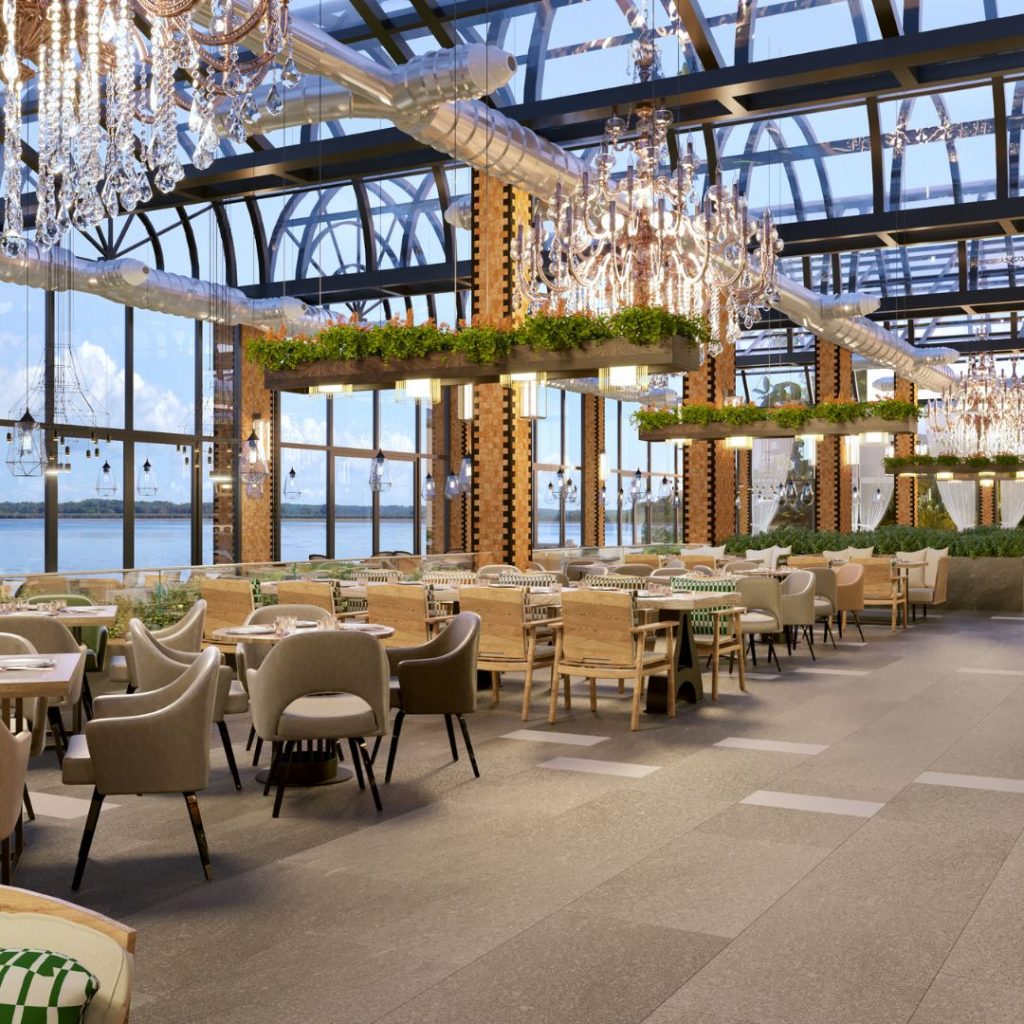
The scale and setting of an event will strongly determine what kind of specialized products and equipment are needed.
- Small Private Gatherings: May require less heavy-duty equipment but still benefit from non-toxic, fast-drying solutions.
- Corporate Conferences/Festivals: Necessitate industrial-grade machines and EPA-registered disinfectants for large crowds and shared touchpoints.
- Outdoor Events: Demand portable extraction machines, flexible trash management solutions, and weather-resistant products.
- Food-Serving Events: Mandate strict sanitizing and compliance with public health standards.
- Venues with Sensitive Surfaces: Marble lobbies or historic spaces may require pH-neutral products, microfiber-only systems, and careful vacuum selection.
Critical Protocols: Cleaning Before, During, and After an Event
Best-in-class outcomes require the right tools and supplies matched to event timing. Here’s a breakdown of what’s typically needed before, during, and after:
- Pre-Event: Dusting, surface disinfecting, floor washing, restroom setup; detailed with color-coded microfiber and appropriate cleaning agents. Review the pre-event cleaning checklist for more details on this step.
- During-Event: Spot cleaning for spills, restroom attendant services, replenishing supplies, rapid waste removal; relies on portable extraction tools and rapid-dry solutions.
- Post-Event: Deep sanitization, litter removal (often using auto-scrubbers and high-volume vacuums), fine detailing, and safe product use. For a detailed process, see the post-event cleaning checklist.
Special Considerations for High-Risk Events and Sensitive Populations
Certain scenarios call for heightened cleaning standards and product controls:
- Children or Elderly Attendees: Hypoallergenic and scent-free solutions are crucial to reduce respiratory or skin reactions.
- Medical or Religious Events: Areas may require products with stricter preparation standards or documentation of product ingredients.
- Events During Cold/Flu Season: Enhanced disinfection with fast-acting, broad-spectrum agents is a priority.
- Allergen Control: Anti-dust and anti-mold agents where allergies are anticipated.
Staff Training and Quality Assurance with Specialized Products and Equipment
Expertise is as important as supplies. Professional event cleaners like Quick Cleaning invest in regular training to ensure staff:
- Correctly use commercial-grade equipment to avoid costly damage to venue surfaces and fixtures.
- Select appropriate products for each scenario—aligning with event type, surface, and client sensitivity.
- Follow official hygiene protocols, including safety measures when using disinfectants or storing chemicals securely.
- Document and monitor cleaning effectiveness, using checklists and real-time supervision for quality control. Explore more about maintaining high standards at events at entertainment venue cleaning protocols.
Real-World Examples: Event Scenarios and Their Cleaning Demands
Here are a few real-world cases where specialized products and tools made a difference:
- Corporate Seminar with High Traffic: Used HEPA-filtered vacuums to control air quality, hospital-grade surface disinfectants for shared tech devices.
- Music Festival: Deployed auto-scrubbers on muddy outdoor floors, portable spot cleaners in tents, and heavy-duty waste caddies for overnight cleanups.
- Luxury Wedding in a Historic Mansion: Applied only non-abrasive cleaners, specialized marble polishers, and pH-neutral products to protect and restore sensitive surfaces.
Comparing Professional Event Cleaning Services and DIY Approaches
- Access to Products: Professional services use commercial, often regulated products not sold in retail stores. DIY efforts are often limited to consumer-grade brands.
- Equipment Efficiency: Time is of the essence at events—pros bring industrial machines that clean faster and more thoroughly.
- Safety Assurance: Trained teams understand chemical handling, cross-contamination risks, and emergency response—DIYers may not.
- Compliance and Documentation: Venues often require signed compliance for product use and waste disposal—professional teams manage these requirements routinely. For more, see reasons to hire cleaning professionals for your event.
Deciding What Products and Equipment Your Event Needs: A Step-by-Step Framework
- Assess the Venue: Review flooring, surfaces, and fixture types for compatibility concerns.
- Estimate Guest Volume: Higher attendance demands more robust and faster-acting equipment.
- Review Event Activities: Food, dancing, outdoor elements, and interactive displays will dictate needed products.
- Check Health and Allergy Requirements: Ask hosts/organizers about existing sensitivities or community mandates.
- Set Cleaning Timelines: Identify where rapid-dry or instant-action products are necessary.
- Choose a Provider: Work with a team that can specify their equipment list and product MSDS (Material Safety Data Sheets) upon request.
Major Regulations, Standards, and Industry Guidelines in Event Cleaning
Compliance isn’t optional. Regulations impact the types of cleaning products and machinery permitted in public spaces:
- OSHA mandates for chemical handling and safety signage.
- EPA/Eco-label requirements for green events.
- Local health department codes on restroom and kitchen sanitation.
- Adherence to cleaning, sanitizing, and disinfecting guidelines as outlined in CDC’s reference document.
- References from the Event Safety Alliance and similar authorities for best-practices.
Common Questions Venue Managers Should Ask About Cleaning Equipment and Products
- Are your solutions approved for this specific type of flooring or upholstery?
- Can your machines handle large-scale, quick-turnaround jobs?
- Will you provide documentation on chemical use for compliance purposes?
- How do you ensure quick drying to prevent slip hazards post-cleaning?
- What’s your protocol for unexpected spills or biohazards?
Want to see how professional event cleaning can protect your venue’s reputation? Read more at event cleaning and reputation.
Red Flags: Signs You Need Better Products or Professional Equipment
- Lingering odors after cleaning or stains that reappear
- Sticky or slippery floors post-mopping
- Allergic reactions reported by guests or staff
- Visible dust or debris remaining after a “cleaning” session
- Long equipment setup/teardown times delaying venue readiness
Checklist: How to Evaluate Your Event’s Cleaning Product and Equipment Needs
- Identify surfaces most at risk of damage (marble, wood, upholstery)
- Ask your provider for a product/equipment list and compatibility confirmation
- Review eco-credentials if your event has green requirements
- Ensure chemical safety and allergen policies match your guest needs
- Seek references or case studies showing similar event types
When to Upgrade: Knowing When Specialized Cleaning Makes Sense
If your event space, scale, or community has special requirements, investing in a pro team with the right products and equipment is crucial. Upgrading from household tools is necessary:
- For venues with hard-to-clean layouts or valuable assets
- If compliance or documentation is necessary for legal/safety reasons
- During heightened public health warnings or “green” mandates
- Anytime you want peace of mind for both cleanliness and reputation management
Checklist: Pre-Event, During-Event, and Post-Event Cleaning Supplies
Pre-Event Essentials
- Surface dusters (microfiber)
- High-efficiency vacuums
- Sanitizing sprays (hospital-grade)
- Glass/window cleaners
During Event
- Enzyme spot removers for quick spill response
- Trash caddies and extra liners
- Refillable sanitizer stations
- Portable extraction machines
Post-Event
- Auto-scrubbers for floor cleaning
- Electrostatic disinfectant sprayers
- Allergy-control sweeping systems
- Heavy-duty waste removal equipment
For a tailored list, refer to the post-event checklist and preparatory steps here.
Frequently Asked Questions About Special Products and Equipment for Event Cleaning
- Do all events need special cleaning products?
- No, but most public and large formal events benefit from pro-grade products, especially those with shared spaces and food services.
- Is green cleaning mandated in Chicago event venues?
- Green products are often required for eco-certified venues and preferred by many hosts, but mandates depend on the venue and event type.
- What equipment is a must-have for post-event cleanup?
- HEPA vacuums, electrostatic sprayers, portable extractors, and auto-scrubbers are standard for major venues or high-traffic events.
- Can I use regular household cleaners for a corporate function?
- While possible for very small events, professional settings usually demand stronger products and commercial machines for quality and compliance.
- Should I request a material safety data sheet (MSDS) from my provider?
- Yes. Responsible cleaning companies readily supply MSDS for all major products upon request.
- Are there restrictions on cleaning chemical use for events?
- Absolutely. Certain chemicals may be prohibited in food areas or public spaces. Find full details here.
- How do professionals avoid disrupting the event with cleaning?
- They use low-noise, quick-drying equipment and schedule cleaning for minimal guest interference.
- Is it safe to use strong disinfectants in family events?
- Pro teams select hypoallergenic or child-safe products where needed, so safety depends on both supplier choice and correct product usage.
Conclusion: How the Right Products and Equipment Ensure Event Success
Event cleaning isn’t just about visible results—it’s about health, hygiene, safety, and delivering a great guest experience. Selecting the right combination of specialized cleaning products and professional equipment minimizes risk, saves time, and helps protect the reputation of your venue or organization. If you’re ready for professional support, book event cleaning with a team that brings commercial-grade tools and expertise for every type of event. For recurring or deep facility cleaning, Quick Cleaning offers deep cleaning service and office cleaning support as well.
About Quick Cleaning
Quick Cleaning is a trusted provider of residential and commercial cleaning solutions in Chicago, Illinois. Our trained teams are equipped with advanced products and equipment to handle event cleaning, recurring house cleaning, deep cleaning, move-out cleaning, office sanitation, and more. We pride ourselves on transparency, professionalism, and a commitment to health and safety. Quick Cleaning helps households and businesses in Chicago and nearby areas keep their spaces clean, healthy, and ready for any occasion.
personal protective equipment, commercial event cleaning in Chicago, cleaning company in chicago, event cleaning Chicago, post event cleaning Chicago, Markham event clean services, North Riverside event clean services, event cleaning Glen Ellyn IL, event cleaning Algonquin, Wood Dale event cleaning, West Dundee event cleaning, Riverwoods event clean services