Cleaning Tips to Prevent Allergies: Essential Strategies for Healthier Air
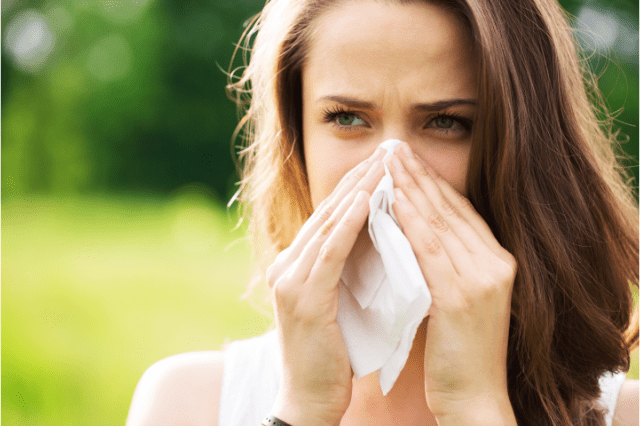
Allergy symptoms such as sneezing, watery eyes, and irritation can stem not just from the outdoors, but from hidden threats inside your home or workplace. If you’re researching the most effective cleaning tips to prevent allergies, you’re already on the right track to achieving cleaner, safer environments for yourself, your family, or your team. This in-depth guide, trusted by the experts at Quick Cleaning, covers actionable steps, pro checklists, frequency strategies, and hygiene best practices to keep allergy triggers at bay—whether you’re managing a home, an Airbnb, an office, or a specialized facility in Chicago or beyond.
Understanding Indoor Allergens: What Causes Reactions Indoors?
Many assume outdoor pollen is the main culprit of allergies, but interior spaces harbor more persistent threats. The most common indoor allergens include:
- Dust mites: Microscopic bugs that thrive in bedding, upholstery, and carpets.
- Pollen: Enters through windows, shoes, and on pets.
- Pet dander: Skin flakes and saliva from cats or dogs.
- Mold spores: Grow in damp, poorly ventilated areas.
- Cockroach waste: Found in kitchens and bathrooms.
Understanding these sources is a foundation for targeting them in your cleaning plan.
How Allergens Spread Inside Homes and Offices
Allergens don’t stay in one place. Here’s how they circulate:
- Foot traffic stirs up dust and pollen, dispersing particles into the air.
- HVAC systems and fans circulate allergens between rooms.
- Soft surfaces like drapes and cushions trap allergens, steadily releasing them back into the environment.
Recognizing these patterns helps inform your cleaning priorities, ensuring you focus efforts where they matter most.
Key Differences: DIY vs. Professional Cleaning for Allergy Prevention
While DIY efforts are essential, professional cleaning providers like Quick Cleaning offer distinct advantages against allergens:
| Aspect | DIY | Professional Cleaning |
|---|---|---|
| Equipment | Basic vacuum/mop | HEPA vacuums, steamers |
| Knowledge | Varies; often random | Trained on allergen-safe methods |
| Chemical use | May use fragrances/irritants | Allergy-friendly, suitable products |
| Coverage | Surface-level, missed spots | Comprehensive checklists |
| Consistency | Sporadic | Scheduled, detailed |
For maximum relief, combine informed DIY routines with periodic professional deep cleans, especially in high-risk seasons.
The Allergy Prevention Cleaning Checklist: Room-by-Room Strategies
Bedroom
- Wash bedding weekly in hot water.
- Encase pillows and mattresses with dust mite covers.
- Vacuum carpets and floors with HEPA-equipped vacuums.
- Avoid fabric headboards, use washable curtains/blinds.
Living Areas
- Dust furniture and electronics with damp microfiber cloths to trap particles.
- Vacuum upholstery and rugs regularly.
- Reduce clutter—objects collect dust easily (use our clutter removal hacks).
Kitchen
- Wipe surfaces and cabinet tops weekly.
- Empty and clean trash bins often.
- Address leaks and moisture quickly to avoid mold.
Bathrooms
- Scrub tiles and grout to prevent mold buildup (ventilating helps too).
- Clean shower curtains, bath mats, and frequently touched handles.
Office/Workspace
- Regularly dust computer equipment and desk surfaces.
- Keep shared spaces tidy and identify high-traffic spots for routine disinfection.
Optimal Cleaning Frequencies for Allergy Reduction
Setting the right cleaning schedule is key. Here’s a general frequency table for maximum impact:
| Task | Recommended Frequency |
|---|---|
| Vacuuming floors & carpets | 2-3 times per week |
| Washing bedding | Weekly |
| Dusting surfaces | Weekly |
| Cleaning bathrooms | Weekly |
| Air filter replacement | Every 2-3 months (or as manufacturer recommends) |
| Professional deep cleaning | Every 3-6 months |
Households with pets, allergies, or heavy foot traffic may benefit from more frequent routines. For tips on recurring cleanliness, check our guide on The Benefits of Recurring Apartment Cleaning.
Special Focus: Pet Dander and Allergy-Friendly Cleaning with Animals
- Bathe pets regularly, if safe and suitable for their breed.
- Keep pets away from beds and upholstered furniture.
- Brush pets outdoors to avoid spreading dander inside.
- Vacuum using HEPA filter attachments at least 2-3 times a week.
- Wash pet bedding weekly in hot water.
For more tricks on handling stubborn pet hair, see our pet hair cleaning tips.
Best Cleaning Materials and Tools to Trap Allergens
- HEPA-filter vacuums: Efficiently trap dust, dander, and pollen without recirculating them.
- Microfiber cloths: Capture fine dust and particles, reducing airborne allergens.
- Non-toxic cleaning products: Minimize chemical sensitivities; always avoid masking fragrances.
- Steam cleaners: Tackle stubborn dust mites and mold in carpets and textiles.
- Disposable gloves and masks: Protect yourself during heavy cleaning tasks, especially if allergic.
Quick Cleaning equips staff with these materials to ensure thorough and allergy-friendly results. For items you shouldn’t use with allergies (such as bleach in poorly ventilated spaces), see our guide: Things You Shouldn’t Clean With Bleach.
Reducing Dust: Strategies That Really Work
Dust is a major allergy culprit. To minimize it effectively:
- Declutter: Fewer items on exposed surfaces equals less dust accumulation.
- Damp dusting: Use a slightly moist cloth instead of dry feather dusters.
- Address forgotten spots: Clean behind appliances, under beds, and on ceiling fans routinely.
- Replace HVAC filters: Use high-efficiency filters and replace on schedule.
Dive deeper into dust control with our targeted resource: Ways To Reduce Dust In An Apartment.
Mold Prevention: Cleaning for Damp and Humid Environments
- Ventilate bathrooms and kitchens with fans or open windows periodically.
- Wipe down condensation on windows and tiles promptly.
- Use a dehumidifier in moisture-prone rooms.
- Inspect periodically for leaks under sinks, behind toilets, or near appliances.
- Scrub visible mold with non-allergenic agents (never mix bleach with ammonia).
Mold can pose serious risks if left unchecked. The CDC highlights the health dangers associated with persistent indoor mold and bacterial contaminants—timely, preventative cleaning is critical for allergy control.
Allergy-Proofing for Special Scenarios: Kids, Sensitive Groups, and Offices
For Children and Sensitive Individuals
- Choose fragrance-free, hypoallergenic cleaning products.
- Keep plush toys to a minimum and launder weekly.
- Enforce a “no shoes indoors” policy to keep pollen and dirt at bay.
- Avoid heavy-fabric décor that traps dust and dander.
For Offices or Commercial Spaces
- Establish a clear schedule for dusting and vacuuming shared areas.
- Clean HVAC returns and diffusers.
- Educate building users about allergy triggers—signs or memos can help promote best practices.
Signs Your Cleaning Routine Isn’t Preventing Allergies (and How to Fix It)
- Persistent stuffiness or symptoms even after cleaning may indicate missed areas or inadequate methods.
- If visible dust accumulates quickly, reassess cleaning frequency and products used.
- Mold odors suggest hidden moisture problems—conduct a thorough inspection.
- Unexplained allergy flares after vacuuming? Your machine may lack HEPA filtration.
If these issues persist, it’s time to consult a trusted cleaning company with specialized solutions. For more on optimizing your approach, our guide on cleaning mistakes offers practical guidance.
Choosing a Professional Cleaning Company for Allergy Prevention
- Ask about their approach to allergy-focused cleaning (HEPA equipment, eco-friendly products, comprehensive checklists).
- Request detailed cleaning lists up front.
- Read client testimonials, especially from those with allergies.
- Check for insurance, staff training, and safety standards.
- Prefer flexible scheduling (weekly, biweekly, monthly) for consistent prevention.
Partnering with a proven provider can mean the difference between surface tidiness and true relief from allergy triggers. If you need recurring or deep allergy-proof cleaning in your home, rental, or workspace, consider booking with Quick Cleaning.
Ethical, Eco-Friendly Cleaning: Protecting Health and the Environment
Opt for cleaning products that avoid harsh volatile organic compounds (VOCs), strong fragrances, or ingredients known for causing sensitivities. Sustainable practices—like microfiber cloths, refillable bottles, and minimal chemical use—help ensure your allergy prevention efforts don’t introduce new irritants. The City of Chicago provides additional health and safety recommendations for maintaining sanitary spaces in local environments.
Upgrading Indoor Air Quality: Complementary Approaches to Cleaning
- Run certified HEPA air purifiers, particularly in bedrooms and living spaces.
- Open windows during low-pollen periods for fresh air exchange.
- Don’t forget: routine cleaning is still key—filters and purifiers complement but do not replace physical allergen removal.
For a deep dive into air improvement tips, see our resource: Tips to Improve Indoor Air Quality.
Pre-Cleaning Preparation: Steps to Make Cleaning More Effective
- Declutter surfaces so all areas are accessible.
- Remove bedding, small items, and trash from cleaning zones.
- Vacuum before dusting if the vacuum is HEPA-equipped—otherwise, vacuum after dusting.
- Gather tools and supplies ahead of time for an efficient workflow.
Preparing in advance can ensure you don’t miss crucial allergy hotspots. For a full prep framework, check out our article: How to Prepare Your Apartment for a Cleaning Service.
Sustaining Allergy-Proof Spaces Between Cleanings
- Enforce habits like hand-washing after outdoor exposure.
- Shake out floor mats and entry rugs weekly.
- Keep windows closed on high-pollen days.
- Store seasonal bedding/toys in sealed, washable bins.
- Schedule reminders for deep cleaning before allergy seasons.
Frequently Asked Questions: Cleaning for Allergy Prevention
What cleaning products are best for allergy sufferers?
Choose fragrance-free, non-irritant products labeled hypoallergenic. Avoid harsh chemicals like ammonia and chlorine unless necessary, and always ventilate after use.
How often should I vacuum to control allergies?
2-3 times per week is ideal, but allergy-prone households or pet owners may benefit from daily touch-ups in high-traffic areas.
Does professional cleaning help more with allergies than regular DIY?
Yes—especially when companies use HEPA filters, certified products, and checklists designed to remove hidden allergens.
Can cleaning with bleach make allergies worse?
If bleach is used in confined, unventilated spaces or mixed with other chemicals, it can worsen symptoms. Use safer alternatives where possible.
Is steam cleaning safe for those with allergies?
Steam cleaning is highly effective for eliminating dust mites and mold without introducing chemical residues. It’s safe when used as directed.
Are air purifiers necessary if I clean regularly?
They can supplement a good cleaning routine, especially in bedrooms or homes with pets, but they do not replace physical removal of dust and dander.
What are the signs that my cleaning routine is missing allergens?
Recurring nasal symptoms, visible dust or mold, and odors after cleaning suggest missed spots or methods that need upgrading.
Should every household use professional cleaning services for allergies?
Not every household needs them, but those with severe allergies, busy lifestyles, or large spaces benefit greatly from periodic professional deep cleaning.
How can I allergy-proof my office?
Implement regular cleaning of shared spaces, replace air filters, maintain humidity below 50%, and encourage staff to avoid eating at desks where crumbs attract pests/dust.
Where can I find more detailed cleaning guides?
Visit our blog for more targeted cleaning resources, including: Cleaning Tips to Prevent Allergies, Apartment Cleaning Mistakes To Avoid, and How Often Should You Book Apartment Cleaning Services?.
Wrap-Up: Next Steps for Allergy-Proof Cleanliness
Preventing allergies requires more than surface tidiness. Targeted, consistent routines, paired with the right products and checklists, make the biggest difference—from homes with pets to bustling offices. Start by identifying hotspots, upgrade your approach with proven tips, and consider professional help for thorough, ongoing defense.
Healthy spaces are achievable—begin implementing these cleaning tips to prevent allergies today for noticeable relief.
About Quick Cleaning
Quick Cleaning helps households, renters, businesses, and property managers in Chicago, Illinois and nearby areas keep their spaces clean and healthy year-round. Our experienced team specializes in recurring house cleaning, deep cleaning, move out cleaning, office cleaning, and specialized facility services. With professional products, flexible scheduling, and thorough attention to high-touch areas, we’re dedicated to transparency, quality, and long-term client care. Trust Quick Cleaning when you want reliable solutions for a fresh, allergen-smart environment.


Spring season, cleaning companies in chicago, Apartment Cleaning Chicago, Best Apartment Cleaning, apartment clean service Countryside, Bedford Park apartment cleaning, best apartment cleaning in Aurora, apartment cleaning services in Crystal Lake IL, best apartment cleaning Bannockburn IL, apartment cleaning services in La Grange, apartment cleaning service in Spring Grove IL