
Effective Tips to Improve Indoor Air Quality: The Home & Office Cleaning Guide
Indoor air quality isn’t just a concern for allergy sufferers or those with respiratory challenges—it’s crucial for anyone looking to foster a healthy, comfortable environment. Whether you manage a busy workspace in downtown Chicago or care for a family in a cozy city apartment, the air you breathe indoors directly impacts well-being and productivity. In this comprehensive guide, you’ll discover practical tips to improve indoor air quality, expert cleaning strategies, and decision frameworks to help you identify, prevent, and minimize indoor pollutants. By the end, you’ll know how consistent, professional cleaning and smart routines can make your space fresher, safer, and more pleasant to live and work in.
Understanding Indoor Air Quality: What Affects the Air You Breathe Indoors?
Everyday activities introduce invisible pollutants into homes and offices. These can include dust, pollen, pet dander, cleaning product residues, mold spores, and volatile organic compounds (VOCs). Even high-traffic areas in Chicago accumulate particulates from outdoor air, tracked-in dirt, or emissions from nearby vehicles. Grasping what affects indoor air quality is the first step toward creating a healthier environment.
- Common indoor pollutants: Dust mites, mold, bacteria, viruses, chemical fumes.
- Source hotspots: Carpets, upholstered furniture, bedding, kitchens, bathrooms, and HVAC systems.
- External factors: Urban pollution, open windows during peak pollen or smog times, smoke from neighboring units.
Daily Habits That Make a Difference: Simple Steps for Cleaner Air
Implementing small daily habits can significantly improve indoor air quality. Regular actions prevent buildup and keep airborne irritants in check.
- Ventilate with care: Open windows during low-pollen times for fresh air but close during heavy traffic or high pollen counts in Chicago.
- Wipe down high-touch surfaces daily: Buttons, handles, keyboards, and tables should be wiped with a damp microfiber cloth to trap dust rather than spread it.
- Take shoes off at the door: Keep a mat or shoe rack near the entryway to reduce the amount of dirt and pollutants entering.
- Handle moisture quickly: Wipe up spills, run exhaust fans during showers, and check for leaks under sinks to prevent mold growth.
Professional Cleaning vs. DIY: What Makes the Difference for Air Quality?
While regular tidying up helps, professional cleaning offers a deeper level of indoor air safety. Here’s what sets expert services—like those offered by Quick Cleaning—apart:
- Specialized equipment: High-filtration HEPA vacuums and commercial-grade extractors remove more fine particles than standard vacuums.
- Trained staff: BBB-certified teams follow strict protocols to prevent cross-contamination and ensure all surfaces, especially hidden or high-touch areas, are addressed.
- Eco-friendly, carefully selected products: Minimizes chemical residues that can off-gas into your indoor air, especially important for apartments and closed office spaces.
- Comprehensive checklists: Tasks include hard-to-reach zones, air vent exteriors, window sills, and shared appliances often ignored in routine tidy-ups.
Compared to a DIY routine, professional cleanings not only target visible dirt but go deeper, addressing lingering pollutants for longer-lasting air freshness.
Room-by-Room Checklist: Targeting Sources of Indoor Air Pollution
Each room contains unique sources of air contamination. Tackle trouble spots systematically using this checklist tailored to homes, apartments, and office spaces:
| Room | Key Sources | Clean-Up Tips |
|---|---|---|
| Bedroom | Dust mites, dander, bedding fibers | Wash bedding weekly, vacuum under beds, clean ceiling fans |
| Living Room | Soft furnishings, electronics dust | Vacuum upholstery, clean electronics, wipe window sills |
| Kitchen | Grease, smoke, garbage, moisture | Use vent when cooking, take out trash, wipe appliances daily |
| Bathroom | Mold, mildew, humidity | Clean exhaust fans, wash shower curtains, scrub tile grout |
| Office/Workspaces | Printer emissions, dust, shared equipment | Wipe desks, clean keyboards/mice, empty rubbish frequently |
Choosing the Right Cleaning Products: What to Look for (and What to Avoid)
The cleaning agents you use can influence indoor air quality as much as your cleaning routine. Volatile Organic Compounds (VOCs) in many commercial cleaning products can pollute indoor air. Always read labels and prioritize safer, less irritating formulas.
- Avoid: Aerosol sprays, strong fragrances, ammonia, chlorine bleach mixes in poorly ventilated areas.
- Opt for: Products labeled low-VOC or EPA Safer Choice (learn more), natural-based cleaners, and non-abrasive microfiber cloths.
If professional help is needed, ask your cleaning company to explain the products they use and why. DuPage County Health Department’s guidelines provide more on safe cleaning product selection for health.
Expert Deep Cleaning Tactics for Persistent Air Problems
Some contaminants, such as years of dust in air vents, hidden mold, or pet hair in carpets, require more than surface attention. Here are advanced steps applied by professionals that you can ask for or attempt at home:
- Intensive vacuuming with HEPA filtration: Reaches deep into fibers, trapping particulates that regular vacuums may recirculate.
- Sanitizing soft surfaces: Steam cleaning upholstery, curtains, and rugs to neutralize allergens and bacteria.
- Vent and duct cleaning: Professional HVAC cleaning removes accumulated dust, pollen, construction debris, and mold spores from central systems.
- Mold and mildew remediation: Targeted cleaning with appropriate, low-toxicity products; proactive moisture management.
Reducing Allergens & Asthma Triggers: Focus Areas for Sensitive Individuals
Allergy and asthma sufferers benefit from enhanced attention to potential irritants. Follow these steps to minimize indoor symptoms:
- Change air filters: Use HEPA-grade filters and replace every 2–3 months, or more often during pollen season.
- Declutter: Less clutter equals fewer dust-collecting surfaces (see this decluttering guide).
- Wash soft textiles routinely: All curtains, bedding, throw pillows, and rugs should be washed or steam cleaned regularly.
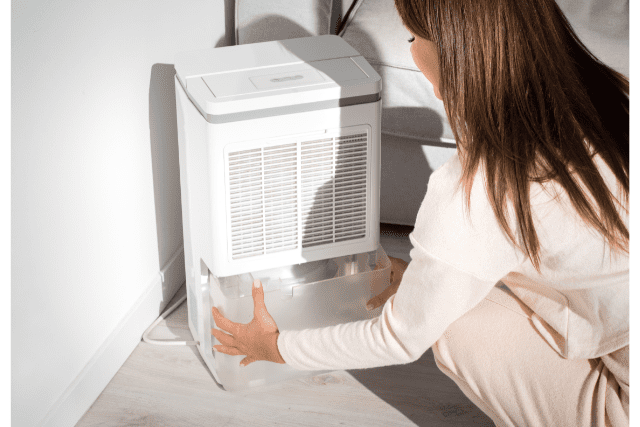
- Keep humidity balanced: Aim for 30–50% humidity to discourage dust mites and mold growth.
- Monitor pet zones: Brush pets outside, use allergen-barrier mattress and pillow covers (more tips here).
Sources You Might Be Overlooking: Less Obvious Air Quality Risks
Even the most diligent cleaning routines can miss subtle offenders. Watch for these common culprits:
- Stored paint, solvents, or cleaning products: Off-gas VOCs over time—store in well-ventilated, sealed containers, away from living/working zones.
- Fragrance diffusers and candles: May emit particulates or VOCs; use sparingly and choose natural, unscented options.
- Old, rarely cleaned electronics: Accumulate dust and overheat, circulating particles with use.
- Overwatered plants: Can foster mold in soil—monitor plant watering and clean pots/plates.
Pet Owners’ Guide: Managing Dander and Fur for Cleaner Indoor Air
Pets contribute companionship—and additional airborne particulates. Target these steps to reduce fur and dander:
- Brush pets outside frequently; bathe on schedule based on breed.
- Stick to a regular vacuuming schedule: High-traffic pet areas, under furniture, and along baseboards. Professional tools are especially effective here (see step-by-step).
- Launder pet bedding and washable toys weekly.
- Use air purifiers with HEPA-grade filters in main living spaces.
Post-Renovation and Move-Out: Special Considerations for Air Purity
Renovations and move-outs can release significant particulates, chemicals, and construction dust. Follow these steps to restore healthy indoor air:
- Deep-clean all vents and baseboards: Pay special attention to corners and ledges where dust settles.
- Clean walls, ceilings, and light fixtures: Wipe surfaces from top to bottom to catch descending particles.
- Replace or clean HVAC filters: Construction can clog filters quickly.
- Consider a professional post-construction cleaning (see relevant service for info) to cover all bases.
Ventilation and Filtration: Strategies for Every Space Type
Buildings in Chicago often feature tightly sealed windows and central HVAC systems. Improve air circulation and filtration with these approaches:
- Use exhaust fans in kitchens and bathrooms: Run fans while cooking or showering, and keep them clean and operational.
- Add portable air purifiers: Place in bedrooms, home offices, or other spaces with high occupancy.
- Schedule ventilation: Open windows during periods when outdoor air is clean and traffic is low.
- Maintain HVAC systems professionally: Plan seasonal duct inspections and filter changes.
Managing Smoke, Odors, and Urban Pollutants Indoors
Living or working in a city comes with unique air challenges, including smoke from neighbors, traffic, or city events. Tackle indoor odors and pollutants with these targeted strategies:
- Seal window gaps; use weatherstripping against outdoor pollution arrival.
- Prohibit indoor smoking: Enforce no-smoking policies. If removing old odors, deep-clean carpets, upholstered surfaces, and repaint with odor-blocking paint. (
For specifics, check how to remove cigarette smells.) - Neutralize with safe agents: Avoid masking smells with sprays—try vinegar bowls, activated charcoal, or air purifiers instead.
- Address plumbing odors: Clean drains, fix leaks, and run water in infrequently used pipes.
Checklist: Questions to Ask Before Booking a Professional Cleaning for Air Quality Concerns
When you’re considering a professional cleaning service for air quality improvements, consider the following to ensure your needs will be met:
- What equipment is used for dust, allergen, and particulate removal?
- Are cleaning products low-VOC, fragrance-free, or allergy-friendly?
- Do cleaning checklists include vents, soft furnishings, and high-reach places?
- Does the team have experience with pet-heavy, post-construction, or high-occupancy settings?
- Are staff trained to prevent cross-contamination between rooms/units?
Check out this guide to cleaning for allergies or our resource on the health benefits of cleaning for more context.
Integrating Indoor Air Quality Protection into Your Regular Cleaning Schedule
Consistency is key to lasting air purity. Here’s a sample timetable for homes and offices (modify for your space and lifestyle):
- Daily: Wipe high-use surfaces, declutter, use exhaust fans as needed.
- Weekly: Vacuum carpets, mop floors, wash bedding, empty trash.
- Monthly: Clean window sills, deep-vacuum upholstery, wipe down baseboards, check for mold/moisture.
- Every 2–3 months: Change HVAC/air purifier filters, launder curtains, review forgotten areas.
- Quarterly/Seasonally: Schedule professional deep cleanings, duct inspections, and allergy-preventative treatments.
For even more detailed routines, see this preparation guide and dust reduction strategies.
Air Quality Strategies for Unique Spaces: Apartments, Offices & Special Facilities
Different space types have different challenges:
- High-rise apartments: HVAC-dominated airflow means filter changes and duct cleaning matter more. High outdoor pollution days may require keeping windows closed.
- Shared office environments: Sanitizing shared equipment (keyboards, copiers), wiping down desks, and routine vacuuming of high-traffic areas.
- Unique facilities (gyms, daycares, medical): These require strict infection control and higher-frequency air filtration and surface cleaning. Professional service guidance is strongly recommended (see service options for specialized facilities).
FAQ: Answers to Common Indoor Air Quality Questions
What’s the safest cleaning product choice for sensitive individuals?
Can cleaning alone prevent mold and mildew?
Are air purifiers effective for large spaces?
Should offices use different cleaning methods than homes?
Does professional cleaning eliminate all indoor air quality concerns?
How can you check if your air quality is poor?
What should be cleaned after a move-out or renovation?
Does keeping windows always open improve air quality?
Key Takeaways and Next Steps for Healthier Indoor Air
- Identify frequent problem sources—like soft furnishings, vents, and neglected nooks—for regular cleaning.
- Choose low-VOC cleaning products and proper equipment to minimize airborne chemicals and dust.
- Integrate air quality steps into your scheduled cleaning routines for ongoing protection.
- Consider professional help for deep cleaning, post-renovation dust removal, or managing allergy/asthma triggers.
- If in Chicago or nearby, explore the deep cleaning or office cleaning options from Quick Cleaning for expert support.
About Quick Cleaning
Quick Cleaning helps households and businesses in Chicago, Illinois and nearby areas keep their spaces clean and healthy. Specializing in recurring house cleaning, deep cleaning, move-out cleaning, office, and special facility cleaning, we follow verified checklists and quality standards. Our experienced, trained team uses appropriate products for every surface, emphasizes transparent communication, and is dedicated to long-term client well-being. Choose Quick Cleaning for a noticeable improvement in your indoor air quality and peace of mind for your entire household or business.
Summer in Chicago, cleaning service in chicago, Apartment Cleaning Chicago, Best Apartment Cleaning , apartment cleaning West Loop, Lansing apartment cleaning, Hyde Park apartment cleaner, apartment cleaner Niles, best apartment cleaning in Gold Coast and green, apartment cleaning in Forest Park, Wheeling apartment cleaner