Expert Tips to Get Rid of Cigarette Smell in Homes & Offices: A Full Guide
If you’ve landed here, chances are stubborn cigarette smell is making your living or working space uncomfortable. Maybe you’ve just moved, hosted a guest who smokes, or you manage rental or Airbnb units that must smell fresh every time. The lingering odor can seem impossible to tackle. In this practical guide, you’ll get detailed tips to get rid off cigarette smell for good, explore why professional cleaning makes a difference, and discover step-by-step protocols for clean, healthy indoor air. Whether you’re considering a deep cleaning yourself or wondering if it’s time to call the experts at Quick Cleaning, everything you need is below.
Understanding the Stubbornness of Cigarette Odor
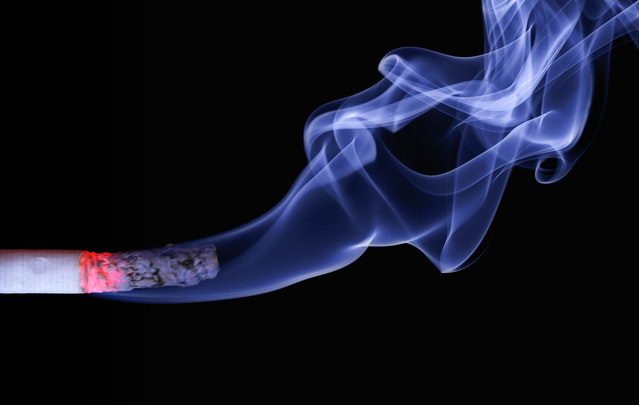
Cigarette smoke isn’t just an unpleasant scent—it’s an invasive combination of over 4,000 chemicals that cling to every porous material: walls, carpets, furniture, even HVAC systems. The microscopic size of smoke particles means they quickly settle into hidden places. This persistence explains why casual airing out or basic cleaning rarely works.
- Why is it so persistent?
- Smoke particles bond with surfaces, not just fabrics.
- Repeated exposure leads to “thirdhand smoke,” affecting health and air quality.
- Odor accumulates in soft furnishings, vents, and dust layers.
The Science: How Cigarette Smoke Settles Indoors
When a cigarette burns, its stream releases sticky tar and gasses. These embed in fibers, wood, plastic, and plaster. Even hard surfaces accumulate a residue film. Homes in Chicago with closed windows during colder months may have an even harder time airing out these toxins. Deep cleaning isn’t just cosmetic—it’s about restoring your environment’s health.
- Main targets:
- Walls and ceilings
- Floors, rugs, and carpets
- Air ducts and vents
- Blinds, curtains, and upholstered furniture
- Personal belongings and decor
DIY Odor Removal: Step-by-Step Checklist for Quick Results
- Ventilate: Open all windows and run fans for cross-flow.
- Remove debris: Dispose of ashtrays, cigarette butts, and loose debris.
- Dry-clean all fabrics: Wash curtains, pillow covers, and throws. If removable, machine-wash; otherwise, use professional-grade dry-cleaning spray.
- Wipe hard surfaces: Use a solution safe for your surfaces (CDC bleach cleaning safety). Clean walls, baseboards, ceilings, and doors.
- Carpet and rug deep clean: Shampoo carpets or use an enzymatic cleaner.
- Replace or wash HVAC filters: Smoke residue travels through vents.
- Deodorize: Use activated charcoal, baking soda, or air purifiers as a supplement, not a replacement for cleaning.
- Repeat as needed: Odor can resurface, so multiple passes may be necessary.
Room-by-Room Tactics: Where Odor Hides and How to Remove It
| Area | Key Steps | Special Tools/Cleaners |
|---|---|---|
| Living Room | Vacuum upholstery, steam clean rugs, wipe electronics | HEPA vacuum, upholstery shampoo |
| Bedrooms | Launder bedding, clean mattresses, wash windowsills | Fabric-safe deodorizer, baking soda |
| Kitchen | Deep clean cupboards, degrease surfaces | Degreasers, vinegar solution |
| Bathrooms | Clean tiles and grout, replace towels | Pine-based spray, bleach if approved |
| HVAC/Vents | Replace filters, wipe covers | Filter replacements, disinfecting wipes |
The Role of Air Quality and Ventilation
Fresh air is your ally. Yet, Chicago’s weather sometimes limits window opening. Use portable air purifiers and strategically placed fans. Change HVAC filters regularly, and consider professional duct cleaning if odors persist. Explore further in our hub post on indoor air quality.
- Bonus tip: Add lush indoor plants such as peace lilies—they help reduce airborne toxins, though they won’t solve tobacco odor alone.
Difference Between DIY Cleaning and Professional Odor Removal
- Professional cleaning teams use commercial-grade deodorizers and extraction equipment to treat deep-set odors.
- Expert protocols ensure that hidden areas—behind furniture, inside vents, under flooring—get attention.
- Safety standards: Trained teams protect themselves and your property (see OSHA cleaning guidelines).
- Professionals can recommend when replacing items (like carpets or paint) is more effective than repeated cleaning.
How Frequently Should You Clean to Prevent Odor Recurrence?
Once you’ve tackled the initial smell, keeping it gone requires consistency:
- Plan for a thorough cleaning every 3–6 months if smoking occurred previously.
- Enforce strict no-smoking policies indoors for long-term results.
- Rely on recurring professional cleaning for rental properties and businesses—read more about the benefits of regular service.
Safe Cleaning Chemicals for Cigarette Smoke Removal
Choose cleaning agents carefully: Some strong chemicals interact poorly with smoke residues and indoor air. Use:
- Enzymatic odor removers on fabrics and carpets
- Baking soda as a non-toxic absorbent
- White vinegar solution for surfaces
- Commercial deodorizers approved for household use
Always test a small spot before general use. For health and safety details, refer to CDC advice on product safety.
Challenges Unique to Apartments, Airbnbs, and Office Spaces
Smaller urban dwellings and short-term rentals in Chicago often have shared ventilation and tighter layouts. This can mean faster odor spreading between units or into common areas. In offices, commercial traffic and equipment make stains stickier. See more pre-cleaning tips for apartments here.
- Tip: For Airbnbs, always schedule a deep clean between guests and use hypoallergenic products for sensitive tenants.
When Is It Time to Call a Professional Odor Removal Service?
- If multiple cleanings still leave a noticeable smell.
- When flooring or HVAC replacement seems likely.
- For move-outs, pre-sale staging, or new rental turnovers.
- If dealing with regulatory compliance (workspaces, hospitality, daycares).
Quick Cleaning’s staff can audit your site and recommend the right solution—sometimes it’s a deep clean, other times targeted odor neutralization.
Learn about deep cleaning options.
Air Purifiers, Ozone Treatment, and Technology Options
For high-level odor removal, some cleaning services or property owners consider:
- HEPA air purifiers: Absorb small particles from indoor air.
- Ozone machines: Break down odor molecules (should be operated by professionals and never while people or pets are present).
- Thermal fogging: Reaches into fabrics and cracks, used between tenants.
- Home air fresheners: mask, not solve
- DIY baking soda/vinegar: some results, takes effort and repetition
- Professional ozone/fogging: penetrates deeper, risk of misuse if not experienced
- HEPA/air scrubbers: best as supplement, rarely sufficient alone for heavy odors
Step-by-Step Plan for Persistent Smell: What To Do if Odor Remains
- Repeat the cleaning checklist above, focusing on “forgotten areas” like lampshades, closet interiors, and baseboards.
- Steam clean or replace carpets and drapes if typically cleaned products fail.
- Consider repainting with odor-blocking primer after deep cleaning all surfaces.
- If you’re a landlord or property manager, schedule professional services between occupancies for best results.
- Document each step for future reference—it’s helpful for warranty or tenant records.
For tips on maximizing professional visits, see our detailed post.
How to Communicate No-Smoking Rules and Maintain Odor-Free Spaces
- Set and communicate clear non-smoking policies in rental agreements or office protocols.
- Display notices in common spaces and provide covered outdoor ashtrays if smoking is allowed elsewhere.
- Inspect units/offices regularly and address even faint odors immediately.
Red Flags: Signs That Odor Removal Requires Extra Steps
- Staining on walls and ceilings despite cleaning
- HVAC or vents giving off smoke scent after filter change
- Smoke odor returns within hours of airing out
- Persistent smells in hard-to-reach places (beneath floorboards, inside closets)
- Guests, tenants, or staff mentioning unusual scents
Special Considerations: Health, Allergies, and Indoor Air
- Smoke particles can linger long after the smell is “gone.”
- Sensitive groups—kids, seniors, those with allergies—require more frequent cleanings (see allergy prevention tips).
- A clean, smoke-free home contributes to better mental and physical well-being.
Frequently Asked Questions About Removing Cigarette Smell
- 1. Can I fully remove cigarette smell without repainting?
In mild cases, yes, but heavy smoke usually requires repainting after cleaning. - 2. How long does odor removal take?
DIY: several hours to days; professional: 1–2 days plus ventilation time. - 3. Will air fresheners or candles work?
No—these only mask, not remove. - 4. Is ozone treatment safe?
Only when handled by professionals and used in unoccupied spaces. - 5. Are “miracle” sprays effective?
Some reduce odor temporarily but most don’t eliminate embedded toxins. - 6. Can cigarette smell return?
Yes, if sources (filters, fabrics) aren’t replaced and thorough cleaning isn’t routine. - 7. How can I prove an odor removal job for renters?
Keep records, before/after photos, and receipts for cleaning work.
Summary and Next Steps: Achieving a Smoke-Free Space
Eliminating cigarette odor is a challenge that requires the right strategy—ventilation, surface cleaning, careful deodorizing, and discipline. Sometimes, ongoing odor means it’s worth booking a professional assessment for peace of mind and effective results. For recurring needs in apartments, Airbnbs, or offices, a scheduled cleaning partnership can save time and maximize property value.
Ready to restore the air in your space? Explore full apartment cleaning and office cleaning options or contact Quick Cleaning for tailored help.
About Quick Cleaning
Quick Cleaning is a trusted residential and commercial cleaning company based in Chicago, Illinois. Our trained staff follows professional checklists and uses the right products for each surface, ensuring high-touch areas, kitchens, bathrooms, and workspaces are meticulously cleaned. We provide flexible scheduling—recurring, deep, and same-day cleaning (when available)—with transparent pricing and a commitment to long-term client relationships. Quick Cleaning specializes in house, move-out, office, and facility cleaning for homeowners, tenants, property managers, Airbnb hosts, and business owners across Chicago and surrounding areas.


tobacco smoke, cleaning service in chicago, Apartment Cleaning Chicago, Chicago Apartment Cleaners, apartment clean service Wicker Park, Albany Park apartment cleaning service, apartment cleaning services in Alsip, apartment cleaning service in Summit, Morton Grove apartment cleaning, Crest Hill apartment cleaning service, Rosemont apartment cleaner