
Understanding Common Allergens When Moving Into a New Home: A Comprehensive Cleaning Guide
Moving into a new home often signals a fresh start, but brings with it hidden challenges—especially when it comes to unseen allergens. Whether you’re a homeowner, tenant, landlord, or property manager, identifying common allergens in a new home is crucial for well-being. This guide offers a deep dive into what to check, how professional cleaning approaches allergen removal, and the steps you can take to guarantee a healthier environment right from day one. All advice is tailored for Chicago’s diverse housing stock and professional standards, with practical checklists, safety perspectives, and expert frameworks provided by QUICK CLEANING’s specialists.
Allergens Found in New Homes: What Are the Invisible Risks?
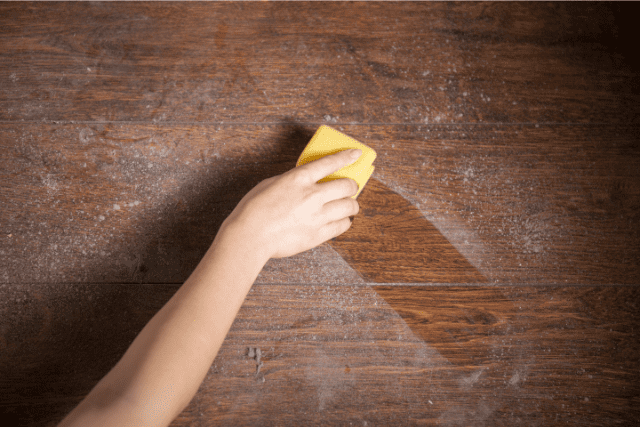
Not all spaces are truly ‘clean’ when you receive the keys. Even freshly painted rooms or recently vacated apartments often harbor invisible triggers that could impact health. This section outlines the most common allergens and why they’re prevalent in a new home setting.
- Dust Mites: Thrive in carpets, upholstery, and hidden crevices
- Pet Dander: Lingers on soft surfaces long after previous occupants leave
- Mold Spores: Hide in damp corners, bathrooms, or basements
- Pollen: Entered through open windows, trapped in ducts or rugs
- Cockroach Debris: Droppings and body parts, even in buildings without visible infestation
- Residual Chemicals: From paint, cleaning agents, or pest treatments
Where Allergens Hide: A Room-by-Room Analysis
Each area of a house or commercial space has unique allergen hotspots. Identifying these zones is critical for a successful cleaning strategy and a safe move-in experience.
| Room/Area | Potential Allergens | Typical Sources |
|---|---|---|
| Bedrooms | Dust mites, pet dander | Carpets, bedding, drapes, closets |
| Living Rooms | Pollen, dust, mold | Sofas, rugs, A/C vents, indoor plants |
| Kitchens | Mold, cockroach debris | Sink area, cabinets, appliances |
| Bathrooms | Mold, chemical residues | Shower curtains, grout, under sinks |
| Basements & Storage | Mold spores, dust | Walls, boxes, flooring, pipes |
| Ventilation & HVAC | Pollen, dust mites, mold | Ducts, filters, vents |
The Impact of Hidden Allergens on Health—What Residents Should Know
Allergens may not always be visible, but their effect on health can be pronounced—especially during and after a move. Short-term exposure can trigger symptoms such as sneezing, watery eyes, or coughing. Over time, undetected allergens elevate risks for asthma, respiratory infections, and allergic reactions. For families with young children, elderly individuals, or immunocompromised residents, thorough pre-move cleaning is not just a comfort—it’s a necessity. Business owners should also consider employee comfort and productivity impacts, particularly in office or commercial spaces.
Allergen Accumulation During the Move-Out and Move-In Process
Transition periods are when allergens often spike. Packing and moving stir up dust that’s settled over years, while open doors allow new pollen, dirt, and pollutants inside. In apartments and condos, prior tenants may have cleaned, but few address air ducts, behind appliances, or soft furnishings effectively. This is why a targeted, professionally guided process adds real value compared to simple DIY surface cleaning.
Checklist: Inspecting for Common Allergens Before Unpacking
- Inspect all visible surfaces for dust and debris (window sills, baseboards, shelving)
- Check corners and beneath sinks for any signs of mold or moisture
- Look under appliances for leftover food, pet hair, or insect droppings
- Assess carpets, rugs, and curtains for lingering odors or stains
- Inspect heating/cooling vents for dust build-up and potential contaminants
- Review bathroom tile, shower curtains, and caulk for traces of mold
- Open cabinets and closets for dust layers or pest evidence
Use the above inspection before scheduling professional cleaning—or before moving your own belongings in.
How Professional Cleaning Neutralizes Key Allergens in New Homes
DIY dusting and mopping can reduce visible debris, but allergens like dust mites and mold spores require specialized processes. At QUICK CLEANING, trained staff follow rigorous checklists designed for full-spectrum allergen removal:
- HEPA vacuuming of all floors, upholstery, and vents to capture fine allergens
- Professional-grade steam cleaning for carpets and fabrics
- Disinfection of hard surfaces in kitchens, bathrooms, and entryways
- Detailed attention to corners, behind appliances, and inside cabinets
- Mold-spot treatments using appropriate cleaning agents
- Replacement or cleaning of vent and HVAC filters
These steps go well beyond what’s possible with store-bought sprays or household vacuums—ensuring allergens are removed, not simply redistributed.
Different Homes, Different Allergen Risks: Matching Cleaning to Property Type
The age, size, and design of your residence can influence which allergens are most challenging.
- Historic homes often have aged carpeting and multiple coats of paint, which can trap particles and chemical residues.
- High-rise apartments or condos may face increased dust from shared ventilation and more opportunities for pollen infiltration.
- Newly built properties could have volatile organic compounds (VOCs) from fresh paint or building materials in addition to dust from construction.
- Commercial spaces might harbor office-specific allergens like toner particles or residues in HVAC from previous business operations.
QUICK CLEANING tailors its methods to match the specific challenges of each property type, using the right combination of equipment and professional cleaning solutions.
Pet Allergens and Prior Owners: Special Considerations
Even if your household has never had pets, previous residents’ animals can leave measurable allergen loads, especially in soft furnishings and HVAC systems. Professional cleaning approaches for pet allergen removal include:
- Multiple pass HEPA vacuuming
- Deodorization of textiles
- Deep cleaning of air ducts
- Specialized enzyme treatments to break down stubborn dander
Allergen residues can persist for months without these steps. This is especially urgent for families with known animal sensitivities.
Mold and Moisture: Identifying and Remediating Hidden Growth
Mold thrives in humid or poorly ventilated areas—bathrooms, basements, beneath leaking sinks. Its spores are allergenic and can also cause property damage. Here’s a step-by-step guide to inspecting for mold before move-in:
- Check caulk lines, tile grout, and wall corners for dark spots or musty odors
- Inspect under all sinks and plumbing for water staining or condensation
- Look along window sills and near HVAC units for moisture or visible growth
- Request disclosure of any past water incidents before lease or purchase
If detected, specialized remediation—rather than basic cleaning—is often required. QUICK CLEANING can provide deep mold removal, but some situations may require additional restoration professionals.
Pollen and Outdoor Allergens: Minimizing Infiltration in Urban Settings
Chicago’s urban environment doesn’t eliminate pollen risk; in fact, street-level dust and seasonal blooms can settle on window sills, in entryways, and in ductwork. Suggestions to prevent and reduce infiltrating outdoor allergens include:
- Check window screens for gaps and cleanliness
- Damp-dust entryways and sills before moving in
- Replace or clean HVAC filters during each move
- Request periodic cleaning of shared building corridors and lobbies
Structured cleaning and good airflow management are your best defenses.
Air Quality and Ventilation: Why Duct Cleaning Matters
Ventilation systems can be major reservoirs for allergens, as dust, mold spores, and dander build up over time. A fresh start in a new home should include:
- Inspecting all accessible ducts for dust and debris
- Cleaning or replacing vent covers and filters
- Scheduling full-system cleaning for older systems or after major renovations
This is especially important in properties that have not been occupied for long periods or in multi-family buildings. For further insights, consult resources like the Prevention Strategist publication, which discusses practical approaches to indoor air safety.
Comparing DIY, Routine, and Deep Cleaning Approaches for Allergen Control
There’s no ‘one size fits all’ approach to allergen removal in new homes. The following comparison helps you choose the right cleaning strategy:
- DIY Cleaning: Basic surface dusting/vacuuming; limited allergen reach; quick but low efficacy for deep-seated issues.
- Routine Professional Cleaning: Regular checklists, professional products, more thorough than DIY, ideal for ongoing maintenance.
- Deep Cleaning & Move-In/Out Services: Comprehensive; covers infrequently cleaned areas, provides large-scale allergen elimination before occupancy.
Consider deep cleaning at minimum before moving in, then regular professional cleaning for long-term health—especially for those with sensitivities or in high-traffic homes and offices.
Selecting Low-Allergen Cleaning Products and Methods: Safety First
Not all cleaning solutions are the same. Many over-the-counter sprays and polishes add fragrances or VOCs, themselves potential allergens. QUICK CLEANING prioritizes:
- Fragrance-free detergents
- Environmentally friendly, low-residue formulas
- Proper rinsing and ventilation after product use
- Using materials according to surface and safety standards as recommended by industry best practices.
If you have severe allergies or chemical sensitivities, communicate these concerns with your cleaning company so they can adjust materials and methods accordingly.
How Often Should You Schedule Cleaning for Allergen Prevention?
Frequency depends on usage, occupancy levels, and any special risk factors (pets, previous moisture issues, surrounding greenery). General recommendations are:
- Pre-move: Deep, professional cleaning (including ducts and soft surfaces)
- First week after move-in: Target door handles, light switches, kitchen/bath surfaces
- Ongoing: Weekly or biweekly professional cleaning for homes or offices with known sensitivities
- Seasonal: Quarterly deep cleans, vent/filter checks, especially after pollen-heavy seasons or major renovations
Professional Cleaning for Special Facilities: Offices, Airbnb, and Rental Properties
Allergen control is just as vital in workspaces and short-term rentals. Office managers and Airbnb hosts should consider:
- Routine cleaning of communal areas and high-touch surfaces
- Air duct cleaning between tenants for rentals
- Flexibility to schedule same-day or after-hours cleaning
For specialized requirements, QUICK CLEANING offers tailored services for office environments and short-term rental properties, designed with tenant and guest satisfaction in mind.
Preparing for Move-In: Working with Your Cleaning Company
Optimizing results from a professional cleaning hinges on clear communication. When scheduling a service:
- Disclose allergies, sensitivities, or medical needs up front
- Share any past issues with pets, mold, or chemicals in the home
- Request details on products and methods used
- Confirm which areas (behind appliances, inside cabinets, HVAC) will be covered during cleaning
QUICK CLEANING champions open, transparent communication and can customize service to meet your specific health and schedule needs.
Building a Healthier Future: Long-Term Steps for Allergen Reduction
Initial cleaning is only the first part of allergen management. To maintain a healthier home:
- Use mattress and pillow covers to prevent dust mite accumulation
- Reevaluate storage; minimize clutter that can collect dust
- Ensure proper ventilation and manage indoor humidity levels
- Establish a professional cleaning routine
Good cleaning habits will help make your new space a source of comfort, not allergy symptoms. For more at-home strategies, see guidance in our cleaning habit resource.
FAQ: Allergens in New Homes and Professional Cleaning
- What are the most common allergens found in a new home?
- Dust mites, pet dander, mold spores, pollen, cockroach debris, and chemical residues are frequently detected in recently vacated or newly built properties.
- Do new construction homes have fewer allergens?
- They usually have less pet dander or mold but can contain high levels of construction dust and volatile organic compounds from building materials and paint.
- Is a DIY clean sufficient before moving in?
- Not typically. DIY cleaning rarely addresses deep-seated allergens in carpets, vents, or hidden corners. Professional cleaning is recommended for a thorough start.
- How do cleaning professionals eliminate mold allergens?
- Through targeted spot treatments, deep cleaning, and recommendations for repairs if water damage is present. Advanced equipment ensures mold spores are removed, not spread.
- Are high-touch areas the biggest allergen risk?
- High-touch areas can harbor surface bacteria and viruses, but soft surfaces and hidden spaces (vents, behind appliances) are often larger allergen reservoirs.
- What is the role of air duct cleaning?
- Air duct cleaning removes accumulated dust, pollen, and mold spores, significantly improving overall indoor air quality and reducing allergen recirculation.
- Can professional cleaning help reduce asthma triggers?
- Yes, by eliminating dust mites, pet dander, and other particles, professional cleaning can lower common asthma triggers in the home.
- How often should deep cleaning be scheduled in a new home?
- Ideally once before move-in, then quarterly or seasonally as maintenance—especially if there are allergy-prone residents.
- Which cleaning method is best for homes with previous pets?
- A combination of HEPA vacuuming, enzymatic cleaners, and there are cases where duct cleaning may also be warranted for maximal allergen removal.
- What if allergens persist after cleaning?
- Persistent symptoms may indicate the need for further remediation, deeper duct cleaning, or consultation with indoor air quality specialists.
References and Further Reading
- Infection prevention strategies in the home environment by the Association for Professionals in Infection Control.
- Building safety leadership resources for standards on cleaning and facility management.
- Healthy cleaning habits to begin after moving.
- Benefits of hiring a move-out cleaning company.
- Move-out cleaning checklist for a comprehensive plan.
- Optimal cleaning sequences for any residence.
Taking the Next Step Toward a Healthier Home
Addressing common allergens in a new home is essential for comfort and health—right from move-in. By following the inspection checklists and cleaning strategies above, you’ll reduce the risk of hidden triggers and set the stage for an easier transition. For tailored cleaning solutions or to discuss your specific needs, consider scheduling a professional service. For workplace hygiene or special property cleaning, our office cleaning service and Airbnb cleaning options are available. For expert support with larger properties, schedule commercial cleaning at your convenience.
About QUICK CLEANING
QUICK CLEANING is dedicated to helping households and businesses throughout Chicago, Illinois and nearby areas maintain healthy, comfortable spaces year-round. Our trained professionals carry out thorough recurring house cleaning, deep cleaning, move-out cleaning, office cleaning, and a range of specialized facility cleanings. All staff follow strict checklists, use safe and effective products suited to every surface, and emphasize clear pricing and communication. For reliable results and long-term relationships, trust QUICK CLEANING for expertise in allergen prevention, move-in readiness, and ongoing health-oriented cleaning.

strong cleaning product, best cleaning services chicago, move out cleaning service, move out cleaning near me, move out cleaning Crystal Lake, move out cleaning South Loop, move out cleaning Hanover Park, move out cleaning Bucktown, end of lease cleaning Bolingbrook IL, move out cleaning Evanston, end of lease cleaning Franklin Park