The Optimal Order to Clean a House: Room-by-Room Sequencing and Pro Insights
Feeling overwhelmed by the idea of deep-cleaning your whole home? If you’ve ever asked yourself in what order should you clean a house, you’re not alone. Whether you’re a homeowner, renter, Airbnb host, or property manager, the cleaning process can feel overwhelming without a plan. This guide breaks down the essential cleaning order steps followed by experienced professionals, offers tailored checklists for different scenarios, examines why sequencing matters, and helps you get results that are both thorough and efficient. You’ll also pick up expert tips from Quick Cleaning for cleaner, healthier living spaces. Let’s bring clarity and confidence to your next cleaning day.
Why the Sequence of Cleaning Matters for Results and Efficiency
Many make the mistake of cleaning rooms or areas at random, which can waste effort and actually spread dust and grime. Professional cleaners follow a purpose-driven order to prevent cross-contamination and maximize results. Here’s why:
- Reduces double work: Cleaning top-to-bottom and dry-to-wet ensures dirt falls onto uncleaned surfaces, not freshly cleaned ones.
- Improves hygiene: Tackling high-touch and food surfaces at the right time helps prevent germ spread, crucial in shared or high-traffic homes.
- Saves time: Grouping similar tasks (wiping mirrors, vacuuming, dusting) avoids wasted trips and repeated tool usage.
- Makes quality checks easier: A room-by-room order lets you visually confirm entire zones before moving on.
Preparing for a Whole House Clean: Essentials Before You Start
Before you touch a single dust cloth, a few minutes of prep will save you hours. Gather essential supplies and prep your space:
- Declutter surfaces (tables, floors, counters) to give yourself room to clean thoroughly.
- Open windows for ventilation if possible.
- Separate your supplies: have cleaning solutions, microfiber cloths, gloves, mop, vacuum, and trash bags ready.
- Wear comfortable clothes and slip-resistant footwear.
- Have a safe spot for pets and kids.
If you’re planning a move-out or deep cleaning, ensure you’ve scheduled enough uninterrupted time—complete house cleans often take several hours, even for the pros.
Professional Cleaning Order: Core Steps That Never Change
Cleaning experts and reputable companies such as Quick Cleaning rely on this foundational order to achieve spotless results.
- Decluttering: Remove objects that block floors, shelves, or surfaces. This prevents working around items and missing spots.
- Dusting (Top to Bottom): Start with ceiling corners, vents, and light fixtures; move on to shelves and window sills.
- Dry Cleaning (Vacuum/Sweep): Tackle floors only after dusting, so debris falls down and is not scattered onto freshly cleaned areas.
- Surface Cleaning: Clean all surfaces with suitable products, focusing on kitchens and bathrooms last to avoid cross-contamination.
- Disinfection (High-Touch Areas): Specifically target door handles, light switches, bathroom fixtures, fridge handles, and remote controls.
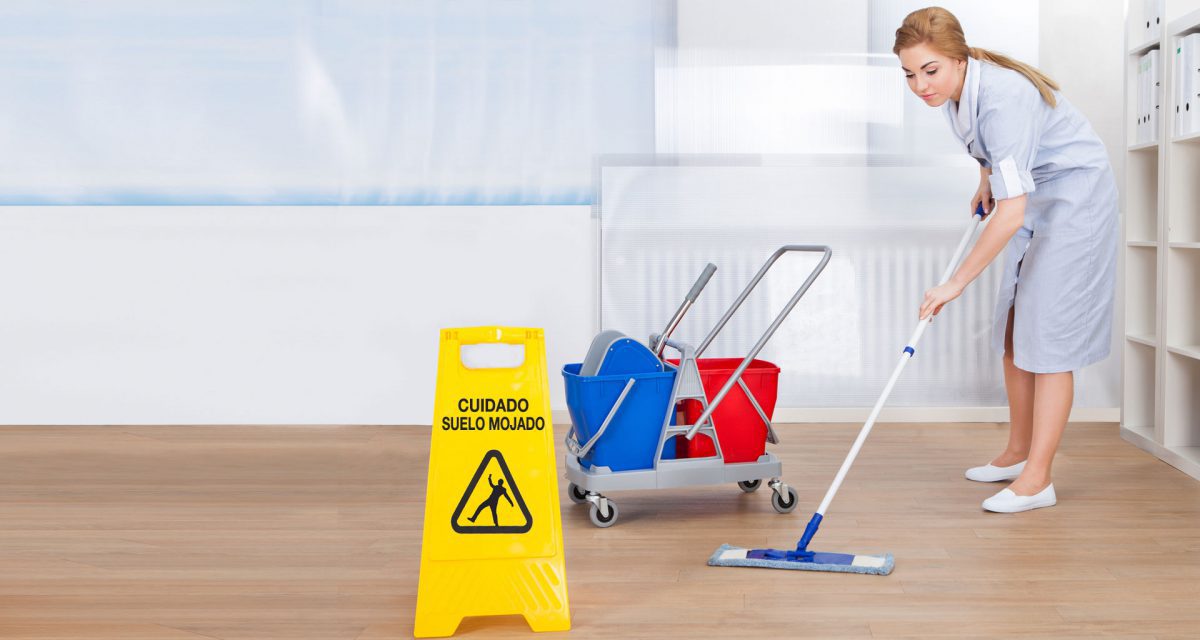
- Wet Cleaning (Mopping/Floor Washing): Mop floors as the final step, starting from the farthest corner and moving toward the door.
Room-by-Room Guide: How Pro Cleaners Sequence Each Area
Every home is unique, but these room breakdowns align with the cleaning order above. Use them as your actionable playbook every time.
Entryway and Hallways
- Declutter shoes, coats, bags.
- Dust door frames, baseboards, vents.
- Wipe surfaces, mirrors, light switches.
- Sweep or vacuum floors, then mop.
Living and Dining Areas
- Pick up books, toys, electronics.
- Dust shelves, electronics, furniture tops.
- Vacuum upholstery (cushions, under sofas).
- Disinfect remotes, switches, shared items.
- Floor care: vacuum, then mop, working outward from far corners.
Kitchens (Tackled Late to Avoid Germ Spread)
- Remove expired items from counters and fridge.
- Dust light fixtures and cabinets.
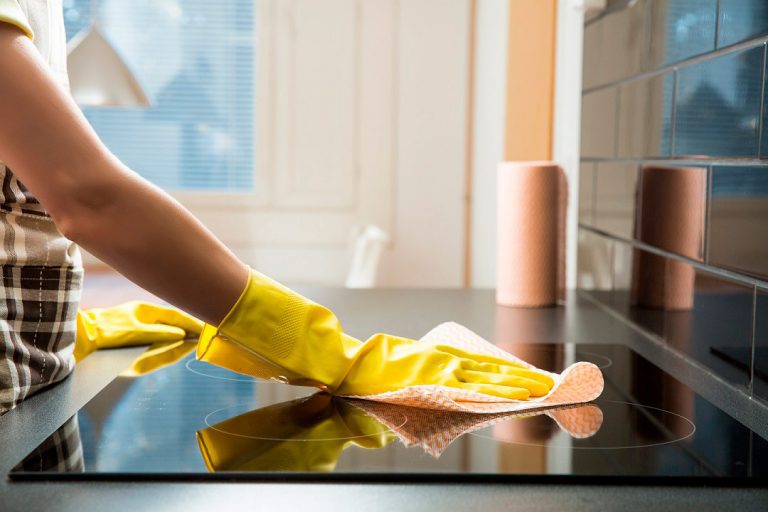
- Clean appliances—microwave, oven, fridge surfaces.
- Scrub counters, sink, and backsplash.
- Disinfect handles, switches, and trash cans.
- Vacuum/mop last.
Bathrooms (Always Cleaned Last)
- Remove all items from counters and tubs.
- Dust lights and vents.
- Clean mirrors and tile backsplashes.
- Scrub bathtubs, showers, toilet.
- Wipe counters, sinks, and cabinet fronts.
- Disinfect fixtures, handles, switches.
- Vacuum and mop as the final step; close the door when done.
Bedrooms
- Pick up clothes, shoes, stray items.
- Dust ceiling fans, curtain rods, and window sills.
- Vacuum/clean under beds and behind furniture.
- Wipe down furniture, handles, and lamps.
- Vacuum/mop floors last.
Comparison Table: Pro Cleaning Order for Different Spaces
| Area Type | First Priority Steps | Final Steps |
|---|---|---|
| Standard Home | Declutter, dusting, vacuum/sweep | Mop floors, disinfect all handles |
| Apartment or Condo | Pick up clutter, dust all, wipe kitchen | Bathroom last, mop entire unit |
| Airbnb/Short-Term Rental | Strip bedding, restock supplies, dust | Deep disinfection, replace linens |
| Commercial Office | Empty bins, dust desks & equipment | Sanitize breakroom, vacuum/mop |
| Move-out Cleaning | Declutter left-behind items, dust | Deep scrub bathrooms & kitchen, mop all |
How Sequence Changes Based on Cleaning Type: Recurring, Deep, or Move-Out
Not all cleans are created equal—here’s how the order shifts with the job:
- Recurring Cleaning: Focus on surface dust, general tidiness, kitchen, bathroom, and floors; order stays the same, but less detail in tough spots.
- Deep Cleaning: Layer extra steps like scrubbing baseboards, washing walls, and detailed furniture vacuums into the standard order above—but always finish high-touch bathrooms last.
- Move-Out: Start with removal of all debris and left-behind items, then a standard pro order, plus time for stains, appliance interiors, and lease requirements.
Curious about what’s required for move-out cleans in Chicago apartments or houses? Move-out cleaning checklists can help ensure nothing is missed before inspection.
High-Touch Surfaces: The Non-Negotiable Last Step
For illness prevention (especially in shared or public settings), always reserve special attention for high-touch surfaces as the final cleaning or disinfection action:
- Doorknobs and light switches
- Toilet handles
- Fridge and cabinet handles
- Remote controls and electronics
- Stair railings
According to CDC research, improved hand and surface hygiene sharply reduces germ transmission. Professional cleaners follow checklists for these areas on every job.
What Supplies Belong in Your Cleaning Caddy (and How They Impact Order)
The products and tools you use can impact your cleaning order. Pro cleaners recommend a lightweight caddy with:
- Microfiber cloths (multiple colors to avoid cross-use between kitchen and bath)
- All-purpose and disinfectant cleaners
- Glass cleaner
- Scrub brushes and sponges (color-coded if possible)
- Dry sweep/vacuum tools for floors
- Mop (microfiber or disposable pad style)
- Gloves and personal PPE for bathrooms and kitchens
Tip: Cleaners start with dry tools (dusters) and end with wet ones (disinfecting wipes, mops). This allows them to move from least to most soiled surfaces efficiently.
Sequencing Strategies for Special Situations (Kids, Pets, Allergies)
With Children:
- Clean and disinfect toy storage, cribs, and play zones last to prevent re-contamination.
- Use non-toxic cleaners in kids’ rooms and allow for extra drying time before use.
With Pets:
- Vacuum floors before dusting pet zones to remove fur, then finish with wiping food bowls and beds.
- Use pet-safe products for mopping.
With Allergies:
- Run a HEPA air purifier while cleaning to trap particles kicked up during dusting.
- Start with bedrooms to create an allergy-safe zone first.
For more on allergen control during home cleaning, see Common allergens in a new home.
What Sets Professional Cleaning Apart Beyond Order?
Companies like Quick Cleaning go beyond order—they use systematic checklists, calibrated products, and consistent quality controls. Benefits of pro approaches include:
- Surface-appropriate products prevent damage to wood, granite, glass, and specialty flooring.
- Stubborn stains tackled with specialty solutions (for example, removing furniture marks).
- Rotating deep tasks (inside ovens, cabinets, baseboards) as part of recurring cleans.
Want consistent quality every time? Check out Quick Cleaning’s recurring cleaning options for homes and businesses.
Sequence for Eco-Friendly and Green Cleaning Approaches
Green cleaning methods involve additional considerations:
- Test natural or homemade cleaning products on small spots before applying everywhere.
- Ventilate thoroughly after using vinegar or baking soda mixtures.
- Always clean with the least toxic option first, saving disinfectants for high-touch surfaces at the end.
For more sustainable cleaning tips, see professional advice at Building Green’s guide on cleaning practices.
Critical Steps to Avoid Cross-Contamination
- Use color-coded cloths for bathroom versus kitchen.
- Switch gloves between zones.
- Always change mop water between rooms with different soil levels (bathroom to kitchen in particular).
- Never use the same sponge for toilets and counters.
Pro sequencing isn’t just about order, but about smart separation of tools and products.
Time Estimates: How Long Should Cleaning a House Take by Area?
- Small apartment: 2–3 hours for solo deep clean
- 2–3 bedroom home: 4–5 hours minimum, more if heavy buildup
- Airbnb/short-term rental: 1–2 hours if only turnover, up to 4 hours for full reset
- Move-out: 6–8 hours or more, depending on size/condition
For a detailed timing breakdown, see How long does a move-out cleaning take.
Customizing the Cleaning Order for Unique Spaces: Offices, Gyms, Retail
Professional cleaning order adapts to layout and usage patterns:
- Offices: Clean communal spaces first before desks to prevent dust from foot traffic contaminating already cleaned work zones.
- Gyms: Disinfect high-touch equipment last, always after dry cleaning to remove sweat marks and debris.
- Retail: Tackle sales floors before back offices; windows and displays get priority before opening hours.
For specialized environments like spas, daycares, and universities, always consult tailored checklists or consider scheduling professional commercial cleaning.
Creating Your Own Checklist: Personalizing the Pro Approach
Every home or space is a little different, but you can adapt a professional-grade order. Here’s a sample structure:
- List out zones: entry, living, kitchen, bath, bedroom, special areas (playroom, laundry).
- Break down each zone into declutter, dust, surface-wipe, vacuum/sweep, mop/disinfect.
- Decide if you need any deep or periodic extras: baseboards, oven, interior windows.
- Add a final walk-through after each room.
Frequently Asked Questions About Cleaning Order
- What is the most efficient order for cleaning a two-story house?
- Start on the upper level, working from bedrooms outward, finishing with bathrooms. Move downstairs, tackling living spaces, then kitchen and finally bathrooms. Always clean top-to-bottom and finish each floor before moving on.
- When do you clean windows during a full-house clean?
- Do windows after dusting but before deep floor cleaning. This prevents dirt from window washing landing on freshly mopped areas.
- Should you dust or vacuum first?
- Always dust first—vacuum last—so debris falls to the floor and doesn’t end up back on clean surfaces.
- Can the order change for move-out cleaning?
- Yes, it often starts with clearing leftover items, then a room-by-room deep clean, finishing with kitchens and bathrooms for best move-out inspection results.
- How often does the full cleaning order need to be followed?
- For recurring cleans, follow the full sequence weekly or bi-weekly. Deep, move-out, and specialty cleans require the complete order every time.
- What if I skip the recommended order?
- You may end up spreading dirt, needing to reclean surfaces, or missing high-touch areas, reducing cleanliness and efficiency.
- What products are safe to use in each zone?
- Use non-abrasive cleaners on sensitive surfaces and disinfectants for bathrooms/kitchens. Microfiber cloths and color-coding help prevent mix-ups.
- Does professional cleaning always follow this order?
- Reputable companies like Quick Cleaning follow a systematic top-to-bottom, dry-to-wet, outside-in approach tailored to the space for the best results.
- Do office and commercial spaces require a different order than homes?
- Yes. Common zones and shared workspaces are cleaned first to minimize disruption, with high-touch spots finished last.
- What’s the best way to maintain results between professional cleans?
- Establish small daily tasks in the same order: quick dust, spot wipe, quick vacuum, with full order followed during more thorough cleans.
Your Next Steps for a Cleaner Home
Tackling the whole house is more manageable when you have a proven sequence—and now you do. Try following this approach; you’ll likely see better, longer-lasting results with less wasted effort. If you’d like periodic help or a fresh start with a deep cleaning, consider working with a team that follows strict standards and checklists. Your home deserves a thorough, healthy clean, one step at a time.
About Quick Cleaning
Quick Cleaning is dedicated to helping households and businesses in Chicago, Illinois and nearby areas keep their spaces clean and healthy. Our professionally trained team specializes in recurring house cleaning, deep cleaning, move out cleaning, office cleaning, and custom facility cleaning. We use proven checklists, surface-appropriate products, and quality controls to ensure peace of mind and lasting results. Choose Quick Cleaning for flexible scheduling, transparent pricing, and a true focus on long-term client relationships.

cleaning solution, cleaning services chicago, Save 10% On Your First Cleaning Service, Chicago Move in Cleaning Service, move out cleaning Fort Sheridan IL, apartment move out cleaning Elgin, apartment move out cleaning Riverside IL, move out cleaning Lake Forest, move out cleaners Rosemont IL, end of lease cleaning Glenview, move in move out cleaning Glencoe