
Decluttering Tips For Hoarders: Step-by-Step Strategies from Cleaning Experts
If you or someone you care about struggles with excessive clutter, you’re not alone. Hoarding disorder affects individuals and families, often making homes unsafe, uncomfortable, or unlivable. This guide explores effective decluttering tips for hoarders, focusing on practical, manageable steps, safety, emotional well-being, and how professional cleaning can help. You’ll find proven frameworks, decision tools, checklists, and expert advice—specifically created for the challenges hoarders and their supporters face. Quick Cleaning, trusted by households and property managers throughout Chicago, brings you an actionable roadmap to regain space, safety, and confidence at home.
Understanding Hoarding: Why Clutter Accumulates
Before tackling piles of belongings, it’s important to understand what drives hoarding. Hoarding is more than just saving extra items—it’s a mental health condition that often involves difficulty discarding possessions regardless of value. Common causes include emotional attachments, fear of loss, anxiety, or a need for control. Recognizing these underlying factors helps create empathy and a more supportive decluttering process.
- Hoarding affects people of all ages and backgrounds.
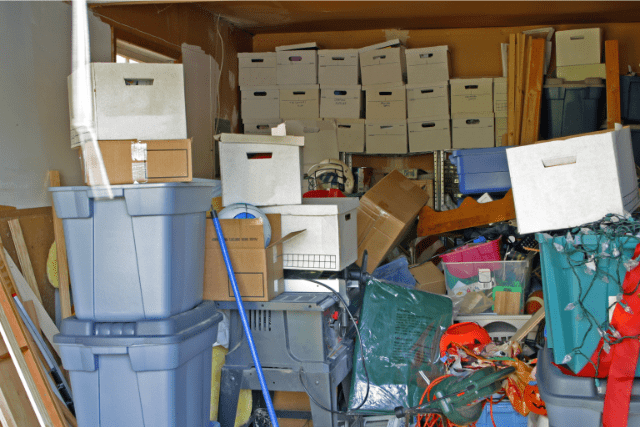
- Clutter can present significant safety issues: trip hazards, blocked exits, and fire risk.
- Extreme clutter also increases exposure to dust, mold, pests, and bacteria—impacting health.
Psychological Barriers: Why Decluttering Feels Overwhelming
It’s normal to feel paralyzed by the thought of parting with possessions. Hoarders may experience:
- Decision fatigue: The sheer number of choices can shut down progress.
- Emotional distress: Items often represent memories or security.
- Fear: Worries about making mistakes or missing things later.
Approaching the process with patience, small steps, and clear support structures improves the chance of success and reduces anxiety.
Safety First: Preparing to Declutter Hoarded Spaces
Before you begin, assess the area for risks. Safety must come first for everyone involved:
- Check for blocked walkways or emergency exits.
- Assess structural stability (overloaded shelves, weak floors).
- Look for biohazards: mold, spoiled food, animal waste, sharp items.
- Arrange adequate ventilation—cluttered spaces accumulate dust and may lack fresh air.
- Have gloves, masks, and sturdy garbage bags ready.
If the situation feels hazardous (structural damage, mold, chemicals), call a professional cleaning team with proper equipment and training. For multi-unit or public spaces in Chicago, specialist facility cleaning services are essential for proper handling and disposal.
Setting Realistic Decluttering Goals
For hoarders, the idea of “getting rid of everything” is daunting. Instead, set gentle, realistic expectations:
- Define a small, manageable goal (e.g., clear one pathway or a single shelf).
- Focus on safety and access first—existing hazards should be prioritized.
- Set time limits: work for 30–60 minutes, then take a break.
- Celebrate small victories to build momentum.
The Decluttering Framework: Step-by-Step for Hoarders
Using a proven process brings order and safety to the task. Here’s a practical decluttering tips for hoarders framework:
- Zone the space. Divide large areas into smaller, manageable sections (e.g., one corner, one closet).
- Sort items into categories: keep, donate, discard, undecided.
- Make decisions one item at a time. Ask: ‘Have I used this in the last year?’ ‘Does it serve a function?’
- Bag or box removed items immediately. Reduce the temptation to change your mind.
- Remove trash/unsafe items daily. Prioritize perishables, sharp objects, broken things.
- Store sentimental items in a labeled container. Limit the space for memorabilia; revisit these only after dealing with essentials.
- Plan removal logistics. Arrange for donated goods pickup, trash disposal, or recycling services.
Decluttering Checklist for Hoarders
| Step | What to Do | Tips |
|---|---|---|
| Preparation | Gather supplies, safety gear, waste bags/boxes | Stay hydrated and have snacks for long sessions |
| Assessment | Walk through the area; identify risks or urgent hazards | Take before photos for motivation |
| Clear Pathways | Remove obstacles from walkways and exits | Creates immediate safety improvement |
| Zone & Sort | Pick a small space to start; use keep/discard/donate/undecided bins | Set a timer for each zone; avoid marathon sessions |
| Disposal | Bag trash and arrange for pick-up; call for large item or hazardous removal | Use local services or professional cleaners for bulky or dangerous items |
| Organize | Return remaining items neatly; use storage bins with clear labels | Label boxes by room or category for easier access later |
| Review | Evaluate progress each day; adjust goals if needed | Reward yourself or your team for milestones |
Key Categories: What Hoarders Typically Accumulate (and How to Decide)
Clutter can take many forms, but some common types include:
- Papers: old bills, magazines, newspapers
- Clothing: outgrown, stained, or excessive quantities
- Food: expired cans, unused pantry goods
- Household goods: broken appliances, duplicate tools
- Sentimental items: letters, gifts, souvenirs
Use questions for sorting:
- Is it useful or needed in the next year?
- Does it pose a safety or health risk?
- Is it replaceable?
- Does it serve a positive purpose?
For sentimental or valuable items, consider taking digital photos as keepsakes before discarding.
Involving Loved Ones or Support Teams: When and How
Decluttering as a hoarder is not a solo journey. Family, friends, or support organizations can help keep momentum and offer emotional encouragement.
- Discuss plans and boundaries before starting.
- Establish clear roles—who decides, who assists.
- Seek out local resources or counselors specializing in hoarding disorder when needed.
Property managers, landlords, or Airbnb hosts addressing tenant hoarding situations may want to partner with professional cleaners to ensure privacy is respected and property is protected.
Cleaning As You Declutter: Best Practices for Hygiene and Safety
Once items are cleared, thorough cleaning is essential to restore a safe, healthy environment. Follow established hygiene protocols from trusted sources, such as the CDC cleaning and disinfecting guidelines:
- Sanitize high-touch surfaces (door handles, switches, countertops).
- Vacuum and mop floors with appropriate cleaning solutions.
- Dispose of waste quickly—don’t let trash bags linger indoors.
- Watch for hidden hazards: mold under carpets, pest droppings behind furniture.
- Wear gloves and wash hands thoroughly after cleaning. Hand hygiene lowers risk of illness.
Severe messes or biohazards (e.g., medical equipment contamination, pest infestation) require professional intervention. This is especially true in offices, medical, or multi-unit settings.
How Professional Cleaning Companies Support the Decluttering Process
Engaging specialized cleaning teams is often the most effective way forward—especially for extreme hoarding. Here’s how professionals like Quick Cleaning support successful decluttering for hoarders:
- Initial assessment and hazard identification
- Step-by-step planning, tailored to specific needs and sensitivities
- Skilled disposal of hazardous or bulky waste
- Deep cleaning and disinfection, restoring fresh and healthy environments
- Discretion and respect—confidentiality is a priority
Quick Cleaning’s deep cleaning services and move-out cleaning are especially valuable after major decluttering, ensuring a thorough reset for homes, rentals, and offices.
Deciding When to Call for Professional Cleaning Help
Some indicators signal the need for outside help:
- Severe neglect, structural damage, or biohazard risk
- Recurring and worsening hoarding cycles
- Health and mobility issues prevent self-cleaning
- Legal or rental deadlines (such as move-outs or property inspections)
If you’re supporting a loved one or managing a property in Chicago, teaming up with pros ensures safety, compliance, and expert results.
Unique Challenges: Decluttering Different Spaces
Homes and Apartments
Smaller spaces fill up quickly; use vertical storage and focus on one room at a time. Schedule recurring checks to prevent relapses.
Airbnb and Rental Properties
Temporary guests may accumulate items over time. After extended stays, schedule an Airbnb cleaning to ensure the property is guest-ready and clutter-free.
Offices and Specialized Facilities
Paper piles, outdated equipment, and unused furniture can obstruct business and create safety risks. Office cleaning experts help maintain a functional and productive setting.
Maintaining Progress: Preventing Relapse in Hoarding
- Set up regular cleaning or organization routines (weekly or monthly).
- Use a chore checklist—find sample lists in resources like our ultimate household chore list.
- Limit new items: “one in, one out” policy helps control accumulation.
- Monitor for early signs of relapse; seek support as needed.
- Professional recurring cleaning can help reinforce positive habits and keep spaces under control.
Comparing Decluttering Strategies: Professional vs. DIY
- DIY Decluttering: Lower cost, flexible pace, but can stall if emotional or physical obstacles arise.
- Professional Help: Trained teams dealing with physical and emotional complexity; efficient hazard removal; higher upfront investment, but often deeper, longer-lasting results.
- Combining both—DIY for regular upkeep, pros for deep resets—delivers the best of both worlds.
Checklist: Supplies and Resources Needed for Hoarder Decluttering
- Heavy-duty trash bags and boxes
- Work gloves, dust masks, closed-toe shoes
- Cleaning supplies appropriate for areas (disinfectant, rags, broom, mop, bucket)
- Storage bins with labels
- Camera/phone (to document progress and for before/after motivation)
- Access to donations or recycling drop-off services
- List of emergency contacts and professional cleaning companies, if needed
FAQ: Decluttering Tips For Hoarders
How do I start decluttering when I’m overwhelmed?
Begin with safety—clear one path or small surface. Set a timer for short, manageable sessions. Celebrate each finished step to build motivation.
Is it okay to throw away sentimental items?
This depends on personal comfort and readiness. Taking photos of meaningful items before discarding can help bridge the emotional gap. Start with non-sentimental clutter first.
How do I avoid bringing clutter back after decluttering?
Put maintenance routines in place, limit new acquisitions, and schedule regular check-ins with yourself or loved ones. Recurring cleaning services can reinforce positive habits.
What if I discover mold or pests during decluttering?
Stop and prioritize safety. Mold or pests require professional removal; do not attempt to handle severe cases yourself.
Are there community resources for hoarders in Chicago?
Yes, Chicago has local support groups, counseling, and specialized cleaning companies like Quick Cleaning that understand the unique needs of hoarders and their families.
Can landlords or property managers force cleaning for hoarders?
In rental properties, safety and building codes must be met. Property managers can coordinate with cleaners and provide resources, but should always approach with empathy and support, not confrontation.
How much does professional hoarder cleaning cost?
Costs vary based on space, severity, and hazards. Professionals provide clear pricing after a site assessment and often customize packages for specific needs.
What’s the difference between regular and deep cleaning for hoarder homes?
Deep cleaning addresses embedded grime, biohazards, and neglected areas after clutter removal. Regular cleaning is for ongoing maintenance once the primary issues are resolved.
Is decluttering ever unsafe to do without experts?
Yes. If you encounter unstable stacks, structural risks, unknown chemicals, mold, or potential animal hazards, stop and seek professional help immediately.
Wrap-Up: Achieving Lasting Change with Decluttering
Decluttering in the context of hoarding can feel impossible at first—but with clear safety steps, emotional support, and practical frameworks, progress is possible. Always prioritize health and well-being, use proven checklists, and involve support networks as needed. For persistent challenges, Quick Cleaning’s experienced team can provide expert assessment, step-wise assistance, and thorough deep cleaning to restore peace and safety. When you’re ready, helpful services like deep cleaning services or rental property cleaning can help sustain your clean, organized environment.
About Quick Cleaning
Quick Cleaning helps households and businesses in Chicago, Illinois, and nearby areas keep their spaces clean and healthy. Specializing in recurring house cleaning, deep cleaning, move out cleaning, office cleaning, and facility cleaning, our trained staff uses professional-grade equipment, safe products, and detailed checklists for every job. We focus on transparent communication, flexible scheduling, and building long-term trust with every client. Whether you need support for major decluttering or ongoing maintenance, Quick Cleaning brings expertise and compassion to every project.

cleaning services chicago, Deep Cleaning Service Chicago, Deep Cleaning Chicago Service, deep clean Logan Square, deep cleaning Bedford Park IL, deep cleaning in Loop, deep cleaning South Holland IL, home deep cleaning Hanover Park, deep cleaning Harvey IL, best deep cleaning Dundee