
The Real Difference Between Industrial and Commercial Cleaning: What Every Client Should Know
If you’re researching professional cleaning options for your property or facility, you’ve likely encountered the terms industrial cleaning and commercial cleaning. But what’s the actual difference between industrial and commercial cleaning? Understanding this distinction is not just about industry jargon — it’s crucial for safety, hygiene, and getting the right results for your space. This guide gives Chicago residents, property managers, and business owners a deep dive into both categories, complete with side-by-side comparisons, checklists, and decision advice. Whether you manage an office, a production plant, or a combination of spaces, you’ll finish this article with clear criteria for choosing the right cleaning company and understanding what professional cleaning truly entails.
Defining Industrial Cleaning vs. Commercial Cleaning: Not Just a Matter of Scale
At first glance, ‘industrial’ and ‘commercial’ cleaning might sound interchangeable — but each refers to a distinct set of services, methods, and requirements. Let’s define each clearly:
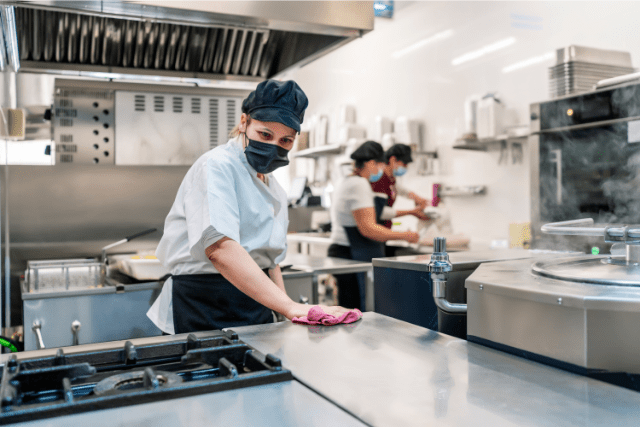
- Commercial Cleaning: This covers offices, retail spaces, apartment common areas, gyms, schools, restaurants, and similar business environments. Tasks often follow standardized checklists to maintain presentation, hygiene, and compliance. Examples of core tasks: vacuuming, mopping, disinfecting high-touch surfaces, trash removal, restroom cleaning.
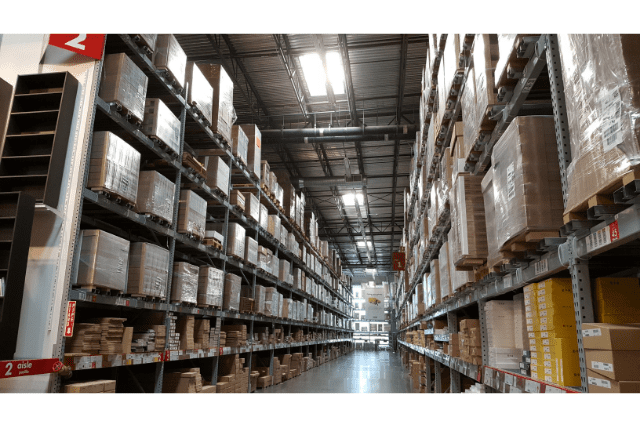
- Industrial Cleaning: This refers to cleaning in manufacturing plants, warehouses, factories, food processing facilities, and production sites — spaces where heavy-duty equipment, industrial residues, and strict safety standards come into play. Services often include degreasing machinery, hazardous waste handling, deep floor scrubbing, and technical sanitation.
While both aim for cleanliness and safety, the technical methods and risks involved are quite different. The line between them shapes everything from team qualifications to regulatory compliance.
Table: Side-by-Side Comparison – Industrial vs. Commercial Cleaning
| Feature | Commercial Cleaning | Industrial Cleaning |
|---|---|---|
| Typical Venues | Offices, schools, retail stores, gyms, restaurants | Factories, warehouses, plants, production lines, food processing |
| Main Tasks | Surface cleaning, floor care, bathrooms, public areas | Machinery cleaning, degreasing, hazardous residue removal, production floor cleaning |
| Chemicals/Products | Standard commercial-grade, eco-friendly options | Industrial-specific, higher strength, often regulated |
| Staff Training | Health standards, equipment handling, customer service | Hazardous material handling, OSHA compliance, technical equipment |
| Frequency | Daily, weekly, or scheduled | Shift-based, production downtime, mandated intervals |
| Safety & Compliance | Sanitation, cross-contamination prevention, workplace safety | OSHA standards, chemical safety, PPE, spill containment |
| Outcomes | Presentation, hygiene, customer/employee experience | Operational safety, contamination prevention, machinery uptime |
Key Service Elements That Set Industrial and Commercial Cleaning Apart
Let’s go beyond the buzzwords and look at the practical, everyday differences clients encounter:
- Scope of Cleaning: Commercial jobs cover broad but less technical spaces (like lobbies, open offices, restrooms). Industrial jobs focus on maintenance of production-critical areas and heavy-duty remediation.
- Equipment Used: Commercial cleaners use mops, vacuums, and basic cleaning tools. Industrial cleaners may operate ride-on scrubbers, steam cleaning units, pressure washers, or specialty waste systems.
- Risk and Complexity: Industrial work often requires confined space entry, hazardous material removal, and lockout/tagout procedures.
- Legal Standards: Industrial sites are governed by stricter regulations, often documented by agencies like OSHA. Commercial spaces emphasize local health and sanitation codes.
What Does Each Service Include? Real-World Checklists and Core Tasks
Commercial Cleaning Checklists:
- Lobby/reception: dusting, vacuuming, trash removal
- Bathrooms: sanitizing toilets, sinks, floors, refilling supplies
- Workspaces: desk surfaces, keyboards, phone sanitizing
- Kitchen/breakroom: appliance surfaces, counters, floors, dishes
- Floors: sweeping, mopping, stain spot cleaning
- High-touch areas: door handles, elevator buttons, handrails
Industrial Cleaning Checklists:
- Equipment: degreasing, disassembling and cleaning components
- Production floor: deep scrubbing, spill response, slip hazard mitigation
- Waste management: hazardous material containment, compliant disposal
- Ventilation: filter replacement, dust extraction, airflow system cleaning
- Special zones: clean room decontamination, sanitation of storage tanks
- PPE compliance: ensuring all staff wear suitable gear for task and area
When Does a Job Qualify as Industrial vs. Commercial? Common Scenarios
Understanding where your situation fits makes a huge difference:
- Scenario 1: Office building with attached warehouse
Front office = commercial; warehouse = industrial (for production/maintenance areas). - Scenario 2: Restaurant kitchen cleaning
Daily cleaning = commercial; deep degreasing/vent hood service = hybrid (borderline industrial technically). - Scenario 3: Manufacturing plant
Production lines/machine floors = industrial; front desks/offices = commercial. - Scenario 4: Healthcare clinics
Patient areas: commercial, but compliance level is higher (see medical cleaning for details).
The difference comes down to risk and specialization: wherever intensive cleaning or regulation is required, it enters “industrial” territory.
Understanding Regulatory Standards: OSHA, EPA, and Health Codes
Regulation is often the greatest differentiator. Industrial cleaning companies must comply with national safety bodies like OSHA, which mandates protocols for handling hazardous chemicals, lockout/tagout procedures, and personal protective equipment. Meanwhile, the EPA offers guidance on waste disposal and site-specific compliance for both industrial and some commercial environments.
- Commercial cleaning is typically supervised under building, fire, and health department codes — ensuring spaces are safe and sanitary for the public.
- Industrial cleaning must document every hazardous process, maintain chemical logs, and routinely train staff on emergency procedures.
Both clients and providers in Chicago benefit from choosing companies that are comfortable navigating both local and federal guidelines, particularly if your property includes a mix of spaces.
Training and Staff Requirements: Skills, Certifications, and Safety
The difference between industrial and commercial cleaning is not just the environment — it’s in the people who do the work. Commercial cleaning teams are trained in public safety, basic chemical handling, customer interaction, and flexible scheduling. Industrial teams, by contrast, often require:
- Specialty certifications (e.g., OSHA 10/30, confined space entry)
- Detailed process and equipment training
- PPE standards and fit testing
- “Right to Know” law training for chemicals
This expertise affects which companies you can trust for certain jobs. Always review credentials and request policy documentation before booking.
Cleaning Frequency and Scheduling: How Timing Differs by Environment
Commercial cleaning usually runs on predictable daily or weekly rotas, before or after business hours. Industrial cleaning, however, is more likely to happen:
- During production shutdowns or slow periods
- On emergency response (spill or contamination events)
- At set regulatory intervals (e.g. weekly, monthly, quarterly — mandated per process)
Planning with these factors in mind reduces downtime and liability for every facility type.
Health, Hygiene, and Safety Considerations for Each Approach
Both types of professional cleaning put a premium on hygiene — but the risks diverge:
- Commercial: Focuses on touchpoints (doorknobs, light switches), restroom sanitation, public health codes, and allergen reduction.
- Industrial: Adds risks like chemical exposure, machine safety, biological hazards, and slip/trip mitigation on production floors.
In both cases, using the correct disinfectants and protective equipment is non-negotiable, and professional companies will have documented processes to limit cross-contamination and protect their team as well as your property.
Selecting the Right Cleaning Company: Key Decision Framework
When searching for a professional cleaning company — especially in a city like Chicago — you need to determine the real scope of your space. Here’s a quick framework:
- Map Your Spaces: List every area to be cleaned and its use (office, production, kitchen, storeroom)
- Assess the Risk: Any hazardous waste, technical equipment, or compliance requirements?
- Frequency Needs: Is the work recurring or special occasion? Daily vs. shutdown periods?
- Regulatory Requirements: Do you need proof of OSHA/EPA compliance or health code clearance?
- Flexible Scheduling: Can the company work off-hours to minimize disruption?
- Transparent Communication: Does the company explain their process, provide clear quotes, and answer your safety questions?
Choose a team, like Quick Cleaning, that is comfortable navigating both commercial and industrial environments and invests in staff safety, equipment, and consistent results.
Case Studies: How the Difference Between Industrial and Commercial Cleaning Plays Out
Case Study 1: Office High-Rise vs. Food Processing Plant
- Office: Daily surface cleaning, bathroom resets, and waste removal. Done off-hours, documented in a standard checklist. Goal: appearance, health, staff productivity.
- Plant: Scheduled shutdown for deep machinery cleaning using industrial degreasers. PPE required, all chemical residue disposed per EPA guidance. Goal: equipment longevity, contamination control, legal compliance.
Case Study 2: Retail Store vs. Manufacturing Warehouse
- Retail: Frequent but simple: floors, dusting, bathrooms.
- Warehouse: Dust reduction, high-level vacuums, oil spill cleanup, and forklift lane demarcation — all performed by trained industrial staff.
Common Overlaps and Misconceptions: Where Clients Often Get It Wrong
Clients sometimes assume:
- “Commercial cleaning covers everything!” In reality, commercial cleaners aren’t always equipped to handle the risks and machinery of industrial settings.
- “Industrial cleaning is only for large factories.” Any site with technical equipment, bulk chemicals, or regulated waste (like large restaurant kitchens) may need industrial-level protocols.
- “Any janitorial company is qualified.” Look for documented industrial experience, training certifications, and customized scope-of-work proposals.
Essential Questions to Ask Before Hiring Any Cleaning Contractor
- What types of cleaning projects has your company completed similar to mine?
- How do you train your staff for industrial or commercial spaces?
- What safety certifications and insurance do you carry?
- Can you provide references from comparable properties or facilities?
- How do you ensure compliance with health, safety, and environmental guidelines (OSHA, EPA, and local health codes)?
- Do you use checklists and reporting to verify completed work?
- Can you accommodate after-hours or production-downtime scheduling?
- How do you handle hazardous materials or sensitive equipment?
Asking these clarifies exactly where a provider’s strengths lie — and protects you from costly mistakes or regulatory penalties.
What to Look For in Professional Cleaning Contracts and Schedules
Before approving any cleaning proposal, carefully review:
- Detailed scope of work (not blanket descriptions)
- Specific mention of cleaning chemicals/equipment used
- Schedules, downtime plans, or emergency procedures
- Reporting/checklist formats (such as digital logs or inspection reports)
- Health and safety process documentation
- Clear pricing with all inclusions
- Staff access protocols (badging, supervised entry, etc.)
Be wary of vague line items or one-size-fits-all proposals. Transparency is a sign of professionalism and prevents misunderstandings.
Industry Trends: Innovations Bridging Industrial and Commercial Cleaning
- Green cleaning: Use of low-toxicity chemicals and energy-efficient tools, guided by EPA standards.
- Data-driven scheduling: Sensors and digital checklists improving frequency and thoroughness.
- Specialization: Companies increasingly focusing on industries (like healthcare, education, or manufacturing) rather than broad service menus.
- COVID-19 impact: Heightened integration of disinfection across both sectors, with stricter documentation and reporting (see post-pandemic reopening guide).
Frequently Asked Questions About the Difference Between Industrial and Commercial Cleaning
- Is commercial cleaning ever enough for a factory or warehouse?
- Not usually. Industrial spaces carry different health and safety risks, require specialized training, and often use cleaning methods and chemicals not found in standard commercial settings.
- Can one company do both commercial and industrial cleaning?
- Yes, but only if they invest in the training, certifications, and insurance needed for industrial jobs. Verify this before hiring.
- What’s a typical checklist for industrial cleaning?
- This can include machine degreasing, hazardous waste handling, deep floor scrubbing, ventilation cleaning, and compliance reporting.
- Which laws apply to cleaning different spaces?
- Commercial cleaning follows local fire and health codes; industrial sites must also comply with OSHA and EPA regulations.
- How is pricing different between the two?
- Industrial cleaning is typically more expensive due to the need for specialized staff, equipment, insurance, and compliance measures.
- Does regular office cleaning include disinfecting?
- Yes, but the products and frequency may differ from the disinfection procedures in industrial or healthcare settings.
- How often should industrial spaces be cleaned?
- This depends on regulations, production schedules, and the type of residues involved. Some require daily cleaning; others only during planned maintenance.
- Are green products available for both types?
- Yes, but product selection must always meet the minimum standard for safety, hygiene, and regulatory compliance.
- What happens if an unqualified company cleans an industrial facility?
- This can result in safety violations, fines, accidents, or business disruption. Always confirm a provider’s qualifications.
Wrap-Up: How to Act on the Difference Between Industrial and Commercial Cleaning
Choosing between commercial and industrial cleaning isn’t just about terminology — it’s about risk, outcomes, and getting maximum value from your cleaning investment. Assess your property’s needs, demand clear documentation from any potential provider, and prioritize companies with a long-standing commitment to staff training, safety, and transparent communication.
If you manage both office and production spaces, look for flexibility and a track record in both environments. If you’d like advice specific to your situation, see our comprehensive guide to finding cleaning services or explore our commercial cleaning checklists.
About Quick Cleaning
Quick Cleaning is a trusted cleaning company serving Chicago, Illinois and surrounding communities. We bring extensive experience to both residential and commercial environments, from recurring house cleaning and move-out cleans to specialized office and facility janitorial services. Our team is trained to handle unique situations across both commercial and light industrial spaces, always prioritizing the right products, attention to detail, transparent scheduling, and open communication. Whether your project is routine or requires rigorous safety standards, Quick Cleaning helps households and businesses in Chicago and nearby areas maintain health, hygiene, and peace of mind.
machines, chicago cleaning service, Chicago Commercial Cleaning, Industrial Cleaning Chicago, commercial cleaning services in Cicero IL, commercial cleaning La Grange, Rogers Park commercial cleaning, commercial cleaning Lake Bluff, commercial cleaning Monee, commercial cleaning companies in Matteson