How Cleaning Errors Delay Unit Re-Rentals: A Landlord and Manager’s Guide
Every day a rental unit sits vacant is lost earning potential for property owners and managers. One silent culprit behind costly vacancy: cleaning errors that delay unit re-rentals. In this in-depth guide, you’ll learn exactly how cleaning errors delay unit re-rentals, the types of mistakes that hold up turnovers, proven strategies for error-free results, and steps for choosing a professional service that keeps your revenue flowing. Whether you oversee apartments, Airbnbs, or commercial spaces in Chicago, knowing how to avoid these costly pitfalls can transform your approach and bottom line.
The Hidden Costs: Why Turnover Cleaning Mistakes Stall Re-Rentals
Quick turnovers protect rental income, but overlooked cleaning errors can create ripple effects that stretch vacancies into weeks instead of days. These mistakes may seem minor, but they can:
- Trigger negative first impressions at showings
- Force rescheduling of prospective tenant tours
- Violate move-in agreements or lead to lease disputes
- Result in loss of repeat or referred renters
- Require expensive last-minute re-cleans
Even in high-demand Chicago markets, delayed unit readiness directly impacts your rental income.
Types of Cleaning Errors Most Likely to Delay Unit Turnover
Not all cleaning issues are equal—some are notorious offenders when it comes to slowing down the re-rental process. The most common delay-triggering errors include:
- Missed High-Touch Areas: Handles, switches, and appliances left grimy are highly visible to viewers.
- Incomplete Kitchen/Bathroom Sanitizing: Lingering odors, stains, and residue raise immediate red flags.
- Carpet Stains, Flooring Residue or Dust: Obvious on tours, they suggest neglect.
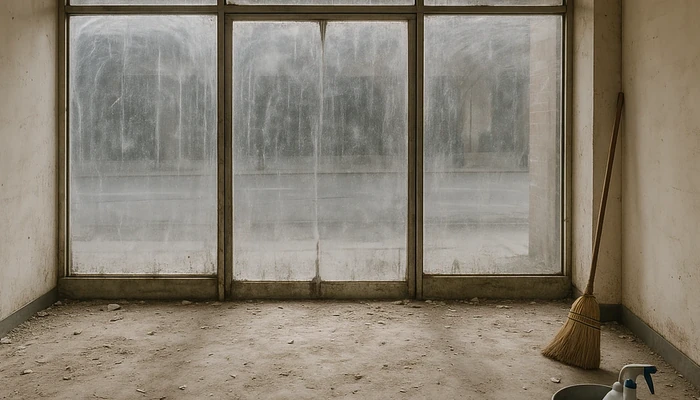
- Skipped Windows and Mirrors: Streaks or handprints break the illusion of a “fresh” space.
- Unaddressed Mold, Mildew, or Moisture: In basements/baths, these signal deeper issues and can lead to costly remediation (see EPA guidance on mold).
- Missed Debris in Closets or Cabinets: Leaving behind forgotten items creates extra handover steps.
How Small Cleaning Issues Escalate into Major Rental Delays
A minor oversight can easily cascade into significant hold-ups:
- Prospective tenant finds an unclean feature
- Requests a delayed move-in, or backs out entirely
- Unit must be re-cleaned, sometimes on short notice
- Handyman or contractor schedules must be rearranged
- Marketing and showing timelines are pushed back
When multiple stakeholders are involved—owners, cleaners, leasing agents—the smallest misstep often costs far more than proactive prevention.
Error-Prone Zones: Where Over 80% of Turnover Cleaning Problems Happen
- Bathrooms: Soap scum, mold, missed grout, dusty vents
- Kitchens: Grease behind appliances, residue in sinks, unemptied cabinets
- Entryways: Mud, debris, scuffed baseboards
- Windows/Glass: Unclean streaks, missed sills
- Carpet/Flooring: Stains, sticky spots, leftover painting tape
- Closets/Storage: Forgotten personal items, hangers, or trash
Targeting these critical areas is key for minimizing turnaround risk.
Real-World Examples: Cleaning Mistakes That Delayed Chicago Re-Rentals
- Skipped Appliance Interiors: A new tenant discovers old food in the fridge/freezer, leading to cancellation and costly loss of rent.
- Lingering Odors: Smoke or pet smells not properly removed, resulting in return visits and re-showings.
- Missed Mold/Mildew: Small bathroom spores prompt professional remediation, adding days or weeks of vacancy (see EPA’s mold remediation guide).
- Carpet Residues: DIY shampooing leaves sticky or damp spots, requiring repeat extraction and delaying showings.
Best Practices to Prevent Cleaning Errors at Turnover
Cut down vacancy by building these defenses into your process:
- Standardized Checklists: Use detailed room-by-room cleaning checklists for every turnover.
- Trained Cleaning Teams: Insist on professionals trained in turn-key standards and using proper equipment.
- Final Walkthroughs: Schedule a detailed inspection after cleaning, before marketing or move-in.
- Clear Communication: Provide cleaning staff with special instructions for unusual stains or repairs.
This professional approach minimizes risk and supports reputation. For actionable turnover checklists and frameworks, see our commercial cleaning checklist and what commercial cleaning includes.
Turnover Cleaning Checklist: Essential Steps to Avoid Rental Delays
| Area | Critical Tasks | Common Errors |
|---|---|---|
| Kitchen | Clean appliance interiors, degrease oven/stove, wipe cabinets inside/out | Missed fridge/freezer, greasy handles, cabinet crumbs |
| Bathroom | Descale fixtures, sanitize sinks/toilets/tubs, scrub grout and vents | Soap scum, mold, dusty fans |
| Living Areas | Dust baseboards/vents, vacuum corners, wash windows | Forgotten dust bunnies, smudged glass |
| Carpets/Floors | Spot-treat stains, mop/grime removal, inspect for residue | Stains, sticky spots |
| Closets/Storage | Empty shelves, remove hooks/hangers, vacuum floor | Forgotten items, debris left behind |
Want a tailored move out cleaning strategy? Explore Move Out cleaning service.
Comparing DIY, Standard, and Professional Unit Turnover Cleaning
- DIY: Often limited by time and expertise—easy to miss critical steps, increasing odds of delays.
- Basic/Low-Cost Service: May skip checklists or not include deep cleaning, missing hidden areas.
- Professional Turnover Cleaning: Uses trained staff, detailed checklists, and offers photographic proof to ensure units are ready to rent without surprises.
For a deeper look at professional standards, see how to find commercial cleaning services.
Decision Framework: Choosing a Cleaning Service That Prevents Delays
When hiring a company, use these criteria to avoid rental turnover pitfalls:
- Ask for Turnover-Specific References: Have they handled move-out cleanings for similar properties?
- Review Turnover Checklists: Request a sample to check for thoroughness and coverage of mistake-prone zones.
- Verify Training and Equipment: Are teams trained in restoration cleaning and odor removal?
- Ask About Post-Cleaning Inspections: Does the provider include a walkthrough or checklist confirmation after finishing?
- Confirm Flexible Scheduling: Can urgent turnovers be accommodated for same-day or next-day slots? Explore same-day cleaning options.
Cleaning for Different Types of Re-Rentals: Customizing Your Approach
- Residential Units: Odor and allergen removal are high priorities; pet and smoke treatments may be needed.
- Airbnb/Vacation Rentals: Hotel-like speed and perfection are essential—small details drive reviews. Read about Airbnb cleaning standards.
- Commercial Offices: Desk sanitizing, breakroom appliance cleaning, and common space readiness prevent staff or client complaints.
- Specialty Facilities: Retail or spa environments may demand additional protocols (for example: spa cleaning).
When to Schedule Deep Cleaning During the Turnover Cycle?
Not every unit requires a full deep clean, but these situations absolutely do:
- Long-term tenancies with heavy usage
- Units with pet residue or strong odors
- Units following construction/remodeling work
- Properties with visible mold, allergens, or prior water leaks
For deep cleaning strategies, see Deep Cleaning service.
Inspection Protocols: Finalizing Turnover Without Missed Steps
Final checklists should include:
- All light switches, door handles, windows, and appliances inspected
- A walkthrough with fresh gloves and an “outsider’s” eye
- Photos or documentation of each cleaned area
- Verification against original move-in checklist
Most delays stem from missing these small confirmation steps—don’t skip them.
Communication and Collaboration: Aligning Everyone for Smooth Turnover
Efficient turnovers happen when owner, cleaning provider, and leasing agent clearly collaborate. Best practices:
- Send detailed cleaning instructions after tenant move-out (list unique repair/clean-up needs)
- Set timeline for cleaning completion and move-in+
- Request status updates or digital check-ins from cleaners
- Keep backup vendors on standby for emergency delays
If you manage high volume turnovers, leveraging technology—like AI-powered checklists or smart logs—can help prevent repeat errors. Learn more in AI in cleaning services.
Tenant Experience: How Post-Cleaning Issues Affect Reviews and Renewals
First impressions matter. Tenants may hesitate to sign or renew if they notice:
- Dirt/stains suggesting poor maintenance
- Unpleasant odors
- Mold, dust, or allergens left behind
For landlords who host short-term rentals or pride themselves on reputation, a single cleaning error can damage long-term profitability. Proactive attention here supports both immediate leasing and brand value.
Regulatory Compliance: Why Overlooking Cleaning Could Cost More Than Rent
Chicago and other municipalities may enforce cleanliness and health code standards, especially for multi-unit, childcare, or health-adjacent buildings. Inspections can fail due to:
- Visible mold, pest evidence, or unsanitary bathrooms
- Failure to meet sanitation protocols set by local codes
Explore the importance of comprehensive compliance in industry infection prevention training.
Step-by-Step Guide: Streamlined Turnover Cleaning to Minimize Rental Delays
- Pre-Move-Out Inspection: Walk unit to spot potential deep cleaning or repairs in advance.
- Prep and Supply Drop-Off: Ensure cleaning team can access unit, water, and power.
- Checklist-Driven Cleaning: Follow a detailed, signed checklist covering kitchens, baths, high-touches, and extras.
- Post-Cleaning Verification: Document with photos, especially problem-prone zones.
- Final Walkthrough: Third-party or management walkthrough within 24 hours of next showing or move-in.
FAQ: Preventing Cleaning-Related Delays During Unit Turnover
- Which cleaning errors most often cause lost rental days?
- Missed kitchens/baths, odors, visible debris, and overlooked mold or stains almost always create leasing delays.
- How can property owners ensure each unit is truly ready?
- Use a standardized turnover checklist, require team sign-offs, and perform a final walkthrough using fresh perspective.
- What’s the best way to verify cleaners did a thorough job?
- Request before/after photos and demand signed checklists from reputable companies.
- Should landlords use the same cleaning service every turnover?
- Consistency improves results, especially with teams trained on your property’s unique needs and expectations.
- When is deep cleaning needed instead of a basic service?
- After long-term tenants, pets, smokers, or when construction dust or stains are present.
- How quickly can professional cleaners turn a unit around?
- Same-day is possible for standard cleanings; deeper jobs may require 24–48 hours depending on unit size and needs.
- Can cleaning errors affect short-term rental reviews?
- Yes: missed details often trigger negative ratings, especially on vacation and Airbnb platforms.
- What if last-minute issues are discovered after tenants arrive?
- Have a rapid response plan and trusted vendor on call—address the problem within 24 hours to salvage tenant satisfaction.
- Do cleaning standards differ for commercial vs. residential turnovers?
- Scope and protocols vary—common spaces and compliance are greater factors in commercial turnover.
- What are the consequences of failing a city inspection due to cleaning?
- Delays, fines, and jeopardized occupancy certificates can all result from cleanliness violations.
Summary: Keeping Rental Turnover on Track
Cutting rental vacancy is about more than cleaning—it’s about getting every step right. By understanding how cleaning errors delay unit re-rentals, targeting problem areas, and working with professional, checklist-driven teams, you can keep your turnovers on schedule and protect your property’s value. When in doubt, trust proven checklists and open communication among all stakeholders. Ready to ensure your next turnover is smooth? Choose experienced partners who specialize in thorough, efficient cleaning.
About Quick Cleaning
Quick Cleaning is Chicago’s trusted expert in residential and commercial cleaning solutions. Our team specializes in recurring house cleaning, deep cleaning, move out cleaning, office cleaning, and special facility cleaning—tailored for homeowners, property managers, Airbnb hosts, and business owners. Every project is managed with professionally trained staff, detailed checklists, and consistent quality standards. Quick Cleaning helps households and businesses in Chicago, Illinois and nearby areas keep their spaces clean and healthy, delivering peace of mind with every visit.
local cleaning services, office and commercial cleaning, chicago commercial cleaning, Joliet commercial cleaning companies, commercial cleaning contractors in La Grange, commercial cleaning Hillside IL, Bensenville commercial cleaning, commercial cleaning contractors in the city of South Holland, commercial cleaning Vernon Hills, commercial cleaning companies in Evergreen Park IL