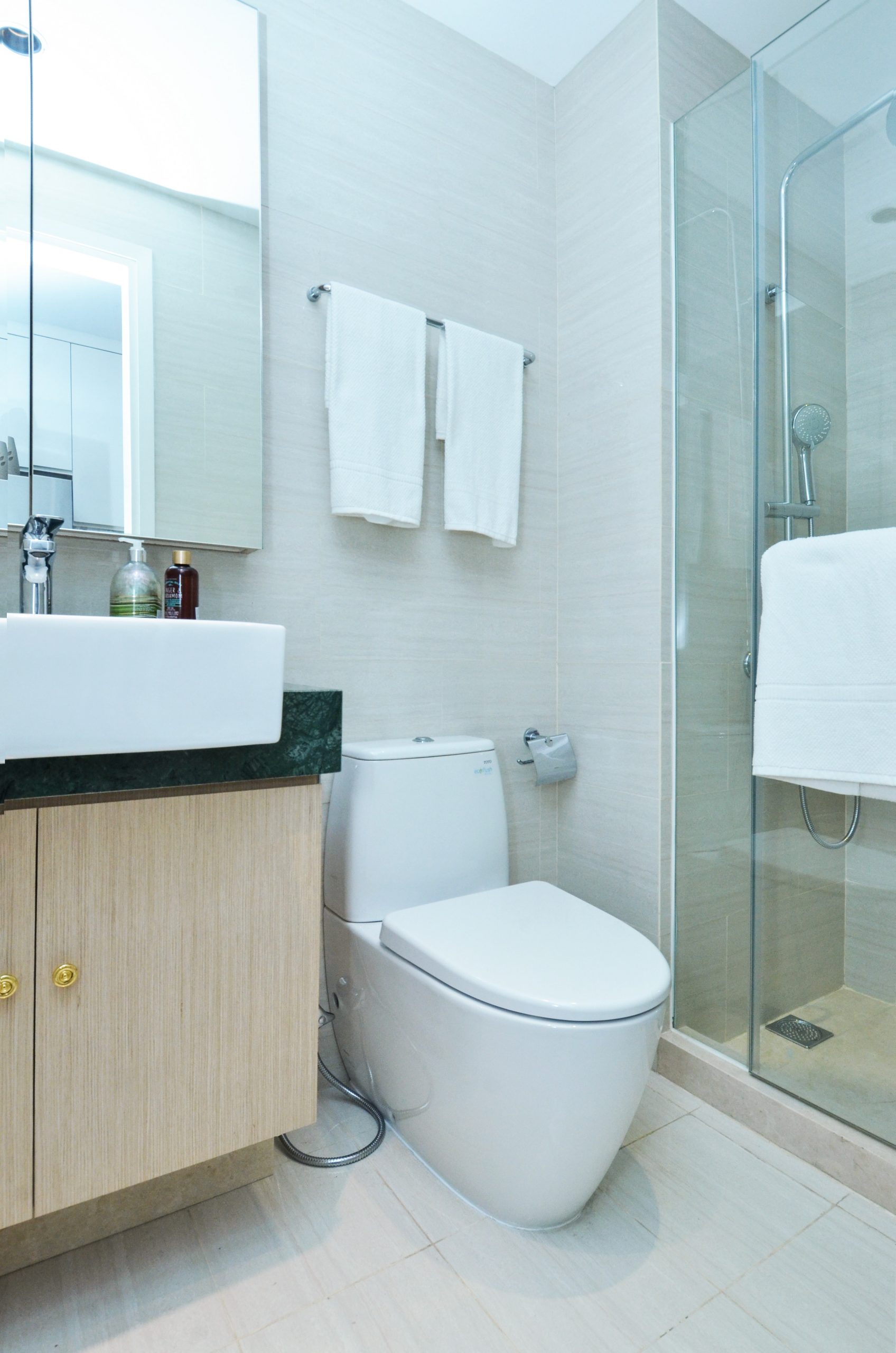
Effective Ways to Remove Toilet Bowl Stains: Safety, Techniques, and Professional Insights
Stubborn toilet bowl stains are a common headache for homeowners, tenants, Airbnb hosts, office managers, and anyone responsible for maintaining a clean bathroom. Not only do these unsightly marks affect hygiene and comfort, but some can become nearly impossible to remove without the right approach. In this complete guide, you’ll learn how to remove toilet bowl stains safely and thoroughly, explore which cleaning products and techniques work for different stain types, get professional checklists and comparison tables, and discover when it’s best to ask for expert help. With a focus on both home and commercial needs in Chicago, this resource delivers actionable advice backed by Quick Cleaning’s experience.
Understanding Toilet Bowl Stains: Identifying the Culprit First
Before grabbing your scrub brush, it’s vital to identify what kind of stains you’re dealing with. The most common types found in residential, rental, and commercial bathrooms include:
- Mineral stains: Caused by hard water, leaving reddish or brown rings (iron), white or chalky deposits (calcium, lime).
- Organic stains: Yellowish or gray due to biological material or limescale buildup mixed with waste residue.
- Blue-green stains: Copper corrosion, often from old pipes.
- Mold and mildew: Black or pink spots, usually from constant moisture or poor ventilation.
Accurately identifying the stain source guides your cleaning method. For instance, mineral stains often require descaling products, while organic stains respond to disinfectants.
The Science Behind Stain Removal: Why Some Methods Fail
Stain removal works best when you match your method to the chemistry of the problem:
- Mineral stains (like calcium or rust) dissolve with acidic cleaners (think vinegar or commercial lime removers).
- Organic/microbial stains need disinfectants to break down residues and kill bacteria.
- Blue-green stains may require specialty cleaners to remove metal deposits.
Over-the-counter toilet cleaners usually contain bleach or hydrogen peroxide, which are good for disinfecting but might not handle mineral build-up. Conversely, harsh acids can damage porcelain if misused. Professional cleaners select products carefully for each stain type and always consider bathroom surface material for safety.
Checklist: Supplies and Safety Gear You’ll Need
- Toilet bowl brush (preferably with stiff bristles and a handle guard)
- Nitrile or latex gloves for hand protection
- Eye protection and optional mask (recommended for strong chemicals)
- Acidic cleaner (white vinegar or professional limescale remover)
- Disinfectant (hydrogen peroxide, bleach—never mix with acid!)
- Pumice stone (safe for porcelain, not for plastic parts)
- Old toothbrush for rim and jets
- Measuring cup or squeeze bottle
- Bucket for rinsing (if needed)
Note: Always read product labels and never mix acidic and bleach-based products—this is a serious safety hazard (toxic chlorine gas risk).
Step-by-Step Guide: How to Remove Toilet Bowl Stains Safely
- Prepare Your Area: Ensure proper ventilation by opening a window or turning on the exhaust fan. Put on gloves and eye protection.
- Empty Toilet Bowl: Turn off the water supply and flush to lower water level. For persistent stains below the water line, use a plunger or cup to remove remaining water for direct access.
- Apply Acidic Cleaner: Pour white vinegar or a commercial limescale remover directly onto stains. Let sit for at least 15 minutes. For tough mineral rings, let it sit up to an hour.
- Scrub Gently: Use the toilet brush or pumice stone, focusing on stained areas. Work in gentle, circular motions; avoid aggressive scrubbing that might scratch porcelain.
- Disinfect: After stains appear lighter, apply a disinfectant cleaner. Allow to sit per manufacturer instructions. Scrub again as needed.
- Treat Rim and Jets: Use an old toothbrush to clean jets and under the rim. Mineral deposits often hide here and cause recurring stains.
- Flush and Inspect: Turn water supply back on, flush, and evaluate results. Repeat steps if necessary, especially for long-term build-up.
- Final Rinse and Wipe: Give the bowl a final flush and wipe surrounding surfaces clean with a disposable cloth or towel. Safely dispose of gloves and used cleaning materials.
Table: Comparison of Home Remedies vs. Professional Cleaning Products
| Stain Type | DIY Remedy | Professional Product | Effectiveness | Notes |
|---|---|---|---|---|
| Calcium/Lime | White vinegar, baking soda paste | Acid-based descaler | High (pro products), Medium (DIY) | DIY safer, pro removes faster |
| Rust/Iron | Lemon juice, vinegar, salt | Commercial rust remover | Medium (DIY), High (pro) | Test on hidden area first |
| Mold/Mildew | Hydrogen peroxide, baking soda | Antifungal disinfectant | High for both if persistent | Ventilation is key |
| Blue-Green Metal | Lemon juice, gentle scrubbing | Specialty copper cleaner | Low (DIY), High (pro) | May indicate plumbing issue |
Frequency Guidance: How Often Should You Clean Toilet Stains?
- Homes with normal use: Full toilet cleaning once a week; quick spot checks after heavy use or guests.
- Shared or commercial restrooms: Daily inspections, cleaning every 1-3 days, and immediate stain removal to prevent accumulation.
- Airbnbs/rentals: After every guest turnover plus routine maintenance.
If hard water is an issue in your area, weekly use of a descaler or vinegar soak dramatically reduces build-up and maintains hygiene. Persistent or recurrent stains despite regular cleaning may signal plumbing issues—seek professional advice as needed.
Hygiene and Health: Why Thorough Stain Removal Matters
Stains are not just aesthetic—many harbor bacteria, mold, or minerals that damage porcelain over time. Failure to treat underlying causes (like hidden buildup under the rim) can impact air quality and hygiene in homes and workplaces alike. According to resources from the DuPage County Health Department, regular disinfection and physical removal of deposits are critical for reducing germs and keeping restrooms safe for all users.
Especially in environments with vulnerable populations (children, elderly, immunocompromised), adherence to recommended cleaning protocols supports public health.
Pro Safety Warning: Cleaning Product Interactions
Never combine bleach-based cleaners with acids (like vinegar or descaler). The reaction releases toxic chlorine gas, a severe health risk. Always rinse the toilet bowl thoroughly between products and ventilate the room. When using strong products, read the label and wear gloves plus eye protection. This is especially important in commercial or multi-user environments where residual product may interact with subsequent cleaning. The Centers for Disease Control and Prevention recommends using appropriate PPE for all intensive bathroom cleaning to protect both workers and residents.
Expert Decision Framework: When to Call a Professional
- Stains won’t budge after repeated DIY attempts or have penetrated deep into porcelain glaze.
- Mold, dark stains, or persistent odors keep returning despite cleaning.
- Bathrooms serve large groups (offices, restaurants, Airbnb units) and require code-compliant cleaning record-keeping.
- Plumbing issues suspected (blue/green stains, recurring rust, leaks).
- Preference for non-toxic, allergy-friendly products (pros can use alternatives and proven protocols).
Professional cleaning teams like Quick Cleaning use commercial-grade equipment, proven checklists, and surface-appropriate products for both residential and commercial bathrooms. They can often restore fixtures that home methods can’t—and provide peace of mind for property managers, hosts, and families.
Detailed Checklist: Deep Cleaning a Toilet Bowl Like a Pro
- Review stain type and gather correct cleaners based on above table.
- Don PPE and ventilate the room (open door/window, mask if needed).
- Clear floor and surrounding area; remove bathmats, bins, items.
- Empty or lower bowl water as described earlier.
- Follow step-by-step stain removal protocol above, pausing between chemicals for safe rinsing.
- Don’t forget: scrub UNDER the rim, inside jets, and the flush holes, where bacteria and scale collect.
- Rinse thoroughly with fresh water and inspect for stubborn rings.
- If reapplication doesn’t work, consider professional intervention before risking damage to the porcelain surface.
Signs You’ve Achieved a Truly Clean Toilet Bowl
- No visible rings, streaks, or colored spots above or below the water line
- Neutral, fresh scent—no musty or acidic odor
- Jets flush evenly; water doesn’t trickle oddly around the rim
- Bowl feels smooth to the touch, not gritty or slimy
- No visible debris or mineral flakes around hinges/hardware
If these benchmarks aren’t met, repeat targeted cleaning or seek advice for specialty products.
Checklist: Preventing Stains Long-Term
- Use a toilet brush and quick-clean product once a week, even if no stains are obvious
- Install a water softener or descaler if your building has hard water
- Flush after every use, especially in multi-occupant restrooms
- Immediately address leaks or continuously running water (which create mineral build-up)
- Leave the lid open to air-dry between cleanings; keep area ventilated
- For Airbnbs/commercial spaces, display guest reminders about not flushing inappropriate items
Comparison: DIY Approaches vs. Professional Toilet Bowl Cleaning
- DIY: Cost-effective in the short term, good for minor stains, immediate access; limitation—may not fully remove long-term build-up, some risk of product misuse, time-consuming for busy individuals
- Professional: Brings advanced tools and eco-friendly products, addresses deep or hidden stains, delivers a predictable standard of cleanliness, especially valuable for high-traffic or rental properties
Commercial offices and landlords often opt for scheduled deep cleaning services to ensure code compliance and reduce wear-and-tear on fixtures—these can be arranged flexibly with teams like Quick Cleaning.
Focus on High-Touch Points: Jets, Rims, Flush Handles
The flush handle and the bowl rim are often overlooked yet harbor high concentrations of germs and mineral films. On every cleaning round:
- Disinfect handles and buttons with a dedicated antibacterial agent (do not use toilet bowl water for this task)
- Inspect under the rim with a mirror to confirm jet cleanliness
Consistent attention to these elements prevents both stain regrowth and germ spread—critical for shared residential and office restrooms.
Safe Disposal and Environmental Considerations
When dealing with strong chemicals, always dispose of dirty water and cleaning materials following local guidelines. Never pour harsh chemicals down rarely-used drains. Consider using biodegradable cleaning options to minimize environmental impact. Our guide to eco-friendly house cleaning tips offers helpful advice for green-conscious Chicago residents.
Reducing Odors: The Overlap Between Stain Removal and Smell
Persistent odors frequently trace back to hidden or old toilet stains. A thorough job addresses the visible marks and source of sour or musty smells. Additional strategies:
- Clean the outside surfaces as well as the bowl
- Refresh with baking soda between deep cleans
- Use vent fans to keep moisture and bacteria at bay
If odors remain, check out guidance on eliminating bathroom odor.
Integration with Whole-Home or Office Cleaning Routines
To maintain both aesthetics and hygiene, synchronize toilet stain removal with broader cleaning schedules for your property. Whether you’re juggling a busy family, a string of Airbnb guests, or daily office staff, incorporating a consistent routine eliminates stains before they become a problem. Professional cleaning companies also customize frequency for homes, restaurants, or event venues.
FAQ: Everything You Need to Know About Removing Toilet Bowl Stains
- How often should I deep-clean my toilet bowl to prevent stains?
Most homes do well with weekly cleaning; high-traffic spaces may need more frequent care. - Are home remedies like baking soda and vinegar truly effective?
These natural options can help mild stains and odor but may not match the power of professional solutions on tough mineral rings. - Is it safe to use a pumice stone on every toilet?
Pumice is safe on genuine porcelain but may scratch plastic or colored finishes; always test first on an inconspicuous spot. - Why do stains keep returning even after cleaning?
Persistent hard water, plumbing issues, or inadequate cleaning of hidden rim jets typically cause recurring stains. - Can professional cleaners remove deep or old stains completely?
In most cases, yes—pros use stronger descalers and careful application, but severe discoloration may be permanent if the glaze is compromised. - What steps can Airbnb hosts take to prevent guest-related residue?
Clean between guests, provide clear signage about flushing, and include quick-clean supplies for emergencies. - Do eco-friendly products work for mineral stains?
Some, like citric acid or vinegar, are effective, but the toughest stains may still require professional-grade options. - What’s the risk of using bleach and acid together?
Combining these chemicals releases poisonous chlorine gas; always rinse thoroughly between products and never mix. - Is there a difference between cleaning rented vs. owner-occupied bathrooms?
Rentals often require more frequent and rigorous stain control due to varied usage patterns and expectations for cleanliness. - How do I keep my toilet clean between scheduled deep cleans?
Use a brush regularly, spot-disinfect after heavy use, and address drips or leaks promptly.
Final Insights and Recommended Next Steps
Removing toilet bowl stains is a technical process that blends correct product choice, methodical cleaning, and regular upkeep. For busy Chicago homeowners, office managers, or rental hosts, investing in professional cleaning—either periodically or for major issues—can ensure lasting results and a superior standard of hygiene. If tough mineral build-up, repeating odors, or unsightly rings persist, don’t risk damaging your fixtures with harsh DIY cycles. Instead, consider teaming up with trusted experts for peace of mind.
Need help with a move-out clean, rental turnover, or scheduling regular deep cleaning for your property? Explore options like Schedule deep cleaning or Move-out cleaning booking to keep every bathroom pristine and welcoming.
About Quick Cleaning
Quick Cleaning helps households and businesses in Chicago, Illinois and nearby areas keep their spaces clean and healthy. Specializing in recurring house cleaning, deep cleaning, move-out cleaning, office cleaning, and facility cleaning, our teams use certified protocols, professional products, and attention to detail in every job. We prioritize transparent communication, flexible scheduling, and long-term client relationships—so your home or workplace always meets a safe and spotless standard.

eco-friendly cleaning product, cleaning company in chicago, House Cleaning Services Chicago, House Cleaning Chicago, house cleaner Lake Villa, Riverwoods house cleaner, house cleaning in Albany Park, house cleaning Algonquin, house cleaner Des Plaines, house cleaning Wicker Park, best house cleaning Cicero IL