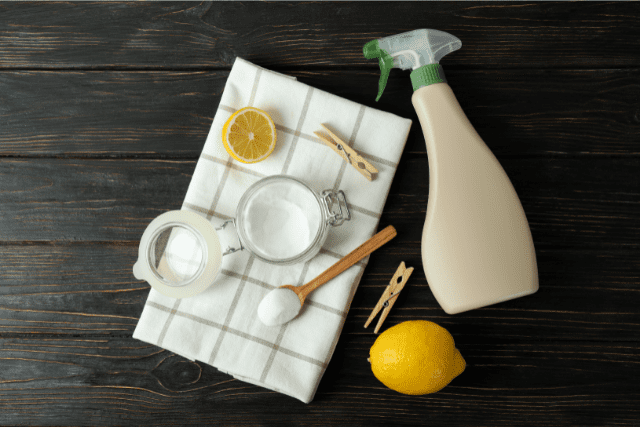
Eco-Friendly House Cleaning Tips: The Complete Guide for a Healthier Home
Are you searching for ways to keep your home clean without exposing your family, pets, or guests to harsh chemicals? Our expert-backed Eco-Friendly House Cleaning Tips guide is here to show you exactly how to transition your routine to safer, greener methods. Whether you’re considering a professional cleaning service like Quick Cleaning, or simply want to take control of your home’s health, this resource offers detailed checklists, smart decision frameworks, and actionable advice that work for houses, apartments, Airbnb rentals, and beyond.
Here, you’ll discover effective products, smart routines, and the latest best practices for eco-friendly cleaning—plus how to evaluate if a company aligns with your values. Let’s make “clean” mean safer, healthier, and more sustainable at home.
Understanding Eco-Friendly House Cleaning: What It Really Means
Eco-friendly cleaning is about reducing your environmental impact while maintaining effective hygiene and safety. This means choosing cleaning products and methods that are safe for people, pets, and the planet. But going green doesn’t have to compromise results.
- Minimize exposure to toxic chemicals for families and visitors.
- Reduce water and energy waste during cleaning routines.
- Support air quality and prevent problematic residues.
For a deeper dive into healthy cleaning product choices, review the EPA’s guidelines on greener cleaning solutions.
Quick Comparison: Traditional vs. Eco-Friendly House Cleaning Methods
| Traditional Approach | Eco-Friendly Approach |
|---|---|
| Chemical-heavy sprays/cleaners | Non-toxic, biodegradable products |
| Use of single-use wipes/paper towels | Reusable microfiber cloths & mops |
| Artificial fragrances and dyes | Natural scent options or fragrance-free |
| Lack of ingredient transparency | Clear, reputable ingredient lists |
| Excess water/energy consumption | Efficient routines & optimized appliances |
Core Principles of Eco-Friendly Cleaning in Every Home
- Use safe products: Select items labeled non-toxic, biodegradable, and free from harsh chemicals.
- Right tools: Rely on microfiber cloths, washable mops, and stable brushes to reduce waste.
- Water efficiency: Don’t let taps run unnecessarily; spot clean with well-wrung tools.
- Ventilation: Air out rooms to improve air quality, especially after cleaning confined spaces.
Get more details on specific supplies with our House Cleaning Supplies & Products Checklist.
Room-by-Room Eco-Friendly Cleaning Checklists
Kitchen
- Wipe counters with a vinegar-water solution (except on stone—see below).
- Use baking soda paste to scrub sinks, stove tops, and fridge shelves.
- Clean appliances with a damp microfiber cloth to avoid scratching surfaces.
- Compost food scraps where possible.
- Sanitize trash lids and handles with eco-friendly disinfectant.
Bathrooms
- Disinfect handles, faucets, and light switches with hydrogen peroxide-based cleaners.
- Scour tubs and tiles using baking soda and natural castile soap.
- Avoid bleach; use white vinegar on glass, but rinse well.
- Clean mirrors with diluted rubbing alcohol for streak-free results.
Living Spaces
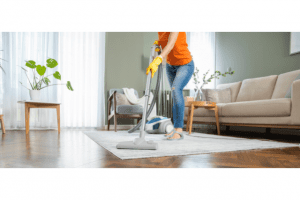
- Vacuum with HEPA filters to trap allergens and minimize dust recirculation.
- Wash throws and cushion covers in cold water with phosphate-free detergent.
- Spot-treat upholstery using natural enzyme-based cleaners.
- Use plants or essential oil diffusers for fresh scents instead of candles or sprays.
Bedrooms
- Dust with damp microfiber; avoid feather dusters that simply move particles.
- Launder linens using unscented, plant-based laundry detergents.
- Open windows for fresh air circulation during and after cleaning.
Floors and Entryways
- Remove shoes at the door to cut down dirt and toxins tracked in.
- Mop using a blend of water and a few drops of eco-friendly soap—check compatibility for hardwood/stone floors.
- For detailed floor care, see wood flooring cleaning techniques.
Choosing Safe and Effective Green Cleaning Products
With labels like “natural,” “eco-friendly,” and “non-toxic” everywhere, it can be confusing. Prioritize:
- Chemical transparency: Clear lists of active ingredients.
- No phosphates, chlorine, or ammonia: These can be harmful to people and pets.
- Concentrated formulas: Reduce plastic waste when diluted at home.
- Third-party certifications: Look for verifications like EPA Safer Choice or Green Seal.
Explore the EPA’s overview of environmental impacts from household products for further reading.
Safe DIY Cleaning Solutions for Everyday Use
All-Purpose Cleaner
- 2 cups water
- 1/4 cup white vinegar
- 1 tablespoon baking soda
- 10 drops lemon or tea tree oil (optional, for scent)
Combine in a spray bottle for use on most hard surfaces (avoid marble, granite, or unsealed stone).
Natural Shower Scrub
- Mix equal parts baking soda and unscented liquid soap
- Apply with a sponge or brush for grout and soap scum
Glass Cleaner
- 1 cup water, 1 cup rubbing alcohol, 1 tablespoon vinegar
Laundry Booster
- 1/4 cup baking soda added to your laundry load helps soften water and reduce odors
Always test new mixtures on small, hidden surfaces first, and reference this supply checklist when building your own kit.
Minimizing Allergens and Improving Air Quality with Green Practices
Eco-friendly cleaning is also about improving indoor air quality and health. Dust, dander, and synthetic fragrances can trigger allergies and asthma. Use scent-free or naturally scented products and address common allergen sources regularly.
- Vacuum high-traffic areas and under furniture weekly.
- Change HVAC and vacuum filters four times a year.
- Wipe down vents and avoid aerosol sprays.
For strategies to reduce household allergens, visit our guide on common allergens at home.
Best Practices for Eco-Friendly Cleaning in Homes with Children or Pets
Children and pets are especially vulnerable to environmental toxins. Keep their spaces clean with the following precautions:
- Store cleaning agents in locked cabinets, regardless of formula.
- Read all product instructions and labels.
- Avoid mixing cleaning agents (even natural ones) without guidance.
- Use extra water to rinse surfaces pets or kids will contact directly.
If you share your home with pets, visit our special cleaning tips for pet owners.
How Professionals Maintain Eco Standards: What to Expect from Green Cleaning Services
Leading cleaning companies, like Quick Cleaning, train staff on safe product use, low-waste routines, and checklists that focus on high-touch areas and common hygiene risks. When hiring, ask:
- Do teams use certified green products and reusable cleaning tools?
- Can they provide Material Safety Data Sheets (MSDS) for their supplies?
- How do they reduce cross-contamination between homes?
- Do they offer flexible scheduling and eco options for specific health needs?
For decision criteria before booking, see this guide to what to expect from home cleaning services.
Eco-Friendly Cleaning for Apartments, Airbnb, and Rental Properties
Short-term rentals and multiunit living spaces benefit from green cleaning. Prioritize:
- Fragrance-free, allergy-safe product usage to avoid guest sensitivity issues.
- Careful attention to shared touchpoints—door handles, remotes, switches.
- Quick-drying, low-residue cleaners for in-between guest visits.
For property managers or hosts, review our resources on Airbnb cleaning or apartment cleaning to ensure you’re offering a healthy environment for every occupant.
Eco-Friendly Deep Cleaning: When, Why, and How
Seasonal or annual deep cleans are essential for targeting build-up in overlooked areas. Plan for:
- Moving large furniture for thorough dusting and vacuuming beneath.
- Cleaning light fixtures, vents, and baseboards with microfiber tools.
- Washing walls and high-touch surfaces with diluted eco solutions.
Align deep cleaning routines with our expert deep cleaning guidance for a sustainable approach.
Addressing Stubborn Stains and Odors Naturally
- Treat carpet stains with club soda and a towel, blotting gently—don’t scrub.
- Counter odors by leaving bowls of baking soda in offending areas overnight.
- Use a 3% hydrogen peroxide solution for tough tile or grout stains.
For specialized stain removal, such as turmeric or bathroom residue, see our posts: turmeric stains and toilet bowl stains.
Reducing Waste and Single-Use Items in Your Cleaning Routine
Eco-friendly cleaning means looking beyond just products—it’s about choices and habits too:
- Swap paper towels for machine-washable microfiber cloths.
- Refill spray bottles with bulk concentrates.
- Compost cotton mop heads and use bamboo/wood handles where possible.
Evaluating Green Claims: How to Avoid “Greenwashing”
Not every “eco” label is created equal. To ensure your choices are truly green:
- Seek third-party product certifications.
- Research ingredient lists—less is often more.
- Check brand track record and consumer reviews.
- Be wary of vague marketing language.
For guidance on what not to use, read our resource on chemicals to avoid when cleaning.
Building an Eco-Friendly Cleaning Kit: Essentials Checklist
- Multiple microfiber cloths (color-coded by use)
- Spray bottles for homemade solutions
- All-purpose eco-friendly cleaner
- Baking soda, vinegar, castile soap
- Reusable mop with washable pads
- HEPA filter vacuum
- Gloves made of natural latex/biodegradable materials
Additional advice is available at how to prepare a cleaning kit.
Integrating Eco-Friendly Habits with Your Cleaning Schedule
Consistency is more important than perfection. Incorporate your new routine with our house cleaning schedule to ensure each area is addressed before problems build up, making green cleaning easier on every visit.
Eco-Friendly Cleaning for Special Circumstances: Seasonal, Holiday, and High-Use Periods
Adjust your eco-cleaning approach during allergy season, holidays, or move-outs.
- Increase frequency of surface sanitation during flu or cold outbreaks. Use only company-vetted disinfectants as needed.
- Opt for fragrance-free products when hosting guests or renters with unknown sensitivities.
- When moving, be thorough but selective with products to avoid leaving residues for new occupants.
For flu season specifics, see our cold and flu cleaning guidance.
Frequently Asked Questions: Eco-Friendly House Cleaning
1. Will green cleaning products disinfect as effectively as chemical cleaners?
Many eco-friendly options, especially hydrogen peroxide or alcohol-based disinfectants, kill common bacteria and viruses. Always read the label and check for EPA-registered claims when serious disinfection is needed.
2. Are DIY cleaning solutions safe to use on all surfaces?
Many are safe, but avoid acids (like vinegar) on natural stone and test everything in a small spot first.
3. How can I know if a cleaning company follows eco-friendly standards?
Ask about their products, training, safety data, and if they follow a formal checklist for green cleaning.
4. Do eco-friendly methods work for severe stains or odors?
They often do, but some tough cases may require professional extraction or multiple treatments with natural methods.
5. Could green cleaning improve indoor air quality?
Yes, reducing synthetic fragrances and residues boosts air quality, especially for asthma or allergy sufferers.
6. Where can I find official guidance on product environmental safety?
See the EPA’s Greener Products page for up-to-date insights and recommendations.
7. Are there eco-friendly options for cleaning wood and specialty floors?
Yes, use diluted natural soap or a specific low-residue cleaner; avoid vinegar on wood or unsealed flooring. Wood flooring advice here.
8. How can I reduce single-use waste in my cleaning routine?
Choose washable cloths, refillable bottles, and concentrate-based solutions over disposable wipes or bottles.
Next Steps for a Greener, Healthier Home
Adopting an eco-friendly cleaning routine doesn’t have to be complicated. Start by swapping out a few conventional products for safer alternatives, follow checklists for each room, and work with professionals willing to uphold high green standards. Healthy habits and proactive choices lead to improved well-being and peace of mind.
If you want to experience the difference of a professional approach, discover how Quick Cleaning supports healthy, eco-friendly homes for families, tenants, and businesses alike. For a custom quote or to learn more about our green practices, see our house cleaning service or contact us directly for a personalized plan.
About Quick Cleaning
Quick Cleaning is a leading provider of residential and commercial cleaning, serving Chicago, Illinois, and nearby communities. Our team specializes in recurring house cleaning, deep cleaning, move out cleaning, office cleaning, and facility services, always with a focus on using professional, eco-friendly products and refined methods. We train our staff to follow strict safety, quality, and hygiene standards, and our transparent communication ensures long-term relationships with every client. Quick Cleaning helps households and businesses keep their spaces clean, healthy, and environmentally responsible throughout the year.

green products, chicago cleaning service, house cleaning company chicago il, house cleaning chicago il, Des Plaines house cleaning, South Loop house cleaning, Cicero house cleaning, Bedford Park house cleaning, best house cleaning Joliet, Norridge house cleaner