Salon Suite Cleaning Boundaries: What Stylists Should Handle Before Cleaners Arrive
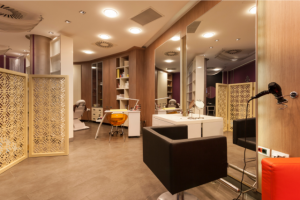
If you’re a salon suite stylist or salon owner in Chicago striving for top-tier cleanliness, knowing exactly where your responsibility ends and the professional cleaning company’s work begins is crucial. Unclear cleaning boundaries lead to overlooked hygienic details, misunderstandings, and even health code violations. In this comprehensive guide, you’ll discover proven frameworks, practical checklists, and real-world scenarios centered on Salon Suite Cleaning Boundaries: What Stylists Should Handle Before Cleaners Arrive. You’ll leave with the exact steps stylists should complete before the next scheduled cleaning visit, tips for clear communication with your service providers, and best practices to keep your salon suite healthy, welcoming, and inspection-ready. Quick Cleaning brings Chicago’s leading expertise in detail-oriented professional cleaning with a focus on transparent processes and lasting client relationships.
Understanding Salon Suite Division of Cleaning Duties
Every salon suite setup—whether operated solo or shared with other professionals—relies on a division of labor for cleanliness. Stylists handle daily maintenance, tool sanitation, and client touchpoint cleanup. Professional cleaners perform deep disinfection, floor care, dusting, and restroom sanitation on a scheduled basis. Clear agreements prevent overlap, missed spots, or confusion among staff and clients.
- Stylists’ duties: Client station wipe-down, tool soaking, spills management, daily trash removal, keeping aisles hazard-free.
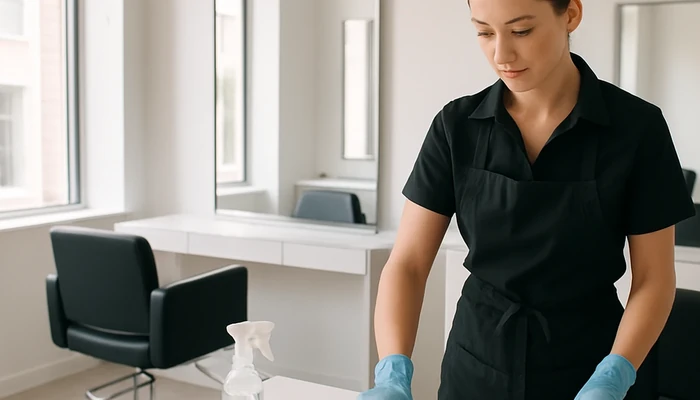
- Professional cleaners: High/low dusting, floor mopping, bathroom deep cleaning, general disinfection, replenishing supplies (if agreed).
Essential Pre-Cleaning Tasks for Stylists
Before the cleaning service arrives, stylists should complete a series of targeted actions that cannot wait until the professional cleaners’ visit. These tasks prepare the suite for efficient cleaning and reduce cross-contamination risk.
- Sanitize reusable tools and store them appropriately.
- Clear off surfaces: Remove salon equipment, personal items, and product displays from countertops.
- Remove hazardous materials: Safely dispose of biological waste or sharp items like razors and color foils.
- Empty all personal and client trash bins.
- Wipe client chairs and shared touchpoints.
- Secure valuables and sensitive documents.
Comparing Stylist vs. Cleaner Responsibilities: At-a-Glance Table
| Task | Stylist’s Responsibility | Cleaner’s Responsibility |
|---|---|---|
| Tool disinfection | Yes (end of every appointment) | No |
| Floor sweeping | Spot clean after each client | Thorough cleaning per visit |
| Restroom trash | Dispose of personal/professional items | Receptacle emptying and sanitizing |
| High-touch surface wipe-down | Between every client | Full disinfectant application |
| Hazardous waste removal | Yes (sharps, chemicals) | No |
| Dusting decor & displays | No | Yes |
| Product restocking | Yes | Only if contracted (by request) |
Practical Checklist: What Stylists Should Always Handle Before Cleaners Arrive
- Soak and disinfect all combs, scissors, clippers, and applicators
- Return all products to storage or designated bins
- Remove hair clippings and spills from stylist chairs and mats
- Wipe product residue from sinks, bowls, counters
- Dispose of single-use items
- Bag and remove hazardous or biomedical salon waste
- Remove or lock up personal valuables
- Clear electrical plug areas so cleaners can access floors
- Update your cleaning log or checklist (if required by management)
Why These Boundaries Matter for Hygiene and Safety
Strict boundaries between what stylists handle and what cleaners manage reduce the risk of infection, cross-contamination, and legal exposure. Proper preparation:
- Keeps high-use items sanitized throughout the day—crucial between client appointments
- Ensures professional cleaners aren’t exposed to hazardous salon waste outside their training
- Protects sensitive equipment and client data during cleaning
- Creates accountability so standards never slip
Examples of Salon Suite Setups: Who Does What?
Not every salon suite operates the same way. The following common arrangements inform cleaning role boundaries:
- Single stylist, rented suite: The stylist handles all daily and between-client cleaning. Cleaners come for scheduled deep cleans.
- Multi-stylist shared suite: Clear chore division is a must—each stylist cleans after themselves; chore charts ensure shared surfaces are addressed daily.
- Salon suites with front desk staff: Reception may handle shared spaces, but each stylist still preps their area pre-cleaning.
- High-traffic salons: Increase cleaning frequency and communication.
Daily vs. Weekly: Recommended Cleaning Frequency by Area
- Client chairs, tools, and workstations: After every appointment
- Bathroom and high-touch door handles: Multiple times daily
- Waiting areas: At end of each day; deep cleaned weekly
- Backbar/product storage: Weekly wipe-down, inventory monthly
- Floors: Sweep/mop daily; professionally cleaned weekly or biweekly, depending on traffic
Set Up Your Salon Suite for Cleaning Success
To keep everyone on the same page:
- Post a visible checklist for stylists’ daily tasks
- Create labeled bins for dirty tools, hazardous waste, and laundry
- Use color-coded rags for different cleaning zones
- Communicate all changes in the cleaning schedule or expectations
- Train every new stylist or renter on these boundaries
Preparing for an Inspection: Stylist’s Role Before Cleaners
Regulatory and health inspections often review daily logs, tool sanitation, and compliance with written hygiene procedures. Before a scheduled inspection:
- Confirm all tools are cleaned, dried, and properly stored
- Check that client-facing surfaces are spotless
- Review hazardous waste disposal logs
- Ensure MSDS (Material Safety Data Sheets) are accessible for all chemicals
- Coordinate with your cleaning company for recent service logs
Communicating Boundaries with Cleaning Teams
Professional cleaning teams, like Quick Cleaning, rely on clear, written expectations to deliver consistent results. Tips to avoid misunderstandings:
- Share this checklist or your internal pre-cleaning guide with your cleaner
- Document any customized boundaries unique to your suite
- Establish a process for reporting accidents, missed duties, or urgent requests
- Schedule regular walk-throughs with both staff and cleaning providers
Salon Suite Cleaning Boundaries Case Study: Chicago Stylist Experience
In a Chicago salon suite, the stylist team struggled with recurring issues: product residue left on counters, after-hours valuables unsecured, and confusion over who handled color waste. By implementing a written checklist and scheduling pre-clean meetings with Quick Cleaning, they significantly reduced cleaning time, earned positive inspection reports, and improved client satisfaction.
Adapting Boundaries for Special Events or High Volume Periods
During busy seasons, holidays, or promotional events, it’s critical to adjust cleaning routines. Stylists may need to increase between-client wipe-downs or create a rotation for rapid chair turnover. Notify your cleaning service provider of any unusual foot traffic or mess (e.g., glitter spills), so they can allocate extra time or resources.
- Confirm additional bin availability for single-use items
- Plan breaks for mini-cleaning sessions between appointments
- Request spot cleaning from your provider if available
Frequently Asked Questions: Salon Suite Cleaning Boundaries
- Do stylists have to disinfect tools or can cleaners handle that?
- Stylists must disinfect all tools between every client, as this falls under Personal Service Hygiene Laws and cannot be delegated to cleaning staff.
- Should stylists empty their own trash or will cleaning crews handle it?
- Stylists should regularly empty their work station and client trash bins, especially for hazardous materials. Cleaners will empty central bins during their visit.
- Can professional cleaners remove chemical spills or color stains?
- Cleaners can handle surface cleaning and general stain removal but are not responsible for managing chemical or hazardous spills. These must be handled by trained stylists using industry-approved disposal methods.
- Who is responsible for laundering towels or capes?
- Usually, stylists handle laundering unless specified in the cleaning contract. Professional teams can collect laundry from designated bins if agreed in advance.
- What if there’s confusion about who cleans a specific area?
- It’s best to create a written division of duties, communicated to all involved. Quick Cleaning recommends a walkthrough with your cleaning provider at contract start.
- What are common overlooked items before the cleaner arrives?
- Unsecured valuables, accumulated hair clippings in corners, chemical residue near color stations, and full sharps bins are the most overlooked tasks.
- How can stylists ensure compliance before regulatory inspections?
- Use a structured checklist, keep logs updated, and coordinate with your cleaning partner for proof of recent deep cleans or sanitation services.
- Should clients ever be responsible for any cleaning?
- No, client safety and experience are the responsibility of stylists and management.
Wrap-Up: Building Lasting Cleaning Partnerships in Salon Suites
Establishing clear salon suite cleaning boundaries between stylists and professionals is a proven strategy for hygiene, client trust, and business efficiency. By following the detailed checklists above, customizing cleaning agreements, and communicating proactively, you set the stage for reliable, stress-free professional cleaning. Whether you operate solo or manage a full team, Quick Cleaning is here to support your success with industry expertise and flexible service options.
Need specialized cleaning for Airbnb turnovers, deep cleans, or frequent commercial needs? Airbnb cleaning, deep cleaning service, and office cleaning service are just a few of the custom solutions available for Chicago salon professionals.
For more detailed guidance on daily salon routines, visit our in-depth resource: How to Clean Your Salon.
About Quick Cleaning
Quick Cleaning helps households and businesses in Chicago, Illinois and nearby areas keep their spaces clean and healthy every day. Our professionally trained staff delivers consistent quality in recurring house cleaning, deep cleaning, move out cleaning, office cleaning, and specialty facility cleaning. We use the right products and procedures for every environment, maintain open communication, and focus on building long-term relationships based on trust and outstanding results.
cleaning services in chicago, salon cleaning services, salon cleaning, beauty shop cleaning South Loop, salon cleaning Bradley, salon sanitation cleaning Ukrainian Village, salon deep cleaning Albany Park, beauty salon cleaning West Dundee, barbershop cleaning Evergreen Park, hair salon cleaning Elmhurst