Salon Sanitation Logs Salon Owners Should Keep Between Professional Cleanings
Running a successful salon in Chicago—or anywhere—requires maintaining impeccable hygiene. But what truly sets high-performing salons apart is the system they use to track cleaning, sanitation, and disinfection, especially between visits from professional cleaning providers. This in-depth guide explains which sanitation logs salon owners should keep between professional cleanings, why these records matter, and how to create a process that keeps your clients, team, and reputation protected. Along the way, we’ll break down sample log templates, expert compliance tips, and the subtle ways detailed recordkeeping supports both daily operations and professional cleaning results. If you’ve ever wondered exactly what records to maintain for a sparkling, safe salon between pro cleans, you’re in the right place.
Why Sanitation Logs Matter Between Professional Salon Cleanings
Sanitation logs do more than keep track of chores; they are a documented defense for your health code compliance and your professional reputation. When meticulously maintained, these logs:
- Demonstrate regulatory compliance during inspections
- Document staff accountability and training adherence
- Refute customer complaints or safety concerns
- Guide your professional cleaning team for more efficient, thorough service
- Uncover trends—allowing you to proactively fix problem areas before they escalate
Without up-to-date sanitation records, even the best salons risk falling short on safety, especially in high-touch and high-traffic areas between sessions from experts like Quick Cleaning.
Core Types of Salon Sanitation Logs to Maintain
While exact log types depend on your facility, all salons should routinely document these core categories:
- Daily Cleaning Log: Tracks routine cleaning/disinfection by area and task
- Tool & Equipment Disinfection Log: Records sanitation of implements, basins, and tools
- Chemical Usage Log: Ensures safe, appropriate use/storage of cleaning and disinfectant agents
- Laundry/Soft Goods Log: Documents towel, cape, linen, and uniform sanitation cycles
- Incident/Spill Log: Captures any biohazard, chemical, or bodily fluid events
- Pest Screening Log: Records sightings or preventive checks
- Professional Cleaning/Deep Disinfections Log: Tracks dates, notes, findings from outside services
Constructing an Effective Daily Cleaning and Disinfection Log
Your daily cleaning log is a cornerstone for health and safety in between scheduled deep cleans. Each entry should include:
- Date and staff initials or name
- Area/zone cleaned
- Specific tasks performed (sweeping, mopping, wiping surfaces, disinfecting high-touch points, etc.)
- Products and chemicals used
- Time cleaning was completed
- Supervisor sign-off (where appropriate)
Below is an example of a structured daily cleaning log for reference:
| Date | Area/Zone | Task | Product Used | Completed By | Time | Supervisor Sign-Off |
|---|---|---|---|---|---|---|
| 2024-07-10 | Reception Desk | Wipe, Disinfect | EPA Disinfectant | JK | 9:30 AM | AB |
| 2024-07-10 | Shampoo Bowls | Clean, Sanitize | Bleach Solution | JK | 10:15 AM | AB |
| 2024-07-10 | Waiting Area | Vacuum, Disinfect | Multi-Surface Cleaner | JK | 11:00 AM | AB |
Designing an Equipment and Tool Sanitation Log
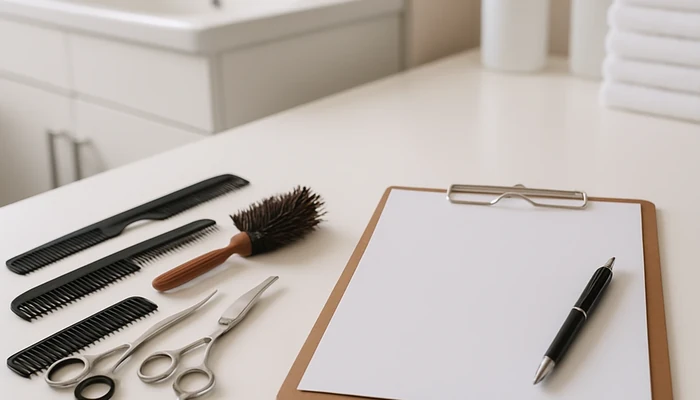
To comply with health authorities, salons must document that all implements—scissors, combs, clippers, brushes—are sanitized after each use. A dedicated log creates a clear record and prevents lapses.
- Tool ID/Description
- Date/Time of cleaning
- Type of disinfectant used (for compliance, reference EPA-registered disinfectants)
- Staff member responsible
Rotating, visible logs send a message of accountability to your team and confidence to your clients.
Laundry and Soft Goods Hygiene Records
Documenting when towels, gowns, aprons, and linens are laundered reduces pathogen risks. Your log should include:
- Date and time
- Items laundered
- Washer/dryer temperature or cycle (sanitizing hot water settings)
- Staff initials
For added trust, keep recent entries accessible for client and staff review near treatment areas.
Chemical Inventory and Usage Logs: Regulatory Best Practices
All cleaning agents and disinfectants must be handled safely. A chemical usage log tracks every product (especially concentrated or hazardous chemicals), with fields for:
- Date of use/stocking
- Product name and lot number
- Purpose (routine clean, spill cleanup, specific protocol)
- Staff responsible
- Any incident notes or disposal records
This is also your evidence in case of regulatory inquiry or accidental exposure incidents.
Incident and Spill Response Documentation
Any blood, bodily fluid, or hazardous chemical spill—no matter how small—should be recorded immediately. This log should document:
- Date and time
- Location
- Nature of incident (e.g., blood droplet, chemical splash)
- Response steps (cleaning agents used, PPE worn)
- Initial and follow-up by supervisor
Such transparency helps protect employees and clients, and is vital for insurance or regulatory investigations.
Pest Monitoring and Prevention Logs
Salons are vulnerable to pests because of product storage and waste. Keep a simple log of all pest checks, findings, and actions:
- Date of inspection
- Area checked
- Findings or evidence
- Actions taken
- Professional pest service call (if needed)
This not only helps keep bugs or rodents away, but also strengthens your preventive hygiene program between professional cleaning visits.
Professional Cleaning and Deep Disinfection Record-Keeping
After every service from outside companies (like salon cleaning professionals), log the visit:
- Date of cleaning
- Vendor name (e.g., Quick Cleaning)
- Scope/areas cleaned
- Special treatments (disinfection fog, floor care, etc.)
- Service notes, observations, or follow-up recommendations
This helps staff stay coordinated and highlights any areas needing extra attention between professional cleans.
Structuring and Storing Your Logs: Physical vs. Digital Approaches
Organizing your sanitation records well is as important as recording them. Modern salons may choose:
- Physical Binders: Paper forms with tabs by log type, stored in central back-office locations for easy updates
- Digital Systems: Spreadsheet templates, mobile apps, or salon management software with log features for instant input and retrieval
Ensure all log formats are:
- Regularly backed up (paper or digital)
- Accessible during health or insurance inspections
- Secured against tampering or accidental deletion
Review storage protocols annually to ensure they meet local regulations in Chicago and best practices.
Setting Responsibilities: Who Fills Out Salon Sanitation Logs?
Logs are only effective when consistently—and honestly—completed. Assign clear responsibility for each log type:
- Daily area tasks: Individual stylists or shift-specific cleaning team members
- Supervisory review: Salon manager or designated senior staff
- Incident logs: Any present team member initiates; supervisor completes follow-up sections
- Laundry logs: Designated attendant, front desk, or rotating team members
Build logging expectations into onboarding and regular training, and reinforce consequences for incomplete or falsified entries.
Integrating Sanitation Logs With Professional Cleaning Service Schedules
Effective owners share their logs with professional cleaning providers to:
- Pinpoint trouble zones in daily cleaning execution
- Identify surfaces needing extra attention
- Plan for high-risk periods (e.g., flu season, allergy spikes)
- Customize service to address your actual salon workflow and challenges
This cooperation ensures that routine cleaning, disinfection, and deep cleanings work as one seamless hygiene system.
Sample Salon Sanitation Log Templates (Daily, Weekly, Monthly)
To get you started, here are examples of practical log structures:
- Daily Log: Area, task, staff initials, product, completion time, supervisor check
- Weekly Deep Clean Log: Zones (vents, under furniture, product shelves), high-wear surfaces, task list, date, initials
- Monthly Review Log: Staff meeting notes, inspection review, updates to cleaning protocols or products
Tailor templates to your salon’s unique zones and service menu.
Ensuring Compliance: Local Regulation and Inspection Considerations
Chicago and most states have strict regulations on salon cleanliness. Logs should be ready for sudden inspections. Pro tips:
- Use plain, easy-to-read forms
- Never backdate or alter entries
- Save digital backups in secure, accessible locations
- Document disinfectants using EPA-registered disinfectant names/lot numbers
- Regularly update log templates to reflect evolving health standards
If you need to report regulatory or ethical violations, you can use the EPA’s OIG complaint form for responsible escalation.
Hygiene Pitfalls: Common Logkeeping Mistakes and Solutions
- Unclear handwriting or missing details: Use digital logs with dropdowns where possible
- Forgetting to log infrequent or “quick” tasks: Incorporate reminders or checklists into daily huddles
- Failure to regularly review logs as a team: Set a recurring agenda item for weekly team meetings
- Stale log templates: Update forms annually or after regulation changes
Vigilant log maintenance directly improves your salon’s daily standards and inspection outcomes.
Elevating Salon Cleanliness: Connecting Logs to Results
When upheld, sanitation logs foster:
- Predictably clean and inviting environments
- Consistent health code compliance
- Faster, more efficient deep cleanings from outside technicians
- Greater peace of mind for clients, staff, and owners
For high-risk settings (medispas, high-traffic salons), logs are even more critical for demonstrating diligence between professional cleanings by teams like Quick Cleaning.
FAQ: Salon Sanitation Logs Between Professional Cleanings
- How often should different logs be updated?
Daily logs after each shift; tool and chemical logs per use; incident logs as needed; weekly/monthly logs for deep cleaning and policy review. - Is a digital or paper log better for inspections?
Both are acceptable; digital logs offer easier search and backup, but paper forms are fine if clean, organized, and legible. - Which disinfectants should I document using?
Always log the use of EPA-registered disinfectants for regulatory compliance. - What should a supervisor review for in sanitation logs?
Missed entries, unclear details, product usage errors, or outstanding incident items. - Do I need to log professional cleaning visits?
Yes; logging each pro cleaning visit helps coordinate daily, weekly, and deep cleaning efforts. - How can logs improve professional cleaning results?
By showing areas missed during daily routines, logs guide deep cleaning teams to focus on trouble spots. - Can sanitation logs help resolve client complaints?
Absolutely; logs serve as proof of regular cleaning if concerns arise. - How should salon staff be trained on logkeeping?
Onboarding sessions, clear written protocols, and periodic refreshers ensure consistent logging habits. - Do different salon zones require unique logs?
You may use one log with multiple zones or separate logs for busy/high-risk areas like bathrooms or back rooms. - How long must I keep old sanitation logs?
Keep at least 12–18 months of records, longer if required by city/state law.
Conclusion: Strengthening Salon Operations with Smart Logkeeping
Maintaining comprehensive, transparent sanitation logs is not just an administrative task—it’s a key pillar of salon safety and professionalism, especially between deep cleans. By recording your cleaning routines, tool disinfection, chemical use, and incidents daily, your team communicates responsibility to clients, empowers professional cleaners with actionable data, and reduces regulatory risk. An effective log system also supports staff training and continuous improvement. If you want expert support or a customized cleaning schedule for your Chicago-based salon, consider professional salon cleaning service or contact Quick Cleaning for a consultation on how logs and pro cleanings work best together.
About Quick Cleaning
Quick Cleaning helps households and businesses in Chicago, Illinois and nearby areas keep their spaces clean, healthy, and welcoming. Specializing in recurring house cleaning, deep cleaning, move out cleaning, office cleaning, and facility cleaning, our team of trained professionals follows up-to-date hygiene protocols and detail-oriented standards. We use appropriate products for each surface, offer flexible scheduling, and are known for transparent pricing and reliable communication. Whether your needs are residential, commercial, or specialized facility cleaning, you can trust Quick Cleaning to prioritize the safety and satisfaction of your staff and clients.
cleaning service chicago, beauty salon cleaning, salon cleaning Cleaning Services Chicago, salon deep cleaning Dundee, barbershop cleaning Rosemont, salon sanitation cleaning Palatine, hair salon cleaning Willowbrook IL, nail salon cleaning Morton Grove IL, beauty shop cleaning Alsip, beauty salon cleaning Glencoe