Understanding the Most Common Allergens at Home: Practical Guide for Healthy Living
Dealing with allergies in your home or business can feel overwhelming—persistent sneezing, watery eyes, or even worsening asthma may all be triggered by substances you can’t always see. Many people don’t realize that the most common allergens at home often lurk in plain sight or deep in carpets, furniture, or HVAC systems. This comprehensive guide will help you identify key allergens in homes and commercial spaces, understand their risks, and implement proven cleaning routines to reduce triggers. Whether you’re looking to improve family health, support sensitive tenants, or create a safer environment for guests and employees, you’ll find actionable insights and practical checklists here. Our framework draws on the expertise of Quick Cleaning, recognized for our detailed, careful, and consistent approach to eliminating allergens in Chicago homes and businesses.
1. Core Allergens Hiding in Homes: Full List & Where They Accumulate
- Dust mites: Accumulate in bedding, soft furniture, carpets, and even stuffed toys. Invisible to the naked eye, they thrive in humid environments.
- Prime zones: Bedrooms, living rooms, carpeted spaces, curtains
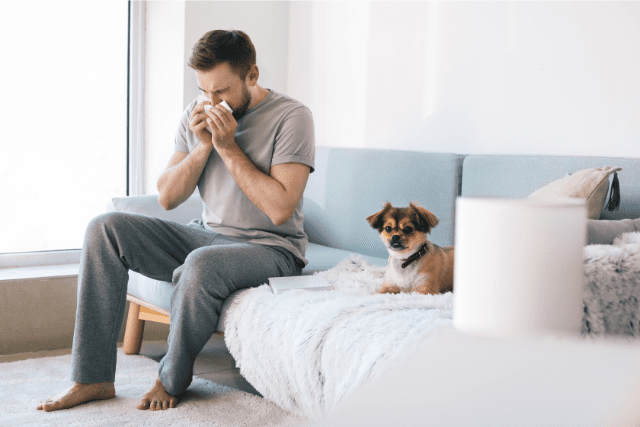
- Pet dander: Microscopic skin flakes and proteins from cats, dogs, birds, and rodents that linger on surfaces long after a pet leaves the room.
- Prime zones: Sofas, carpets, bedding, air filters, clothes
- Pollen: Blown indoors during spring and fall, sticking to floors, window sills, and HVAC systems.
- Prime zones: Entryways, window tracks, air vents
- Mold spores: Grows in damp, dark corners: bathrooms, basements, kitchens, HVAC units.
- Prime zones: Shower tiles, under sinks, refrigerator drip trays, inside wall cavities
- Cockroach droppings: More common in multifamily or older buildings; builds up behind appliances and in cracks.
- Prime zones: Behind stoves, refrigerators, and cabinets
- Indoor chemicals (volatile organic compounds, or VOCs): Released by common cleaners, paints, and fragrances.
- Prime zones: Bathrooms, kitchens, recently painted rooms
The Allergen Hotspot Table: Sources and Cleaning Frequency
| Allergen | Main Source | Where They Lurk | How Often to Clean |
|---|---|---|---|
| Dust Mites | Bedding, upholstery, carpets | Mattresses, sofas, rugs | Weekly |
| Pet Dander | Pets, their bedding | Furniture, vents, curtains | Weekly |
| Pollen | Open windows, vents | Window sills, floors | Biweekly (seasonal) |
| Mold Spores | Damp surfaces | Bathrooms, basements | Monthly / After leaks |
| Cockroach Droppings | Kitchens, cracks | Behind appliances | Monthly / On sight |
| VOCs | Cleaners, paints | All rooms | Use safer products, ventilate |
2. How Allergens Impact Health: Recognizing the Signs at Home and Work
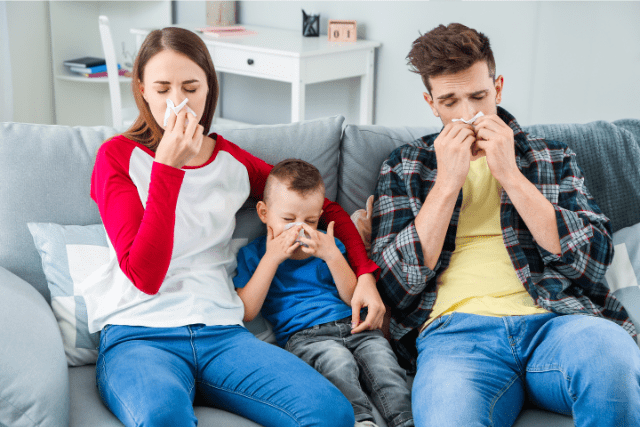
- Increase in sneezing, coughing, runny nose—especially mornings or after cleaning
- Red, itchy, or watery eyes; worsened asthma symptoms, eczema flare-ups
- Fatigue, headaches, irritability (often overlooked as allergy symptoms)
- For sensitive groups (young children, elderly, people with asthma): risks include more frequent medical visits and interrupted sleep
Understanding the specific reactions common allergens provoke helps in tracing them at their source and guides cleaning routines for maximum relief.
3. Sneaky Sources: Less-Obvious Places Allergens Accumulate
- HVAC and air filters: These systems circulate dust and dander with each cycle
- Stuffed toys & decorative pillows: Often missed during routine tidying
- Laundry areas: Pollen and dust cling to dirty clothes piles
- Closets & storage bins: Undisturbed items build up dust and sometimes mold
- Bookshelves, photo frames, electronics: Collect dust over time and can be allergy triggers
4. Dust Mites vs. Pet Dander: Key Differences & Cleaning Tactics
- Dust mites are invisible and feed on dead skin—flourishing especially in humid summer months
- Pet dander comes from furry/scaly pets and sticks to almost any surface, including those without visible fur
Cleaning Tactics Comparison
- For dust mites: Use allergen-proof mattress/pillow covers, launder bedding in hot water weekly, vacuum with HEPA filter, reduce humidity below 50%
- For pet dander: Bathe and groom pets regularly, keep them out of bedrooms, steam clean upholstery and carpets monthly, wash pet bedding weekly
5. Mold, Pollen, and VOCs: Seasonal and Indoor Hazards
- Mold thrives in damp, warm areas—watch for spots or musty smells after leaks/rain
- Pollen peaks in spring and late summer; highest risk if you open windows/doors frequently
- VOCs from standard cleaning products, air fresheners, and some furnishings can be potent triggers
Field-Tested Tips
- Fix leaks and dehumidify damp areas
- Choose hypoallergenic, unscented, and certified green cleaning products
- Change HVAC filters every 1–3 months; schedule deep system inspections yearly
6. Allergen-Reduction Cleaning Routines: Weekly, Monthly & Deep-Cleaning
High-Impact Weekly Tasks
- Vacuum carpets and area rugs with a HEPA-filter vacuum (at least 1–2x per week)
- Damp-mop hard floors—don’t dry-sweep, which stirs up particles
- Launder bedding on a hot cycle
- Dust surfaces with a damp microfiber cloth (avoid feather dusters that spread allergens)
- Wash or replace kitchen and bathroom towels
Monthly/Seasonal Focus Areas
- Steam clean curtains, upholstered furniture, and pet bedding
- Clean window tracks, air vents, and ceiling fans
- Organize closets/under-bed areas—don’t let dust build up beneath clutter
- Check for mold in bathrooms and basements; treat visible patches promptly
Refer to EPA best practices for schools and commercial buildings, as many apply to homes too: EPA’s indoor air quality standards.
7. DIY vs. Professional Cleaning: When Is It Time to Call Experts for Allergy Relief?
- DIY suffices for: Routine cleaning, maintenance of small spaces, using your own equipment (if HEPA-equipped)
- Professional cleaning recommended for:
- Post-construction or move-in/move-out situations
- Allergen flare-ups despite regular cleaning
- Deep cleaning of HVAC systems, high/tough-to-reach areas
- Persistent mold problems
Professionals like Quick Cleaning use hospital-grade vacuums, hypoallergenic cleaning agents, and detailed checklists for every job—reducing the chance that allergens are missed in hidden areas.
8. Choosing Safe and Effective Cleaning Products Against Allergens
- Look for fragrance-free, dye-free formulations certified by environmental agencies
- Avoid mixing cleaners (e.g., bleach with ammonia), which can produce irritating fumes
- Prefer EPA Safer Choice labeled products to protect sensitive groups
- Store cleaning chemicals out of children’s and pets’ reach, and always ventilate spaces after use
9. Room-by-Room Guide: Targeted Approaches for Every Space
Bedroom
- Launder bedding weekly
- Vacuum under the bed and between mattresses
- Reduce fabric clutter (extra pillows, heavy curtains)
Living Room
- Vacuum couches and area rugs with attachments
- Wipe down electronics and under cushions
Kitchen & Dining
- Clean behind appliances
- Wash curtains, dust light fixtures
- Mop floors thoroughly
Bathroom
- Scrub tiles and grout
- Wash bath mats regularly
- Ventilate after showers to prevent mold
Workspace/Office
- Sanitize keyboards, phones, and hard surfaces
- Keep storage organized to prevent buildup
10. What to Look for When Hiring Allergy-Aware Cleaning Professionals
- Trained staff using systematic checklists and specialty tools such as HEPA-filter vacuums
- Open to using client-requested (“green” or hypoallergenic) cleaning products
- Clear communication about what services are included and which products will be used
- Positive reviews specifically mentioning success in managing allergies
- Flexibility to schedule deep cleanings or recurring maintenance
For detailed expectations, see our post here.
11. How Recurring Cleaning Reduces Allergens vs. One-Time Deep Cleans
- Recurring cleaning (weekly, biweekly, or monthly): Drastically lowers dust, pet dander, and other airborne irritants that would otherwise accumulate between cleanings.
- One-time deep cleans are effective for immediate relief or move-in/move-out but should be paired with routine visits for lasting benefits.
See these cleaning schedule recommendations for healthy homes.
12. Special Considerations: Allergy Management for Pets, Kids, and Sensitive Groups
- Use allergen-reducing mattress and pillow covers for children and allergy sufferers
- Keep pets groomed, vacuum with pet-specific equipment, and restrict pet access in the most sensitive bedrooms
- For Airbnbs or rental turnovers, always request post-cleaning allergen checks
- Remind staff and residents about no-smoking indoors, as smoke residue worsens symptoms
13. Allergen-Control Checklist for Homes, Offices & Rental Properties
- Laundry completed weekly, including bedding and washable curtains
- High-touch surfaces (switches, railings, knobs) sanitized biweekly
- All vacuuming performed only with a HEPA unit
- Air filters and vents inspected/cleaned monthly
- Visible mold spots inspected and treated immediately
- Pet areas (beds, feeding zones) cleaned weekly
14. Allergen Prevention During Move-In, Move-Out, or Renovations
- Request a professional deep-clean if you’ve just moved or completed renovations (construction dust is a common trigger)
- Use air purifiers during moves and new furniture installs
- Seal boxes and sweep vacuum debris outside, not inside
For more advice, visit pre-open house cleaning tips and spaces needing professional cleaning.
15. Frequently Asked Questions About Allergens at Home
- How do I know if dust mites are causing my allergies?
Dust mite allergies commonly cause sneezing, itchy eyes, and worsened congestion after a night in bed or when cleaning carpets. Look for clues in bedrooms and bedding. - Does vacuuming with a HEPA filter really make a difference?
Yes. HEPA filters trap microscopic particles, so they’re not just recirculated into the air. This greatly reduces allergens. - Should I wash ALL bedding and curtains every week?
Bedding should be washed at least weekly in hot water—even more frequently if you have allergies. Curtains can usually be cleaned monthly unless pets or heavy pollen exposure are present. - Can pets stay if someone in the family has allergies?
Many families manage this by grooming pets regularly, keeping sleeping quarters pet-free, and intensive cleaning of surfaces with HEPA filtration. - What about hard-to-clean or commercial spaces?
Offices, gyms, religious spaces, and retail areas often need professional-grade cleaning with customized checklists. Ask about specialized commercial cleaning options if you manage such spaces. - Are air purifiers a good substitute for regular cleaning?
They help—but don’t remove the root sources stuck in carpets, furniture, and bedding. Combine purifiers with routine cleaning for best results. - How often should my HVAC system be cleaned?
Homeowners should change filters every 1–3 months. Full professional duct cleaning is best every 1–2 years, or more if allergies persist. - What cleaning products should I avoid for allergies?
Steer clear of scented products, strong chemicals, and anything without a clear ingredient list. Safer options include EPA-approved products. - How long do allergen particles stay active on surfaces?
Some proteins, like pet dander, can remain potent for weeks without professional removal. Routine cleaning lowers this risk significantly. - Do professionally cleaned homes really make a difference?
Yes. Trained cleaners follow detailed protocols and use equipment most households don’t have, reaching hidden spaces and removing stubborn allergen build-up.
Summary: Allergy Control for Healthier Homes & Workspaces
Knowing the most common allergens at home—and how, why, and where they hide—empowers you to take meaningful steps for healthier, more comfortable spaces. Whether you prefer a DIY approach or want the peace of mind that comes with professional cleaning, start with targeted routines for bedrooms, living spaces, and high-traffic areas. For added confidence, consider regular professional cleanings with allergy-reducing standards. A cleaner home isn’t just about appearance but also about wellness, focus, and day-to-day comfort for everyone who walks through your door.
Looking for more practical guides? Don’t miss related topics on eco-friendly cleaning, eliminating dust, and seasonal cleaning for health.
About Quick Cleaning
Quick Cleaning provides detailed, reliable cleaning for homes and businesses in Chicago, Illinois, and surrounding communities. We specialize in recurring house cleaning, move-out/move-in services, deep cleaning, office and facility cleaning, with a trained team using professional-grade products and checklists designed for health, safety, and lasting relationships. Our commitment to transparent pricing and open communication has helped Chicagoans create healthier, more comfortable spaces for families, tenants, and employees. Trust our experience for cleaner air, reduced allergens, and greater peace of mind.
Chicago, cleaning services, chicago house cleaning, house cleaning in chicago, Summit house cleaner, house cleaning in Des Plaines IL, West Loop house cleaning, house clean service Barrington, house clean service Lake Villa IL, house clean in Westmont