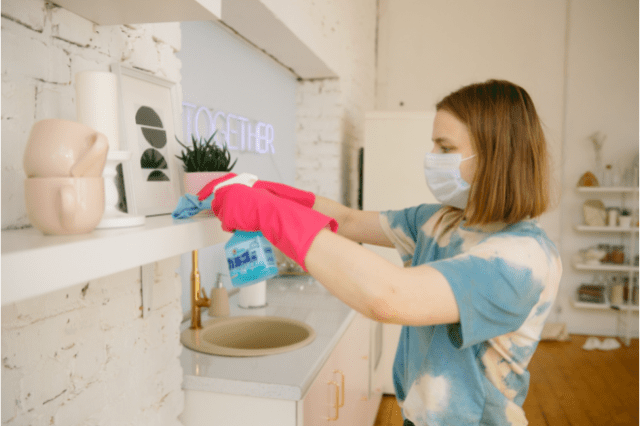
Cleaning Tips for Cold and Flu Season: A Professional’s Guide to Healthier Spaces
Every year, cold and flu season brings fresh challenges to homeowners, renters, landlords, Airbnb hosts, and business owners in Chicago and beyond. Germs spread rapidly indoors—especially in shared and high-touch spaces. The urgency to keep your environment healthy means smart, science-based cleaning is more vital than ever. This comprehensive guide explains cleaning tips for cold and flu season with a professional edge: you’ll discover priority touchpoints, cleaning frequency, proven disinfection strategies, and how professional companies like Quick Cleaning help your space stay safe—whether it’s a cozy home or a high-traffic office. Use these insights to sharpen your cleaning routine, avoid common errors, and make confident decisions if you plan to hire a pro.
Understanding How Colds and Flu Spread Indoors
Before diving into expert cleaning strategies, it’s vital to understand why cold and flu viruses are so persistent indoors. These viruses, including influenza and rhinoviruses, can linger on surfaces for hours—sometimes even days—waiting to hitch a ride onto hands, faces, and everyday objects. In busy Chicago households and businesses, this means a single sneeze or cough can initiate a chain reaction, contaminating everything from doorknobs to shared remotes. This knowledge shapes what—and how—you clean during the season.
- Droplet Transmission: Viruses travel through the air when someone coughs or sneezes, coating nearby surfaces.
- Contact Transmission: Hands that touch contaminated items, followed by touching the face, can spread illness rapidly.
- Survival on Surfaces: Certain cold and flu viruses remain viable for 24–48 hours on hard surfaces.
High-Risk Touchpoints: Where Viruses Linger Most
Professional cleaning companies focus on areas where germs accumulate and spread most easily. For cold and flu prevention, these priority zones should be cleaned and disinfected far more often—sometimes multiple times daily.
- Door handles, knobs, and push plates (home and office)
- Light switches and elevator buttons
- Remote controls and shared electronics
- Toilet flush levers, faucet handles, and bathroom counters
- Appliance handles (fridge, microwave, coffee machines)
- Handrails (stairs, hallways, building entrances)
- Shared desks, tables, and reception counters
- Phones and computer keyboards/mice
- Gym equipment in fitness or home gym areas
Pro Tip:
Create a digital or printed checklist covering high-frequency areas for your unique space. Repeat disinfection here can offer the biggest return for prevention.
Essential Cleaning Supplies and Disinfectant Guidance
Using the right cleaning agents is crucial—some products clean but do not kill viruses. Here’s what professionals recommend during cold and flu season:
- Disinfectant Wipes/Sprays: Choose EPA-registered products proven to eliminate cold and flu viruses (always read labels for “virus” claims).
- Microfiber Cloths: These trap more germs and soil than standard rags. See benefits of using microfiber cloths for details.
- Disposable Gloves: For bathroom and kitchen cleaning; prevent cross-contamination.
- Safer Choices: If you prefer less harsh chemicals, use EPA Safer Choice products when suitable.
- Soap and Water: Still highly effective for general cleaning before disinfecting.
Checklist: What to Stock for Cold/Flu-Season Cleaning
- EPA-approved disinfectant spray or wipes
- Alcohol-based hand sanitizer (min 60% alcohol)
- Microfiber cloths and backup supply
- Disposable gloves
- Paper towels or clean reusable towels
- Mask (recommended for cleaning affected spaces)
For a more extensive list covering every scenario, visit the House Cleaning Supplies & Products Checklist.
Room-by-Room Professional Cleaning Checklists for Peak Season
Different rooms collect germs differently—here are detailed recommendations for each major area:
Kitchens
- Disinfect appliance handles, counters, cabinet pulls, faucet
- Clean sinks with a disinfecting product: see how to clean a kitchen sink
- Wash dish towels and sponges frequently; replace when worn
Bathrooms
- Sanitize toilet seats, flush levers, faucets, countertops
- Wipe shower handles and light switches
- Replace hand towels regularly, especially if someone is sick
Living and Common Spaces
- Focus on remotes, game controllers, phones
- Spray and wipe all high-touch furniture points (chair arms, switches)
- Vacuum and mop floors—more often if people are sneezing or coughing
Offices and Shared Workspaces
- Sanitize desktops, keyboards, and shared office devices
- Clean meeting room tables and chair backs
- Disinfect door handles and copyroom equipment doors
Integrated, room-based checklists help standardize cleaning—critical for offices and Airbnb cleaning teams as well as busy homes.
Professional Frequency: How Often Should You Clean During High Season?
During cold and flu months, frequency matters as much as technique. Here’s a practical breakdown for common environments:
| Area | Recommended Cleaning Frequency |
|---|---|
| Personal Bedrooms | 2–3 times per week (focus on switches, remotes, handles) |
| Kitchens | Daily for counters, handles; weekly for deeper cleaning |
| Bathrooms | Daily for sinks, faucets, toilet levers; weekly for full bathroom surfaces |
| Living Rooms | 2–3 times per week (devices, remotes, arms of furniture) |
| Shared Offices | Before/after each workday and after meetings |
| Entryways/Hallways | Multiple times daily if high-traffic |
Lifestyle and occupancy affect these numbers. If someone in the space is already ill, increase disinfection to every use in affected areas.
The Science of Disinfection Versus Cleaning: What Really Works?
Cleaning and disinfecting are not interchangeable—professionals are trained to distinguish the two:
- Cleaning = removes dirt, dust, and some germs using soap and water.
- Disinfecting = uses specific chemicals (EPA-registered) to kill viruses and bacteria.
Science confirms that cleaning first, then disinfecting, is more effective than either step alone. For more information, reputable resources like the U.S. EPA’s cleaning guidance provide background on standards and label meanings.
Tip:
Always allow disinfectant sprays or wipes to “dwell” on surfaces for their recommended time (often several minutes) before wiping. This ensures viruses are fully inactivated.
Differences Between DIY and Professional Cleaning for Virus Control
Why hire a professional, especially during a viral outbreak? Here’s what distinguishes professional cleaning teams like Quick Cleaning from DIY routines:
- Systematic Approach: Trained staff follow rigorous, room-by-room checklists missing in typical home routines.
- Product Selection: Pros use commercial-grade disinfectants, some not available to the public.
- Frequency and Consistency: Scheduled maintenance ensures no key tasks are skipped, especially on high-traffic days.
- Attention to Hidden Areas: Under-furniture, window latches, appliance controls—pros clean beyond the obvious.
- Cross-contamination Prevention: Separate sets of cleaning cloths and tools for bathrooms, kitchens, and common spaces.
Want to experience the difference? See what’s included in a standard home cleaning or office cleaning service.
Creating Your Personalized Cold & Flu Prevention Cleaning Plan
One approach does not fit all. Effective virus prevention adapts checklists and product choices to your household, business, or rental:
- Assess Exposure Risk: More people, higher traffic, or frequent guests mean more cleaning rounds.
- Map Priority Zones: Use a floorplan or checklist to identify your home’s riskiest areas.
- Choose Effective Products: For children or those with sensitivities, select products from trusted safe lists.
- Set a Schedule: Block out specific times or assign routines to household members. For landlords or property managers, communicate expectations to tenants.
- Plan for Special Circumstances: Increased cleaning after gatherings/parties or if someone is ill.
Professional Tips for Airbnb, Rental, and Multi-Occupant Properties
Short-term rental and multi-tenant properties need tailored approaches during peak cold and flu periods. Highlights for property managers and Airbnb hosts:
- Take extra care with frequently handled surfaces: lockboxes, keys, remotes, and kitchen tools.
- Leave out disinfectant wipes for guest use and include visible cleaning checklists to reassure tenants or guests.
- Provide backup supplies (toilet paper, paper towels, hand sanitizer) to reduce last-minute store trips and added exposure risks.
- Change linens and towels between every guest—no exceptions.
For more in-depth guidance, see our hub on Airbnb cleaning or the practical rental property cleaning service.
Best Practices for Safe Cleaning: Hygiene Habits and Cross-Contamination
Even perfect products can’t protect you without smart habits. Professionals are trained to:
- Wash hands thoroughly before, during, and after cleaning
- Use gloves—then remove and discard between rooms or tasks
- Never use the same cleaning cloth for kitchen and bathroom areas
- Store cleaning materials in a dedicated, safe place
- Ventilate spaces when using disinfectants—open windows or use fans
- Launder microfiber cloths and mop heads after every session
Effective cleaning is as much about workflow and habits as it is about products. Avoid common hygiene mistakes to maximize your efforts.
Healthy Air Matters: Cleaning and Ventilation for Seasonal Virus Control
While surfaces are important, indoor air quality contributes significantly to cold and flu spread—especially in the winter months when windows are closed. Professional recommendations include:
- Use HEPA air purifiers in high-traffic rooms and bedrooms, especially if anyone is sick
- Change HVAC filters regularly
- Open windows for brief periods during milder winter days
- Clean air vents and fans with disinfecting solutions
These steps increase virus removal from indoor air, creating a multi-layered defense beyond surface cleaning.
The Truth About “Overcleaning”: Dispelling Myths and Avoiding Harm
It’s possible to “overclean” by using harsh products too often, especially around sensitive people or pets. Key tips:
- Follow product instructions—more is not always better
- Balance disinfectant use with regular soap-and-water cleaning
- Prefer products on trusted regulatory lists for safe home use
- Test new cleaners on a small area first to prevent surface damage
Read more about product safety in cleaning to keep your household healthy without unintended side effects.
Extra Steps for Households with Children, Seniors, or Immunocompromised Individuals
Vulnerable people need extra precautions during cold and flu season:
- Disinfect toys and commonly touched objects daily
- Focus on bathroom and kitchen cleanliness, as shared-use spaces
- Ensure all cleaning products are child- and pet-safe
- Communicate clearly with all household members about cleaning routines
- Increase cleaning frequency if someone has cold or flu symptoms
Personalized cleaning routines and checklists for vulnerable populations can help prevent the spread of illness in multi-generational homes or facilities.
Comparison: DIY vs. Professional Cleaning—Where’s the Value?
- DIY Cleaning: More affordable, flexible, but can skip key tasks, especially during busy weeks.
- Professional Cleaning: Brings speed, experience, and consistency—especially important during outbreaks or seasonal spikes.
If you’re managing an office, short-term rental, or simply desire peace of mind, professional help might provide better hygiene control for cold and flu prevention efforts. When in doubt, compare what’s included by checking deep cleaning services.
Practical Checklist: Cold & Flu Season Cleaning Essentials
- Create a visible cleaning schedule and checklist for your home or office
- Stock up on approved disinfectants and cleaning supplies before peak season
- Prioritize high-touch areas first in every cleaning round
- Wash hands and change gloves between spaces
- Educate everyone in the space about best hygiene
Adapt and print this list to hang on your fridge or breakroom to reinforce healthy habits for all household members or staff.
Choosing a Reliable Cleaning Company for Seasonal Virus Prevention
What should you look for in a professional cleaning partner during cold and flu season?
- Trained, Background-Checked Staff: Quality teams follow strict checklists and hygiene protocols
- Service Flexibility: Can they handle recurring, deep, and emergency cleaning?
- Product Transparency: Will they disclose which disinfectants are used?
- Open Communication: Are schedules, pricing, and expectations clear?
- Proven Track Record: Ask for local references and read reviews
For homes, offices, schools, or special facilities, evaluate companies based on these criteria and feel free to ask about training and checklists. If you need specialized cleaning for unusual spaces, Quick Cleaning offers customized commercial cleaning as well.
Frequently Asked Questions: Cold and Flu Season Cleaning
- How often should I disinfect high-touch surfaces during cold and flu season?
- Professionals recommend disinfecting common surfaces like doorknobs, counters, and electronics at least daily, and increasing frequency if someone is sick or if traffic is high.
- Are all cleaning products safe for children and pets?
- No. Always select products rated as safe for home use and check EPA Safer Choice listings. Ensure areas are ventilated and consider residue when kids or pets are present.
- Does cleaning air vents really help prevent cold and flu?
- Yes, cleaning and maintaining air vents and filters reduces airborne viruses, especially when combined with HEPA filtration and increased ventilation.
- Should I clean more if someone in my household has flu symptoms?
- Definitely. Disinfect shared bathrooms, kitchens, and all high-touch items after every use to reduce spread.
- What’s more important: deep cleaning or frequent light cleaning?
- Consistency and frequency are key. Daily attention to high-risk areas matters most, with periodic deep cleaning for long-term prevention.
- Is it necessary to use specialized products, or is soap enough?
- Soap and water are effective for basic cleaning. For disinfection (virus killing), use EPA-registered products on exposed surfaces.
- How can landlords or Airbnb hosts reassure guests about hygiene?
- By providing visible cleaning checklists, extra disinfectants, and proof of professional cleaning procedures between stays.
- Can overuse of disinfectants damage my surfaces?
- Yes, improper use can harm some materials. Always follow instructions and avoid using harsh disinfectants on delicate surfaces.
- How can I avoid re-contaminating spaces after cleaning?
- Change gloves, use separate cloths for each room, and wash your hands regularly—in line with professional cleaning company protocols.
- What makes a cleaning company reliable for cold and flu prevention?
- Look for consistent procedures, trained staff, clear product usage, and flexible service options such as recurring and emergency cleaning.
Summary and Seasonal Cleaning Takeaways
With the right approach, cold and flu season doesn’t have to mean inevitable illness in your home or business. Focus on targeted, frequent cleaning of high-touch surfaces using effective disinfectants, tailored checklists for each room, and strong hygiene habits. Whether you handle cleaning yourself or opt for professional support, the ultimate goal is health, safety, and peace of mind. Stay proactive, adapt strategies for your unique space, and partner with reliable professionals when you want extra protection. For more healthy home insights, explore practical guides like the guide to common allergens at home or benefits of a clean home.
About Quick Cleaning
Quick Cleaning delivers professional cleaning for homes, apartments, offices, and specialized facilities throughout Chicago, Illinois and surrounding areas. Our teams specialize in recurring house cleaning, deep cleaning, move out cleaning, office cleaning, and custom facility cleaning. Every staff member is trained to follow strict checklists, use appropriate products for every surface, and prioritize your health—especially during cold and flu season. Transparent communication, flexible scheduling, and commitment to long-term relationships define our mission. Quick Cleaning helps households and businesses in Chicago, Illinois and nearby areas keep their spaces clean and healthy.

equipment and cleaning products, chicago cleaning company, best house cleaning chicago, house cleaning in chicago, house cleaning Yorkville IL, house cleaning Wood Dale IL, house cleaning Cedar Lake IL, house cleaning Evanston, house clean in Logan Square, house cleaning in Hammond, Bannockburn house cleaner