
Top Cleaning Habits You Should Not Have: Rethink Your Routine
Many people believe their daily or weekly cleaning routine is effective—yet certain cleaning habits you should not have are still widespread. These counterproductive habits don’t just waste time; they can spread germs, damage surfaces, and even harm your health. In this guide, you’ll discover which cleaning habits to avoid, why they seem innocent but aren’t, and how to adopt safer and more effective methods. Backed by professional cleaning standards followed at Quick Cleaning and referencing authoritative industry sources, you’ll learn to clean smarter, not harder.
Understanding Why Bad Cleaning Habits Develop
Even with good intentions, outdated or misinformed practices can slip into your cleaning routine. Let’s analyze why these persist:
- Influence of family traditions: Cleaning techniques passed down generations may not be updated for today’s standards.
- Misinformation from online sources: Not all “cleaning hacks” are safe or effective.
- Time-saving shortcuts: In a rush, quick fixes can seem appealing, but often cause bigger issues later.
Recognizing the roots of these habits empowers you to adopt professional, science-backed methods. Infection prevention guidelines further support the importance of adopting proper cleaning techniques in both homes and professional settings.
Overusing Cleaning Products and Disinfectants
One of the most common cleaning habits you should not have is overusing products, believing more is always better. Excessive use doesn’t mean increased cleanliness—in fact, it can leave residue, trigger allergies, and damage surfaces. According to cleaning industry best practices, appropriate product usage and dilution are key to safe cleaning.
- Check product labels for recommended amounts and dilution instructions.
- Use disinfectants only on high-risk surfaces; daily cleaning does not always require harsh chemicals.
Signs of Overuse
- Sticky floors or streaked windows after cleaning
- Lingering chemical odors
- Respiratory, skin, or eye irritation
Skipping High-Touch Points and Neglected Areas
It’s easy to overlook light switches, doorknobs, and other touchpoints. This bad habit allows germs to linger in areas most likely to spread illness.
- Make a checklist that specifically covers high-touch points. See recommended supply checklists for guidance.
- Pay close attention in kitchens, bathrooms, entryways, and shared workspaces.
Commonly Missed Spots
- Remote controls and electronics
- Refrigerator handles and appliance buttons
- Light switches and thermostats
Cleaning in the Wrong Sequence
Cleaning top-to-bottom and from cleanest to dirtiest areas is a core professional principle. Reversing this order spreads dirt and germs.
- Wrong habit: Sweeping/vacuuming before dusting, or cleaning floors before countertops.
- Right habit: Dust higher surfaces first, then floors last to catch debris.
Using Old, Dirty, or Cross-Contaminated Cleaning Tools
Reusing unwashed sponges, mops, or cloths is a key cleaning habit you should not have—these tools can become sources of contamination.
- Change or disinfect sponges, mop heads, and cloths regularly.
- Color-code or label cleaning tools by room (e.g., bathroom-only, kitchen-only) to avoid cross-contamination.
- See benefits of microfiber cloths as a reusable, cleaner option.
Ignoring Product Contact Times
Some cleaning agents and disinfectants need to remain wet on a surface for a certain period—called the “dwell time”—to properly kill germs. Wiping away too soon is a habit that dramatically reduces effectiveness.
- Read disinfectant labels and follow the indicated contact time, typically 1–10 minutes.
- Let sprays sit before wiping, especially on sinks, counters, and high-risk areas.
Relying on Air Fresheners Alone Instead of Addressing Odors
Masking odors with sprays or plug-ins is another common cleaning mistake. This habit treats symptoms, not causes, and can introduce unnecessary chemicals into indoor air.
- Focus on source removal: clean pets’ spaces, wash fabrics, empty trash regularly.
- See natural ways to maintain a fresh-smelling home.
Steps for Odor Elimination
- Identify the source (e.g., kitchen, bathroom, carpet).
- Remove and wash affected materials or treat with recommended products.
- Ventilate the area for at least 10–20 minutes.
Not Letting Cleaning Solutions Do Their Job
Spraying and immediately wiping is ineffective for grime, soap scum, or disinfecting. Give the solution time to break down dirt before wiping or scrubbing.
- Tip: Apply product, tackle another task for several minutes, then return to wipe for better results.
Cleaning Only Where Dirt Is Visible
If you only clean what you see, you’re likely missing dust, pathogens, and residues in less obvious places. This practice is especially problematic for homes with children, pets, or allergies (more about hidden allergens).
- Regularly move small furniture, check behind appliances, and clean under beds and sofas.
- Schedule deeper cleaning activities monthly or quarterly.
Misusing Cleaning Products (Mixing Chemicals)
Mixing bleach and ammonia (or other incompatible products) can create toxic fumes. Always follow product instructions and never combine products unless explicitly permitted.
- See dangerous chemical combinations to avoid.
- Store products in their original containers with clear labels.
Neglecting Cleaning Tool Maintenance
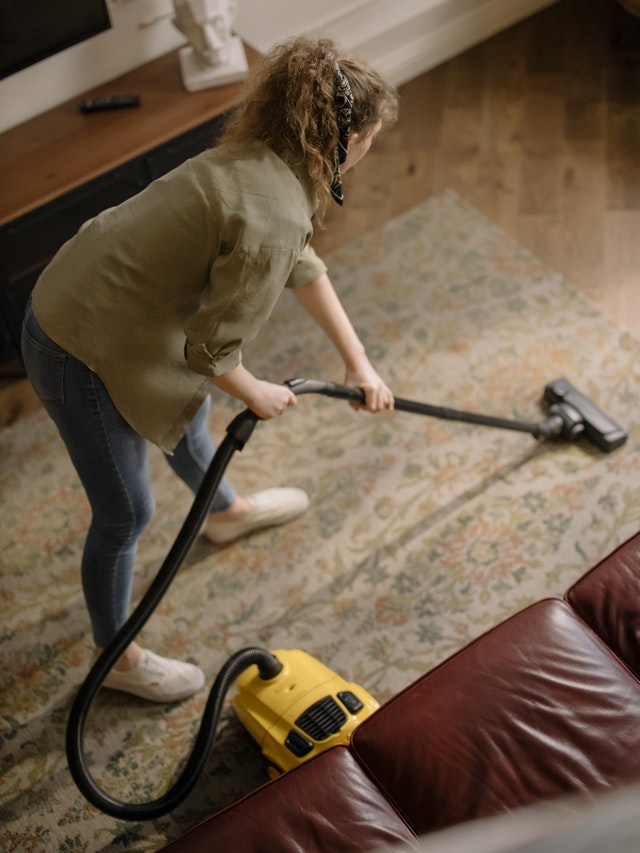
Even when using proper products, neglected tools undermine your efforts. Dirty vacuums, mop buckets, and washing machines can recirculate germs and debris. Maintain your tools with these steps:
- Empty vacuum bags or canisters after each use.
- Clean mop heads in the washing machine weekly.
- Sanitize scrubbing brushes with hot water or disinfectant regularly.
- Read more about preparing tools before large cleans.
Using Paper Towels When Reusable Options Are Better
While convenient, excessive use of paper towels wastes resources and may spread dirt if reused. Microfiber cloths and washable rags offer better results and sustainability.
- Reserve paper towels for messy spills or when washing isn’t practical.
- Wash microfiber cloths in hot water to remove bacteria and maintain effectiveness.
Forgetting Ventilation During or After Cleaning
Enclosed spaces accumulate volatile organic compounds (VOCs) from cleaning products, leading to indoor air pollution and potential irritation.
- Open windows and doors when cleaning strong-smelling areas.
- Use exhaust fans in bathrooms and kitchens.
Checklist: Ventilation Habits
- Never mix cleaning products in closed rooms.
- Ventilate for at least 15 minutes after using disinfectants or bleach-based products.
Skipping Regular Deep Cleaning Sessions
Routine surface cleaning is important, but skipping scheduled deep cleaning leads to buildup and sometimes permanent damage.
- Plan deep cleaning for carpets, upholstery, windows, and less-used rooms every few months.
- See how to structure an annual cleaning calendar.
Time-Crunched Cleaning: Rushing Through the Job
Speed-cleaning out of necessity often results in missed details and limited effectiveness. Quality cleaning is about consistency, not just speed.
- Break big tasks into manageable parts to prevent feeling overwhelmed.
- Stick to room-by-room or task-based routines.
- For tight schedules, see practical strategies for keeping up with cleaning when time is short.
Using the Wrong Tool or Cleaner for the Surface
Applying abrasives to delicate surfaces, or using glass cleaner on wood, is a hazardous habit. Always check safe surface and product pairings.
- Wood surfaces: Use specialized wood cleaner or a gentle solution. See best wood floor cleaning tips.
- Natural stone: Avoid acidic cleaners like vinegar.
- Electronics: Use minimal liquid and microfiber only.
Comparing Professional Cleaning Habits vs. DIY Routines
Professional cleaning teams in Chicago, like Quick Cleaning, use standardized procedures to avoid the pitfalls outlined above. Here’s a comparison to highlight key differences and where to focus on improving home routines:
| Habit/Procedure | Typical DIY Approach | Professional Practice |
|---|---|---|
| Chemical Use | Guesswork, overuse | Measured, proper dilution |
| Tool Maintenance | Occasional cleaning; reusing old cloths | Scheduled sanitation; color-coded for purpose |
| High-touch Points | Missed or skipped | Checklist-based coverage |
| Cleaning Order | Random sequence | Top-to-bottom, clean to dirty |
Preventative Steps: Building New Cleaning Routines
Replacing cleaning habits you should not have requires conscious effort:
- Audit your current routine—identify which habits above apply.
- Set reminders for tool maintenance (for vacuums, mop heads, cloths).
- Invest in proper supplies (see supply checklist).
- Educate household members and workplace teams—consistency matters.
Household and Workplace: When to Call Professionals
Some situations require professional cleaning, especially for:
- Move-out or deep cleaning needs
- Special facility requirements (e.g., daycare, gym, restaurant)
- Persistent odors, mold, or allergen buildup
- Time constraints and large spaces
Professional services like commercial cleaning and Airbnb cleaning follow industry standards for thoroughness and hygiene. If your needs are complex, a Quick Cleaning team can deliver results beyond typical routines.
Real-World Scenarios: Cleaning Habits to Watch For
- Busy family home: Tend to miss high-touch points (game controllers, stair railings); rotate room focus weekly.
- Shared office workspace: Coffee stations and shared equipment often neglected; assign rotating duties or schedule regular professional service.
- Rental or Airbnb property: Short turnover time leads to speed over thoroughness; use detailed checklists and schedule periodic deep cleans.
Frequently Asked Questions: Cleaning Habits You Should Not Have
Can overusing disinfectants be harmful?
Yes. Overusing or misusing disinfectants can cause surface damage, promote resistant microbes, and irritate skin or lungs. Follow product instructions for safety.
How often should cleaning tools be replaced?
Sponges should be replaced every week or when an odor develops. Wash cloths and mop heads after each use or at least weekly.
Is it safe to use vinegar on all surfaces?
No. Avoid vinegar on natural stone, waxed wood, electronics, and some textiles—see manufacturer guidance before applying any cleaner.
How do professionals avoid cross-contamination?
Color-coding tools, cleaning “clean” areas before “dirty” ones, and properly sanitizing or replacing tools between spaces are industry best practices.
Do air fresheners clean or just mask odors?
Most air fresheners only mask odors. Address smells at the source for true freshness and better air quality.
What is the biggest mistake when cleaning with limited time?
Rushing and prioritizing only visible areas, leaving germs and dust behind in unseen spots. Consistency and organization help maximize limited time.
Are there health risks to mixing cleaning chemicals?
Yes. Never mix acids (like vinegar) and bleach or ammonia—dangerous fumes can form. Always read and follow safety instructions.
How can I make sure my cleaning habits are actually effective?
Use checklists, follow product instructions—including dwell time—and maintain tools. Refer to resources like cleaning schedules for structured guidance.
When should I consider a professional cleaning service?
For deep, move-out, specialty, or recurring cleaning—especially if you have limited time, allergies, or complex property needs—professional help is highly recommended.
Summary: Build Better Cleaning Habits for a Healthier Home
Changing cleaning habits you should not have is a key step toward maintaining a safer, more efficient home or workplace. By recognizing ineffective routines, following professional standards, and adopting scientifically supported practices, you reduce health risks and improve long-term results. To ensure high standards in Chicago homes and businesses, consider periodic help from trained professionals who align with these principles.
About Quick Cleaning
Quick Cleaning is a trusted residential and commercial cleaning company serving Chicago, Illinois and nearby areas. Our teams adhere to rigorous checklists, use the right products for every surface, and focus on high-touch disinfection and detailed cleaning. With flexible scheduling for recurring, deep, move out, office, and special facility cleaning, Quick Cleaning emphasizes professional standards, transparent pricing, and a commitment to long-term relationships. Ready to experience the difference that knowledgeable, reliable cleaners make? Contact Quick Cleaning for homes, offices, and commercial spaces in Chicago.
cleaning company chicago, professional house cleaning, house cleaning services, house cleaning in Spring Grove, Monee house cleaning, house cleaning Countryside, house clean service Franklin Park, house cleaning in Wood Dale IL, house cleaning South Holland IL, Montgomery house cleaning