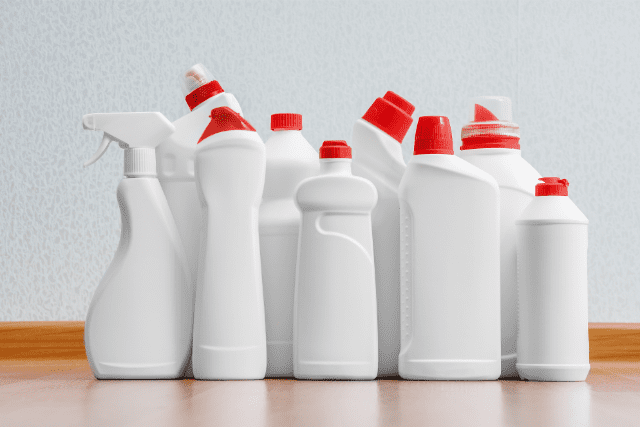
Understanding Chemicals To Avoid When Cleaning: Your In-Depth Safety Guide
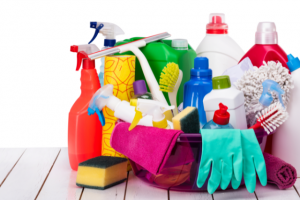
If you care about the air you breathe, the surfaces you touch, or the lasting health of your family and staff, you need to know about chemicals to avoid when cleaning. Hidden hazards can lurk in everyday cleaners, and not all products—no matter how familiar or ‘green’ they seem—are truly safe. This practical guide by QUICK CLEANING explains which chemicals should be skipped, why professional standards matter, how to spot safer alternatives, and what decisions to make for homes, apartments, offices, and specialized spaces in Chicago and beyond.
Why Certain Chemicals Raise Safety Concerns in Cleaning Routines
The convenience of store-bought cleaners comes with risks. Many contain chemicals that can jeopardize indoor air quality, aggravate allergies, or damage surfaces with repeated use. Understanding why some cleaning agents should be avoided is crucial for protecting everyone in your building—residents, guests, employees, and especially children or immunocompromised individuals.
- Health hazards: Respiratory irritants, skin sensitizers, long-term toxicants
- Surface compatibility: Harsh acids and abrasives cause gradual wear
- Environmental harm: Some compounds are slow to degrade or contaminate water
Holistic cleaning involves more than removing visible dirt—you want to ensure a genuinely safer environment long after the mop is put away.
Top Chemical Ingredients To Avoid When Cleaning Homes and Offices
Some cleaning chemicals are best left on the shelf. The following substances frequently show up in household and commercial products but present well-documented health or safety risks:
- Ammonia: Highly effective for glass, but produces toxic fumes and causes irritation
- Chlorine bleach: Strong disinfectant, but releases harmful vapors; reacts dangerously with acids or ammonia
- Phthalates: Used for fragrance, can disrupt hormones
- Quaternary ammonium compounds (‘quats’): Powerful disinfectants that may trigger asthma
- Triclosan: An antimicrobial agent now restricted in many products
- Nonylphenol ethoxylates (NPEs): Surfactants banned in the EU due to harm to aquatic life
- Formaldehyde and formaldehyde-releasing agents: Linked to cancer; often found in some deodorizers
Comparison Table: Problematic Cleaning Chemicals vs. Safer Alternatives
| Harmful Chemical | Common Use | Major Risk | Safer Alternative |
|---|---|---|---|
| Ammonia | Glass, stainless steel | Respiratory irritation | Vinegar water solution* |
| Chlorine bleach | Disinfecting, whitening | Toxic fumes; skin damage | Hydrogen peroxide (proper dilution) |
| Phthalates | Fragrances | Hormone disruption | Essential oil blends |
| Quats | Disinfectants | Asthma triggers | Alcohol-based disinfectants |
| Triclosan | Antibacterial soaps | Environmental persistence | Soap and water |
*Never use vinegar on natural stone, grout, or aluminum.
Mixing Dangers: Chemical Combinations to Avoid At All Costs
Even ingredients considered ‘safe’ alone can become hazardous when combined. Some notorious, life-threatening combinations include:
- Bleach + Ammonia: Creates toxic chloramine gas
- Bleach + Vinegar: Produces chlorine gas, highly dangerous to lungs
- Hydrogen Peroxide + Vinegar: Forms peracetic acid, a potent irritant
- Different drain cleaners: Can react violently, causing explosions or dangerous fumes
Always read manufacturer labels thoroughly. Never mix cleaning products unless you are certain it is safe—and keep all cleaning agents out of reach of children and pets.
Spotting Red Flags: Reading Product Labels for Hazardous Chemicals
To avoid hazardous chemicals, develop the habit of scrutinizing product labels before every cleaning. Be on the lookout for the following warning signs:
- “Warning” or “Danger” statements, especially regarding fumes or skin.
- Ingredients lists with “-ethoxylate,” parabens, or “fragrance” (which may hide many chemicals).
- Pictograms indicating toxicity, flammability, or aquatic hazard.
- Lack of full ingredient disclosure—a red flag in itself.
For deeper insight into product safety, consult resources such as the Environmental Working Group’s Guide to Healthy Cleaning and the Occupational Safety and Health Administration guidelines for workplaces.
Special Facility Environments: Unique Risks and Requirements
Certain chemicals might be acceptable for general household use but wholly inappropriate in medical offices, dental clinics, salons, gyms, or restaurants. Facility managers must adhere to industry-specific cleaning and disinfection protocols, and Chicago-area businesses are often subject to additional regulations. Review OSHA and local health department recommendations before selecting cleaning agents for:
- Medical or dental offices: Prioritize EPA-registered disinfectants and ensure compliance with OSHA guidelines.
- Beauty salons and spas: Avoid formaldehyde, harsh solvents, or anything not certified as safe for personal exposure; consider Barbicide safe use certification standards.
- Restaurants and food prep areas: Avoid any products not labeled “food-safe” or likely to leave residue on surfaces.
QUICK CLEANING tailors protocols for each industry and space, with staff trained on both state and federal compliance.
Lesser-Known Cleaning Chemicals That Should Be Avoided
Some ingredients fly under the radar due to misleading green marketing or because their risks are less immediate. Examples:
- 2-Butoxyethanol: A solvent in some degreasers, linked to lung and liver effects
- Artificial colorants: Unnecessary dyes that can cause allergic reactions
- Sodium hydroxide: Common in oven and drain cleaners, causes severe burns
- EDTA (Ethylenediaminetetraacetic acid): Water softener that poses environmental risks
Always check cleaning product safety data when in doubt, and favor products that fully disclose their formulas.
Impact on Indoor Air Quality: Airborne Chemical Risks Explained
Volatile organic compounds (VOCs) from cleaning products may linger in indoor air for hours. Chronic exposure can worsen asthma, irritate eyes and skin, and lower productivity in offices or learning environments. Steps to reduce airborne chemical load:
- Choose low- or no-VOC products whenever possible.
- Ventilate spaces during and after cleaning.
- Use microfiber for dust and less product overall.
If you’re concerned about air quality, see additional tips in our allergen control resource and eco-friendly cleaning tips.
Surface Damage From Harsh Chemicals: Real-World Examples
Some chemicals do more harm than good over time. Common cases QUICK CLEANING technicians encounter in Chicago:
- Natural stone: Etching from vinegar or acidic cleaners
- Hardwood floors: Hazing, fading, or swelling from ammonia or waxy polishes
- Stainless steel appliances: Streaks or corrosion from chlorine-based sprays
For every material, use a cleaning product approved by the manufacturer or a tested professional. Our cleaning products checklist covers safe options.
Children, Pets, and Sensitive Groups: Extra Care With Cleaning Chemistries
Infants, those with chronic illness, and pets are more susceptible to chemical residues and fumes. Best practices:
- Always rinse or wipe down any surface a child or pet touches after cleaning.
- Avoid sprays with synthetic fragrances or complex blends.
- Whenever possible, use products rated ‘A’ by reputable safety organizations or home-tested diluted soap solutions.
Before booking professional cleaning, discuss sensitivities with companies. Good providers will adjust to your needs.
Best Practices: How Professional Cleaning Companies Minimize Chemical Hazards
Trustworthy providers like QUICK CLEANING assess every location’s needs, choose the safest appropriate products, and document compliance—especially in high-stakes environments like clinics, schools, or fitness centers. Steps we take include:
- Maintaining detailed chemical inventories and product safety data sheets on every site
- Scheduled product rotation for lowest necessary strength
- Staff training in safe handling and immediate incident response
- Transparent communication about all chemicals used during your service
Visit our guide to cleaning service quality for what to look for in a provider.
Safer Alternatives: Upgrading to Eco-Conscious Cleaning Solutions
Safer alternatives are widely available, but always check claims, especially for “green” or “natural” products that can still contain irritants. Look for:
- Plant-based surfactants with full ingredient disclosure
- No or minimal added fragrance (prefer essential oils if any)
- Third-party certifications (EPA Safer Choice, Green Seal, etc.)
- Reusable microfiber tools to dramatically cut product use
Ready to start building a cleaning kit the safe way? Check our preparation guide and chemical-free cleaning resource.
Decision Guide: Choosing Products for Your Chicago Home or Facility
Making the right product decisions isn’t about picking whatever’s on sale. Instead, follow this systematic approach:
- Assess the types of soils and surfaces in your space (tile, wood, fabric, stainless steel, etc.)
- Review who occupies the space: kids, allergy sufferers, immunocompromised, food service staff
- Study labels for red-flag ingredients and certifications
- Pair the minimal product needed with the correct cleaning equipment
- Maintain an up-to-date list of approved products for future cleaning rounds
Regulatory Standards and Professional Cleaning Best Practices
Both U.S. EPA and OSHA set strict protocols for chemical use in public and commercial facilities. Failure to comply exposes both individuals and organizations to liability or fines.
- Facilities must maintain up-to-date Material Safety Data Sheets (MSDS) for all chemicals onsite
- All personnel must be regularly briefed and trained on emergency procedures
- EPA-registered disinfectants are required in medical, educational, and high-risk settings
A professional cleaning company ensures all standards—and goes further, adapting procedures as standards evolve.
FAQ: Chemicals To Avoid When Cleaning
- What cleaning chemicals are most commonly overused?
Ammonia and bleach are often used in excessive amounts. Even diluted, repeated use increases health and surface risks. - Can ‘green’ cleaners still be harmful?
Yes. Many contain unregulated fragrances or surfactants. Always check the full ingredient list, not just the branding. - Is it safe to reuse commercial spray bottles for DIY mixes?
Only if thoroughly cleaned and never mixed with incompatible ingredients. Always relabel to avoid mistakes. - Are there completely chemical-free ways to clean?
Certain tools like microfiber can remove dust and germs with water alone, but tougher soils typically require safe, diluted cleaning agents. - How can I tell if a product is safe for my kids or pets?
Look for products specifically tested for sensitive users, with no volatile organic compounds (VOCs) or harsh residuals. - What should I do if a cleaning chemical causes irritation?
Stop using it immediately, ventilate the area, and rinse affected skin. Consult a healthcare professional if symptoms persist. - Does every surface really need disinfecting?
No. For most homes, regular cleaning with soap and water suffices. Disinfect only high-touch or high-risk areas if someone is sick. - How often should I review the chemicals in my cleaning kit?
At least seasonally, or after changes in home occupants or use patterns. Scheduling routine reviews reduces overlooked dangers.
Summary and Next Steps: Ensuring Safe Cleaning For Every Environment
Being informed about chemicals to avoid when cleaning can protect your family, tenants, team, and property for the long run. Always check product labels, keep up with evolving safety standards, and focus on prevention rather than reaction. QUICK CLEANING is committed to safe, effective, and transparent cleaning—ready to adapt to any environment or need. For specialized assistance, see our office cleaning service or Airbnb cleaning options for tailored solutions.
About QUICK CLEANING
QUICK CLEANING helps households and businesses in Chicago, Illinois and nearby areas keep their spaces clean and healthy. Our trained cleaning staff follow detailed quality checklists and use only professional products suited for every surface. We specialize in recurring home cleaning, deep cleaning, move-out projects, office environments, and special facilities—always with a focus on long-term wellness and safety. For more information or to book your next cleaning, visit QUICK CLEANING.
cleaning company chicago, House Cleaning Services Chicago, House Cleaning Chicago, house clean service Aurora, house cleaning in Palos Hills, house cleaner Des Plaines IL, house cleaning in Spring Grove IL, house cleaner Logan Square, house clean in Lansing, house clean in Lincolnwood