The Proven Way: How To Clean a Kitchen Sink Like a Professional
If your kitchen sink seems never fully clean, you’re not alone. As the heart of kitchen tasks, the sink collects grease, bacteria, food particles, and stains that build up day after day. How To Clean a Kitchen Sink is a question homeowners, renters, and property managers all face, each wanting a hygienic, sparkling result—preferably with techniques that mirror what the professionals do. In this comprehensive guide, you’ll discover a framework for cleaning every kind of kitchen sink, whether stainless steel, porcelain, granite composite, or other modern materials. You’ll learn what supplies you truly need, step-by-step routines, critical hygiene tips, and how to handle stubborn stains and odors. We’ll also cover frequency, maintenance habits, a comparison of home vs. pro cleaning, and decision-making tips for choosing what works best for your space. Rely on Quick Cleaning’s experience—serving households and businesses across Chicago, Illinois—for these up-to-date best practices.
Understanding Kitchen Sink Materials: Why the Approach Matters
The material your kitchen sink is made of shapes how you should clean it. Common kitchen sinks include stainless steel, porcelain, granite or quartz composite, and fireclay. Each material reacts differently to cleaning agents and scrubbing tools. Using the wrong product can scratch surfaces, cause discoloration, or degrade a sealant.
- Stainless Steel: Durable, resists stains but shows mineral spots and scratches.
- Porcelain or Enamel: Classic look, but vulnerable to chip and stain.
- Granite/Quartz Composite: Modern, tough, but sensitive to abrasives or harsh chemicals.
- Fireclay: Nonporous, beautiful, but requires pH-neutral cleaners.
For a full comparison, see the structured table below.
Kitchen Sink Material Comparison Table
| Material | Cleaning Needs | Pro Cautions |
|---|---|---|
| Stainless Steel | Non-abrasive sponge, mild cleaner | Avoid steel wool, bleach |
| Porcelain/Enamel | Baking soda paste, gentle scrub | Skip acidic cleaners |
| Granite Composite | Soft cloth, pH-balanced solution | No harsh chemicals |
| Fireclay | Mild detergent, rinse thoroughly | No bleach/ammonia |
Daily and Weekly Cleaning: The Foundation of a Clean Sink
Maintaining your kitchen sink’s cleanliness doesn’t require deep cleaning every day, but daily and weekly upkeep makes a big difference. Professionals recommend the following routine:
- After Every Use: Rinse sink and wipe down with a soft sponge.
- End of Day: Clean with dish soap, rinse, wipe dry.
- Weekly: Use mild abrasive (like baking soda) for thorough cleansing, focusing on corners and drain.
Consider adding a house cleaning schedule to ensure consistency in your routine. Documenting your process allows you to spot trouble areas early.
Professional Step-by-Step Method for Sink Cleaning
Below is a breakdown of the process Quick Cleaning technicians use for a deep, professional-grade kitchen sink cleaning. Adjust as needed for your sink’s material and condition.
- Clear the Sink: Remove all dishes, food debris, and accessories (such as mats or racks). Empty the drain strainer.
- Rinse Thoroughly: Hot water rinse to loosen grime and soften residue.
- Apply Cleaner: Use a material-appropriate cleaner—baking soda for stainless, or pH-neutral detergent for natural stone.
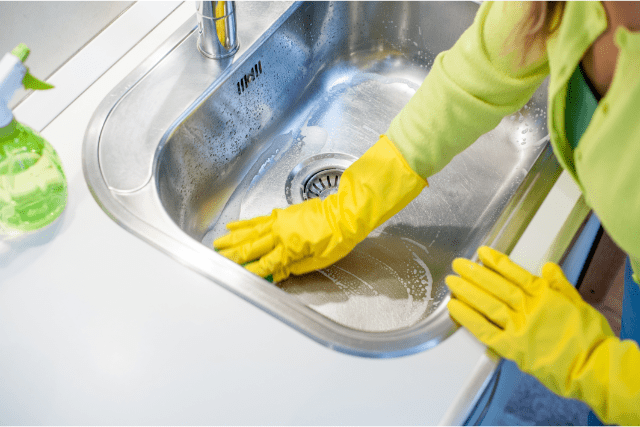
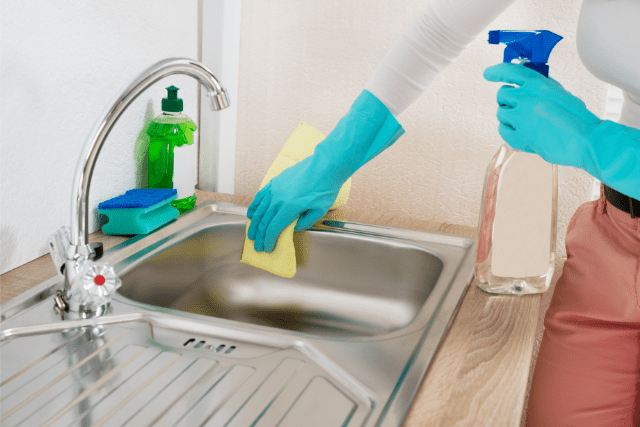
- Scrub: Use a soft sponge or microfiber cloth, adding attention to corners and around the drain.
- Tackle Stains/Deposits: For stained spots, use a paste of baking soda and water, letting it sit for 10–15 minutes before scrubbing.
- Clean Faucet and Handles: Wipe with a disinfectant or vinegar solution (if safe for the material).
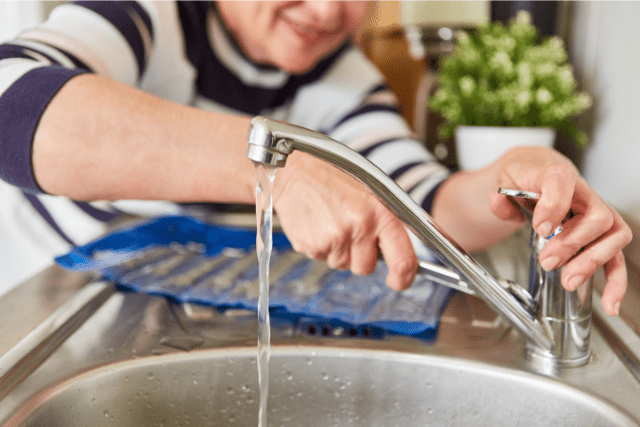
- Rinse Completely: Make sure all residue is removed.
- Dry: Use a clean, dry microfiber cloth to avoid water spots.
This process meets both hygiene and maintenance expectations for heavily used sinks.
The Importance of Disinfection: Hygiene Standards
Sanitizing your kitchen sink is not the same as cleaning it. Foodborne pathogens can survive on surfaces, especially after contact with raw meat or dairy. Quick Cleaning aligns its approach with recommendations from public health authorities to ensure effective disinfection.
- When to Disinfect: After raw food prep, when someone is ill, or weekly as a precaution.
- How to Disinfect: Use a diluted bleach solution or EPA-certified kitchen disinfectant, following safety instructions.
- Rinse After: Always rinse the sink thoroughly after disinfection to avoid chemical residues in food prep areas.
If you’re seeking disinfection as part of a rental property, Airbnb, or office turnover, consider Quick Cleaning’s Airbnb cleaning or Office cleaning service for certified techniques.
Essential Supplies for a Spotless Kitchen Sink
Having the right cleaning products and tools ensures thorough and safe cleaning. Professionals rely on a curated set:
- Microfiber cloths
- Non-abrasive sponges
- Baking soda and white vinegar (for select materials)
- pH-neutral dish soap
- EPA-registered kitchen disinfectant
- Toothbrush or small brush for crevices
- Rubber gloves (for sensitive skin or chemical products)
Check out our house cleaning supplies checklist for a full inventory of recommended products.
Removing Tough Stains, Odors, and Mineral Deposits
Not every sink stain yields to standard cleaning. Here are targeted approaches for stubborn build-up:
- Limescale/Mineral Deposits: Apply a mixture of white vinegar and water, soak a paper towel, and lay over the deposit for 10 minutes. Wipe and rinse.
- Rust Marks: Use a paste of baking soda and a few drops of lemon juice, scrub gently, and rinse.
- Odors: Pour baking soda down the drain, flush with hot water.
- Food Stains: Try a mild bleach solution on porcelain (not stainless or stone) and rinse thoroughly.
If you have persistent stains or need a reset after a move, Quick Cleaning’s Move out cleaning covers deep kitchen treatment.
How Often Should You Deep Clean a Kitchen Sink?
Most homeowners use their kitchen sink every day, leading to rapid build-up. But how often should you truly deep clean? See our frequency guidelines below:
- Light Daily Use (1-2 people): Quick rinse and wipe daily; full clean every 5–7 days.
- Family or Frequent Cooking: Rinse after each use; deep clean and disinfect twice a week.
- Commercial or Airbnb Use: Clean and disinfect after every guest or at the start/end of each business day.
If you manage rentals, see our Rental property cleaning for reliable turnover routines.
Pro Checklist: High-Touch Areas Around the Sink
Professional cleaners don’t stop at the basin. The following high-touch zones need targeted attention for hygiene and visual cleanliness:
- Faucet, handle, and spray heads
- Soap dispensers
- Sponge caddies and racks
- Sink rims, caulking, and seams
- Drain covers and strainers
- Countertop just behind the sink
Cross-check with our guide to hard-to-clean home spots for more detail.
Deciding Between DIY and Professional Sink Cleaning
Should you clean the kitchen sink yourself, or invest in professional help? Consider these decision factors:
- Is your sink showing persistent stains, odors, or hard water build-up?
- Do you lack time to deep clean regularly?
- Do you have specialty materials (granite, fireclay) or older delicate sinks?
- Is the property a commercial kitchen, vacation rental, or medical/food business requiring documented sanitation?
Homeowners with busy lifestyles or tough stains benefit from seasonal or as-needed professional care. Property managers, Airbnb hosts, and commercial spaces often require pro-standard cleaning for compliance and reputation. Quick Cleaning offers Deep cleaning for all types of sinks, tailored to your material and schedule.
Hygiene and Safety: Avoiding Cross-Contamination
Professional cleaning is about more than just sparkle. Preventing cross-contamination in the kitchen is crucial, especially when raw foods and family health are involved. Follow these key practices:
- Separate sponges for dishes and sink cleaning
- Disinfect cleaning cloths after every use
- Never use bathroom cleaning products on a kitchen sink
- Rinse thoroughly to remove chemical residue
- Never mix bleach and ammonia
For more on healthy home practices, see our healthy home guide.
Best Practices for Prolonging Your Sink’s Life
Routine prevention is just as important as cleaning. Here’s how to keep your sink looking its best for years:
- Wipe dry after use to prevent water spots and mineral film
- Avoid leaving acidic foods or coffee grounds in the basin
- Use sink grids or mats to protect from scratches (if compatible)
- Check caulking regularly for mold or breakdown
- Schedule periodic assessments for grout or seal integrity (especially in commercial kitchens)
Consider our Recurring house cleaning for consistent upkeep if you want lasting sparkle and hygiene.
Sink-Specific Tips: Stainless Steel, Porcelain, and Composite Sinks
Stainless Steel
- Wipe with the grain to avoid visible streaks
- Buff with a few drops of olive oil for added shine
- Avoid steel wool or scouring powder
Porcelain/Enamel
- Clean with a soft brush and non-abrasive baking soda paste
- Treat dark stains gently—a diluted hydrogen peroxide mix can help but test first in a hidden spot
Granite/Quartz Composite
- Clean with pH-neutral soap and soft cloths only
- Seal surfaces as recommended by the manufacturer
Eco-Friendly and Allergy-Safe Sink Cleaning
For clients with allergies, small children, or environmental sensitivities, consider these alternatives:
- Use baking soda, castile soap, and vinegar (for safe surfaces only)
- Opt for biodegradable, fragrance-free cleaners
- Dry the sink to reduce mold/mildew risk, especially in Chicago’s humid summers
See our detailed eco-friendly cleaning tips and guidance on reducing household allergens.
Checklist: Preparing for a Professional Sink Cleaning Visit
- Clear the sink and surrounding area of dishes, cutting boards, and decor
- Let the technician know about any sink-specific issues (stains, cracks, leaks)
- Secure pets or small children during the service window
- Specify any preferences for green/unscented products in advance
For more on what to expect, see our resource on home cleaning services expectations.
How Professionals Stay Up to Code: Standards and Compliance
Professional cleaners follow strict protocols to protect client health and safety. IICRC S100 standards provide detailed guidance on cleaning, sanitization, and inspection—especially for commercial or medical spaces. Quick Cleaning’s team is trained in current best practices for material care, disinfection, and environmental safety.
Frequently Asked Questions: Kitchen Sink Cleaning
- How often should I clean my kitchen sink?
- Daily quick cleans and a full disinfecting clean weekly are ideal, but family size and use may change this.
- Is it safe to use bleach on all kitchen sinks?
- No. Bleach is safe for stainless steel and enamel with caution, but should not be used on natural stone, composite, or colored sinks.
- What’s the best way to remove hard water stains?
- Use white vinegar with a soft cloth, but always test in a small area first and avoid on unsealed stone or sensitive finishes.
- Can I use the same sponge for the sink and dishes?
- It’s best practice to have separate sponges for hygiene. Swap sponges every week or after handling raw foods.
- How do professionals avoid scratching sinks?
- They use soft tools, clean with the grain (for stainless), and skip harsh abrasives or scrubs.
- What’s the difference between cleaning and disinfecting the kitchen sink?
- Cleaning removes dirt and particles; disinfecting uses chemicals to kill germs. Do both for true hygiene.
- Is vinegar always safe for degreasing?
- No. It’s effective on stainless but avoid it on some stones or if the manufacturer recommends against acids.
- Does Quick Cleaning offer kitchen-only cleaning?
- Kitchen deep cleaning is included in full home, move out, and commercial cleaning packages.
- How long does it take for the sink to dry after cleaning?
- If wiped with a microfiber towel, it should dry in a few minutes and prevent water spots.
- Are eco-friendly cleaners as effective as chemicals?
- For routine cleaning, yes; but for disinfection after illness or raw food, use an EPA-registered disinfectant.
Summary and Next Steps
Learning how to clean a kitchen sink like a professional means knowing your sink’s material, daily and weekly routines, effective stain and odor removal, and when to call in expert help. Follow these frameworks and checklists to keep your kitchen safe, beautiful, and ready for anything. For complex cleaning challenges or commercial property needs, consider Quick Cleaning’s array of specialized services. A healthy kitchen starts at the sink—make yours shine!
About Quick Cleaning
Quick Cleaning helps households and businesses in Chicago, Illinois and nearby areas keep their spaces clean and healthy. As specialists in recurring house cleaning, deep cleaning, move out cleaning, office cleaning, and facility-focused care, our trained staff bring high-quality standards and professional checklists to every project. We use appropriate products for each surface, uphold the latest health and safety practices, and focus on reliable long-term client relationships. For transparent communication, consistent routines, and peace of mind, choose Quick Cleaning.
cleaning companies in chicago, house cleaner chicago, professional house cleaning, West Dundee house cleaner, house clean service Skokie, Summit house cleaning, best house cleaning Oak Park, house clean in Libertyville IL, house cleaner Crystal Lake, house cleaning in Barrington IL