The Critical Importance Of Commercial Cleaning: A Step-by-Step Owner’s Guide
Clean businesses inspire trust, protect health, and support long-term success. But what defines effective commercial cleaning, and how does it go beyond basic janitorial tasks? This in-depth guide reveals the true importance of commercial cleaning for offices, stores, healthcare, gyms, schools, and more. You’ll discover expert checklists, safety frameworks, disinfection procedures, and how to choose the right partner for spotless, compliant facilities. If you’re in Chicago or anywhere aiming for cleaner, healthier workplaces, this is your practical roadmap.
Understanding What Sets Commercial Cleaning Apart
Commercial cleaning isn’t just about appearance—it’s a critical part of building a safe and productive workplace. Unlike residential cleaning, it often:
- Follows strict protocols for high-traffic/public spaces
- Targets specific risks (bacteria, viruses, workplace allergens)
- Adheres to industry regulations and health codes
- Requires specialized equipment and trained teams
By focusing on systemic cleanliness, commercial cleaning supports employee health, customer confidence, and even helps meet legal obligations.
How Poor Cleaning Practices Put Workplaces at Risk
Neglecting regular, professional cleaning causes:
- Illness Spread: Common areas and shared surfaces become hotspots for germs
- Employee Absenteeism: Respiratory illnesses and allergies cause lost workdays
- Negative Impressions: Clients judge a business by its environment
- Compliance Failures: Missed regulations risk fines or closures
Regular professional cleaning addresses all these areas at once.
Commercial Cleaning vs. Janitorial Services: Key Differences
The terms “commercial cleaning” and “janitorial services” are often used interchangeably, but there are key differences:
- Janitorial: Day-to-day cleaning (trash, surface wipes, supplies restock)
- Commercial cleaning: Advanced, periodic deep cleaning, disinfection, floor maintenance, carpet/waxing, and biohazard control
For a deeper dive, see our comparison of commercial cleaning vs. janitorial services.
Industries and Facilities That Benefit Most from Commercial Cleaning
- Offices and coworking spaces
- Healthcare clinics and dental practices
- Gyms and fitness centers
- Retail stores and restaurants
- Schools, daycares, and universities
- Warehouses and industrial sites
Each environment brings unique cleaning challenges and regulatory needs. For details on specialized cleaning, explore industries that benefit from commercial cleaning.
Core Components of a Modern Commercial Cleaning Program
Today’s commercial cleaning goes far beyond surface tidiness. A robust program typically includes:
- Detailed cleaning and disinfection of high-touch points (doorknobs, switches, shared electronics)
- Bathroom and kitchen sanitation
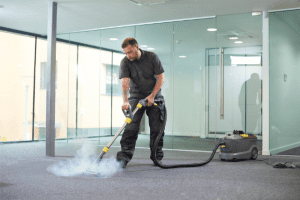
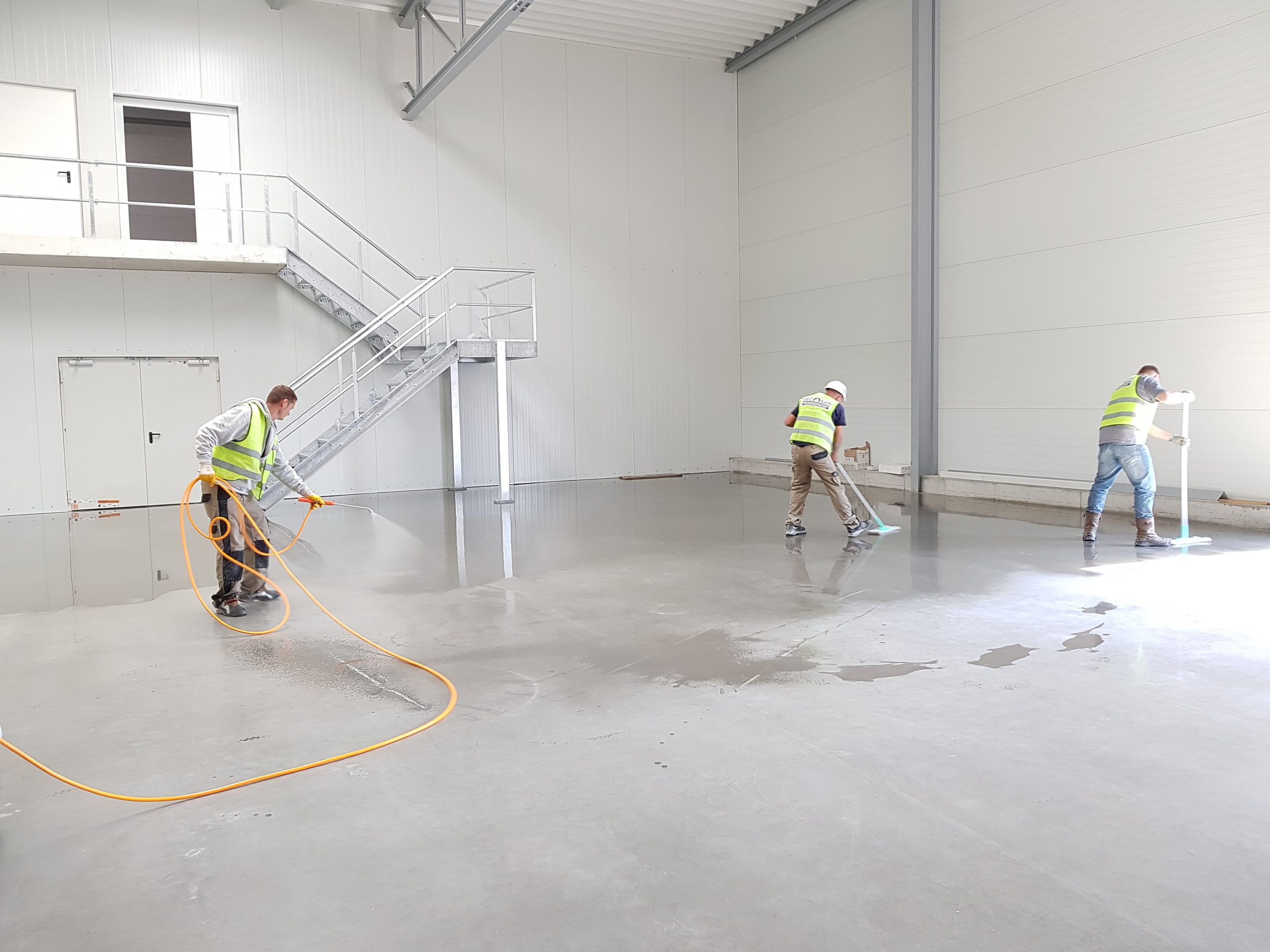
- Floor care: mopping, stripping, waxing, and buffing
- Window/glass cleaning
- Carpet and upholstery maintenance
- Odor removal and air quality improvement methods
- Trash removal and recycling procedures
Health, Safety, and Regulatory Standards in Commercial Cleaning
Commercial cleaning must follow strict health and safety guidelines. This includes proper chemical storage, the use of EPA-approved disinfectants (see EPA resources), personal protective equipment (PPE), and protocols like cross-contamination control. Staff should be trained to adapt to evolving standards, such as those recommended on Barbicide Certification.
Commercial Cleaning Checklist: A Comprehensive Framework
Effective commercial cleaning checks all the boxes. Use this checklist to audit or upgrade your facility plan:
- Entryways, lobbies, reception: floors, mats, glass, handles
- Restrooms: toilets, sinks, dispensers, touchpoints
- Office spaces/work stations: desktops, phones, keyboards
- Kitchens/break rooms: counters, sinks, fridge handles
- Meeting/conference rooms: tables, chairs, electronics
- Storage/utility areas: equipment, shelves, chemical containment
Compare this room-by-room breakdown to our full commercial cleaning checklist for more detail.
Disinfection vs. Cleaning vs. Sanitizing: What Matters Most?
Many facility managers confuse these key terms. Here is a structured comparison to clarify:
| Step | Definition | Purpose | When Required |
|---|---|---|---|
| Cleaning | Physically removes dirt, dust, debris | Appearance & prep for deeper treatment | Daily/every shift |
| Sanitizing | Reduces bacteria to safe levels | Health protection | Food areas, restrooms |
| Disinfection | Kills most bacteria & viruses listed on product label | Disease prevention | High-touch, outbreak, healthcare |
Failing to differentiate these can leave your workplace exposed to hidden risks, even when surfaces look clean.
Workplace Hygiene and Employee Productivity: The Hidden Link
Clean environments aren’t just for appearances. Multiple studies show direct links between proper cleaning and improved employee health and satisfaction:
- Fewer sick days and allergies
- Higher morale and retention
- Productivity increases from reduced distractions and absenteeism
For research-backed insights, read how cleaning can make employees feel safe and benefits of regular floor cleaning.
Commercial Cleaning Frequency: Decision Framework for Facility Managers
How often should you schedule cleanings? It depends on:
- Foot traffic and type of use
- Presence of vulnerable populations (children, immune-compromised)
- Industry standards (healthcare, foodservice require higher frequency)
- Local health codes and inspections
For most offices, daily or alternate-day cleaning is recommended, with deeper treatments at regular intervals. For guidance, review benefits of daily commercial cleaning.
Signs It’s Time to Upgrade Your Facility’s Cleaning Plan
If you notice any of these, a review of your cleaning provider is overdue:
- Staff or clients complain about cleanliness or odors
- Visible dust, dirt, or fingerprints recurring quickly
- Restrooms lacking supplies or feeling unsanitary
- Inconsistent cleaning results between shifts
- Missed areas in high-traffic or specialty zones (gyms, kitchens)
Key Criteria for Choosing a Commercial Cleaning Partner
Not all cleaning companies deliver the same value. When evaluating vendors, consider whether they:
- Offer background-checked, well-trained teams
- Use checklists tailored to your facility’s needs
- Have transparent pricing and clear communication
- Follow strict quality control and respond quickly to feedback
- Carry proper insurance and certifications
- Can provide flexible scheduling, including after-hours or same-day cleaning when needed
For a more detailed checklist, consult things to look out for in a commercial cleaning service and how to find commercial cleaning services.
Advanced Topics: Cross-Contamination, Green Cleaning, and Innovations
Top-tier cleaning programs address emerging risks and eco-friendly goals:
- Cross-contamination prevention: Color-coded tools, separate equipment for bathrooms/kitchens. See cross-contamination prevention tips.
- Green cleaning: Choosing safe, certified chemicals and reducing environmental impact. Visit green cleaning for a healthy environment.
- Innovation: New equipment, improved disinfection methods, or digital checklists. Investigate AI in cleaning services.
Common Gaps and Overlooked Areas in Commercial Cleaning Programs
Even well-managed facilities can miss trouble spots. Some frequent oversights include:
- Touchscreens, elevator buttons, light switches
- Vents and high dust-collecting surfaces
- Behind/under furniture and equipment
- Shared breakroom appliances
See the most common things businesses forget to clean for more examples.
How Commercial Cleaning Supports Employee and Customer Confidence
In times of public health concern (such as COVID-19), commercial cleaning reassures staff and clients that you prioritize safety. Regular, visible cleaning routines contribute to workplace trust and customer loyalty.
Frequently Asked Questions: Importance Of Commercial Cleaning
What defines commercial cleaning compared to regular office cleaning?
Commercial cleaning involves specialized processes, equipment, and checklists designed to meet the demands of public, high-traffic, or regulated environments, often exceeding basic janitorial work.
How do poor cleaning standards impact workplace safety?
Poor cleaning exposes staff to illness, increases accident risk (slippery floors), and may lead to non-compliance with health codes.
How often should commercial spaces in Chicago be professionally cleaned?
Minimum is 3–5 times weekly with deeper procedures as needed, but factors like occupancy and industry may raise required frequency.
Are green cleaning products effective for hygiene?
Certified green products can provide excellent cleaning power with reduced toxicity, especially when used with professional protocols.
What’s the best way to audit my current cleaning program?
Conduct a walkthrough against a detailed facility checklist, solicit feedback from users, and review with a prospective professional partner.
Should I ask cleaning companies for certifications or insurance?
Absolutely—these confirm the company’s professionalism and reduce your liability.
Does commercial cleaning include floor waxing and carpet extraction?
Yes, advanced cleaning plans offer these as needed; discuss specific requirements when choosing a provider.
How can I prevent cross-contamination in my facility?
Use dedicated tools for different zones, color-coded microfiber cloths, and update protocols as recommended by certified trainers.
Will staff productivity improve after upgrading commercial cleaning?
Most businesses report fewer sick days, higher morale, and better customer impressions following improved cleaning standards.
What’s the first step to implementing an enhanced commercial cleaning program?
Review your facility’s unique needs, create a cleaning checklist, and engage a provider experienced in your type of business.
Wrap-Up: Transforming Your Workspace through Commercial Cleaning
The importance of commercial cleaning extends well beyond first impressions. Prioritizing thorough, consistent hygiene safeguards your workforce, meets compliance rules, and reflects positively on your brand. Review your cleaning protocols, address overlooked risks, and partner with experienced professionals—like Quick Cleaning—for peace of mind and a healthier environment.
About Quick Cleaning
Quick Cleaning is a leading cleaning company serving Chicago, Illinois and surrounding communities. We specialize in recurring house cleaning, deep cleaning, move out cleaning, office cleaning, and special facility cleaning solutions. Our team is highly trained, customer-focused, and committed to using appropriate products and rigorous checklists for every industry and property type. Quick Cleaning helps households and businesses in Chicago, Illinois and nearby areas keep their spaces clean and healthy.


germs, cleaning service, Commercial Cleaning Chicago, Commercial Cleaning Companies, commercial cleaning companies in South Loop, commercial cleaning company Joliet IL, commercial cleaning companies in Franklin Park, commercial cleaning contractors in the city of Palos Hills, commercial cleaning Westmont IL, commercial cleaning services in Cedar Lake IL