
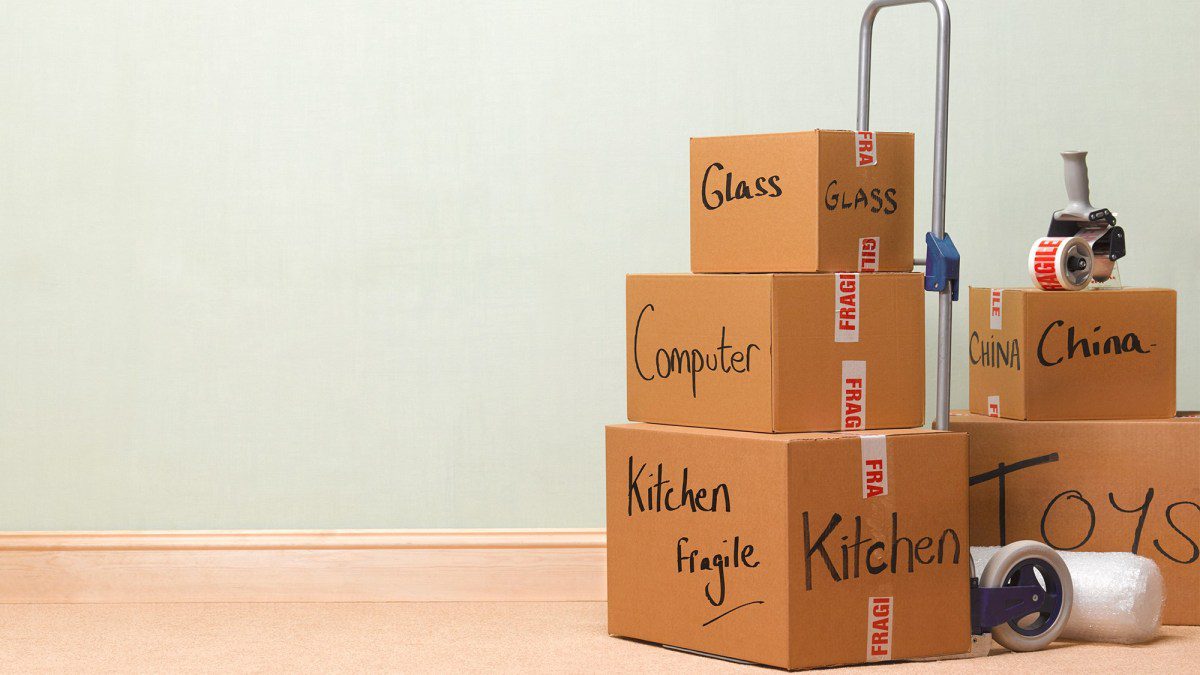
Where to Get Moving Boxes for FREE: Complete Chicago Packing Resource Guide
Finding enough moving boxes—without overspending—is often the first big challenge when planning a move in Chicago. Whether you’re organizing an apartment move, relocating your office, or helping a tenant move out, knowing where to get moving boxes for FREE not only saves you money but also ensures a smoother, more efficient packing process. This in-depth guide presents step-by-step approaches, a curated list of reliable sources, actionable checklists, and important hygiene and safety considerations so your move starts on the right foot. Let’s explore how to gather high-quality, free moving boxes for your next relocation in Chicago.
The Importance of Sourcing Free Moving Boxes for Your Move
Cutting relocation costs often starts with supplies. Moving boxes are essential but can quickly become expensive when purchased new. By finding sturdy boxes for free, you save money for cleaning services, professional movers, or other crucial moving expenses. Sourcing boxes for free also reduces waste, supporting a more sustainable move—an important consideration for eco-conscious Chicagoans.
- Minimize out-of-pocket costs during an expensive transition
- Divert cardboard from landfills by reusing materials
- Support local community sharing and sustainable practices
What Makes a Moving Box Safe and Suitable?
Not all boxes are created equal. While saving money is attractive, you need to ensure that the free boxes you collect are sturdy, clean, and appropriate for protecting your possessions through the move.
- Sturdiness: Choose double-walled and undamaged boxes for heavier or fragile items.
- Cleanliness: Inspect for stains, residual food, or odors; avoid boxes from produce or meat storage.
- Size Variety: Collect a range of box sizes for books, kitchenware, clothing, and odd-shaped items.
| Criteria | Acceptable | Reject |
|---|---|---|
| Firm corners/folds | ✔ | ✘ |
| No visible spills/stains | ✔ | ✘ |
| No strong odors | ✔ | ✘ |
| Free from active pests | ✔ | ✘ |
| No tears/large holes | ✔ | ✘ |
Top Chicago Locations: Where to Get Moving Boxes for FREE
- Grocery stores: Early morning visits score the best selection after overnight deliveries. Ask for banana, apple, or beverage boxes.
- Liquor and wine shops: Wine boxes are strong and have inserts for glassware—ask for leftovers after weekend restocks.
- Bookstores: Small, durable boxes perfect for heavy books or kitchen items; staff will set aside for you if you call ahead.
- Pharmacies and drugstores: Medium-to-small boxes from regular supply shipments are ideal for fragile items.
- Coffee shops and cafes: Get medium boxes for kitchen items—ask managers after restocking days.
- Big-box retailers: Contact stores like Target or Walmart near closing time; some have distinct collection days.
- Office supply stores: Sturdy boxes used for paper delivery; usually broken down in backrooms—ask politely.
Online Platforms for Free Moving Boxes: Chicago Edition
Digital communities are invaluable when it comes to finding free moving supplies. Many movers list their gently used moving boxes for free to neighbors, wanting to pay it forward.
- Craigslist (Free section): Search by neighborhood for less travel time. Check frequently—moving-related posts are most common on weekends.
- Facebook Marketplace: Search “free moving boxes” and join local Chicago community groups.
- Nextdoor app: Hyper-local platform—neighbors post moving boxes curbside; act quickly as supply fluctuates.
- OfferUp and Freecycle: Apps focused on reuse and local giveaways let you negotiate convenient pickup times.
Community Programs and Nonprofit Resources
Several organizations in Chicago promote sustainability by facilitating the redistribution of moving boxes and packing materials. Nonprofits and local events can be a surprisingly consistent source for free packing supplies.
- Community centers: Local centers often maintain bulletin boards where outgoing residents post available moving supplies.
- Thrift stores: Establishments like Goodwill, The Salvation Army, or local donation centers accumulate lots of boxes during regular deliveries and donation drop-offs.
- Chicago’s recycling centers: Large drop-off sites may allow residents to collect cardboard boxes discarded by others—always check posted policies.
Best Times and Strategies to Collect Free Boxes
- Call ahead to identify restocking or delivery days at retail locations.
- Arrive early for first pick (typically before noon).
- Bring a vehicle with enough space, plus gloves for safety and a utility knife to fold boxes as needed.
- Polite inquiry goes a long way—staff are more likely to help if you’re courteous and concise.
Evaluating Box Cleanliness and Hygiene: What You Should Know
Using secondhand boxes comes with hygiene concerns—especially when moving items like linens, children’s toys, or kitchen dishes. Here’s how to stay safe:
- Visually inspect boxes for pests or droppings (roaches, mice).
- Smell test for moisture or mold—discard any musty-smelling boxes.
- Wipe down interiors with a disinfectant or diluted white vinegar before packing sensitive or personal items.
- Reserve new or like-new boxes for bedding, towels, and toiletries if you’re immunocompromised.
Sustainability and Reuse: The Eco-Friendly Impact of Free Moving Boxes
Reusing moving boxes significantly reduces the environmental impact of your move. By collecting appropriately sized, secondhand boxes, you help divert materials from landfills and support a more circular Chicago economy. Remember to break down and donate your boxes after your move to help others and continue this positive cycle.
- Share boxes with friends, family, or neighbors.
- List your spare boxes on community forums for curbside pickup.
- Recycle any unusable boxes at city drop-off locations.
Packing and Organizing Tips with Free Moving Boxes
Working with an assortment of free boxes requires thoughtful packing. Each box may be slightly different in size and strength, so adjust your packing method for best results:
- Group boxes by size and use the strongest for books, dishes, and breakables.
- Reinforce the bottom of every box with extra packing tape.
- Fill gaps with soft items (towels, clothes) to prevent shifting.
- Clearly label each box by room and contents—free boxes rarely have specialized markings.
Chicago Apartment Moves vs. Office Moves: Box Sourcing Differences
Whether you are a homeowner, business manager, or property owner, each move type calls for a modified box-collection approach.
- Apartment moves: Prioritize medium boxes for stairs and elevators; carry in batches for efficiency.
- Office moves: Seek out uniform, sturdy boxes—office supply stores and print shops often have bulk quantities ideal for files and electronics.
- Airbnb hosts and property managers: Consider sustainability—reuse boxes between turnovers to save money year-round.
Collaborative Resources: University & Student Move-Out Programs
Many Chicago-area universities have official move-out programs that encourage students to donate gently used moving supplies. These programs often allow community members to pick up boxes at semester’s end.
- Northwestern University’s move-out procedures include resource sharing.
- Berkeley’s housing guidance serves as a national model for sustainable student moves.
Red Flags: Boxes to Avoid When Moving Sensitive Items
- Boxes that smell of chemicals or have contained cleaning products—can transfer fumes or residues.
- Damp or warped cardboard—structurally unsound and may harbor mold.
- Produce boxes that saw high moisture foods (like lettuce or fish)
- Heavily branded boxes when privacy is needed (electronics boxes can attract theft)
How Quick Cleaning Can Streamline Your Packing and Move-Out Process
Gathering free moving boxes is only the first step. The actual move requires cleaning, organizing and sometimes, last-minute support. For deep cleaning after a move or specialized cleaning tasks, Move out cleaning service from an experienced team can ensure your apartment, house, or office is ready for its next occupant and compliant with lease agreements.
- Post-move cleaning for tenants and landlords
- Scheduled deep cleans for office spaces or specialty facilities
- Professional care for sensitive surfaces after packing
Consider scheduling a specialized cleaning with Quick Cleaning before handing over keys to maximize your deposit return and create a positive handoff.
Comparison List: Free Box Sources vs. Paid Moving Boxes
- Free sources: Community-driven, sustainable, requires more legwork and inspection, highly cost-effective
- Paid boxes from retailers: Brand new, uniform size, delivered to your door, higher cost, convenience-focused
- Hybrid approach: Reserve paid boxes for sensitive or expensive items; use free sources for the bulk of your packing
Step-by-Step Checklist for Securing and Using Free Moving Boxes
- Make a list of the types and sizes of boxes you need based on inventory and room types.
- Contact listed locations ahead or scout online platforms each morning.
- Visit 2–3 different types of businesses for size variety.
- Inspect and clean every box before using.
- Begin packing least-used rooms/items first, using boxes as they become available.
- After the move, set aside usable boxes and list for pickup in your local community.
Frequently Asked Questions About Getting Free Moving Boxes
- Is it safe to use secondhand boxes for packing?
- Yes, as long as they’re clean, pest-free, and structurally sound. Always inspect and disinfect as needed.
- How far in advance should I start collecting boxes?
- Begin at least 3–4 weeks before your move, as supply can vary by location and time of year.
- Can I find free moving boxes year-round in Chicago?
- Yes, but availability peaks in spring and summer due to higher moving rates. Check digital platforms more frequently during winter months.
- Are online listings for free boxes trustworthy?
- Generally, yes—but always communicate through the platform and pick up in public or well-lit places.
- What is the best type of free box for fragile items?
- Liquor store and office supply store boxes are very sturdy with extra protection for glassware or electronics.
- Does using free boxes affect my ability to claim damages with moving companies?
- Professional movers may prefer uniform, new boxes but will generally accept any structurally sound packing containers. Always check with your mover first.
- Can I reuse boxes from grocery stores?
- Yes—just ensure they’re clean and free of moisture or odors.
- Should I reserve paid boxes for valuable items?
- It’s a good idea—especially for electronics, family heirlooms, or anything irreplaceable.
Wrap-Up: Plan Your Move and Make the Most Out of Free Moving Boxes
Securing high-quality moving boxes for free isn’t just a money-saver—it’s a community-oriented, sustainable choice that every Chicago mover should consider. By combining strategic box sourcing, thoughtful packing, and planning efficient pickups, your move can be smoother—and greener. Pair your do-it-yourself packing with an expert cleaning touch from Deep cleaning services or Office cleaning service when your space needs a professional finish.
About Quick Cleaning
Quick Cleaning is Chicago’s trusted cleaning partner for homes, apartments, offices, Airbnb rentals, and specialized facilities. We provide expert recurring cleans, move-out detailing, and commercial cleaning services, all delivered by trained staff using professional-grade equipment and safe, effective products. Our transparent communication, flexible scheduling, and focus on quality have helped households and businesses across Chicago, Illinois keep their spaces spotless and welcoming. Trust Quick Cleaning for attention to detail and reliable results—every time.



FREE boxes, cleaning contractors, Move Out Cleaning Chicago, Move In Move Out Cleaning Chicago, apartment move out cleaning Libertyville, move in move out cleaning South Holland, move out cleaning Wicker Park, move out cleaning Oak Park, move out cleaning Fox Lake IL, move out clean Westmont, move out cleaning Lake Villa