How Restaurant Hygiene Protects Your Business, Health, and Reputation
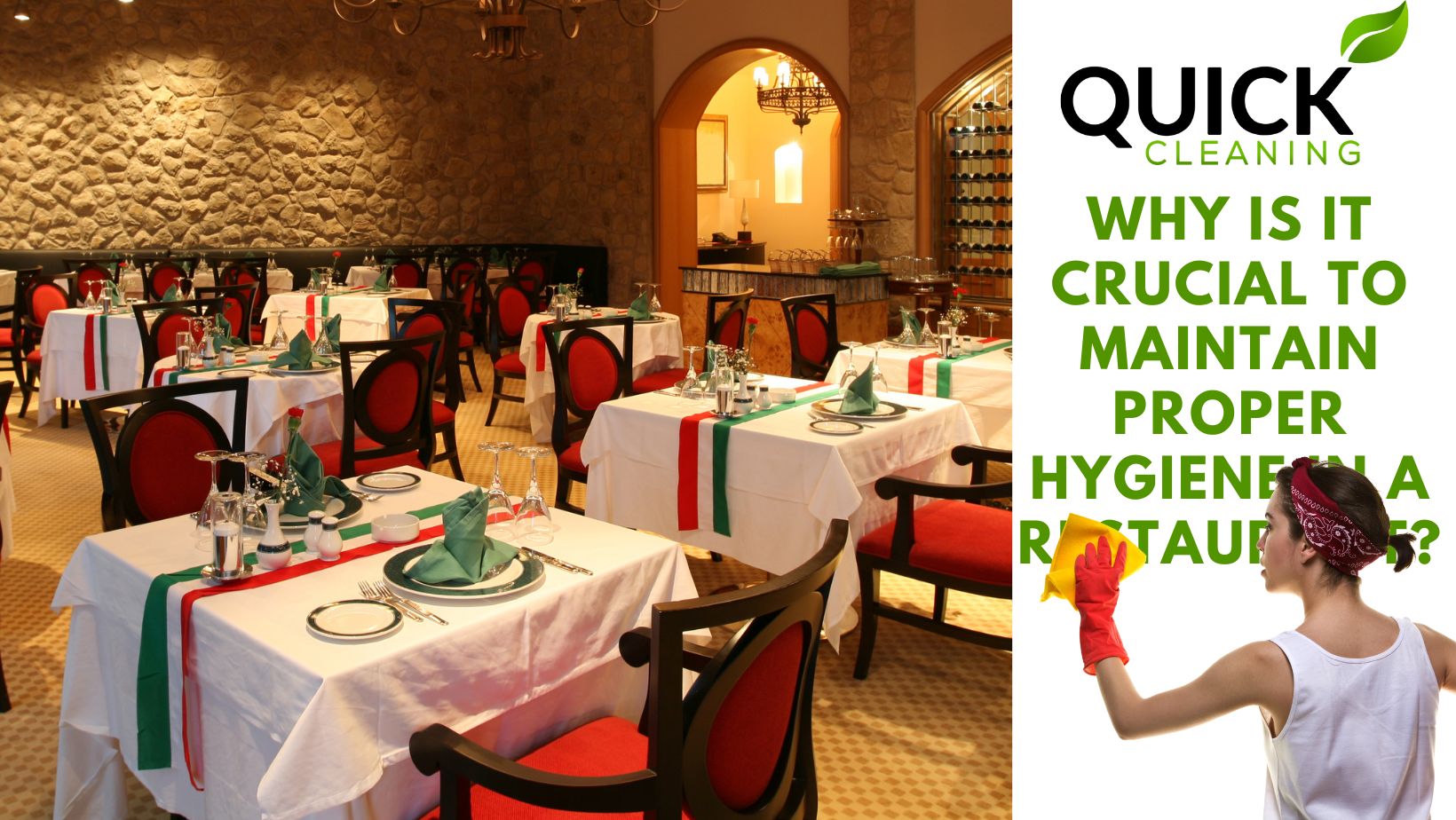
Every restaurant operator faces a crucial question: Why is it crucial to maintain proper hygiene in a restaurant? With customer health, staff safety, and business reputation on the line, understanding and implementing best hygiene practices is not optional—it’s essential. In this comprehensive guide, you’ll learn exactly why impeccable hygiene should be at the center of your restaurant operations, what areas matter most, which cleaning steps can’t be skipped, and how professional cleaning standards set you up for compliance and success. Whether you’re a seasoned restaurateur, a new business owner, or a property manager overseeing food establishments in Chicago, this resource equips you with a framework and actionable checklists designed to safeguard your guests, your staff, and your bottom line.
Restaurant Hygiene: The Foundation of Food Safety and Business Success
Proper hygiene is not just about appearance—it is the bedrock of a healthy and prosperous food business. A lapse in cleanliness can lead to foodborne illnesses, failed inspections, pest infestations, and reputational damage. Conversely, a meticulously maintained space builds trust, delivers peace of mind to customers, and can even improve team morale.
- Protects diners and staff from bacteria, viruses, and allergens
- Reduces risk of regulatory penalties, closures, or lawsuits
- Boosts reliability in food quality and customer confidence
- Supports efficiency by creating a safe, organized workspace
Neglecting hygiene is a liability; making it a priority is a business advantage.
Critical Hygiene Areas in Any Restaurant
While every corner of your restaurant deserves attention, certain areas hold outsized risk for hygiene breaches. Here are the essential zones:
- Food preparation areas (kitchens, prep tables, cutting boards)
- High-touch surfaces (door handles, menus, POS terminals)
- Restrooms (sinks, toilets, soap dispensers)
- Dining spaces (tables, chairs, booths, condiment stations)
- Storage zones (walk-in coolers, dry storage, shelving)
- Waste management zones (bins, dumpsters, grease traps)
Professional cleaning professionals rely on detailed checklists to ensure each of these sections meets and surpasses industry standards for safety and sanitation.
What Are the Risks of Poor Hygiene in Restaurants?
Understanding the stakes drives home the importance of strict hygiene. Here is how neglect can damage your business:
| Hygiene Failure | Consequences |
|---|---|
| Improper dish or surface cleaning | Cross-contamination, foodborne illness outbreaks |
| Poor restroom sanitation | Negative customer reviews, regulatory fines |
| Pest attraction (food debris, spills) | Health code violations, infestations, closures |
| Lack of staff training | Consistent hygiene breaches, accidents |
| Skipped cleaning schedules | Accumulated dirt/grease, odors, hazardous slip zones |
- According to the Association for Professionals in Infection Control and Epidemiology, improper cleaning and sanitation are among the top contributors to outbreaks in foodservice establishments.
Regulatory Requirements: Health Codes and Compliance
Restaurants in Chicago are held to strict standards by health authorities. One major local regulation, Chicago Health Code 4-601.11, governs equipment and surface cleanliness and directly affects inspections and licensing.
- All food-contact surfaces must be cleaned and sanitized at specified intervals.
- Employee hygiene (handwashing, glove use) is legally enforced.
- Record keeping, signage, and staff training are required for compliance.
Details on how to understand and meet these rules are available in the Chicago Health Code 4-601.11 Restaurant Compliance Guide. Proper hygiene is not just good practice—it is the law.
Professional Cleaning vs. In-House Cleaning: What’s Most Effective?
Every restaurant must weigh whether to handle cleaning in-house or partner with professionals. Here’s a structured comparison:
- In-house: Direct staff oversight, but may lack deep cleaning expertise and specialized equipment. Best for quick daily upkeep.
- Professional cleaning: Brings trained teams, industry-standard tools, and proven checklists. Ideal for periodic deep cleans and compliance-focused sanitation.
According to studies shared by APIC’s educational resources, regular professional-level cleaning reduces the risk of infectious disease transmission in public dining spaces compared to staff-only routines.
Hygiene Framework: Essential Restaurant Cleaning Checklists
Clear, comprehensive checklists are mission-critical to consistent restaurant hygiene. Here’s a framework organized by frequency and risk zone:
Daily
- Disinfect food prep surfaces before and after each task
- Clean and sanitize high-touch points (handles, switches)
- Wash floors, degrease kitchen mats
- Empty trash and sanitize bins
- Restock hand soap and sanitizers
Weekly
- Deep-clean equipment (ovens, grills, fryers)
- Clean behind and beneath appliances
- Check for signs of pests
Monthly
- Detail-clean ventilation hoods and filters
- Audit storage and walk-in coolers for expired goods and spills
- Review staff hygiene protocols and retrain as needed
Staff Hygiene: The Human Element of Restaurant Cleanliness
Your cleaning schedule means little if your staff do not follow personal hygiene habits. Key requirements include:
- Frequent and correct handwashing (especially after restroom use and before food handling)
- Proper uniform and hair restraint use
- No work when ill (especially with symptoms of gastrointestinal illness)
- Clear understanding of cross-contamination risks
Regular training sessions—and visible leadership by example—are critical. Learn more about preventing restaurant illnesses tied to hygiene in this dedicated resource.
Hygiene Hotspots in Restaurants: What Gets Overlooked?
Busy shifts often mean that some areas are forgotten. Among the most overlooked:
- Under-sink and drain zones
- Ventilation system intakes
- Light switches, faucet handles, and refrigerator gasket areas
- Point-of-sale touchscreens and paper menus
- Closet and staff break areas
Spotting these hotspots early—before they become hygiene failures—is key to long-term safety and compliance. Try implementing a rotating audit checklist that includes these areas weekly or biweekly.
The Impact of Cleanliness on Restaurant Reputation and Revenue
Customers consistently cite visible cleanliness as a top factor in choosing where to dine. Negative reviews about unclean restrooms or sticky tables can tank ratings on review platforms, eroding trust and driving business away.
- Strong hygiene reputation builds word of mouth and positive online visibility
- Health inspection grades are often displayed publicly and heavily influence walk-in traffic
- Clean environments attract and retain professional kitchen staff
Quality cleaning is an investment in your brand that pays dividends across customer loyalty, staff retention, and financial stability. Explore the full spectrum of professional restaurant cleaning benefits for more details.
Pest Prevention Through Routine Restaurant Sanitation
One of the primary ways to guard against infestations—including rodents, flies, and cockroaches—is to eliminate potential sources of food, water, and shelter.
- Clean food spills immediately and sweep floors after every shift
- Seal food containers and keep dry storage organized
- Empty and clean all waste containers daily
- Regularly inspect entry points for potential pest ingress
Professional cleaning providers often report and document signs of pests as part of their routine, allowing you to address small issues before they escalate.
Audit Framework: Ensuring Consistency in Restaurant Hygiene
Even with the best intentions, standards can slip over time. Build resilience by using audit frameworks:
- Perform weekly walk-throughs with a hygiene checklist
- Invite third-party professional cleaning teams for periodic audits
- Involve staff in self-check and peer-review routines
- Document all cleaning, maintenance, and incident responses
Staying proactive with audits ensures ongoing compliance and continuous improvement.
Responding to Contamination Incidents: Immediate Steps
If contamination is suspected (e.g., vomit, blood, food recalls):
- Isolate the affected area immediately
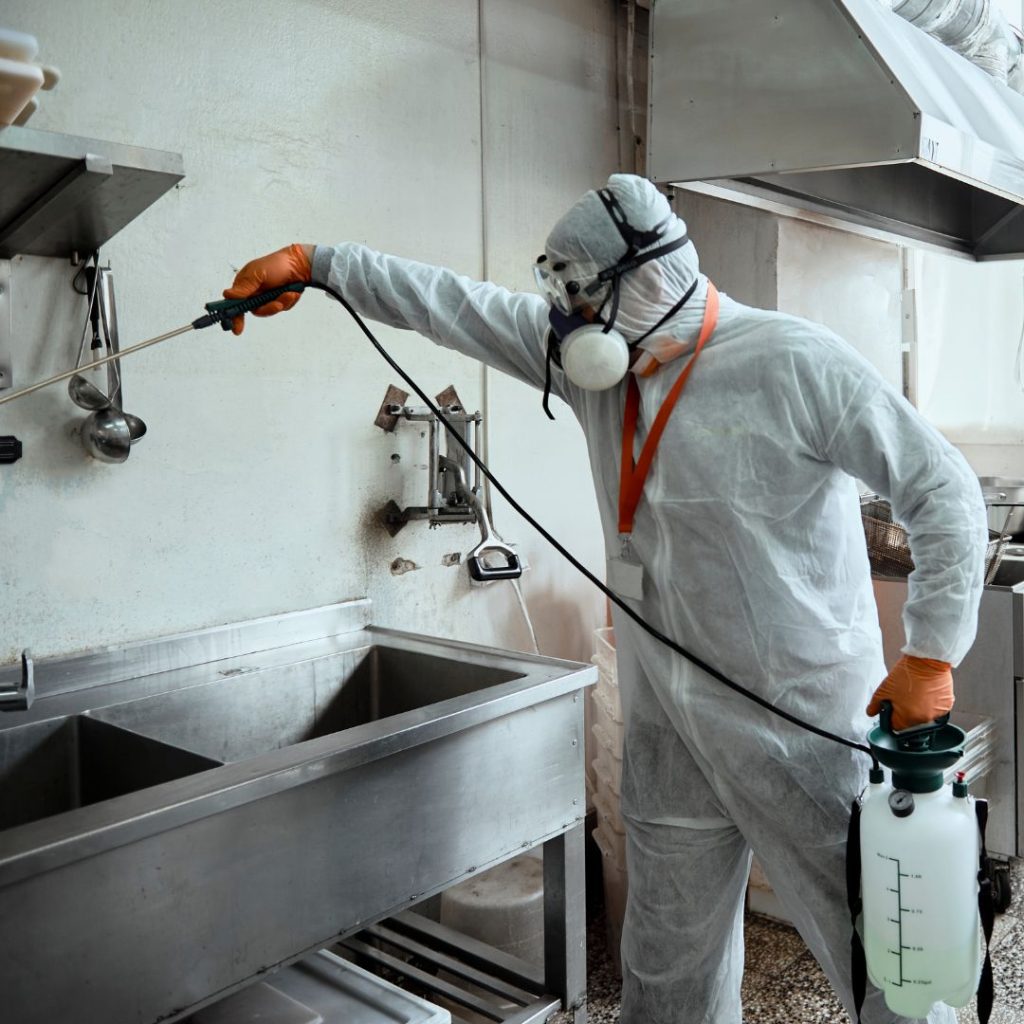
- Contact trained cleaning staff with PPE to handle the clean-up
- Dispose of contaminated items according to biohazard protocols
- Sanitize all related surfaces before allowing any food prep to resume
- Document the incident and actions taken for compliance logs
This rapid response protocol limits health risks, protects staff, and may help shield your business from regulatory actions.
Choosing a Professional Cleaning Partner for Your Restaurant
Deciding on an external cleaning provider is a key step toward ensuring hygiene. When evaluating cleaning companies, consider:
- Proven expertise with restaurants and compliance standards
- Staff training and certification processes
- Use of safe, effective, food-safe cleaning products
- Transparent communication and documented checklists
- Flexibility for off-hours or recurring schedules
Quick Cleaning offers flexible options tailored to your restaurant’s needs with a focus on quality and consistency. You might be interested in reviewing the Restaurant Cleaning services available for professional support.
How Cleaning Frequency Affects Hygiene and Safety
Not all tasks need the same frequency. Some jobs, such as wiping food surfaces and emptying bins, are non-negotiable every day. Deep cleaning, such as kitchen exhaust system maintenance or complete restroom sanitation, may be scheduled weekly or monthly.
- High-traffic and fast turnover restaurants may require more frequent deep cleans
- Seasonal spikes (holidays, events) call for enhanced protocols
Work with your cleaning provider to develop a custom plan that meets both compliance and operational needs. For urgent needs, consider an option like Same-Day Cleaning Services.
Case Studies: Hygiene Practices that Prevented Outbreaks
Consider two real-world scenarios:
Case 1: Quick Response to Contamination
After a customer reported a food spill in a Chicago bistro’s dining room, staff immediately isolated the area and followed the documented disinfection protocol. The rapid action and professional follow-up with commercial-grade cleaners prevented potential foodborne illness and reassured other diners.
Case 2: Scheduled Deep Cleaning Avoids Infestation
A local restaurant was seeing early signs of a pest problem near a storage room. A professional cleaning audit revealed behind-the-shelf food spills and debris. Regular deep cleaning tackled the root of the issue, eliminating pest attractants and passing subsequent health inspections with zero violations.
Integrating Hygiene into Restaurant Culture
Making cleanliness part of your restaurant’s DNA ensures long-term results. Ideas for building a hygiene-focused culture:
- Reward staff for proactive identification of risks
- Schedule regular, interactive trainings on sanitation
- Share health inspection feedback transparently
- Feature visible cleaning routines during business hours
Restaurant Hygiene Checklist: Daily, Weekly, and Monthly Tasks
- Daily: Disinfect prep counters, mop floors, sanitize door handles, clean restrooms, empty garbage, review food storage for spills or pests.
- Weekly: Detail kitchen equipment, clean under/behind appliances, wipe down storage shelves, check pest traps.
- Monthly: Deep clean exhaust hoods, audit hygiene records, retrain staff, inventory all cleaning supplies.
FAQs: Restaurant Hygiene and Cleaning Standards
- How often should food-contact surfaces be sanitized?
Food-contact surfaces must be sanitized after each use, or at least every four hours during continuous use, per local health codes. - What is the best way to train restaurant staff on hygiene?
Combine hands-on training, visible signage, and periodic refreshers matched to specific roles. - What kind of cleaning products are safe in food prep areas?
Only use commercial food-safe detergents and sanitizers with clear instructions and safety data sheets. - How can my restaurant pass a health inspection?
Follow regulatory cleaning checklists, keep documentation, and conduct regular mock inspections. See the full health inspection guide for step-by-step details. - Are professional cleaning services necessary if I have a trained staff?
While staff handle daily cleaning, periodic professional deep cleans ensure compliance and tackle areas often missed during normal routines. - What is the penalty for poor hygiene in a Chicago restaurant?
Penalties range from fines and mandatory closures to the loss of licenses and lasting reputational harm. Non-compliance with Chicago Health Code 4-601.11 carries serious consequences. - Does restaurant size affect cleaning protocols?
Larger operations need more structured cleaning schedules and may segregate duties by zones for better accountability.
Summary: Protect Your Customers and Your Business—Hygiene is Non-Negotiable
Maintaining proper hygiene in your restaurant is not only about keeping surfaces shiny—it is about preventing illness, preserving your reputation, and fostering trust. Armed with expert checklists, a cleaning framework tailored to your space, and the help of trained professionals if needed, you can ensure consistent compliance and a five-star guest experience. For support with recurring, deep, or urgent cleanings, Quick Cleaning is committed to helping Chicago restaurants thrive in a safe and sanitary environment.
About Quick Cleaning
Quick Cleaning is a professional cleaning company serving the Chicago, Illinois area, dedicated to helping households and businesses maintain exceptional levels of hygiene. Our specialties include recurring house cleaning, deep cleaning, move out cleanings, office and special facility cleaning. Our trained staff follow rigorous checklists and utilize cleaning products and equipment suited for each unique environment. With transparent pricing, flexible scheduling, and a commitment to detail, Quick Cleaning builds lasting relationships with clients who value the highest standards of cleanliness and safety.


Chicago restaurant cleaning service, bacteria, chicago cleaning services, restaurant cleaning Chicago, hygienic restaurant, Bartlett restaurant cleaning service, bar and restaurant cleaning Norridge, food service cleaning Wicker Park, restaurant cleaning Lincolnwood, restaurant cleaning Monee IL, restaurant clean Lake Forest, food service cleaning Dundee IL