Prevent Illnesses In Your Restaurant With Cleanliness: Expert Protocols Every Owner Needs
If you operate a restaurant, you know that keeping your environment safe and spotless isn’t just about appearance—it’s a crucial defense against illness outbreaks that can threaten your reputation and business. In this long-form guide, you’ll learn exactly how to prevent illnesses in your restaurant with cleanliness by understanding contamination risks, using proven sanitation protocols, establishing effective routines, and knowing when to call in professional help. This resource is built for owners, managers, and decision-makers who want a step-by-step process to safeguard their teams and guests.
Understanding How Illnesses Spread in Restaurants
Before you can stop illness at the door, it’s essential to understand where risks originate and how pathogens travel in food service environments.
- Foodborne pathogens: Bacteria like Salmonella and E. coli thrive on unsanitized surfaces and improperly stored food.
- Person-to-person transmission: Sick employees or poor hand hygiene are a leading cause of norovirus outbreaks.
- Contaminated equipment: Uncleaned slicers, prep tables, and reusable towels can harbor pathogens for days.
- Aerosol spread: Coughs, sneezes, and even flushing toilets can disperse germs onto surfaces and into the air.
Preventing illness in your restaurant starts by disrupting every possible route these pathogens could take.
The Science Behind Cleaning and Sanitizing: Why Both Matter
Effective restaurant safety involves both cleaning (removing dirt and debris) and sanitizing (eliminating germs). Each requires specific products and techniques.
- Cleaning: Physically removes visible soil from surfaces.
- Sanitizing: Uses chemicals or high heat to reduce bacteria and viruses to safe levels. Utensils, prep surfaces, and hands must all be sanitized at critical control points.
Proper cleaning and sanitization protocols often reference scientific consensus and industry standards—such as those highlighted by the Association for Professionals in Infection Control and Epidemiology (APIC)—to ensure practices are genuinely effective.
Daily Cleaning Routines That Protect Guests and Staff
Consistency is key. Below is a daily action list that addresses both front- and back-of-house risks:
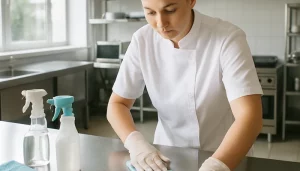
- Disinfect tables, countertops, menus, and reusable items after every use
- Clean and sanitize food prep stations and equipment
- Empty and disinfect trash bins
- Mop floors with food-safe disinfectant
- Disinfect bathrooms: faucets, sinks, handles, dispensers
- Change and launder cleaning cloths and aprons after each shift
Keep in mind: checklists help staff maintain consistency under busy conditions. For a downloadable example, see resources from industry associations or cleaning specialists.
High-Risk Zones: Where Pathogens Love to Hide
Not every surface has the same exposure or risk. These are areas requiring heightened vigilance:
- Refrigerator and freezer handles
- Blender gaskets and soda fountain nozzles
- Touchscreens and POS terminals
- Door handles (especially restrooms and walk-ins)
- Employee lockers and breakroom appliances
Inspections and targeted cleaning of these areas should be incorporated into your regular routine.
Essential Cleaning Products and Equipment for Commercial Kitchens
Choose products with proven efficacy. This comparison helps you match the right tool to each task:
| Surface | Recommended Cleaning Product | Frequency |
|---|---|---|
| Food prep counters | Quaternary ammonium disinfectant | After each task & end of shift |
| Bathrooms | Hospital-grade disinfectant | Every 1–2 hours |
| Dining tables/menus | Food-safe sanitizing spray | After each use |
| Floors | Non-slip degreasing solution | Daily & as needed |
| Utensils/glassware | High-temp dishwasher or sanitizer rinse | Every use |
Always follow manufacturer instructions and local health code regulations. Effective cleaning depends on correct use, not just the choice of product.
Key Regulatory Requirements for Cleanliness and Disease Prevention
Chicago’s restaurant health code spells out strict surface and equipment cleanliness standards. Key mandates:
- Surfaces must be maintained free of soil, grease, and residues
- No build-up of debris, scum, or mold, especially in food prep or storage areas
- Staff must understand chemical concentrations and dwell times
- Documentation of routine cleaning and corrective actions
Failure to properly maintain cleanliness can result in significant fines or even closures. For more detailed compliance guidance, reference Chicago Health Code 4-601.11 compliance tips.
Staff Hygiene Protocols: First Line of Defense
Your employees are on the front lines. Effective policies include:
- Strict handwashing between tasks and after restroom use
- Mandatory use of gloves when handling ready-to-eat foods
- No working when experiencing symptoms of gastrointestinal illness
- Accessible hand sanitizing stations throughout work areas
- Regular training on cross-contamination and food safety basics
For comprehensive staff hygiene guidance, see educational materials offered by the APIC professional learning platform.
Weekly and Monthly Deep Cleaning for Illness Prevention
Regular surface-level cleaning must be reinforced by periodic thorough scrubbing and sanitizing. These scheduled tasks can prevent biofilm build-ups and hidden contamination:
- Clean ventilation hoods and ductwork
- Descale dishwashers and coffee equipment
- Move appliances to clean underneath and behind
- High-dust all vents, lights, sprinklers, and ceiling fans
- Spot-treat grout, tile, and drains for mold and mildew
Pro tip: Assign leadership for deep cleaning tasks and perform periodic inspections. This reduces the risk of tasks being skipped or rushed.
Pest Prevention: Keeping Invaders—and Their Germs—Out
Persistent pests indicate a breakdown in cleaning or facility maintenance. To prevent pest-related illnesses:
- Seal food containers and waste bins tightly
- Block cracks, gaps, and entry points in walls and doors
- Frequently check for droppings, nests, or gnawed packaging
- Store cleaning supplies and chemicals securely away from food prep areas
- Work with a professional if infestations are found
For additional insight on pest-related cleaning and restaurant risk management, consult your compliance guide resources or schedule a professional audit.
Building a Culture of Clean: Staff Engagement and Ongoing Training
Creating a hygienic environment is a team effort. Effective steps include:
- Establish clear roles and responsibilities for daily and deep cleaning
- Host regular training sessions and refreshers
- Celebrate perfect health inspection results with the team
- Post checklists and visual reminders in prep and break areas
- Encourage anonymous reporting of concerns without fear of reprisal
Engaged and well-informed staff are your best defense against lapses that can lead to illness outbreaks.
Professional Restaurant Cleaning vs. In-House Teams: When to Outsource
Some cleaning tasks require commercial-grade equipment, specialized expertise, or attention beyond the capabilities of your staff. Consider professional cleaning if:
- You’re preparing for a critical inspection or reopening
- Hard-to-reach or hazardous buildup needs removal
- Your team is consistently overwhelmed by routine tasks
- You require certified expertise for complex surfaces or sensitive environments
Reputable companies like Quick Cleaning use detailed checklists and trained personnel, ensuring consistent results and peace of mind.
For further insight into the advantages of outsourcing, consider reading the post: Why Should I Outsource Cleaning Of restaurant?
Cleaning Checklists: Customizing for Your Menu and Layout
No two restaurants are exactly alike. Checklists should reflect kitchen layout, menu type, and traffic volume. Effective adaptation involves:
- Mapping cleaning frequency to specific zones (e.g., seafood stations may require unique procedures)
- Identifying allergy risks and developing protocols accordingly
- Reviewing layout for hard-to-clean corners or ventilation dead spots
- Consulting external resources or professional services for specialized needs
Adapting best practices boosts effectiveness and demonstrates a commitment to excellence during health inspections.
Health Inspection Readiness: Managing Cleanliness Documentation
Proper record-keeping safeguards your operation and proves diligence to inspectors. Essential documentation includes:
- Cleaning and sanitizing log sheets for each zone
- Records of staff training and safety meetings
- Material Safety Data Sheets (MSDS) for all chemicals on site
- Pest control and maintenance records
- Incident reports for any illness complaints
Being audit-ready minimizes stress during city compliance checks. Learn more about preparation at How To Pass a Restaurant Health Inspection.
Responding to a Suspected Illness Outbreak
Despite your best efforts, incidents can happen. If you suspect a foodborne illness:
- Immediately isolate potentially contaminated food and equipment
- Temporarily close the affected zone for deep cleaning
- Contact your local health department and follow reporting requirements
- Review and update staff training as needed
- Consider scheduling a full sanitation service to restore safety and confidence
Quick and decisive action can prevent additional cases and preserve your reputation.
The True ROI of Restaurant Cleanliness: Safety, Reputation, and Revenue
The impact of a single illness event can be devastating—lost customers, costly legal action, and regulatory fines. Investing in excellent cleanliness, on the other hand, leads to:
- Repeat business and positive reviews
- Lower staff turnover and absenteeism
- Faster, less stressful compliance inspections
- Sustained revenue growth by demonstrating commitment to safety
For a practical breakdown of advantages, review What Are The Benefits Of Professional Restaurant Cleaning Services?.
FAQ: Restaurant Illness Prevention and Cleanliness
Are there official guidelines for cleaning frequency in restaurants?
Yes, local health departments and industry associations provide standards. Surfaces must be cleaned and sanitized after each use and at scheduled intervals based on risk.
Which cleaning chemicals are safest for food-contact surfaces?
Use only chemicals labeled food-safe and approved for commercial use; follow all dilution and contact time instructions.
How can I prevent cross-contamination between raw and cooked foods?
Use color-coded equipment, dedicated utensils, and ensure immediate cleaning of prep surfaces between uses.
What records should I keep to show inspectors my restaurant is clean?
Maintain daily cleaning logs, training records, MSDS sheets, and pest control documentation.
When is professional cleaning better than in-house efforts?
For deep cleaning, compliance audits, difficult buildup, or when staff bandwidth is limited, professionals bring expertise and advanced tools.
What are common signs that cleaning routines are failing?
Frequent customer complaints, repeat inspection violations, presence of pests, and visible buildup are warning signs.
How should I handle an illness report linked to my restaurant?
Act quickly: isolate risk, inform authorities, enhance cleaning, and review or refresh staff training.
Can an eco-friendly approach still prevent illnesses?
Yes, as long as you use effective products and adhere to frequency and protocol standards set by health authorities.
How does staff turnover affect restaurant cleanliness?
Frequent turnover means more regular training is needed to keep all team members up to standard and reduce risk.
Where can my staff get ongoing cleaning and hygiene training?
Access up-to-date courses through platforms like APIC’s online programs or request a demo from your cleaning provider.
Conclusion: Elevate Your Cleanliness, Protect Your Guests
Proactive cleaning and hygiene are not just compliance—they are an investment in your restaurant’s future. Use this guide to evaluate your current routines, strengthen weak spots, and foster a culture of safety. If you need expert help, consider partnering with professional teams who prioritize your reputation as much as you do. For tailored services, you can schedule Restaurant cleaning or Office cleaning service with Quick Cleaning.
About Quick Cleaning
Quick Cleaning helps households and businesses in Chicago, Illinois and nearby areas keep their spaces clean and healthy. Our professionally trained staff specialize in recurring house cleaning, move out cleaning, deep cleaning, office, and facility maintenance. We combine consistent checklists with attention to detail, clear communication, and a dedication to long-term client relationships. Trust Quick Cleaning for a healthier, safer environment.

foodborne illness, best cleaning services, restaurant cleaning services chicago, chicago restaurant cleaning service, restaurant cleaning Homewood, restaurant cleaning Westmont IL, restaurant kitchen cleaning Riverwoods, restaurant cleaning Countryside IL, food service cleaning Summit IL, bar and restaurant cleaning Joliet IL, restaurant kitchen cleaning Palos Hills IL