
Hygiene Guide For Daycare Centers: Best Practices, Protocols & Checklists
Maintaining impeccable hygiene in daycare centers is essential for safeguarding children’s health and preventing the spread of germs. Whether you’re a caregiver, manager, or a parent investigating proper standards, this guide breaks down the vital cleaning and sanitation steps crucial for daycare centers. We’ll walk through targeted protocols, must-cover areas, frequency guidance, checklists, preparation steps, and how to choose competent cleaning partners. If you want actionable strategies based on real-world expertise in Chicago, this Hygiene Guide For Daycare Centers provides everything you need for a healthy, compliant environment. Quick Cleaning’s approach integrates practical cleaning routines and up-to-date best practices developed for child-care settings.
Understanding Hygiene Risks Unique to Daycare Environments
Daycares are high-traffic, high-contact environments. Unlike homes or offices, they cater to young children with developing immune systems, who may not yet master good hygiene habits. High-touch objects, shared play areas, frequent movement between rooms, and the presence of bodily fluids make proper cleaning non-negotiable. Recognizing key risk factors helps build effective cleaning strategies:
- Constant touching of toys, furniture, and surfaces increases pathogen spread.
- Children’s hand-to-mouth behaviors elevate contamination risk.
- Shared bathrooms, snack areas, and nap spaces require vigilant sanitation.
- Frequent accidents/spills: bodily fluids, art supplies, and food.
Critical Zones: Where Daycare Hygiene Requires Extra Attention
Not all daycare areas present the same risk. Allocate extra resources and more frequent cleaning to the following zones:
- Entrance and Reception: Handles, sign-in kiosks, and waiting spaces.
- Group Play Areas: Toys, play-mats, shelving, climbing equipment.
- Eating Areas: Tables, highchairs, sinks, fridge handles, microwaves.
- Sleeping/Nap Rooms: Bedding, mats, cribs, cubbies, storage.
- Restrooms/Changing Rooms: Toilets, sinks, bins, changing tables.
- Staff Workspaces: Desks, phones, supply cupboards, computers.
This area prioritization forms the backbone of any effective hygiene plan.
Daily, Weekly, and Monthly Cleaning Frameworks For Daycare Centers
A structured cleaning schedule defines what needs to be done, when, and by whom. The frequency depends on foot traffic, usage patterns, and regulations. Here’s an evidence-based breakdown:
| Area | Daily | Weekly | Monthly |
|---|---|---|---|
| Toys | Sanitize & wipe, rotate dirty toys out | Deep clean all, inspect for damage | Inventory & replace worn-out toys |
| Restrooms | Disinfect all surfaces | Deep scrub floors/walls | Inspect plumbing/fixtures |
| Eating areas | Clean & disinfect after every meal | Clean chairs/tables thoroughly | Check for pest risk, deep clean storage |
| Floor surfaces | Sweep & mop; spot treat spills | Carpet deep clean, mat shakeout | Professional floor cleaning |
| Common touchpoints | Multiple daily wipes (handles, switches) | Thorough inspection | Replace/repair if needed |
Adjust according to local standards and EPA IPM cleaning best practices.
Child-Safe Cleaning Products and Storage Protocols
Childcare centers must use products effective against pathogens, yet safe around young children. Essentials:
- EPA-approved disinfectants suitable for childcare settings
- No harsh fumes or aggressive chemicals; prioritize fragrance-free and non-allergenic products
- Color-coded cleaning cloths/tools (minimize cross-contamination between bathrooms, eating areas, etc.)
- All cleaning products stored in secured, labeled cabinets out of children’s reach
Staff should follow each manufacturer’s label for safety contact times and proper dilution. For resources, consult the Association for Professionals in Infection Control and Epidemiology.
Establishing an Effective Cleaning Team and Training Program
Exceptional hygiene begins with well-trained, consistent staff. Whether using in-house teams or outside experts, set clear standards:
- Onboard all cleaning staff with documented procedures specific to daycare operations
- Deliver annual (or more frequent) refresher courses
- Use checklists and visible cleaning logs to ensure accountability
- Encourage reporting of hygiene gaps or broken equipment
- Require gloves and PPE as appropriate during cleaning/disinfection
For frequent deep cleaning or staff shortages, consider outsourcing to a specialized provider who understands childcare protocols.
Hygiene Checklists for Daily Operations in Daycare Centers
Below is a sample checklist for daily use in child-care facilities. Use as a baseline and modify for your site’s layout:
- Wipe and disinfect all door handles, light switches, and railings
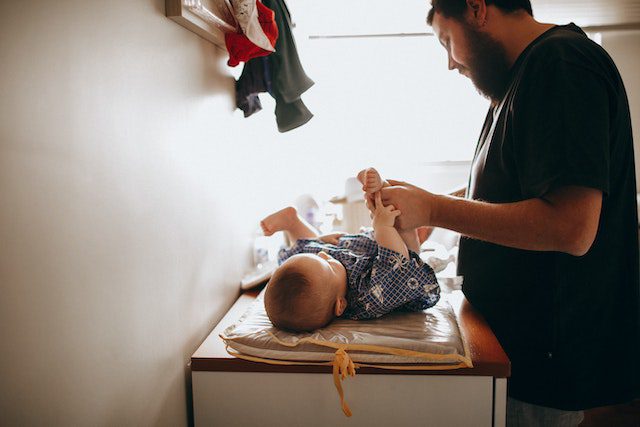
- Clean and disinfect changing tables after each use
- Sanitize toys and communal touchpoints at least twice daily
- Disinfect eating surfaces before and after food service
- Sweep, mop, and vacuum assigned zones by midday and end-of-day
- All trash bins lined and emptied daily (more frequent if needed)
- Restock consumables (soap, paper towels, tissues) every opening and before closing
Routine checks limit oversights and promote accountability.
Protocols for Managing Spills, Illness, and Accidents
Daycare staff must react quickly to accidental spills or onset of illness:
- Wear gloves for any body fluid clean-up (vomit, blood, urine).
- Use absorbent materials to contain and remove solids.
- Clean with detergent first, then disinfect the site.
- Sanitize or dispose of any absorbent cleaning items (paper towels, gloves).
- Cordon off and ventilate affected area until fully dry and safe.
Document incidents as part of site records, both for hygiene tracking and to inform parents as needed.
Air Quality, Ventilation, and Allergen Control in Daycare Centers
Poor air circulation elevates risks of secondary infections and allergies. Hygiene routines should include:
- Regularly cleaning and inspecting HVAC vents and filters
- Daily ventilation—open windows when possible
- Use of HEPA filters for spaces serving children with chronic allergies
- Routine dusting of window sills, blinds, and high shelves
Never use high-fragrance cleaning sprays or air fresheners near children, as these can trigger asthma/allergic reactions.
Tailoring Hygiene Practices for Infants, Toddlers, and Older Children
Different age groups in daycare have distinct hygiene needs and risks:
- Infants: More vulnerable, so surfaces near cribs, changing stations, and feeding areas require extra attention. Only use infant-safe disinfectants.
- Toddlers: Frequent hand-to-surface contact – increase frequency of toy and surface cleaning. Store mouthed toys separately until sanitized.
- Preschool/Older: Teach and encourage handwashing, involve children in basic clean-up, and reinforce good practices as part of daily routines.
Training staff in age-appropriate practices reduces infection outbreaks and builds trust with parents.
Record-Keeping and Compliance: Hygiene Logging in Daycare Settings
Proper records support safety and meet regulatory obligations. Key practices:
- Maintain a log of daily cleaning tasks—date, staff initials, and notes
- Document all spill/illness/incident responses
- Keep product safety sheets (SDS) and usage guidelines readily accessible
- Prepare for unannounced inspections with up-to-date compliance records
Detailed documentation demonstrates professionalism and can protect your daycare from liability.
Selecting Professional Cleaning Partners Familiar With Daycare Standards
Partnering with a qualified professional cleaning company streamlines operations and ensures compliance. Consider:
- Experience with childcare clients and knowledge of age-specific protocols
- Use of certified, safe products and diligent staff vetting
- Ability to offer deep cleaning, recurring maintenance, or emergency response
- Transparent, itemized quotes and flexible contract terms
Quick Cleaning specializes in recurring, deep cleaning, and special facility cleaning across Chicago. For dedicated support, see our Daycare Cleaning Guide or contact Quick Cleaning for details on service packages.
Integrating Hygiene Into Daycare Culture: Engagement & Education
Lasting results come from embedding hygiene awareness into everyday routines and communications:
- Model best practices for children, staff, and families
- Post visible “Wash Hands” signs and cleaning checklists
- Host regular staff huddles to reinforce protocols
- Circulate simple parent handouts explaining site cleaning measures
Building a shared responsibility model enhances compliance and confidence in your childcare program.
Comparing In-House vs. Outsourced Cleaning for Daycare Centers
- In-House Teams: Direct oversight, day-to-day flexibility, ongoing training required, potential risk of shortcutting routines during busy periods.
- Outsourced Cleaning: Professional-grade equipment, specialty training in infection control, often more reliable for scheduled deep cleaning, less flexible for immediate needs.
Many daycare centers combine both, retaining in-house staff for daily cleaning while hiring outside experts for big jobs or periodic audits. For comprehensive support, view the options at Commercial cleaning Chicago.
Responding to Outbreaks: Enhanced Protocols and Rapid Response
If illness spreads in a daycare, increase both cleaning frequency and intensity:
- Disinfect all high-touch surfaces multiple times daily
- Wash all bedding and soft items at high temperatures
- Communicate with parents/staff promptly about steps taken
- Isolate affected rooms if possible during in-depth sanitation
Reference the APIC’s infection prevention training resources for further protocols.
Essential Hygiene Training Topics for Daycare Staff
- Proper handwashing and glove use techniques
- Understanding cross-contamination and how to prevent it
- Safe storage and handling of cleaning products
- Recognizing illness symptoms and appropriate cleaning response
- Emergency spill/incident response steps
Routine refreshers and scenario-based drills increase preparedness and minimize risk across your center.
FAQ: Hygiene and Cleaning In Daycare Centers
What is the most important step in a daycare hygiene plan?
The most important step is consistent, scheduled cleaning of high-touch areas using appropriate disinfectants. Adherence to daily checklists ensures essential tasks are never missed.
Are commercial cleaning products safe for children?
Not all are suitable; only use EPA-approved, childcare-rated products. Always store chemicals securely and follow manufacturer safety guidelines.
How often should toys in a daycare be cleaned?
High-use toys should be cleaned and disinfected daily; mouthed toys require cleaning after each use. Deep cleaning and inspection should occur weekly or as needed.
What is the best way to ensure accountability in cleaning routines?
Implement daily cleaning logs, staff checklists, and visible schedule charts. Encourage staff to note any hygiene gaps and report issues immediately.
What actions should be taken during a gastrointestinal outbreak?
Increase frequency of disinfecting, especially hard surfaces, and communicate openly with parents and staff. Isolate affected rooms, and consult infection control guidelines for additional steps.
What role do parents play in daycare hygiene?
Parents should be informed of safety protocols and encourage children to participate in handwashing. Clear communication builds trust and shared responsibility.
How can daycares prevent the spread of airborne illnesses?
Maintain proper ventilation, enforce regular hand washing, and sanitize shared surfaces frequently. Use HEPA filtration and avoid high-fragrance cleaning sprays that can irritate sensitive children.
Should all cleaning be done by professional cleaners?
Daily cleaning is often managed by on-site staff, but regular deep cleaning or specialized sanitation should be performed by certified professionals, especially during outbreaks or high-risk events. Contact the deep cleaning team for expert support.
What documentation is required for daycare hygiene compliance?
Daily cleaning logs, incident records, and product safety sheets (SDS) are essential. Stay ready for spot inspections by keeping records organized and up to date.
How do you choose a cleaning partner for a daycare?
Look for experience with similar facilities, clear protocols, use of child-safe products, and staff who are trained in daycare operations. See Quick Cleaning for a trusted option in Chicago.
Conclusion: Elevating Daycare Hygiene With Structured Protocols
Consistent hygiene in daycare centers is fundamental for child and staff safety. With zone-based cleaning plans, thorough staff training, and responsive protocols for spills, outbreaks, or daily routines, your center can safeguard health and peace of mind. For expert support or tailored solutions, explore dedicated cleaning services in Chicago designed for child-care environments.
About Quick Cleaning
Quick Cleaning delivers expert cleaning services for homes and businesses throughout Chicago, Illinois and nearby areas. Our specialized teams excel in recurring house cleaning, deep cleaning, move out and office cleaning, as well as facility cleaning for daycare, medical, and other sensitive environments. We use only professional-grade equipment and vetted staff, and pride ourselves on clear communication and flexible scheduling. Quick Cleaning helps households and businesses maintain clean, healthy, and inviting spaces through attention to detail and proven professional standards.

best cleaning services, Daycare Cleaning Chicago, childcare cleaning services, preschool cleaning Harvey, childcare center cleaning Fox Lake IL, daycare cleaning Lockport, daycare cleaning in Libertyville IL, nursery cleaning Countryside, daycare cleaning Norridge IL, childcare center cleaning Wicker Park