
Carpet Cleaning Mistakes to Avoid: An Expert’s Full Checklist for Homes & Businesses
Carpeted spaces provide comfort, insulation, and an inviting look—when properly maintained. Yet, even the best intentions can cause damage if you’re not aware of the most common carpet cleaning mistakes to avoid. From over-wetting and using the wrong products, to skipping routine maintenance, simple missteps can reduce the lifespan and cleanliness of your carpet, whether at home, in an office, or managing an Airbnb. This guide offers actionable steps and decision checklists so you can clean smarter, avoid costly errors, and understand when professional support (like Quick Cleaning’s trained teams) makes a difference.
Understanding Carpet Materials and Their Unique Cleaning Needs
The first step to avoiding carpet cleaning mistakes is knowing what kind of carpet you’re working with. Fibers like nylon, polyester, wool, or olefin each have different resistances to water, chemicals, and wear.
- Nylon: Resists stains and abrasion but can fade with strong chemicals.
- Polyester: Repels liquid but may attract oily stains.
- Wool: Natural, resilient, but easily damaged by alkaline cleaners and excessive moisture.
- Olefin: Moisture-resistant but prone to attracting dirt and oil-based stains.
Matching your cleaning method to your carpet type minimizes risks and ensures a longer, healthier lifespan.
Most Damaging Carpet Cleaning Mistakes (And How to Prevent Them)
Avoid these common pitfalls for both routine and deep cleaning:
- Scrubbing Stains Aggressively: Pushes stains deeper and frays fibers. Blot instead.
- Over-Wetting: Allows mold and backing separation. Use minimal moisture where possible.
- Neglecting Routine Vacuuming: Grit damages fibers with every step.
- Wrong Product Usage: Harsh chemicals can bleach or degrade carpet fibers.
- Skipping Professional Cleaning: Soil and contaminants build up beyond what home methods can remove.
Carpet Cleaning Decision Framework: DIY vs Professional
Choosing between cleaning yourself and hiring a professional service should be guided by:
| Situation | DIY Cleaning | Professional Cleaning |
|---|---|---|
| Light soil, no stains, regular upkeep | Vacuuming, quick spot removal | Recommended every 12–18 months |
| Pet odors, stubborn stains, large areas | Limited effectiveness | Deep extraction required |
| End of tenancy, office carpets, health concerns | Often impractical | Advanced tools/standards, documentation |
| Unknown stains, allergy risk | Requires caution | Expert assessment |
Professional carpet cleaners, like Quick Cleaning, follow strict checklists and use industry-approved products for a superior result and less risk.
Spot Cleaning: What Not to Do When Treating Stains
- Don’t rub or scrub: Blot gently with a clean white cloth.
- Don’t delay: Act immediately—dried stains are much harder to remove.
- Don’t use colored towels: Dye transfer can worsen the stain.
- Don’t overuse spotters: Too much product can leave sticky residue that attracts more soil.
For pet accidents, coffee, or wine, quickly dab the spill, then refer to a professional if color remains or an odor persists.
Incorrect Product Use: Chemicals to Avoid on Carpets
Some chemicals will damage carpet fibers or cause rapid resoiling. Avoid:
- Bleach-based products (destroys color and fiber integrity)
- High-pH (alkaline) cleaners on wool
- Ammonia or highly scented products (leave residues, cause rapid re-soiling or allergic reactions)
- Multi-surface cleaners not labeled for carpet
Always spot-test a new cleaner in a hidden area. When in doubt, consult a professional cleaning team for advice.
Ignoring Cleaning Frequency Recommendations: Why Routine Matters
- Homes with children/pets: Vacuum 2–3 times a week, spot clean stains ASAP, full carpet cleaning every 6–12 months.
- Offices/high-traffic areas: Vacuum daily, spot clean frequently, professional extraction quarterly/biannually.
- Airbnbs/rental properties: Vacuum after each guest, professionally clean after each turnover or at least quarterly.
Consult the CDC’s cleaning guidance for best practices on frequency and hygiene.
Carpet Drying Mistakes and Hidden Moisture Hazards
- Not removing excess water: Use absorbent towels or extraction vacuums.
- Skipping air movement: Always use fans or open windows after deep cleaning.
- Replacing furniture too soon: It can cause stains and prevent drying.
- Neglecting underlay: Prolonged wetness leads to mold beneath the carpet, risking indoor air quality and health.
If unsure whether your carpet is fully dry, delay all regular use and monitor for musty odors—signs mold may be developing.
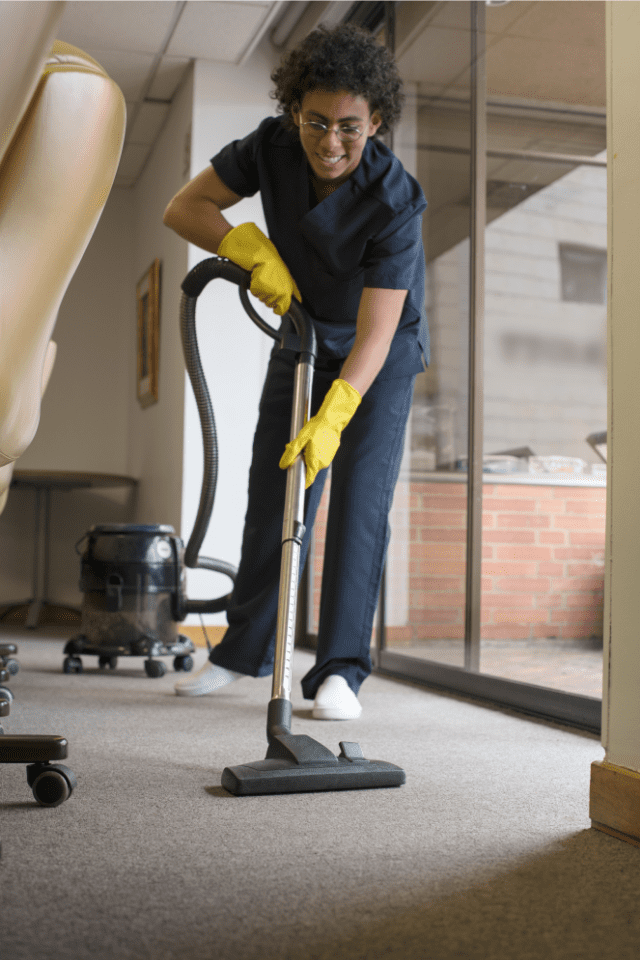
Vacuuming Mistakes: Getting This Essential Step Right
- Wrong vacuum type: Upright vacuums are ideal for plush; canisters suit low pile.
- Poor filter maintenance: Dirty filters reduce suction and spread allergens.
- Ignoring edges and corners: Dirt builds up along baseboards and won’t be removed by a quick pass.
- Overfilling the bag/canister: Causes loss of effectiveness and dust leaks.
Using Too Much or Too Little Water: Balance Is Key
Water is a powerful cleaning aid—but too much can damage your carpets and too little won’t lift dirt and stains effectively. The risks of each:
- Excess water: Leads to mold, mildew, and possible carpet shrinkage.
- Insufficient water: Leaves soil and cleaning agents behind, leading to residue and dull appearance.
Follow the manufacturer’s instructions or rely on professional services that measure and control moisture levels during cleaning.
Neglecting Spot Testing: A Crucial Prevention Check
- Always apply new cleaning solutions to a small, hidden patch first.
- Wait for full drying—check for color loss or damage.
This single step can save you from irreversible damage and costly carpet replacements.
How Professional Carpet Cleaning Differs from DIY Methods
- Heat and extraction: Professionals use powerful hot water extractors unavailable to most consumers, removing deeper dirt and allergens.
- Safe chemistry: Trained staff pick products matched to your carpet’s material and soil type.
- Drying protocols: Specialized air movers and techniques ensure no leftover moisture or mold risk.
- Checklist standards: Consistent coverage of all areas, including high-traffic paths and ignored corners.
Discover the full benefits of professional carpet cleaning.
Recurring vs Deep Cleaning: When and Why Each Matters
- Recurring cleaning: Maintains appearance, addresses light soiling, prevents grit buildup. Usually includes vacuuming, spot cleaning, and basic stain removal.
- Deep cleaning: Required for stubborn stains, odors, allergen removal, or after events (move-outs, spills, floods). Involves specialized equipment and solutions.
Check your rental, commercial, or move-out agreements for required cleaning frequencies. Learn more at this university’s tenant move-out cleaning resource.
Checklist: How to Avoid Carpet Cleaning Mistakes Step-by-Step
- Identify carpet fiber/material—check manufacturer’s label if available.
- Vacuum thoroughly before wet cleaning.
- Spot test all cleaning agents in a hidden spot.
- Blot and lift, never scrub stains.
- Use recommended dilution rates for all chemicals.
- Apply the minimal necessary water for spot/steam cleaning.
- Ensure good airflow for rapid drying.
- Wait until carpets are completely dry before replacing furniture.
- Schedule full professional cleaning according to usage pattern and foot traffic.
High-Traffic Zones and Special-Use Spaces: Extra Risks and What to Watch For
Areas like office lobbies, daycare playrooms, gyms, and rental units present unique challenges:
- More frequent cleaning required—review the commercial cleaning checklist.
- Stain/soil patterns reveal cleaning gaps—change direction each cleaning cycle.
- Consider using protective mats in entrances to minimize dirt tracked onto carpet.
- Coordinate cleaning to facility downtime to ensure full drying.
Signs Your Carpet Was Cleaned Incorrectly (and How to Fix Them)
- Persistent odors after cleaning
- Stiff, crunchy, or sticky feel underfoot (detergent residues)
- Dull or matted appearance that returns quickly
- Patches of discoloration or watermarks
- Musty smell indicating possible mold growth beneath surface
If you notice these warning signs, schedule a diagnostic visit with a professional carpet cleaning technician.
Decision-Making: When to DIY, When to Call Professionals
- DIY suits: Small fresh spills, maintenance vacuuming, spot removals using trusted products.
- Call in the pros: Odors persist, recurring stains, water damage, time since last deep clean exceeds a year, or for move-out/compliance requirements. See move-out cleaning options for help meeting lease rules.
Carpet Cleaning Mistakes Specific to Chicago’s Climate
Chicago’s variable weather introduces extra risks for carpet care, including:
- Winter salt and moisture: Increases wear and risk of white stains/mold.
- Humidity: Slower carpet drying after deep cleaning—plan ahead with fans.
- Pollens/allergens: Spring and fall cleaning is key to reduce indoor irritants.
Review carpet care tips for winter for more.
Integrating Carpet Care with Whole-Space Cleaning Protocols
Carpet cleaning mistakes often arise when not coordinated with full-site hygiene. Align your cleaning with:
- Regular hard-floor sweeping/vacuuming to minimize soil transfer
- Scheduled cleaning of high-touch surfaces, bathrooms, and break rooms (visit why cleanliness matters in businesses)
- Air quality checks if persistent odors are noted
This ensures a healthy environment and maximizes your investments in both carpet and facility cleanliness.
FAQ: Common Questions About Carpet Cleaning Mistakes
- Q: Can all stains be removed from carpet?
A: No, some stains (like certain dyes or permanent marker) may only partially lift. Fast action improves success. - Q: Is vacuuming enough to prevent carpet wear?
A: Vacuuming reduces soil, but periodic professional cleaning is required to remove embedded dirt and prolong carpet life. - Q: Will DIY rental machines damage my carpet?
A: They can, if used incorrectly or with the wrong solution. Follow guidance closely and spot test; for large areas, consider professionals. - Q: How soon can I walk on my carpet after cleaning?
A: Wait until fully dry (usually 6–12 hours). Use clean socks or shoe covers if necessary. - Q: What do I do if mold develops after cleaning?
A: Contact a professional cleaning and restoration company. Address any moisture source and increase ventilation immediately. - Q: Are homemade cleaning solutions safe?
A: Some are, but always check with your carpet manufacturer and spot test. Avoid vinegar or ammonia on wool. - Q: Can I use a steam mop on carpet?
A: Not unless your carpet manufacturer approves—it may drive water too deep, risking mold. - Q: How do I prep a carpet for end-of-tenancy cleaning?
A: Remove all furniture and vacuum thoroughly before any wet cleaning; follow detailed guides from your property management, or see move-out resources here. - Q: How often should office carpets in Chicago be professionally cleaned?
A: High-traffic office carpets may require professional cleaning every 3–6 months; consult with experts for a schedule tailored to your business. - Q: What’s the biggest carpet cleaning mistake businesses make?
A: Relying on in-house vacuuming only—deep contaminants require periodic expert cleaning to maintain both appearance and health.
Key Takeaways and Next Steps for Cleaner, Longer-Lasting Carpets
- Know your carpet material and select suitable products and methods.
- Vacuum regularly and address spills immediately—never scrub stains.
- Spot test everything; avoid over-wetting and ensure rapid drying.
- Set an appropriate cleaning frequency for your usage and facility type.
- Enlist professional help for deep, large-area, or problem issues.
For added peace of mind, review the difference between carpet cleaning methods and use this commercial cleaning checklist for building-wide hygiene goals.
Ready for a consistently clean carpet? If you have high-traffic spaces or are planning a move, see how a professional cleaning team can help.
About Quick Cleaning
Quick Cleaning is a trusted Chicago-based cleaning company specializing in residential and commercial cleaning, including recurring house cleaning, deep cleaning, move out cleaning, and office and specialized facility carpet care. Our trained staff follow thorough checklists, use industry-standard equipment and professional cleaning products, and prioritize health, safety, and attention to detail in every service. Quick Cleaning helps households and businesses in Chicago, Illinois, and nearby areas maintain healthy, inviting, and long-lasting interiors.

best machines, cleaning company chicago il, Chicago Commercial Cleaning, Commercial Cleaning Chicago, commercial cleaning contractors in the city of Forest Park, commercial cleaning companies in Gold Coast, commercial cleaning company Bedford Park, commercial cleaning contractors in the city of Summit IL, Matteson commercial cleaning, commercial cleaning Hanover Park IL, commercial cleaning Countryside