Understanding the Difference Between Carpet Cleaning and Extraction: An In-Depth Guide for Homes and Businesses
Are you unsure whether your carpet needs a regular cleaning or a deep extraction? You’re not alone—many Chicago homeowners, tenants, business owners, and property managers ask about the difference between carpet cleaning and extraction. In this detailed guide, you’ll learn exactly what sets these two methods apart, how each works, what results to expect, and how to make the right choice for your space. You’ll also get decision checklists, maintenance schedules, and practical tips from Quick Cleaning’s professional experience.
What Is Carpet Cleaning? Methods, Scope, and Expectations
At its core, carpet cleaning describes a range of surface-level techniques designed to remove dirt, allergens, and light stains from carpeting. The most common approaches include vacuuming, dry compound cleaning, and bonnet (pad) cleaning. While these methods help maintain day-to-day appearance, they don’t always reach deep into the carpet fibers.
Common Carpet Cleaning Methods
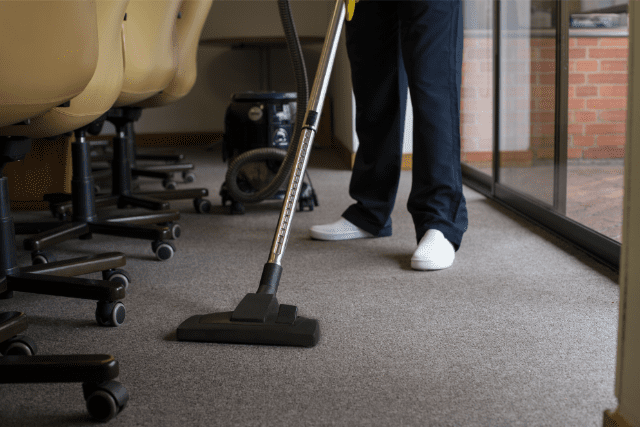
- Vacuuming: Removes dry soil, dust, and allergens from the carpet’s surface.
- Encapsulation cleaning: Involves applying specialized cleaning agents that encapsulate and crystallize dirt, making it easy to vacuum up afterwards.
- Bonnet cleaning: A rotating buffer pad absorbs surface dirt and light stains, commonly used for commercial carpets requiring quick dry times.
- Dry compound cleaning: A powder or granule is spread on the carpet, agitated, and vacuumed up, lifting visible debris with minimal moisture.
When Is Standard Carpet Cleaning Sufficient?
- Light soil and dust control
- Maintaining daily or weekly appearance
- Interim cleaning between deeper treatments
- Situations where fast drying is essential
What Is Carpet Extraction? Processes, Benefits, and Results
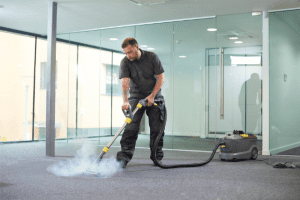
Carpet extraction—often called hot water extraction or steam cleaning—is a deep cleaning process that flushes soils, allergens, bacteria, and stubborn stains from deep within carpet fibers and backing. Professional carpet extraction combines pressurized water and powerful vacuums to loosen debris and remove dirty water.
Main Carpet Extraction Techniques
- Hot water extraction (steam cleaning): Hot water and cleaning solution are injected deep into the carpet, then extracted along with soil and contaminants.
- Portable or truck-mount extraction: Both rely on high suction; truck-mounted systems are typically more powerful and used in large spaces.
Situations Where Extraction Is Needed
- Deep-seated dirt, pet stains, or odors
- After spills, heavy foot traffic, or construction
- Quarterly or annual refreshers in homes and offices
- To meet hygiene standards in healthcare, hospitality, or child care
Carpet Cleaning vs. Extraction: Side-by-Side Comparison
To help clarify the difference between carpet cleaning and extraction, review this structured comparison:
| Aspect | Standard Carpet Cleaning | Carpet Extraction |
|---|---|---|
| Purpose | Surface maintenance and appearance | Deep cleaning and removal of embedded soils |
| Tools | Vacuums, pads, encapsulation machines | Hot water extractors, powerful vacuums |
| Drying Time | Minimal (often under 1 hour) | 4–24 hours (depending on airflow, humidity) |
| Stain Removal | Limited for deep or old stains | High effectiveness for stubborn stains |
| Frequency | Weekly to monthly | Quarterly to annually |
| Ideal Spaces | Low-traffic homes, offices, or touch-ups | High-traffic zones, move-outs, post-renovation |
How Professional Carpet Cleaning and Extraction Work: Step-by-Step
For Surface Carpet Cleaning
- Thorough vacuuming to remove loose soil
- Application of encapsulation or cleaning compound (as needed)
- Agitation/bonneting to work product into fibers
- Absorption and removal (pad or vacuum)
- Final grooming and quick dry phase
For Carpet Extraction
- Preparation: Move furniture, inspect carpets, and pre-treat tough stains
- Hot water and solution sprayed deep into carpet
- Simultaneous vacuum suction lifts dirt and water
- Multiple passes as needed for heavily soiled areas
- Post-clean grooming and air circulation to speed drying
Key Factors That Determine Carpet Cleaning vs. Extraction Choice
- Carpet Type: Some delicate materials can’t handle hot water or heavy moisture.
- Soil Level: Deep stains and odors usually require extraction, while light dust suits surface cleaning.
- Health Needs: Allergies, pets, or high hygiene requirements may call for regular extraction in bedrooms, healthcare spaces, or nurseries.
- Dry Time Constraints: If you can’t allow more than an hour or two for drying, low-moisture cleaning is best.
- Schedule and Budget: Combine interim cleaning and occasional extraction for best appearance and longevity.
Professional Checklists: Knowing What to Ask and Expect
Checklist for Surface Carpet Cleaning
- Is vacuuming thorough and systematic?
- Are high-touch and high-traffic areas given extra attention?
- Are suitable cleaning agents selected for your carpet type?
- How is drying accelerated to avoid discomfort or odors?
- Is a maintenance schedule recommended?
Checklist for Carpet Extraction
- Is pre-treatment for stains or odors standard?
- What type of extraction machine is used (portable vs. truck-mount)?
- How is water temperature and pressure controlled to prevent damage?
- Are residents or staff advised on ventilation/drying?
- What aftercare or follow-up is included?
Hygiene, Health, and Indoor Air Quality: Beyond Surface Looks
Professional carpet extraction can dramatically lower levels of hidden pollutants, pollen, allergens, and microbes that cause odors or impact indoor air.
The CDC’s cleaning guidance recommends periodic deep cleaning of soft surfaces as part of a healthy building maintenance routine.
Frequent carpet cleaning is also vital in shared offices, healthcare, and educational facilities to reduce the spread of harmful pathogens—especially when paired with targeted disinfection techniques.
Risks and Common Myths: What Carpet Cleaning and Extraction Can and Can’t Do
- Myth: “Extraction ruins carpets.”
Fact: Modern equipment, in experienced hands, protects carpet integrity when manufacturer guidelines are followed. - Myth: “All stains require extraction.”
Fact: Surface methods often resolve fresh, light spills; extraction is best reserved for persistent or set-in soils. - Myth: “Commercial cleaning chemicals are unsafe.”
Fact: With proper selection and training, today’s products deliver both safety and performance. Always confirm with your cleaning company. - Myth: “Extraction is the same as steam cleaning.”
Fact: The terms often overlap, but true extraction always uses powerful suction to remove water and debris after a hot water application.
How Recurring Cleaning and Extraction Affect Carpet Life Span
A well-balanced maintenance routine extends carpet longevity. Vacuum and surface clean weekly, supplement with extraction every 6–12 months (more often for Chicago businesses or pet owners). According to CDC recommendations, frequency can be adjusted based on occupancy, spills, and visible soil.
Carpet Care Frequency at a Glance
- Homes: Vacuum 1–2x/week, extraction 1–2x/year
- Offices: Surface clean weekly, extraction every 3–6 months
- High-traffic businesses (restaurants, gyms): Extraction up to monthly
How to Decide: Carpet Cleaning or Extraction? A Practical Framework
- Assess the soil level: If heavy spots, odors, or high-traffic patterns are present, extraction is likely warranted.
- Evaluate timing needs: If urgent use is required, consider low-moisture cleaning first.
- Check carpet material: If unsure, ask a professional about safe options for wool, synthetics, blends, or commercial glue-downs.
- Set long-term goals: For allergy control and healthy air, alternate both methods.
- Request a site assessment: Reliable companies (like Quick Cleaning) will identify the best approach after on-site evaluation.
Reliable, Professional Carpet Care: Choosing a Qualified Service Provider
- Look for companies with trained teams, insurance, and strong reputations (see step-by-step guide to vetting cleaning services).
- Request details on their cleaning checklists and extraction process transparency (see sample cleaning checklists here).
- Ask about flexible scheduling, eco-friendly solutions, and aftercare support.
- Review service guarantees, clear pricing, and communication standards.
If you require specialized cleaning for facilities like medical offices, educational spaces, or Airbnb turnovers, make sure the provider tailors its process.
Soft CTA: For expert advice on keeping your carpeted spaces healthy and clean, see how our commercial office cleaning expertise makes a difference.
Examples: When Each Method Fits Best in Chicago Spaces
- Surface Cleaning: Tenants preparing for landlord inspections, businesses needing overnight freshening, residential entryways during mud season.
- Extraction: Airbnb hosts tackling deep odors after long stays, gyms upgrading hygiene, offices after winter salt and debris buildup, post-construction turnovers.
For differences between similar services, read: Difference Between Cleaning Rugs and Carpets, or explore more actionable benefits of professional carpet care.
Maintenance Planning: Creating a Mixed Schedule for Carpets
- Map out your high-traffic and low-traffic zones.
- Set up weekly or bi-weekly vacuum and surface maintenance.
- Plan quarterly or semi-annual extraction for entryways, workspaces, or pet areas.
- Schedule extractions before move-in/move-out, post-events, or repairs.
Extend carpet life and save effort by alternating between standard cleaning and extraction. For DIY tips or help cleaning specialty floors, see our building maintenance guide.
Addressing Special Needs: Stains, Allergies, and Sensitive Settings
- Stubborn stains: Prompt extraction combined with specialized spotting solvents removes most deep marks—but some stains require repeat attention or professional color correction.
- Allergy control: Extraction significantly reduces dust mites and dander trapped deep within fibers.
- Childcare and healthcare: Choose hypoallergenic, approved products and communicate special needs to your cleaner.
Cost-Benefit Insights: Balancing Price, Results, and Longevity
- Extraction costs more per visit but delivers unmatched deep cleaning, improving long-term appearance and health.
- Routine surface cleaning maintains look between deep cleans, extending the time between professional extractions.
- Ask for bundled rates or recurring plans for multi-unit properties in Chicago.
- Weigh cost savings against lost productivity or tenant complaints from dirty or worn-looking carpets.
Frequently Asked Questions About Carpet Cleaning and Extraction
- How often do carpets really need extraction instead of basic cleaning?
- Most homes and offices benefit from extraction every 6–12 months, more frequently with pets, allergies, or heavy use. Maintenance cleaning fills gaps between deep treatments.
- Can surface cleaning remove odors, or does that require extraction?
- Surface cleaning helps with surface smells but embedded odors from pets or spills require thorough extraction.
- Is carpet extraction safe for all types of carpet fibers?
- Most modern carpets can be extracted safely, but natural fibers (like wool) and antique rugs require gentle techniques—always verify with your provider.
- What’s the environmental impact of these methods?
- Many companies, including Quick Cleaning, use eco-friendly products. Extraction uses more water, but modern systems minimize waste and enable safe disposal.
- What should I do to prepare for a professional extraction?
- Remove small items and breakables, vacuum lightly, and provide access to power and water. Professionals handle the rest.
- Will extraction make my carpets get dirty faster?
- Not if done professionally. Residue from improper detergent use can attract soil, but reliable cleaners rinse thoroughly to prevent re-soiling.
- How long before I can walk on the carpet after extraction?
- Most carpets dry within 4–8 hours with good airflow. Heavy traffic should wait until completely dry. Ask your provider for recommendations based on your setting.
Wrap-Up: Choosing the Right Carpet Care for Your Needs
Understanding the difference between carpet cleaning and extraction empowers you to make healthier, longer-lasting choices for your home or business. For Chicago residents and property managers, a structured plan—combining both surface cleaning and periodic extraction—delivers the best hygiene and appearance with minimal disruption.
Still have questions? Contact Quick Cleaning for a professional site assessment or to learn how our cleaning checklists and customized solutions can refresh your carpets safely and efficiently.
About Quick Cleaning
Quick Cleaning is Chicago’s trusted source for residential and commercial cleaning, specializing in recurring house cleaning, deep cleaning, move-out cleaning, office care, and special facility projects. We serve homeowners, tenants, property managers, and businesses in Chicago and nearby areas—always with trained staff, eco-friendly products, and transparent communication. Rely on Quick Cleaning to keep your spaces hygienic, professional, and welcoming all year round.

cleaners, local cleaning services, Commercial Cleaning Contractors in Chicago, Chicago Commercial Cleaning, commercial cleaning contractors in the city of Monee, commercial cleaning companies in Lincolnwood, commercial cleaning company West Dundee, commercial cleaning companies in Albany Park, commercial cleaning contractors in the city of Evanston, commercial cleaning Riverwoods IL, commercial cleaning Countryside IL