
Advanced Commercial Cleaning Tips for Building Maintenance Success
Keeping a commercial building both spotless and healthy isn’t just about making a good impression—it’s about protecting health, extending facility life, and ensuring regulatory compliance. Whether you manage an office, residential complex, retail space, educational facility, or specialized commercial site in Chicago, mastering commercial cleaning tips for building maintenance is critical. In this practical guide, you’ll discover expert strategies, prioritized checklists, and industry-approved cleaning protocols to simplify daily, weekly, and deep cleaning tasks. We also explore how to gauge service quality, what distinguishes truly professional providers, the key questions to ask before hiring, and how proper building maintenance can support your business’s goals. Quick Cleaning shares this in-depth resource so you can confidently elevate your property’s standards and protect every corner—efficiently and safely.
1. Distinguishing Daily, Weekly & Deep Cleaning for Buildings
Not every commercial cleaning task needs the same frequency or intensity. Understanding what should be done daily, weekly, and in periodic deep-clean cycles is foundational to proper maintenance.
- Daily cleaning: Disinfecting high-touch points (door handles, elevator buttons, counters), routine floor care, restroom sanitation, and trash removal.
- Weekly tasks: Dusting vents, cleaning glass or windows, scrubbing floors, and wiping down less-frequented surfaces.
- Periodic/deep cleaning cycles: Carpet and upholstery cleaning, machine scrubbing hard floors, washing interior/exterior windows, HVAC vent cleaning, and high-ceiling or lighting fixture care.
This division helps managers plan staff or professional services efficiently. See our full commercial cleaning checklist resource.
2. Creating a Building-Specific Cleaning Plan
Every building has unique traffic patterns, layouts, and use cases influencing its cleaning priorities. Here’s what an effective plan involves:
- Traffic mapping: Identify entrances, shared corridors, and high-density areas for increased cleaning attention.
- Zone categorization: Split areas into public, restricted, and specialized zones (like kitchens, labs, or gyms); assign protocols accordingly.
- Risk awareness: Factor in occupancy, type of business, and activities (e.g., food handling or healthcare increases complexity).
Consulting with experienced providers like Quick Cleaning can help customize your plan to building usage and seasonal needs.
3. Prioritized Checklist for Building Maintenance Cleaning
- Entryways and lobbies: Mats, hard floors, glass doors
- Restrooms: Fixtures, dispensers, mirrors, walls
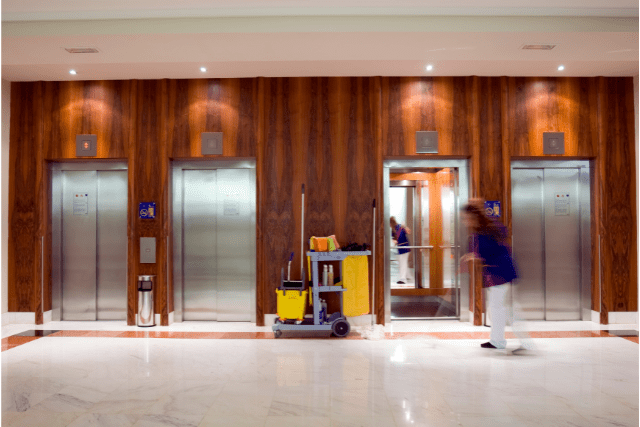
- Stairwells and elevators: Railings, controls, doors
- Workspaces and offices: Desks, phones, equipment, chairs
- Breakrooms and kitchens: Appliances, sinks, countertops
- Conference and common rooms: Tables, AV equipment, chairs
- Outdoor/high-traffic walkways: Removal of debris, seasonal maintenance
See more detailed breakdowns at Common things businesses forget to clean.
4. High-Touch Surfaces: Identifying and Managing Germ Hotspots
Touchpoints such as elevator buttons, door handles, light switches, shared electronics, and bathroom fixtures constitute the major risk zones for cross-contamination. Prioritize:
- Frequent disinfectant wipe-downs (EPA-approved products)
- Use of color-coded microfiber cloths to prevent transfer between areas
- Staff or service training on correct dwell times for disinfectants
Learn more about avoiding cross-contamination in your cleaning program.
5. Comparing Professional-Grade vs. In-House Cleaning Results
Many property managers debate between in-house janitorial staff and professional cleaning contractors. Consider the following factors:
| In-House Janitorial | Professional Cleaning Service |
|---|---|
| Employee oversight | Trained, vetted staff |
| Limited equipment/supplies | Commercial-grade tools/chemicals |
| Basic, routine tasks covered | Specialized cleaning (floors, furniture, post-construction) |
| Possible knowledge gaps | Ongoing training on industry standards |
| May lack liability coverage | Insured & compliant with safety regs |
- For guidance, see what professional cleaning services cover.
6. Core Supplies and Products for Safe Building Cleaning
- Hospital-grade disinfectants for high-risk zones
- Eco-conscious general cleaners for surfaces
- Non-slip floor products (especially for tile/linoleum)
- HEPA-filter vacuums for improved air quality
- Disposable gloves, masks, and PPE for staff or cleaning crews
Reference regulatory standards from ASHRAE’s cleaning guidelines for HVAC, ventilation, and building systems.
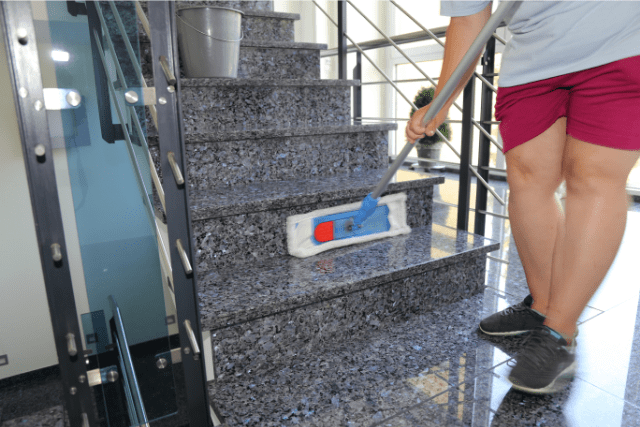
7. Mastering Floor Care: Carpets, Hard Floors, and More
Each flooring type demands distinct cleaning approaches:
- Carpet: Regular vacuuming with HEPA units, spot cleaning immediate spills, and annual deep extraction cleaning
- Tile/Stone: Sweeping, use of pH-neutral cleaners, periodic machine scrubbing
- Wood/Laminate: Damp-mopping with wood-safe products, avoiding excessive moisture
Improper cleaning shortens floor lifespan and causes safety hazards. Explore tips in How to clean high-traffic floors.
8. HVAC, Air Quality, and Cleaning Impact
Maintenance goes beyond what’s visible; indoor air quality shapes occupant health. Key strategies include:
- Regular changeout of HVAC filters
- Vacuum vents and air returns
- Wipe/disinfect returns and supply registers
Review industry learning modules on cleaning and infection control for up-to-date best practices.
9. Disinfection Protocols and Dwell Times
Disinfectants require a specific “dwell time” on surfaces to be effective. Always:
- Follow manufacturer labels on all chemicals for time and dilution
- Never spray and immediately wipe on high-risk areas (allow proper contact)
- Document protocols for compliance
This is especially important during outbreaks (seasonal flu, COVID-19) or in higher-risk buildings.
10. Safety Standards and Staff Training in Building Cleaning
Proper training ensures safety for building occupants and cleaning teams:
- Staff should use PPE, follow formulated safety procedures, and get vaccinated as required for specialized facilities
- All cleaning storage areas must be well-ventilated, labeled, and secure
- Implement clear procedures for sharps or biohazardous waste if relevant
Review important aspects of a commercial cleaning service for more on provider requirements.
11. Tailoring Maintenance for Specialized Buildings
Managing Cleaning in Educational, Healthcare, and Retail Sites
- Educational: Prioritize restroom and cafeteria sanitation, high-traffic corridors, and staff lounges; use low-VOC products for sensitive populations
- Healthcare (medical, dental): Adhere to enhanced infection control, including terminal cleaning, color-coded protocols, and isolation rooms as needed
- Retail: Detail store entrances, fitting rooms, POS equipment, and displays; focus on visible cleanliness for customer confidence
Discuss unique facility needs with your cleaning provider to customize approaches and explore specialized cleaning solutions).
12. Seasonality and Its Effects on Building Cleaning Needs
- Winter: Focus on entry mats, salt/debris removal, indoor air management for closed windows
- Spring: Deep-clean carpets and windows, remove road grime and allergy triggers
- Summer: Monitor for mold/mildew in humid spaces, increase dusting frequency
- Fall: Leaf and debris removal from walkways, prepare for increased foot traffic
Find guidance for cold months in Carpet cleaning tips for winter.
13. Inspection, Supervision, and Tracking Building Cleanliness
Best-in-class service includes rigorous supervision and documentation:
- Inspection checklists and sign-off logs for each shift or service
- Use of digital apps for schedule tracking, reporting, and issue resolution
- Solicit occupant feedback regularly to adjust cleaning priorities
Partnering with providers like Quick Cleaning ensures transparent communication and service adaptability.
14. Green Cleaning and Sustainability in Building Maintenance
Eco-friendly cleaning is increasingly important for employee health and facility image:
- Choose non-toxic, biodegradable products
- HEPA filtration on vacuums
- Minimize single-use plastics and opt for concentrated cleaning solutions
Discover more ways to be a green company with conscious cleaning.
15. How to Choose the Right Commercial Cleaning Partner
- Review credentials, insurance, and local references
- Ensure alignment with your building’s unique needs and schedule flexibility
- Ask about quality assurance programs, staff training, and cleaning technology
For further details on evaluating services, see things to look out for in a commercial cleaning service.
Frequently Asked Questions: Commercial Cleaning for Building Maintenance
- What are the most important daily cleaning tasks for commercial buildings?
- Disinfecting high-touch surfaces, restocking restrooms, taking out trash, and mopping entry floors are critical for health and safety.
- How can I ensure my building’s cleaning program meets industry standards?
- Use checklists based on authoritative guidance, verify product labels, and check your provider’s compliance with standards like those from ASHRAE.
- How often should carpets and floors be deep-cleaned?
- Deep cleaning frequency varies by building type and traffic, but generally carpets should be extracted 1–2 times per year, and hard floors thoroughly scrubbed quarterly.
- What is the difference between cleaning and disinfecting in building care?
- Cleaning removes dirt and debris; disinfecting kills germs. Both are required for complete building hygiene.
- How do I reduce cross-contamination risks in my facility?
- Use color-coded tools, train staff in infection control, and audit cleaning processes regularly.
- Why might I choose a professional cleaning service over in-house staff?
- Professional services bring specialized equipment, ongoing training, insurance coverage, and efficiency for complex or high-traffic buildings.
- What questions should I ask when hiring a cleaning provider?
- Inquire about staff training, background checks, products used, scheduling flexibility, and reporting systems.
- How do weather and seasonality affect cleaning needs in Chicago?
- Seasonal factors like snow, salt, humidity, and pollen require tailored approaches to keep entrances safe and indoor air quality high.
- What is included in a comprehensive service agreement for building cleaning?
- Clear scope of work, frequency, inspection protocols, emergency response, and transparent communication are essential components.
- Where can I find detailed protocols for specialized facility cleaning?
- Consult industry resources such as the ASHRAE standards and seek advice from experienced cleaning providers.
Take the Next Step: Keeping Your Building Clean and Healthy
Maintaining your building isn’t just about appearances—effective cleaning supports health, comfort, and property longevity. By following these proven commercial cleaning tips for building maintenance, you protect everyone who enters and create a positive, productive environment. Consider speaking to an experienced provider, or review your current cleaning plan to identify improvements for the season ahead.
About Quick Cleaning
Quick Cleaning is Chicago’s trusted partner for residential and commercial cleaning, supporting households, offices, and specialty facilities with tailored maintenance solutions. Our experienced team uses professional-grade equipment and products to deliver recurring, deep, move out, office, and facility cleaning for spaces of every size. We’re dedicated to transparent communication, clear pricing, and long-term relationships throughout Chicago, Illinois, and nearby areas. Let Quick Cleaning help your property remain clean, safe, and welcoming—every day of the year.
cleaning services chicago il, Commercial Cleaning near me, Chicago Commercial Cleaning, commercial cleaning contractors in the city of Rogers Park, commercial cleaning companies in Glenview, commercial cleaning contractors in the city of Elgin, commercial cleaning company Gold Coast, commercial cleaning services in West Dundee, commercial cleaning Glen Ellyn, commercial cleaning companies in Monee IL