Expert Strategies for Cleaning High Traffic Floors: Comprehensive Guide
Maintaining spotless high traffic floors is one of the biggest challenges for anyone responsible for homes, offices, or specialty facilities. Daily footfall, stains, and wear accelerate deterioration if not managed with professional insight. In this exclusive guide on how to clean high traffic floors, you’ll discover actionable checklists, expert tips, and the key differences between home and commercial cleaning standards. Whether you manage a busy office in Chicago or want to keep your home pristine, this resource promises practical answers for real-world conditions.
Understanding High Traffic Floors: What Makes Them Unique?
- Definition: High traffic floors see frequent use each day—think lobbies, hallways, kitchens, offices, and main rooms at home.
- Top surfaces: Tile, vinyl, hardwood, laminate, carpet tiles, and commercial-grade stone are common in busy areas.
- Key challenges: They’re prone to dirt build-up, stains, scratches, and rapid deterioration without routine care.
- Environments: Offices, gyms, apartment buildings, Airbnb spaces, and retail premises all face these issues.
Assessing Floor Types and Their Cleaning Needs
- Hardwood: Needs daily dusting and periodic deep cleans, plus protection from moisture and grit.
- Tile & Stone: Grout lines trap dirt; regular scrubbing and sealing extends lifespan.
- Carpet Tiles: Require vacuuming, spot treatment, and scheduled shampooing or extraction.
- Vinyl & Laminate: Durable but sensitive to abrasion; need damp mopping and gentle cleaners.
- Commercial Epoxy: Easy to sanitize but may need mechanical scrubbing for deep grime.
Common Issues in High Traffic Floor Maintenance
- Embedded dirt and debris that damages surfaces
- Frequent spills leading to staining or sticky buildup
- Scuffs, scratches, and dull finishes from shoes or equipment
- Visible wear paths in walkways or entry points
- Sanitation risks in kitchens, bathrooms, and public areas
Essential Tools and Supplies for Professional Results
- Cleaning agents: pH-neutral detergents, specialized floor cleaners, spot removers
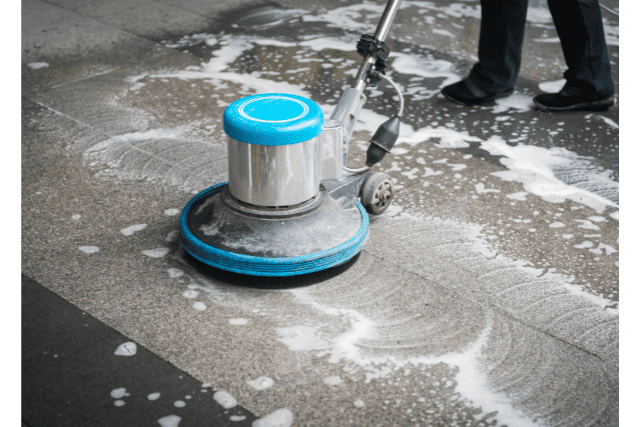
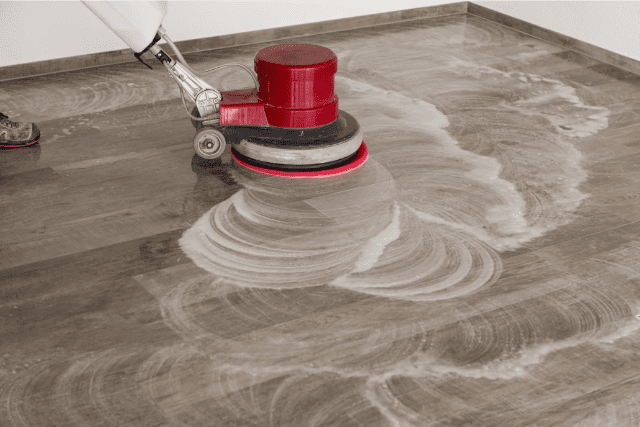
- Equipment: Microfiber mops, auto-scrubbers, vacuums with HEPA filtration, soft pads or brushes
- Safety gear: Gloves, wet floor signs, non-slip shoes
- Extras: Grout brushes, floor finish/protectants, disposable wipes for high-touch areas
Step-by-Step Cleaning Framework for High Traffic Floors
- Initial sweep: Remove loose debris with a dry mop or vacuum.
- Targeted spot treatment: Address stains or sticky spots before broader cleaning.
- Damp mop/wipe: Use the right cleaning solution for the surface type and follow a two-bucket method to prevent cross-contamination.
- Edge focus: Don’t neglect baseboards and corners where dust collects.
- Dry thoroughly: Prevent slips and water damage—especially important for hardwood and laminate.
- Inspect and repeat: High traffic zones may need a second pass depending on soil levels.
Daily vs. Deep Cleaning: Frequency Guide and Decision Table
Understanding when to perform surface-level cleaning versus full deep cleans is critical for long-term maintenance. See the table below for recommended frequency by environment and surface:
| Environment | Floor Type | Daily Tasks | Deep Clean (Frequency) |
|---|---|---|---|
| Office Lobby | Tile | Sweep, damp mop | Monthly |
| Gym | Rubber mat | Vacuum, sanitize | Weekly |
| Apartment Hallway | Carpet tile | Vacuum | Quarterly |
| Restaurant Kitchen | Vinyl | Mop, degrease | Bi-weekly |
| Residential Entryway | Hardwood | Sweep, spot clean | Seasonally |
Preventing Wear: The Role of Entry Mats and Proactive Measures
- Install quality entry mats to capture grit before it spreads inside.
- Educate staff or family on shoe protocols—encourage indoor-only footwear if possible.
- Use chair protectors and felt pads for furniture in busy rooms.
- Schedule routine inspections to spot early signs of damage or dirt accumulation.
High Touch Areas: Cleaning Protocols for Health and Safety
Areas that experience frequent contact—such as doorways, elevators, breakrooms, or bathrooms—require intensified cleaning and disinfection to reduce microbial risks. Protocols should align with guidance from health and infection prevention organizations.
- Increase cleaning frequency during outbreaks, flu season, or heavy occupancy periods.
- Disinfect as well as clean: Soap removes surface dirt; EPA-registered products tackle pathogens.
- Document cleaning schedules for accountability, especially in commercial settings.
Choosing Cleaning Products: Efficacy, Safety, and Surface Compatibility
- Always match the product to your floor’s material—harsh chemicals can strip finishes or harm grout and wood.
- Look for certifications from reputable organizations (e.g., Green Seal, EPA Safer Choice) when sustainability or health is a concern.
- Check dilution instructions and use pH-neutral solutions for frequent cleaning.
- For healthcare or food environments, consult resources like the AORN guidelines for validated protocols.
Professional vs. DIY: When High Traffic Floors Need Expert Care
- Large areas or persistent stains often require commercial-grade equipment and trained professionals for best results.
- Deep cleaning (extraction, scrubbing, floor finishing, or waxing) is best performed periodically by specialists.
- Homes with allergies, pets, small children, or unique flooring materials may also benefit from scheduled expert attention.
- Organizations often benefit from regular contracts to maintain appearance, safety, and compliance—commercial cleaning improves investment value and workplace satisfaction.
Special Scenarios: Cleaning Protocols for Unique Commercial Spaces
- Healthcare: Follow enhanced disinfection protocols and track cleaning logs—see AORN’s industry standards.
- Retail & Restaurants: Tackle food spills, sticky debris, and visible footpaths promptly to maintain brand reputation—restaurant cleaning professionals have specific protocols.
- Gyms and Schools: Use anti-microbial treatments and schedule routine deep cleans to prevent odor and infection.
- Move-outs & Rentals: Detailed cleaning between tenants is essential—see guidance for move-out cleaning experts.
Comparing Checklists: Residential vs. Commercial High Traffic Areas
- Residential checklist:
- Daily sweeping or vacuuming
- Spot cleaning spills immediately
- Weekly mopping of main walkways
- Monthly attention to entry mats and baseboards
- Seasonal deep clean (professionally if needed)
- Commercial checklist:
- Multiple daily sweeps/vacuums during high usage
- Disinfection of high-touch zones at least twice daily
- Machine scrubbing in lobbies and corridors as scheduled
- Routine safety checks for slips, tripping hazards, and finish wear
- Documented cleaning routines for compliance and auditing
Maintaining Floor Hygiene and Minimizing Cross-Contamination Risks
- Use color-coded tools (e.g., mops, buckets), as recommended by facility hygiene experts like APIC, to separate restroom and kitchen cleaning.
- Always launder microfiber pads and mop heads after use in high risk areas.
- Change cleaning water frequently and adopt a two-bucket system.
Safety Considerations: Preventing Slips, Falls, and Other Hazards
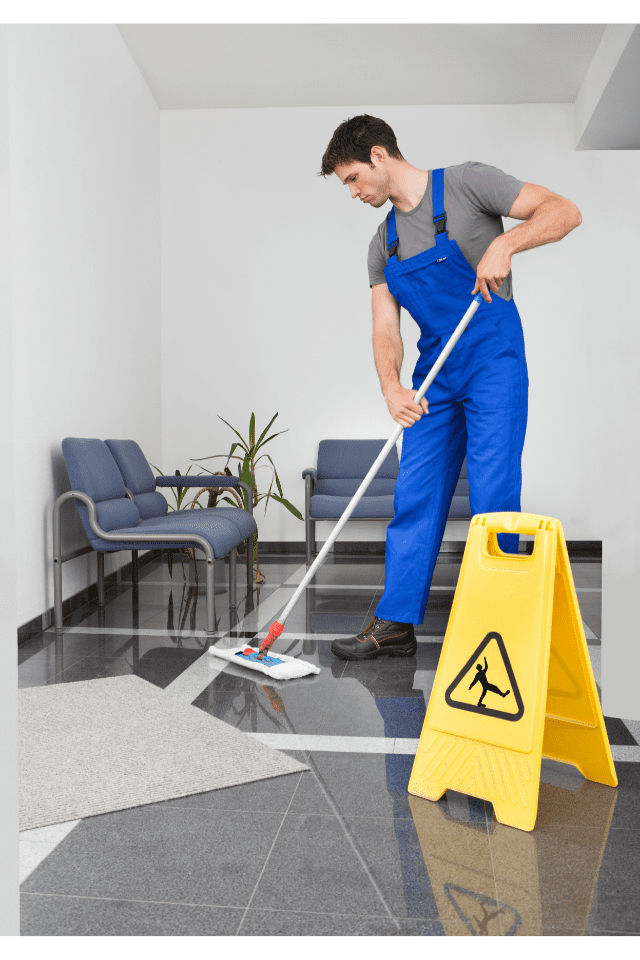
- Display wet floor signs during cleaning or if floors remain damp.
- Choose non-slip coatings for commercial and retail spaces.
- Repair damaged tiles or boards promptly to avoid accidents.
- Match floor type to foot traffic and use patterns—see additional tips from our safety hazards explainer.
Evaluating Cleaning Outcomes: When Are High Traffic Floors ‘Truly Clean’?
- Visual inspection is only the start—consider odor, feel underfoot, and absence of sticky residues.
- For commercial settings, use ATP meters or surface swab tests as recommended by hygiene authorities.
- Monitor high-traffic wear zones; adjust routines if dullness or persistent grime returns quickly.
- Ask for detailed completion reports after professional cleanings to ensure all standards are met.
How to Choose a Cleaning Company for High Traffic Floor Challenges
- Check for experience with your facility type—high rise, office, retail, or special venues.
- Ask about staff training, background checks, and adherence to local health standards.
- Look for transparent pricing and clear service scopes (see what’s included in professional cleaning).
- Request checklists and cleaning logs for accountability and peace of mind.
Summary: Key Takeaways for High Traffic Floor Care
- Consistent daily cleaning, periodic deep cleans, and protective measures are vital.
- Adapt your approach based on floor type, space usage, and health requirements.
- Professional help is a smart investment for complex surfaces, health-critical settings, or heavy footfall.
- Keep walkways safe and inviting as a core part of property value and occupant satisfaction.
Frequently Asked Questions About Cleaning High Traffic Floors
- What is considered a ‘high traffic’ floor?
- Any floor exposed to frequent, daily footfall—main entrances, hallways, lobbies, or commercial spaces with ongoing occupancy.
- How often should high traffic floors be deep cleaned?
- This varies by environment: usually monthly for commercial entries, seasonally for homes, and more frequently for health or food service facilities.
- What products are safe for all high traffic floor types?
- Always use solutions formulated for your specific surface. When in doubt, choose pH-neutral cleaners and consult manufacturer instructions.
- Are steam mops effective on high traffic floors?
- Steam can be effective for tile and sealed floors but may damage wood, laminate, and some adhesives. Check surface compatibility first.
- How can you reduce cross-contamination during cleaning?
- Use color-coded equipment, change mop water frequently, and keep restroom and kitchen cleaning supplies separate.
- What’s the best way to remove stubborn stains?
- Spot treat with recommended stain removers promptly. For persistent marks, professional equipment or extraction may be necessary.
- Do area rugs protect high traffic flooring?
- Entryway mats and runners reduce wear and trap dirt, extending floor life and simplifying maintenance.
- Can professional cleaning improve indoor air quality?
- Yes—vacuuming with HEPA filters and wet extraction removes particulates and allergens, especially on carpets and soft surfaces.
- Should I schedule recurring cleaning or just as-needed service?
- For consistent results and appearance, a recurring contract is best—especially in offices, retail, or high-turnover properties.
- What should I look for in a cleaning checklist?
- Ensure it covers daily and deep tasks, edge work, spot treatment, disinfection, and special protocols for your floor type.
About Quick Cleaning
Quick Cleaning delivers detail-oriented, professional cleaning for residential and commercial spaces throughout Chicago, Illinois and nearby communities. Our expert teams specialize in recurring house cleaning, deep cleans, move-out services, office upkeep, and facility care—always following standardized checklists for consistent, safe, and thorough results. We focus on transparent communication, flexible scheduling, proper product usage, and long-term client relationships. Ready for a spotless, welcoming home or workplace? Quick Cleaning helps keep your floors—and every room—at their best.
High traffic floors, best cleaning services chicago, Chicago Commercial Cleaning, commercial cleaning contractors, commercial cleaning services in Palos Hills, commercial cleaning companies in Skokie, commercial cleaning services in River Grove IL, commercial cleaning contractors in the city of Gold Coast, commercial cleaning contractors in the city of Burbank, commercial cleaning company Western Springs IL