How A Dirty Floor Becomes a Hidden Safety Hazard: The Complete Guide
It’s easy to overlook what’s underfoot, but dirty floors are more than just an eyesore—they can quickly escalate into serious safety hazards in both homes and workplaces. In this comprehensive guide, you’ll learn exactly how a dirty floor can become a safety hazard, what to look for, risks you might not expect, and the best actions to maintain safe, healthy spaces. Whether you’re a homeowner, property manager, or business owner in Chicago, this guide empowers you with expert insight, prevention frameworks, and practical next steps. Brought to you by Quick Cleaning, specialists in floor care and safety.
1. The Science Behind Floor-Related Hazards
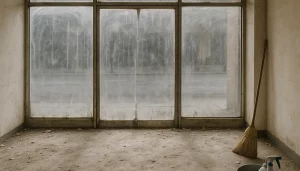
Grime, dust, mold, microbes, and spills often collect in layers on floors. Over time, these substances combine to create a slick, sticky, or uneven surface that increases the likelihood of slips, trips, and falls. Moisture, organic residue, and everyday foot traffic make floors a breeding ground for bacteria and allergens.
- Microbial growth: Unclean floors quickly harbor bacteria, viruses, and fungi.
- Accumulated debris: Grit and dirt can wear away floor finishes and create uneven walking surfaces.
- Airborne contamination: Dust and chemicals from floors can circulate and impact indoor air quality.
Research compiled by ASHRAE confirms that floor contaminants contribute to unhealthy building environments.
2. Common Types of Safety Hazards Caused by Dirty Floors
2.1 Slips and Falls
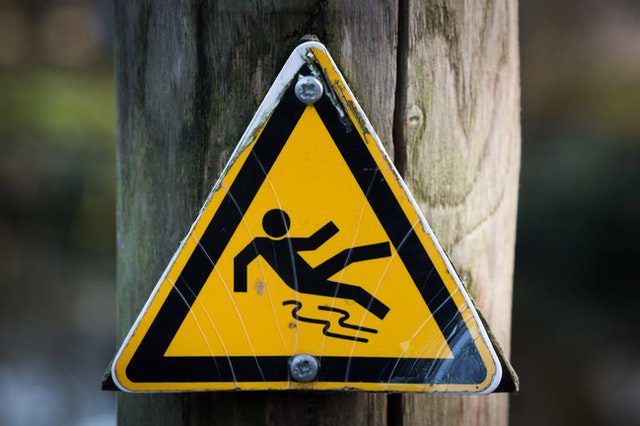
- Liquid spills or moisture left unmopped increase slip risk—especially on tile, laminate, or polished stone.
- Greasy buildup in kitchens or commercial spaces is hazardous for staff and visitors alike.
2.2 Tripping Hazards
- Debris, litter, and loose mats accumulate and become unnoticed trip hazards.
- Crumbled dirt or hardened residues alter the floor’s surface, catching toes or shoes.
2.3 Biohazard and Allergen Exposure
- Mold and dust can trigger asthma or allergic reactions, particularly in high-traffic homes and offices.
- Bacteria may linger on inadequately sanitized floors, spreading illness in medical facilities or daycare centers.
2.4 Damage to Floor Materials and Their Safety Role
- Dirt and grit act as abrasives, wearing down traction finishes, reducing slip-resistance.
- Soiled grout or carpet fibers retain contaminants longer.
3. Who Is Most at Risk? Identifying Vulnerable Groups
Not all occupants are equally exposed to floor-related risks. Vulnerable populations include:
- Older adults: Greater risk of potentially serious falls due to balance or mobility issues.
- Children: Likelier to crawl or play close to ground level, increasing exposure to microbes or allergens.
- Workers in high-foot-traffic businesses, like retail and restaurants.
- Medical facility staff and patients, due to increased infection control needs.
4. Real-World Incidents: Learning from Common Scenarios
Understanding specific examples puts the risks into perspective:
- Office Hallways: Coffee drips on a tile hall lead to a slip injury, missed by basic sweeping.
- Restaurants: Floor grease builds despite daily mopping, causing a staff member’s fall.
- Residential Areas: Pet dander and dust trigger allergic reactions for guests and tenants.
- Healthcare Clinics: Insufficient disinfection allows transmission of germs via shoe soles.
For more details on overlooked cleaning priorities, see common things businesses forget to clean.
5. How Dirty Floors Affect Health Beyond Physical Injury
5.1 Indoor Air Quality Deterioration
When floor dust and microbes are disturbed by movement, they become airborne, affecting respiratory health. According to ASHRAE guidelines, regular floor care is a critical part of overall air quality management.
5.2 Emotional and Cognitive Impact
Visible grime or stains foster a perception of neglect, which influences employee morale and client impressions. In shared living spaces, this can negatively impact well-being and stress levels.
6. Comparison Table: Dirty Floors vs. Professionally Cleaned Floors
| Aspect | Dirty Floor | Professionally Cleaned Floor |
|---|---|---|
| Slip/Trip Risk | High | Low |
| Microbial Load | Significant | Controlled |
| Longevity | Accelerates wear | Surface preserved |
| Air Quality | Contaminated | Improved |
| Impression Left | Negative | Clean & Professional |
7. The Importance of Scheduled Floor Maintenance
7.1 Frequency Matters
The optimal cleaning schedule depends on foot traffic, floor type, and use case. As a rule:
- High-traffic public areas—daily maintenance
- Offices—at least weekly deep cleaning
- Homes—regular vacuuming, mopping 1–2x per week
7.2 What About Special Facilities?
Facilities like gyms, medical offices, and restaurants require enhanced protocols. Read our guide on cross-contamination prevention.
8. Professional vs. DIY Cleaning: How Methods Affect Safety
- DIY Cleaning: Easy for routine maintenance, but often misses hidden dirt buildup and failed disinfection.
- Professional Cleaning: Uses industry-grade products, trained staff, and checklists for consistent, thorough care—including hard-to-reach or high-touch areas.
Quick Cleaning’s teams apply methods that address the unique safety risks of each type of floor, from hardwood to vinyl and tile. For an in-depth comparison of services, see our guide to commercial cleaning services.
9. Visual Signs That Your Floor Is Becoming Unsafe
- Persistent stickiness or odor after cleaning attempts
- Cloudy, dull, or discolored patches (often where microbes linger)
- Visible residue, litter, or hardened material along baseboards and corners
- Warped, raised, or cracked tiles or boards
10. Step-by-Step: Reactive Measures If a Floor Becomes a Hazard
- Mark off the area to prevent traffic and increase awareness.
- Identify and remove the immediate cause (spill, debris, etc.).
- Clean the surface thoroughly using appropriate disinfectant and technique for the floor type.
- Check for lasting damage; if unsure, consult a professional cleaning company.
- Restore anti-slip treatments as needed and confirm the floor is safe before reopening.
11. The Professional Cleaning Approach: Standards That Protect
11.1 Checklist for Safer Floor Cleaning
- Assess traffic patterns to target high-risk zones.
- Use surface-appropriate detergents that don’t damage underlying materials.
- Allow proper dwell time for disinfectants.
- Prioritize high-touch areas and entryways for aggressive cleaning.
- Schedule recurring maintenance rather than reactive spot cleaning.
11.2 Tools and Techniques Matter
- Microfiber mops for dust and bacteria capture
- HEPA-filter vacuums to limit air contamination
- Color-coded tools to prevent cross-contamination
- Industry-best chemical mixing and labeling
Read more on industry innovations in cleaning and facility safety.
12. Decision Framework: Selecting a Cleaning Provider Who Prioritizes Floor Safety
- Verify credentials: insured, trained, background-checked teams.
- Ask for a customized floor safety checklist as part of the service proposal.
- Request a demonstration of products and equipment—are they safe and effective for your surfaces?
- Check provider’s communication process: Can you report hazards or request urgent cleaning?
- Review case studies or testimonials from similar businesses or living situations.
For key evaluation criteria, see what to look out for in a cleaning service.
13. Maintenance Checklist: How to Prevent Dirty Floors from Becoming Hazards
- Post clear signage for spills or cleaning in progress.
- Keep entryways and high-traffic corridors swept and mopped at least daily.
- Use walk-off mats to reduce dirt and moisture tracked indoors.
- Set a maintenance calendar—especially for commercial or multi-unit properties.
- Record incidents or near-misses to continuously improve practices.
- Partner with professional cleaners for deep cleaning on a recurring basis.
14. Specialized Flooring Materials: Risks and Cleaning Considerations
14.1 Hardwood and Laminate
- Sensitive to moisture—standing liquids cause warping and slippage.
- Residual dust dulls finish and creates uneven, slick zones.
14.2 Tile and Stone
- Grout collects microbes and stains if not routinely scrubbed.
- Polished stone becomes slippery with even minimal residue.
14.3 Commercial Carpets
- Trap allergens and moisture; improper cleaning increases microbial growth.
For detailed cleaning plans, explore frequency guidance for carpet cleaning.
15. Creating a Culture of Safety: Communication and Training
- Train staff or household members on immediate spill response and routine inspection.
- Display checklist procedures in visible areas (breakrooms, cleaning closets, building lobbies).
- Encourage reporting of hazards without fear of repercussion.
- Integrate cleaning/safety reminders into daily operations.
Frequently Asked Questions: Dirty Floors and Safety Hazards
How quickly can a dirty floor become a safety hazard?
Depending on the materials and foot traffic, hazards can develop in a matter of hours or days, especially in high-use areas or after a spill.
What are the earliest visual indicators that a floor may be unsafe?
Sticky, shiny, or discolored surfaces; litter or debris buildup; and dulling from accumulated dust often indicate increased slip or trip risk.
What types of cleaning products are safest for different flooring materials?
Choose pH-neutral cleaners for hardwood, specialized disinfectants for medical environments, and non-residue formulas for tile and stone. Always follow manufacturer guidance.
How often should floors in commercial spaces be professionally cleaned?
Daily for busy public areas, at least weekly for offices and moderate foot-traffic businesses. Recurring professional assessments prevent long-term risks.
Can poor air quality be traced back to dirty floors?
Absolutely. Dust, allergens, and chemicals on floors can recirculate into the air and impact occupants’ health, especially if not removed properly. See ASHRAE’s guidelines for more.
Should I choose a cleaning company just based on cost?
No. Prioritize safety protocols, cleaning expertise, communication, and quality guarantees to ensure your floors are safe beyond surface appearance. See what to look for in a commercial cleaning provider for detail.
Are DIY cleaning methods ever sufficient for hazard prevention?
They work for basic upkeep, but professionals are best for thorough removal of deep dirt, biofilm, or risks hidden from plain sight.
What should I do in case of a spill or contaminant?
Block off the area, remove the hazard, clean with suitable disinfectant, then monitor closely. For repeated or complex incidents, call a professional cleaner.
How can I educate staff or tenants about floor safety?
Implement signage, regular briefings, and simple response plans tailored to common risks within your property or workplace.
Summary and Next Steps
Dirty floors are a leading yet often underestimated cause of both physical injuries and health concerns in Chicago homes and businesses. Proactive, scheduled cleaning—especially when performed by trained professionals—cuts down risks, preserves flooring materials, and creates a healthier environment for everyone. Stay vigilant for early warning signs, stick to a proven checklist, and don’t hesitate to consult experts for challenging or high-traffic areas.
For comprehensive or specialized cleaning, request a deep cleaning consultation or learn about office cleaning solutions. Protect your space, your people, and your peace of mind.
About Quick Cleaning
Quick Cleaning is a leading residential and commercial cleaning company serving Chicago, Illinois, and surrounding areas. Our trained teams deliver recurring house cleaning, deep cleaning, move-out cleaning, office cleaning, and special facility services. We emphasize consistent, checklist-driven procedures, flexible scheduling, and the use of professional-grade products for optimum safety and hygiene. Quick Cleaning is committed to transparent communication, top-tier quality standards, and long-term client trust so you can keep your home or business safe from the hidden hazards of dirty floors.

occupational safety, cleaning services in chicago illinois, Commercial Cleaning Chicago, commercial cleaning service, commercial cleaning contractors in the city of Harvey, commercial cleaning contractors in the city of Wheeling, commercial cleaning Bolingbrook IL, Elmhurst commercial cleaning companies, commercial cleaning services in Westmont IL, commercial cleaning companies in Crystal Lake IL