Mastering Cleaning For Healthy & Safe Office Buildings: Your Complete Guide
Effective cleaning for healthy & safe office buildings is no longer a luxury—it’s a necessity in today’s working environments. Whether you’re a facility manager, property owner, or business leader, understanding what truly makes an office building clean and safe can transform how you protect employees, visitors, and your business itself. In this guide, you’ll learn the modern standards, hygiene protocols, risk considerations, and practical steps behind top-tier professional cleaning. From decision frameworks and essential checklists to scientific hygiene principles, discover how to ensure lasting health and safety at your Chicago workplace.
The Foundations of Healthy Office Building Cleaning
Modern office environments demand more than just surface tidiness. Cleaning for healthy & safe office buildings must prioritize:
- Hygiene over mere aesthetics: Focusing on pathogen control, not just visible dirt.
- Prevention of illness spread: Addressing bacteria, viruses, and allergens at their source.
- Environmental safety: Protecting air quality and reducing toxic residues.
Key goals are to minimize workplace absenteeism, meet public health guidelines, and create a reassuring environment. CDC guidelines emphasize the importance of consistent protocols and targeted disinfection in shared spaces.
Understanding Risk Factors in Office Building Cleaning
- High-touch surfaces: Door handles, elevator buttons, shared electronics.
- Shared amenities: Kitchens, bathrooms, and breakrooms.
- HVAC and airflow systems: Mold and dust buildup can harm indoor air quality.
- Occupant density: More people means more potential contamination.
- Carpeted vs. hard floors: Carpet harbors more dust mites and allergens.
Chicago Workplace Considerations
- Challenging winter conditions bring in salt, wet debris, and require focused entryway cleaning.
- High building turnover: Frequent move-ins/outs increase germ load.
Core Components: Office Cleaning for Health & Safety
- Touch-point disinfection: Door handles, light switches, elevator panels.
- Restroom sanitation: High-frequency, specialized product use.
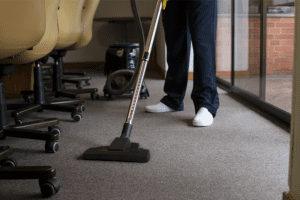
- Floor care: Wet mopping, HEPA vacuuming, and periodic deep cleaning.
- Waste disposal: Use of lined bins emptied routinely to avoid accumulation.
- Air quality support: Cleaning vents and replacing filters on schedule.
Product Standards
Professional teams like Quick Cleaning use EPA-registered disinfectants, microfiber cloths (to avoid cross-contamination), and surface-specific cleaners to safeguard health without damaging property.
Comparing Professional Cleaning Models for Offices
Not all cleaning regimens fit all buildings. Here’s a structured comparison of common models:
| Model | Best For | Typical Frequency | Key Benefits |
|---|---|---|---|
| Recurring Cleaning | Busy offices aiming for ongoing wellness | 2–5x/week | Prevents buildup, reduces disease spread |
| Deep Cleaning | Seasonal/special events or after illness outbreaks | Quarterly–annually | Reaches hidden grime, boosts air quality |
| Move-Out Cleaning | Tenant transitions, property turnovers | Per move/change | Ready for next occupant, removes legacy germs |
| Special Facility Cleaning | Medical, dental, fitness, or childcare sites | Custom (daily–weekly) | Tailored protocols for sensitive environments |
Essential Cleaning Checklist for Office Building Health & Safety
- High-touch surfaces: sanitized daily
- Restroom fixtures and dispensers: disinfected at every service
- Kitchenettes: counters, sinks, appliances wiped and sanitized
- Conference rooms: tables, chairs, AV remotes disinfected
- Floors: vacuumed and/or mopped with appropriate cleaners
- Trash removal: all bins emptied and liners replaced
- Air vents and filters: cleaned and replaced as needed
- Elevators and lobbies: doors, railings, and call buttons disinfected
Download or create a tailored checklist for your office’s square footage and usage patterns.
The Science of Environmental Hygiene in Office Spaces
Scientific guidelines drive today’s safe cleaning standards. OSHA regulations dictate required protective equipment when handling chemicals or biohazards. The best providers train staff on both visible and invisible pathogens, ensuring no area is overlooked.
Key Protocols
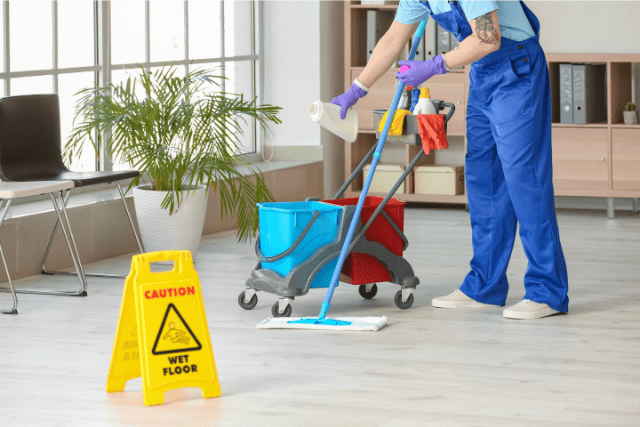
- Color-coded cloths and mops reduce cross-contamination.
- Proper chemical dilution for surface-effectiveness.
- Timed dwell periods for disinfectants to kill germs.
- Documentation of routine and deep-cleaning tasks.
How Professional Cleaners Customize Office Protocols
- Assessment of unique building layouts or high-traffic zones
- Sensitive areas (executive suites, server rooms, wellness spaces) get special protocols
- Green-cleaning preferences accommodated (upon request)
- Emergency scheduling (spill response, post-illness clean)
Training Standards
Reliable teams like Quick Cleaning focus on well-trained staff with documented background checks and skills for safe handling of every environment—critical for offices with confidential or sensitive work spaces.
Workplace Communication: Supporting Clean, Safe Environments
- Signage in restrooms and kitchens encourages hand-washing and surface care.
- Reporting channels for maintenance or cleanliness issues.
- Clear scheduling so cleaning does not disrupt work.
Building a Clean Culture
- Staff reminders about desk tidiness and spill reporting.
- Shared responsibility for cleanliness (e.g., breakroom wipe-down schedules).
Evaluating Cleaning Effectiveness: Inspection and Metrics
- Visual inspections after each cleaning round.
- ATP testing or swabbing for bacterial/viral residues in critical areas.
- Employee and tenant feedback surveys.
- Reviewing absenteeism rates and allergy/illness reports for trends.
- Third-party audits every 6–12 months for comprehensive validation.
Choosing a Cleaning Provider for Maximum Office Well-Being
- Experience with similar buildings: Ask for references or case studies.
- Detailed scope of work: Request sample checklists and frequency outlines.
- Disinfection credentials: Are they trained in OSHA and CDC best practices?
- Transparent pricing: Are costs clear, and do they support budgeting for occasional extras?
- Insurance & safety: Confirm liability coverage for office assets and staff safety.
Warning Signs
- Lack of product detail or confusion about protocols
- Difficulty communicating or unclear reporting processes
- No adaptability to emergencies or after-hours requests
Frequency Guidance: Determining How Often to Clean for Health & Safety
- Daily: Restrooms, kitchens, high-touch points
- 2-3x/Week: Common areas, meeting rooms
- Weekly: Deep equipment cleaning, carpets (vacuum), window interiors
- Monthly/Quarterly: Deep sanitation, vents, and upholstery
Seasonal spikes in illness, local events, or increased building foot traffic (e.g., after holidays in Chicago) may require boosting frequency for best results.
Case Examples: Prioritizing Health in Diverse Office Settings
- Law Firm HQ: After a flu outbreak, switched to nightly disinfection, reducing absentee rates by 30%.
- Co-working Space: Introduced color-coded cleaning zones to prevent cross-contamination between tenants.
- Tech Office: Instituted quarterly deep cleans for open office plans, resulting in noticeable air quality improvement.
- Medical Suites: Partnered with providers using medical-grade disinfectants and enhanced PPE.
Key Decision Framework: Steps for Safe Office Building Cleaning Success
- Map building zones and note occupancy density.
- Catalog all high-touch and specialty areas.
- Develop a tiered cleaning schedule (by area and usage intensity).
- Select cleaning products approved for your materials and health needs.
- Choose a provider with proven protocols, transparent reporting, and flexible scheduling.
For special facility requirements, consider referencing focused services for Dental offices or Medical office cleaning.
Integrating Green Cleaning for Office Safety
- Select low-VOC and fragrance-free disinfectants to support indoor air quality.
- Use reusable microfiber tools for reduced waste.
- Institute recycling and safe chemical disposal protocols (verified by provider).
Benefits
- Healthier workspaces for allergy and asthma sufferers
- Reduced environmental footprint—a growing priority for Chicago businesses
Preventing the Most Overlooked Office Hazards
- Forgotten spots: under keyboards, window sills, chair arms
- Improper pantry or kitchen maintenance: old food, coffee machines
- Unmonitored water leaks or spills, leading to mold
- Neglected restroom touch points: faucet handles, stall locks
For more safety insights, see related resources on Overlooked places in your office and Common office cleaning mistakes.
Hygiene Innovations and Best Practices for Modern Offices
- No-touch dispensers and trash cans
- Electrostatic disinfection technology
- Air purification additions (HEPA, UV systems)
- QR-coded cleaning logs for digital accessibility and tracking
Staying Current
Partnering with providers that adapt to new cleaning innovations ensures up-to-date protocols and workplace reassurance.
Quick Reference Table: Office Cleaning Priorities by Area
| Area | Primary Risks | Top Cleaning Priority |
|---|---|---|
| Lobby/Entry | High traffic, germ transfer | Frequent surface wipe-down, floor mats |
| Desks/Workstations | Touch transmission | Disinfect electronics, clean under items |
| Kitchens/Breakrooms | Foodborne illness, shared appliances | Daily sanitizing and trash removal |
| Restrooms | Bacterial, viral contamination | Specialized products & high-frequency cleaning |
| Meeting Rooms | Varied users, AV equipment | Chair/table disinfection, remotes sanitized |
FAQs: Cleaning For Healthy & Safe Office Buildings
- What distinguishes “cleaning for health” vs. “regular office cleaning”?
- Cleaning for health focuses on eliminating pathogens and boosting well-being, beyond just making spaces look tidy. It involves targeted disinfection and adherence to scientific standards.
- How do professional cleaners handle confidential or sensitive office areas?
- They use trained staff with background checks, strict entry logs, and specialized non-intrusive cleaning methods.
- How often should office disinfection be scheduled?
- Daily touch-point disinfection is standard, with weekly or monthly deep cleans depending on occupancy and risk factors.
- What should an office cleaning contract include for health & safety?
- A comprehensive contract should outline checklist tasks, frequency, emergency procedures, types of products used, and documentation standards.
- Are green cleaning products as effective for disease control?
- Yes, many green disinfectants are EPA registered and effective against bacteria/viruses. Ensure your provider uses approved products suitable for your office.
- How do I know cleaning is effective?
- Request cleaning logs, periodic ATP swab test results, and encourage regular feedback from occupants.
- What’s the best way to involve staff in keeping offices safe?
- Promote hand washing, use signage, empower spill reporting, and encourage tidy workstations.
- What office zones need special attention beyond standard schedules?
- Restrooms, kitchens, conference rooms after meetings, elevators, and all entry points. High-traffic or shared-use zones require extra care.
- Are there guidelines for safe cleaning product storage?
- Yes. Follow OSHA and manufacturer instructions for secured, labeled storage and accessible PPE.
Summary & Next Steps for Healthier Office Buildings
Achieving healthy and safe office buildings requires more than surface-level cleaning. With a strategic, checklist-driven approach, tailored products, and professional expertise, your workspace can deliver on reassurance and performance. If your building needs recurring maintenance or deep treatment, consider exploring office cleaning service options or specialized solutions for commercial cleaning through established providers. Regular inspections and open workplace feedback are your keys to sustained results.
About Quick Cleaning
Quick Cleaning is Chicago’s trusted partner for residential and commercial cleaning. Our trained cleaning staff delivers consistent, high-quality results using professional products and detail-oriented checklists in homes, offices, and specialized facilities. We prioritize clear communication, flexible scheduling, and lasting relationships to make keeping your workspace healthy and safe easy. Quick Cleaning helps households and businesses in Chicago, Illinois and nearby areas keep their spaces clean and healthy. Our specialties include recurring house cleaning, deep cleaning, move out cleaning, office cleaning, and facility cleaning—all performed with attention to health, safety, and industry standards.
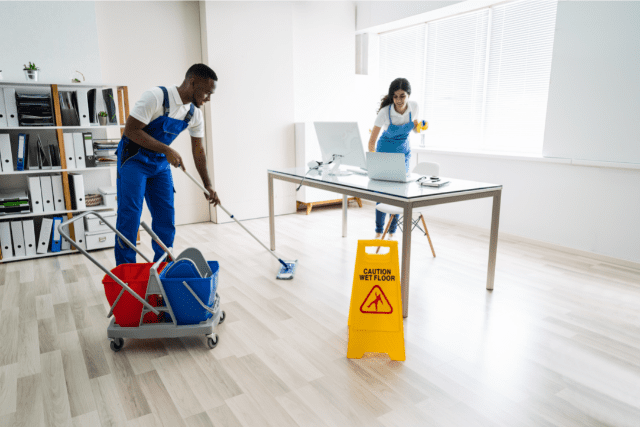

cleaning service chicago, Chicago Office Cleaning, Office Cleaning Chicago, office clean Crest Hill IL, office cleaning Cedar Lake, office cleaning Hyde Park, office clean Palatine, Harvey office clean service, office cleaning Bannockburn, Lockport office clean service