
4 Overlooked Places in Your Office: The Hidden Priorities for a Truly Clean Workspace
Even in tidy offices, some cleaning tasks fall through the cracks, posing silent risks to employee health and workplace image. This guide focuses on the 4 overlooked places in your office where germs, allergens, and dirt quietly accumulate. You’ll learn why these areas matter, expert-backed cleaning steps, and how professional routines provide results that go beyond standard upkeep. Whether you’re a business owner, property manager, or simply want a healthier workspace in Chicago, this comprehensive breakdown gives you the tools, checklists, and know-how to tackle these hidden hazards.
The Impact of Overlooked Office Areas on Health and Productivity
Ignoring certain office zones doesn’t just impact cleanliness—it affects staff health, first impressions, and building maintenance. Let’s examine why cleaning the 4 overlooked places in your office is not just about appearances:
- Health risks: High-touch but low-visibility spots foster bacteria, viruses, and allergens, leading to increased sick days and lower morale. CDC data confirms that unwashed surfaces are major germ transmission points.
- Productivity dips: Subtle irritants like dust and mold can hurt focus and trigger allergies, quietly reducing output.
- Reputation damage: Clients and visitors notice more than we think, particularly in shared or communal spaces.
Why These Four Spots Are So Frequently Overlooked
Office cleaning often follows visible dirt—desks, floors, wastebaskets. But these four spots are typically out of daily sight, partly due to:
- Furniture arrangements that block easy access.
- Lack of clear responsibility for communal equipment.
- Belief that some spaces are low-risk since they’re not visibly dirty.
- Time constraints in regular cleaning routines.
Next, let’s dive into exactly which four places most offices miss and why each matters.
The 4 Most Overlooked Places in Your Office—Detailed Breakdown
Our analysis—built from expert cleaning checklists and exposure studies—shows these areas demand special attention:
- Under and behind office equipment and electronics
- HVAC and air vent grilles
- Chair bases and wheels
- Shared kitchen appliances (like microwaves and coffee makers)
1. Under and Behind Office Equipment and Electronics
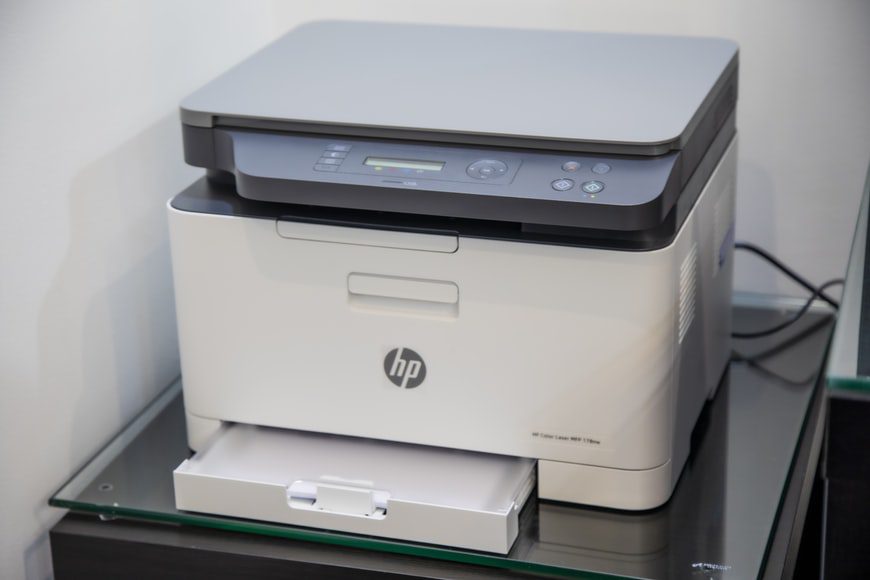
- Risks: Dust, crumbs, and cable tangles accumulate near printers, monitors, CPUs, and copying stations. These are attractive to pests and can overheat equipment.
- Expert tip: Move equipment carefully (unplug first), and use microfiber cloths for accessible areas, plus a vacuum with a nozzle for dust under stands.
- Professional edge: Cleaning teams follow detailed checklists and wear anti-static gloves, ensuring deep dust removal without damage.
2. HVAC and Air Vent Grilles
- Risks: Dirty vents redistribute dust, pollen, and even mold spores into work air, impacting allergies and breathing.
- Best practice: Grilles should be carefully unscrewed (if possible), then cleaned with a damp cloth and allowed to dry fully. Pay attention to both intake and outflow vents.
- Professional insight: Deep cleans address both vent covers and immediate duct entry points, which may require specialized vacuums.
3. Chair Bases and Wheels
- Risks: Rolling chairs pick up dirt, hair, and bacteria from the floor, spreading them around and causing build-up that affects rolling mechanisms.
- Cleaning approach: Turn chairs on their sides to access wheels. Use a brush or compressed air to loosen debris, then wipe with disinfectant.
- Added value: Routine chair base cleaning reduces allergens and prolongs equipment lifespan.
4. Shared Kitchen Appliances
- Risks: Coffee makers, microwaves, and refrigerators often accumulate spills, old food, mold, and bacteria—especially in hard-to-see corners or drip trays.
- Sanitation tips:
- Microwaves: Remove turntables and wash; wipe all surfaces with food-safe cleaner.
- Coffee makers: Run vinegar cycles, clean drip trays and buttons.
- Refrigerators: Discard expired food, wipe all shelves and gaskets.
- Professional benefit: Deep cleaning ensures compliance with health recommendations and a safer communal space.
Recognizing Signs of Neglected Areas
How can you spot that these overlooked places in your office need attention?
- Allergy complaints in staff (nose, eyes, sneezing, headaches)
- Noticeable dust or sticky residue on equipment cables, vents, or near appliances
- Equipment malfunctions (overheating, slow printers, squeaky chair wheels)
- Unpleasant odors from vents or kitchen areas
- Visual build-up under desks or on vent louvers
Don’t ignore these signals—addressing them improves the office environment for everyone.
DIY Versus Professional Cleaning: Comparison Table
| Area | DIY Cleaning | Professional Cleaning |
|---|---|---|
| Under/Behind Equipment | Surface wipe; limited by access | Full removal, safe unplugging, anti-static care |
| HVAC/Air Vents | Dusting visible cover | Detailed vent and duct entry cleaning |
| Chair Bases/Wheels | Perimeter vacuuming | Disassembly, deep brush clean, lubricate as needed |
| Shared Appliances | Wipe handles, occasional cleaning | Disassembly (where safe), food-safe disinfectant deep clean |
When to call in professionals: If neglected buildup is extensive, equipment is sensitive, or your office requires compliance with workplace health standards, a professional team like Quick Cleaning can make a measurable difference.
The 4 Overlooked Office Places: Complete Cleaning Checklist
- Unplug and carefully move electronics; vacuum all debris beneath and behind.
- Wipe equipment exteriors, cords, and connectors with disinfectant.
- Unscrew or remove vent covers; wash with soap and water, let dry, reinstall.
- Use compressed air to clear dust from vent slots and nearby walls.
- Flip office chairs; remove tangled hair, dust, and grime from wheels.
- Sanitize chair bases, especially in shared spaces.
- Empty kitchen appliance drip trays; clean inside and under each unit.
- Run deep cleaning cycles on coffee makers per manufacturer instructions.
- Discard expired food and wipe refrigerator shelves, paying attention to seals.
Recommended Cleaning Frequency for Each Overlooked Space
- Under and behind equipment: Monthly (more often if pets, food, or heavy traffic are present)
- HVAC and vent grilles: Quarterly minimum; more in high-dust environments
- Chair bases and wheels: Every two months (monthly in shared workspaces)
- Shared kitchen appliances: Weekly surface wipe, monthly deep clean
Key Tools and Products Needed for Tackling These Spaces
- Microfiber cloths for static-prone areas
- HEPA-filtered vacuum with crevice tool
- Disinfectant wipes or spray, food-safe for kitchen appliances
- Compressed air cans for vents and electronics
- Small brushes for wheels and grilles
- Gloves—preferably nitrile or anti-static
Safe Cleaning Practices for Sensitive Office Equipment
Some cleaning products or methods can damage electronics or equipment. Follow these guidelines:
- Always power off and unplug before cleaning electronics or moving appliances.
- Avoid spraying liquids directly onto any device—use a lightly dampened cloth instead.
- Check manufacturer instructions for special care on appliances and office gear.
Professional crews use surface-appropriate cleaners and anti-static precautions to avoid malfunctions.
How Overlooked Office Cleaning Impacts Employee Wellness
According to multiple research initiatives, hidden dust and allergens in neglected areas can worsen respiratory conditions, increase sick days, and contribute to lower job satisfaction. Maintaining these overlooked places supports:
- Reduced allergy symptoms across staff
- Fewer viral outbreaks thanks to improved hygiene (Community Health data)
- Better focus and mental clarity in cleaner air environments
Office Policies and Checklists: Who’s Responsible?
Clear responsibility prevents overlooked areas. Office managers should:
- Include these four spaces in weekly or monthly cleaning checklists
- Assign specific people (or professional teams) to high-risk areas
- Provide easy access to key cleaning supplies and guidance
When Specialized Cleaning is Needed—and What to Expect
Some scenarios call for specialized attention:
- Post-renovation or after internal HVAC maintenance increases dust
- Unexpected odors, spikes in allergy complaints, or visible mold
- Regulatory audits or workspace health reviews
Professional providers like Quick Cleaning bring:
- Trained staff with office-specific protocols
- Checklist-driven attention to overlooked areas
- Flexible scheduling (including after-hours to minimize workflow impact)
Interested in deeper insights? Dive into these internal resources for additional expert advice:
- Common Office Cleaning Mistakes
- Cleaning Tips to Eliminate Viruses and Bacteria in the Office
- Office Equipment Cleaning Tips
- Dirtiest Areas in the Office
- Office Cleaning Supplies List
Practical Strategies: Keeping the Hardest-to-Reach Spots Clean
- Schedule periodic reminders for deep cleaning, not just daily tidies.
- Rotate cleaning duties so multiple people are aware of the less-visible areas.
- Invest in easy-move office furniture to improve access—small casters and cable organizing trays help.
- Post simple checklists near shared appliances and vents to prompt action.
Encouraging Office-Wide Participation and Hygiene Awareness
- Share before-and-after checks of formerly overlooked areas to motivate staff.
- Host brief hygiene trainings or distribute tip sheets based on this guide.
- Recognize teams or individuals who maintain high standards in these zones.
Frequently Asked Questions: Cleaning the 4 Overlooked Places in Your Office
- How often should the 4 overlooked office areas be cleaned?
- Monthly for most spaces, but kitchen appliances need weekly surface cleaning and a monthly deep clean. Adjust frequency for high-traffic or sensitive offices.
- Which cleaning products are safest for electronics and vents?
- Use microfiber cloths, anti-static sprays, and avoid spraying directly onto electronics. For vents, warm soapy water is effective; always dry fully before replacing.
- Do chair bases and wheels really matter for hygiene?
- Yes. They trap hair, dust, and dirt, distributing them through the office and can even impact air quality.
- Should staff clean shared kitchen appliances themselves?
- Staff should wipe down after each use, but a scheduled professional deep clean ensures hygiene standards are met, especially for inner parts and drip trays.
- What are the biggest signs it’s time for professional help?
- Buildup that can’t be removed with regular wipes, bad odors from vents/appliances, or repeat illness/allergy complaints all signal the need for expert attention.
- How can these overlooked areas be added to our office cleaning checklist?
- Physically list each of the four spots, assign responsibilities, and provide clear instructions for tools and frequency.
- Is professional cleaning for these areas expensive?
- It varies by office size and needs, but can reduce costs over time by preventing equipment damage and illness. See cost-effective office cleaning tips.
- Can missed cleaning in these areas really cause property damage?
- Yes. Dust in electronics shortens lifespan, while moisture buildup in vents and kitchens can lead to costly mold or pest problems.
- What steps should managers take if they discover significant buildup?
- Arrange for professional cleaning as soon as possible, and update office policies to prevent future neglect.
- Are there regulations for cleaning office HVAC or appliances?
- While general cleaning is not heavily regulated, compliance with occupational health and safety standards is best achieved by maintaining all high-risk areas per guidelines.
Final Thoughts: Making Hidden Office Hygiene a Habit
Addressing the 4 overlooked places in your office isn’t just about cleaning—it’s about protecting your team, making a positive impression, and safeguarding workplace equipment. By integrating these tips and checklists into your routines, you set new expectations for health and professionalism.
If you’re unsure about the best approach for deeper trouble spots, or you’d rather trust the experts, Quick Cleaning offers trained teams who follow meticulous checklists, flexible scheduling, and a commitment to office wellness. Explore professional office cleaning options.
About Quick Cleaning
Quick Cleaning is a leading residential and commercial cleaning company serving Chicago, Illinois and nearby areas. We specialize in recurring house cleaning, deep cleaning, move out cleaning, office cleaning, and specialized facility services. Our cleaning staff are fully trained, follow detailed checklists, use professional-grade and surface-appropriate products, and uphold rigorous quality standards. Quick Cleaning is dedicated to transparent communication, clear pricing, and long-term client relationships—helping households, property managers, and businesses maintain cleaner, safer and more welcoming spaces.

cleaning companies, office Cleaning Chicago, office cleaning company, office clean Vernon Hills, office Cleaning Morton Grove IL, office clean Bartlett, Elgin office cleaning, Wheeling office cleaning, office clean Alsip, Dundee office cleaning services