Dirtiest Areas in the Office: Uncovering Hidden Germ Hotspots
Even in the most organized workplaces, the dirtiest areas in the office are often neglected and underestimated, putting employee health and productivity at risk. This definitive guide reveals where bacteria and dirt accumulate most, why certain spots get overlooked, and how professional office cleaners like Quick Cleaning address these high-risk zones for a safer, healthier environment. Whether you manage a Chicago office, coworking space, or are simply curious about workplace hygiene, you’ll learn how to identify problem areas, what makes them so challenging to keep clean, and what steps you can take to dramatically improve your office’s cleanliness.
Why Some Office Areas Get Dirtier Than Others
Not all parts of an office accumulate germs and grime equally. Several factors contribute to these differences:
- Frequency of Touch: High-traffic items like door handles, shared equipment, and breakroom surfaces are constantly exposed to hands (and often food).
- Cleaning Blind Spots: Some spaces—behind equipment, beneath desks—are hard to reach and often skipped during basic cleanings.
- Shared vs. Personal: Areas and tools used by many people (e.g., microwaves, printers) offer more opportunities for cross-contamination.
- Neglected Maintenance: Air vents, upholstery, and light switches are rarely top of mind, making them silent accumulation points for dust and germs.
Top 12 Dirtiest Areas in the Office (and Why They’re Overlooked)
Let’s dive into the most frequently contaminated and toughest-to-clean spots in the typical workplace. Each deserves attention in your cleaning routine or checklist:
- Breakroom Sinks and Faucet Handles
- Shared Desks, Keyboards, and Mice
- Door Handles and Light Switches
- Microwave, Fridge, and Appliance Handles
- Restroom Faucets, Dispensers, and Door Latches
- Phone Handsets and Touchscreens
- Conference Room Tables
- Chair Armrests and Upholstery
- Trash/Recycling Bin Tops
- Elevator Buttons and Handrails
- Printer/Copier Control Panels
- Air Vents and HVAC Grilles
Comparative Table: Germ Counts by Office Area
| Office Area | Estimated Germ Count (CFU/in2) | Main Contaminants |
|---|---|---|
| Keyboard | ~3,000+ | Bacteria, food debris |
| Breakroom Faucet | ~2,700 | Fecal coliforms, staph |
| Microwave Door Handle | ~2,000 | Salmonella, foodborne pathogens |
| Desk Surface | ~1,600 | Respiratory droplets, dust mites |
| Restroom Door Latch | ~500 | Bacteria, virus traces |
| Elevator Button | ~300 | Flu viruses, staph |
Source: Studies adapted to office settings; actual values vary by use and cleaning frequency.
Breakroom Breeding Grounds: Sinks, Appliances, and Surfaces
Why Breakrooms Are Germ Magnets
Food prep and high moisture levels mean breakrooms foster bacteria. Sinks harbor biofilm, and communal appliances like fridges and microwaves rarely get sanitized properly.
- People wash dishes but often leave debris.
- Handles and buttons accumulate grease and viruses.
- Food spills inside microwaves are often ignored for weeks.
Professional Solutions for Cleaner Kitchens
- Disinfect high-touch handles and knobs daily.
- Deep clean inside appliances at least weekly.
- Sanitize sink drains following CDC/OSHA guidelines (OSHA guidelines).
Discover more specifics in our Office Kitchen Cleaning Guide.
Workstations: Desks, Keyboards, Phones, and Personal Clutter
The Reality of Shared and Personal Desks
Hands, sneezes, and leftover coffee cups all contribute to desk germs. Keyboard keys and phone mouthpieces are notorious for harboring pathogens, particularly in open-plan offices or hot-desking environments.
- Phones and keyboards are rarely included in standard cleaning contracts.
- Clutter makes thorough desk cleaning more difficult.
Effective Cleaning Tactics
- Institute “clear desk” policies weekly for deep cleaning access.
- Use commercial wipes rated for electronics (see our Office Equipment Cleaning Tips).
- Integrate phone sanitization into daily cleaning checklists.
Bacterial Hotspots: Door Handles, Light Switches, Elevator Buttons
High Touch = High Risk
These surfaces see dozens or hundreds of touches daily. Light switches and elevator buttons are rarely part of visible dirt but are hotspots for pathogen transfer.
- Assign responsibility for disinfection frequency based on foot traffic.
- Choose EPA-registered disinfectants safe for frequent application.
- Train cleaning staff to rotate products to minimize cross-contamination.
Find more on overlooked touch points in our detailed guide to hidden office cleaning priorities.
Restrooms: Faucets, Door Latches, and Soap Dispensers
Even with regular cleaning, restrooms collect diverse pathogens:
- Airborne contamination from flushing spreads bacteria to all surfaces.
- Door latches and dispensers are used both before/after washing, compounding risks.
- Improper hand drying (shared towels) also extends germ spread.
Steps for Professional Restroom Disinfection
- Replace shared towels with touch-free air dryers or disposable paper.
- Disinfect faucets, flushers, dispensers, and stall locks throughout the day.
- Audit restrooms for supplies and cleaning gaps regularly (sample checklist: University of Chicago Restroom Checklist).
The Waiting Game: Reception Counters & Shared Pens
Reception areas shape first impressions and present unique germ risks:
- Visitors bring germs from outside, adding to the contamination.
- Items like sign-in pens, clipboards, and counters are used by many daily.
Best Practices for Clean Reception Spaces
- Rotate and disinfect pens; consider digital sign-ins where possible.
- Wipe reception counters and armrests between peak periods.
- Provide visible sanitizer dispensers for visitors.
Shared Equipment: Printers, Copiers, and Supply Cabinets
Offices depend on shared machinery, which is frequently used but rarely deep cleaned. People eat, sneeze, or touch their face before and after using such equipment, spreading germs. Control panels and shared supply handles are of particular concern.
- Establish cleaning routines for shared equipment (see: office equipment tips).
- Provide disinfectant wipes near machinery for staff self-cleaning.
The Invisible Threat: Air Vents, HVAC Grilles, and Carpets
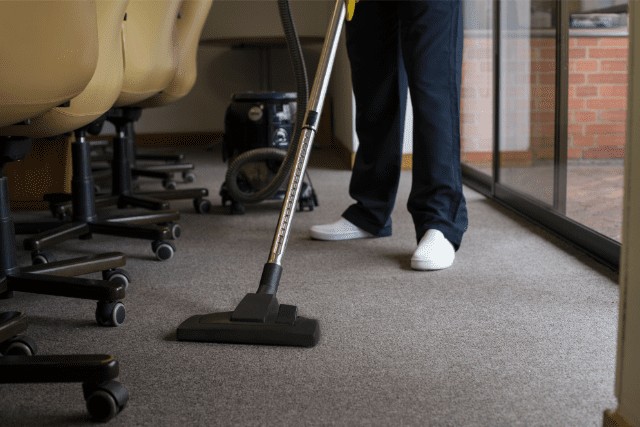
Air quality can impact health as much as surface cleanliness. Dust, pollen, and molds accumulate in air vents, ducts, and in office carpets—then recirculate throughout the space. Neglected HVAC systems not only cause allergies but reduce cleaning effectiveness elsewhere.
Improving Air Quality Through Cleaning
- Schedule HVAC filter changes quarterly.
- Vacuum office carpets using HEPA filters weekly.
- Include vent cleaning in monthly professional routines (office carpet care guide).
Conference & Training Rooms: Shared Tables and Electronics
These gathering spaces often see food, drinks, and multiple sets of hands—yet get sporadic attention from office cleaning schedules. Conference tables, chairs, shared AV controls, and remote clickers accumulate grime over time, reinfecting users even after regular cleanings.
- Disinfect surfaces and electronics after each use, especially following group meals.
- Use protective covers or wipes on shared remotes.
- Rotate chairs in/out to allow thorough cleaning.
Germ Spreaders: Trash Bins, Recycling Stations and Caddies
Bins rarely look dirty on the outside, but their lids and rims are some of the germiest places in any workspace. Bacteria thrive in damp, organic-rich conditions—such as those found on recycling caddies and food waste containers.
- Empty bins before they reach full capacity.
- Wipe bin lids and handles daily.
- Assign marked bins for food waste, paper, and general trash to avoid cross-contamination.
Unexpected Hotspots: Upholstered Chairs, Dividers, and Window Sills
Soft furniture traps dust, skin cells, and allergens. Window sills and partitions, often ignored, collect dead bugs and mold. These areas fail the “quick glance” test but can significantly contribute to workplace allergies and illness when neglected.
- Vacuum and spot-clean fabric furniture weekly.
- Dust and disinfect window sills and corners every deep cleaning cycle.
Cleaning Frequency Matters: How Often to Target Each Zone
Different office areas require unique cleaning schedules based on usage. Here is a guideline for maintaining healthy standards:
- Daily: Restrooms, breakroom surfaces, door handles, reception counters, shared electronics.
- Weekly: Desks, phones, microwaves, fridge interior, vent grilles, chairs.
- Monthly: Air vents, carpets, window sills, high-traffic furniture, deep cleanings.
Professional Approach: What Sets Expert Office Cleaning Apart?
DIY cleaning often misses key office hotspots, as team members may lack proper training, time, or supplies. Professional companies like Quick Cleaning follow strict protocols:
- Use of checklist-based routines for consistency.
- Rotating products and techniques to break biofilm and pathogen cycles.
- Documented quality inspections to verify thoroughness.
- Advanced tools (e.g., HEPA vacuums, hospital-grade disinfectants) adapted for each surface.
- Special attention to compliance with safety and health regulations (OSHA resource).
For those seeking extra hygiene assurance or a fresh start in their Chicago workspace, consider a professional office cleaning service for recurring or project-based needs.
Comprehensive Office Hygiene Checklist
- Breakroom: Sinks, handles, microwave buttons, fridge doors/interior, counters
- Desks: Surfaces, keyboards, phones, mouse
- Restrooms: Faucets, flushers, door latches, soap and towel dispensers
- Shared Electronics: Printers, copiers, AV remotes
- Entrances: Door handles, light switches, elevator panels
- Reception: Counter tops, visitor pens
- Workroom: Bins, recycling centers, supply cabinets
- Furniture: Chair arms, upholstery, window sills
- Air Quality: HVAC vents, carpet edges, filters
Record your progress and customize this checklist to your team with inspiration from authoritative checklists like the University of Chicago Move-Out/Hygiene Checklist.
Red Flags: Signs Your Office Is Harboring Hidden Dirt
Even if an area “looks clean,” it could be a hidden germ reservoir if any of the following apply:
- Persistent odors or musty air (vent or carpet issues)
- Sticky, smudged surfaces after basic cleaning
- Employees frequently ill or reporting allergies
- Stains reappearing on armrests or carpets
- Trash cans with residue around lids/edges
For troubleshooting and expert techniques, see our detailed office hygiene tips.
Choosing the Right Office Cleaning Company: Key Criteria
To ensure all dirtiest office areas are consistently addressed, ask prospective companies about:
- Customizable checklists: Are all the above hotspots included?
- Staff training: Do staff understand disinfection and cross-contamination risks?
- Products: Are hospital-grade and eco-friendly options available?
- Transparency: Can they provide inspection logs and quality reports?
- Communication: Will you receive clear action plans and scheduling flexibility?
For more details on effective office cleaning and decision frameworks, read our guide to avoiding cleaning mistakes.
FAQ: Dirtiest Areas in the Office
- What scientific studies support the claim that keyboards and phones are dirtier than toilets?
- Several published laboratory studies and field tests in offices consistently find keyboards and phone surfaces have higher CFU (colony forming units) counts compared to some toilet seats. This is due to infrequent cleaning and frequent hand-to-mouth contact.
- How often should breakroom appliances be sanitized?
- Best practice is daily disinfection of handles and weekly deep cleaning of appliance interiors. Heavy-use appliances may need more frequent care.
- Can regular vacuuming really help reduce germs?
- Vacuuming (with HEPA-equipped vacuums) removes dust, allergens, and microbial debris, limiting the spread of illness and allergies especially from neglected areas like carpets and upholstery.
- What should be included in an office deep cleaning?
- Deep cleaning covers everything on the comprehensive checklist: all high-touch points, workstation equipment, furniture, vents, and behind/under major furniture and appliances.
- Is there a specific product recommended for electronic equipment?
- Use disinfectant wipes designed for electronics—these are alcohol-based and non-abrasive, preventing water and residue damage while effectively removing pathogens.
- How can I encourage staff to keep their workspaces cleaner?
- Institute regular “clear desk” days, provide accessible disinfectant wipes, and hold briefings about infection risks and shared responsibility.
- How do I measure if our cleaning efforts are successful?
- Observe for reductions in absenteeism, fewer visible stains or odors, and improved employee feedback. Some organizations conduct periodic microbial surface testing for objective data.
- What distinguishes a professional cleaning company’s process from regular janitorial service?
- Professional cleaners follow trained protocols, use hospital-grade supplies, and perform routine inspections with signed checklists, going far beyond standard wiping and vacuuming.
- Are air vents really that important to clean?
- Yes—neglected vents distribute dust, allergens, and bacteria through the HVAC system, undermining other cleaning. Clean vents help maintain healthy indoor air quality.
Conclusion: Taking Action Against the Dirtiest Office Areas
The dirtiest office areas are rarely the most obvious. By recognizing hidden bacterial hotspots, setting up a detailed cleaning framework, and ensuring high-frequency attention to high-risk zones, you can reduce illness, boost morale, and protect workplace wellbeing. Remember, some tasks require dedicated expertise and routine. If you’re ready to raise your office hygiene game, consider scheduling office cleaning service or explore specialized cleaning solutions for your sector.
About Quick Cleaning
Quick Cleaning is a trusted leader in residential and commercial cleaning in Chicago, Illinois and nearby areas. Our trained teams specialize in recurring house cleaning, deep cleaning, move-out cleaning, office cleaning, and custom facility solutions—focusing on high-touch areas, proven checklists, and consistently high standards. With transparent communication and flexible scheduling, Quick Cleaning helps households and businesses maintain cleaner, healthier environments every day.


cleaning services chicago, office cleaning in chicago, chicago office cleaning, office cleaning in Palatine, Crystal Lake office cleaning, Rosemont office cleaning, office cleaning Western Springs IL, office cleaning in Logan Square, Lake Villa office cleaning, Loop office cleaning