
Mastering Office Kitchen Cleaning: A Complete Guide for a Healthy Workplace
The office kitchen is a hub of convenience—and potential hazards. Keeping this shared space clean isn’t just about appearances; it’s critical for employee health, morale, and productivity. Whether you manage a busy corporate location or a small startup, this Office Kitchen Cleaning Guide will walk you through professional standards, practical routines, decision frameworks, and the proven checklists that top cleaning companies use. If you’re in Chicago, Quick Cleaning’s experience with diverse business types ensures these recommendations are both reliable and realistic for modern offices. By the end, you’ll understand every nuance of maintaining a safe, spotless, and welcoming kitchen at work.
The Role of a Clean Office Kitchen in Workplace Wellness
Why does a spotless kitchen matter so much in the workplace? Cross-contamination, lingering odors, and pest risks all start in neglected kitchens. Clean breakrooms reflect organizational values, showing employees you care about their health and comfort. According to the CDC’s cleaning guidelines, food-prep environments must be held to high hygiene standards to reduce germs and illness. This segment explores the science and psychology behind a clean kitchen’s impact on productivity and morale.
- Reduces absenteeism by lowering chances of foodborne illnesses.
- Cultivates respect for communal spaces and each other’s health.
- Reinforces safety culture through visible cleanliness standards.
Understanding Office Kitchen Hazards: What’s at Stake?
Office kitchens face unique risks. Multiple people using shared appliances, bringing various foods, and sometimes neglecting cleaning routines lead to:
- Germ hotspots: Fridge handles, microwaves, faucet knobs, and countertops.
- Pest attraction: Crumbs, spills, and uncovered food quickly invite ants, flies, or rodents.
- Unexpected wear: Stubborn stains, burned-on debris, and odors can build up fast.
Understanding these challenges allows teams to set cleaning protocols that are both proactive and realistic.
Essential Steps in a Professional Office Kitchen Cleaning Routine
Professional cleaners—like Quick Cleaning—use consistent processes to maintain office kitchens, tailored to each site’s needs. Here’s a proven step-by-step approach:
- Clear Surfaces & Remove Trash – Always start by removing old food, wrappers, and trash to assess cleaning needs.
- Wash Dishes & Utensils – Ensure all communal dishes, mugs, and utensils are washed, sanitized, and stored.
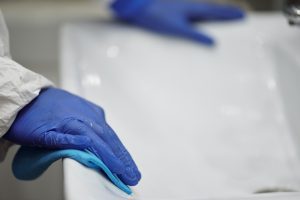
- Sanitize Countertops & Tables – Use appropriate, food-safe disinfectants. Pay attention to high-touch points.
- Clean Appliances – Microwaves, fridges, coffee makers, toasters: wipe all surfaces inside and out, removing food residue and potential mold.
- Scrub Sinks & Fixtures – Remove mineral deposits, run hot water, and disinfect faucet handles.
- Clean Floors – Sweep, mop, and focus on hard-to-reach areas behind trash bins or under tables.
- Refill Supplies – Stock dish soap, sponges, paper towels, and sanitation stations.
Comprehensive Office Kitchen Cleaning Checklist: Daily, Weekly & Monthly Tasks
| Task | Frequency |
|---|---|
| Empty trash & recycling | Daily |
| Wipe counters & tables | Daily |
| Wash dishes & utensils | Daily |
| Sanitize appliance handles | Daily |
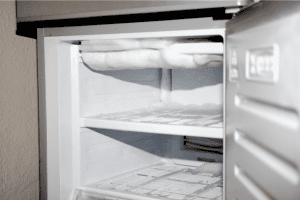
| Clean fridge interior & discard expired food | Weekly |
| Deep clean microwave & coffee maker | Weekly |
| Sanitize cabinet handles & doors | Weekly |
| Wash and disinfect trash bins | Monthly |
| Check & clean ventilation | Monthly |
| Inventory kitchen supplies | Monthly |
Pro Tips:
- Laminate and post this checklist to encourage self-service contributions.
- Even with daily routines, schedule deep cleanings quarterly.
Comparing Cleaning Products: What Works Best for Office Kitchens?
Not all cleaners suit every surface. Office kitchens demand food-safe, effective products. Here’s a breakdown:
- Countertops & Food Prep Surfaces: Use disinfectants approved for food contact (check for EPA-registered products).
- Appliances: Multi-surface sprays for exterior, diluted vinegar for interiors (avoid harsh chemicals inside microwaves or fridges).
- Floors: Neutral pH cleaners prevent residue and long-term damage.
- Sink & Fixtures: Degreasers for heavy buildup; soft abrasives for limescale.
Refer to reliable health sources, such as the CDC’s cleaning recommendations for non-health care settings, to ensure safe and effective practices.
Decision-Making Framework: DIY vs. Professional Kitchen Cleaning
Should your team tackle kitchen cleaning themselves, or is outsourcing smarter? Consider these decision factors:
- Size & Usage: Large, shared kitchens or high-usage spaces benefit from pro attention.
- Health Regulations: If your building hosts events or serves food, strict sanitation is required.
- Resource Allocation: DIY savings can be lost if staff skips key hygiene steps or resents the task.
- Consistency: Professional cleaners like Quick Cleaning use checklists to ensure nothing gets missed.
For many offices, a blend of staff self-service plus scheduled deep cleaning delivers the best results.
Common Red Flags: Signs Your Office Kitchen Needs Deeper Cleaning
- Lingering odors after daily wipe-downs
- Sticky or stained appliances and fixtures
- Pest evidence—droppings, ants, or gnats
- Expired food collecting in the fridge
- Stained mug rack or rusty utensils
- Visible dust or grease above eye level
If two or more of these sound familiar, it’s time to review your routine—and perhaps call in a professional office cleaning service.
Best Practices for High-Touch Areas and Office Kitchen Appliances
Shared kitchens see frequent hand contact with microwaves, fridges, water dispensers, and more. Here’s how to address them:
- Focus on disinfecting handles, dials, and control panels after each shift or meal period.
- Implement signage reminding users to clean microwave interiors after use.
- Empty fridge of leftovers weekly—assign a rotation if possible.
- Periodically inspect toasters and coffee makers for crumb build-up or moldy residue.
Consistency is essential. Routine deep cleaning helps extend appliance lifespan and reduces health risks.
Special Considerations for Multi-Tenant and High-Traffic Office Kitchens
In shared office buildings, cleaning responsibilities may be divided among tenants, contracted to building management, or a mix. Extra care is needed with:
- Labeling shelves and food zones to prevent accidental cross-contamination.
- Staggering cleaning times during high-occupancy periods.
- Providing hand sanitizer and surface disinfectant stations.
Coordination is critical—especially in buildings with flex workspaces or short-term tenants.
Setting Office Kitchen Rules: Engaging Employees in Cleanliness
Building a positive kitchen culture starts with clear, enforceable rules:
- Encourage labeling and regular removal of personal food items.
- Assign responsibility for daily wipe-downs—rotate weekly to prevent burnout.
- Post cleaning expectations clearly; reinforce in onboarding for new staff.
- Reward teams for maintaining standards—recognition goes a long way!
For guidance on building maintenance habits, see our post about workplace hygiene consequences.
Dealing with Odors, Stains, and Persistent Messes
Certain challenges require extra steps. For stubborn odors:
- Use baking soda or activated charcoal in the fridge to absorb smells.
- Run lemon or vinegar in microwaves to cut through buildup.
- Promptly mop up liquid spills to prevent stains and slipping hazards.
For persistent stains, a soft abrasive cleaner can be blended with warm water and applied gently. Never mix bleach and ammonia; always ventilate during cleaning.
Key Differences: Office Kitchen Cleaning vs. Home Kitchen Cleaning
- Frequency: Office kitchens handle more users and need more frequent disinfecting, particularly of appliance handles and shared surfaces.
- Accountability: Office cleaning often lacks a single owner, so posted rules and shared checklists are essential.
- Supplies: Bulk buying, safe chemical access, and clear labeling prevent misuse or shortages.
Each office should adapt best practices, but professional cleaners add an extra layer of consistency and safety.
When to Schedule Deep Office Kitchen Cleans
Even with great daily routines, some tasks demand a deeper approach:
- At least quarterly, book a professional to scrub walls, behind appliances, and inside rarely-used drawers.
- After an event or holiday party, request extra attention to floors and soft furnishings.
- Mold, recurring pests, or unexplained odors signal it’s time for an unscheduled deep clean.
Discover practical timing strategies in our event cleaning guide.
Building a Kitchen Cleaning Kit: Essential Supplies for Every Office
- Food-safe disinfectant spray and wipes
- Sponges, scrubbers, and dish soap
- Color-coded microfiber cloths
- Trash liners and recycling bins
- Hand sanitizer and disposable gloves
- Floor mop and bucket or spray mop system
Keep these stored safely but easily accessible—this prevents cleaning lapses and supports healthy habits.
Checklist for Choosing a Professional Office Kitchen Cleaning Partner
- Are their products food-safe and certified as such?
- Do they provide flexible schedules to minimize interference with work hours?
- Will they follow a documented checklist every visit?
- Are staff trained in both workplace safety and privacy protocols?
- Can they scale service for special events, holidays, or seasonal demands?
- Do they communicate issues—such as appliance faults or safety hazards—after each service?
Explore more tips for evaluating professional cleaners.
Maintenance Beyond Cleaning: Promoting Lasting Office Kitchen Hygiene
Cleaning is foundational—but ongoing hygiene also requires:
- Regular appliance safety checks and maintenance
- Proper pest control and safe food storage practices
- Scheduled reviews of supplies and hand-washing signage
Combining professional routines with daily diligence ensures long-term sanitation and employee satisfaction.
Frequently Asked Questions About Office Kitchen Cleaning
- How often should high-touch surfaces be disinfected?
Ideally, after each meal period or at least twice daily—especially in flu season. - Are bleach or other strong chemicals safe on kitchen surfaces?
Only if rinsed and used per manufacturer instructions. For food-prep surfaces, food-safe disinfectants are preferable. - What’s the best way to remove stubborn microwave stains?
Heat a bowl of water with lemon slices for five minutes, then wipe the interior with a damp microfiber cloth. - How should fridge contents be managed?
Assign weekly rotations to clear expired foods, and encourage labeling all personal items with names and dates. - What supplies should be stocked at all times?
Dish soap, paper towels, sanitizer, trash bags, and food-safe cleaning spray. - When is professional cleaning essential?
At least quarterly for deep cleans, or sooner after spills, persistent odors, or pest issues. - How do I get the team involved?
Post simple cleaning rules and rotate staff for daily tasks—reward consistency. - Are green cleaning products recommended?
Yes, as long as they are effective and food-safe. Check product labels for certifications. - How to safely clean small appliances?
Unplug and clean with damp cloths and mild detergents. Avoid soaking electrical parts. - What should be included in a cleaning kit?
Microfiber cloths, disinfectant spray, trash liners, dish soap, dedicated sponges, protective gloves.
Final Thoughts: Creating a Healthy, Efficient Office Kitchen
A clean office kitchen supports employee satisfaction and well-being while protecting your investment in appliances and facilities. Whether you develop a robust in-house routine or choose professional support, consistency across daily, weekly, and monthly tasks will deliver long-term results.
If you’re considering an upgrade, Office cleaning service or Schedule deep office cleaning with Quick Cleaning when you need expert help.
About Quick Cleaning
Quick Cleaning is dedicated to delivering spotless results in both residential and commercial spaces throughout Chicago, Illinois, and the surrounding area. Our trained teams specialize in recurring house cleaning, deep cleaning, office and move-out cleaning, and facility care for businesses of every size. We follow strict safety and quality protocols, use professional cleaning equipment, and build long-term relationships through attentive service and transparent communication. Quick Cleaning helps households and businesses in Chicago, Illinois and nearby areas keep their spaces clean and healthy.


Having a kitchen in the office is perfect, local cleaning services, Office Cleaning Chicago, Office Cleaning Services Chicago, office cleaning in Lake Forest, office cleaning Franklin Park, office cleaning Niles, office cleaning Vernon Hills, Willowbrook office clean service, Cedar Lake office cleaning, office cleaning Loop