Understanding the Consequences of Poor Hygiene in the Workplace
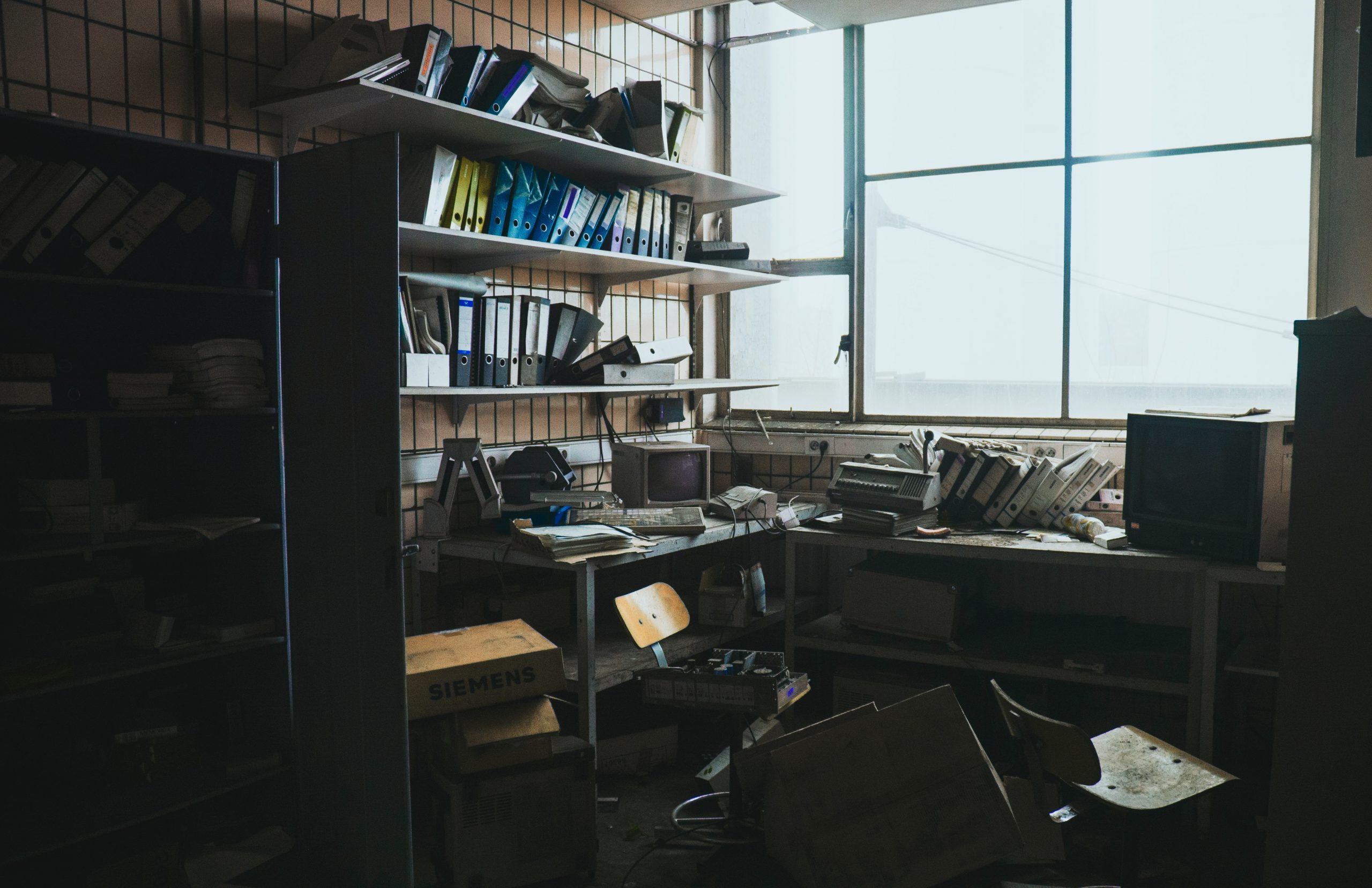
Workplace cleanliness is more than just an aesthetic standard—it’s vital for health, productivity, and morale. In this comprehensive guide, you’ll learn how the consequences of poor hygiene in the workplace can impact your business, employee well-being, and even your bottom line. Whether you manage an office, facility, or multifamily property, we outline the health risks, operational costs, legal exposures, and practical solutions to prevent these issues. Quick Cleaning draws on expert checklists, proven protocols, and reliable sources to offer actionable strategies and decision tools designed for those considering professional cleaning support.
1. How Poor Workplace Hygiene Affects Health and Business
Direct Health Risks
- Spread of colds, flu, and stomach illnesses
- Increased absences due to preventable diseases
- Risk of allergen buildup and respiratory complications
Business Impact
- Reduced productivity from absenteeism and low morale
- Client perception damage due to visible uncleanliness
- Increased operational costs for emergency remediation
For additional specifics on illness prevention, see cleaning tips to eliminate viruses and bacteria in the office.
2. Key Signs: Identifying Poor Hygiene Before Issues Escalate
- Dirty restrooms or kitchen areas
- Accumulated dust on surfaces and electronics
- Persistent odors in common spaces
- Overflowing trash bins or food residue
- Visible mold or mildew, especially in humid areas
Missed cleaning areas often worsen these problems. See overlooked places in your office for guidance on critical risks.
3. The Link Between Hygiene and Productivity
How Employee Output Suffers
Poorly maintained work environments can lead to increased distraction, fatigue, and sick days, reducing overall efficiency and engagement. Even minor annoyances from clutter or unclean breakrooms can erode job satisfaction.
- Greater likelihood of cross-contamination of germs
- Reduced focus due to unpleasant odors or clutter
- Long-term issues with attracting and retaining talent
4. The True Cost of Neglecting Workplace Hygiene
| Category | Short-Term Impact | Long-Term Impact |
|---|---|---|
| Health | Increased sick days | Chronic illnesses, higher insurance costs |
| Reputation | Negative client impressions | Loss of business, poor reviews |
| Maintenance | Emergency cleaning expenses | Costly repairs/replacements |
| Legal | Compliance fines | Lawsuit exposures |
5. Regulatory and Legal Risks Tied to Poor Hygiene
Understanding Workplace Obligations
Employers are legally responsible for providing a safe workplace. Failing to meet cleanliness criteria can result in costly inspections, penalties, or even forced closure.
- Health Code Violations
- OSHA Compliance Failures
- Potential for litigation from staff or visitors
Professional protocols from the Association for Professionals in Infection Control and Epidemiology set standards for safe workplace environments.
6. The Role of Air Quality and Dust Accumulation
Invisible Hazards
Dust and poor ventilation are major contributors to workplace discomfort, allergies, and even asthma. Consistent cleaning and smart air management are essential.
- Dust mites and allergens accumulate on carpets, upholstery, and air ducts
- Poorly maintained HVAC systems can spread contaminants
Learn more on how to reduce dust in the office.
7. High-Touch Surfaces: Hidden Hotspots for Germ Transmission
Critical Attention Zones
- Doorknobs, elevator buttons, light switches
- Shared electronics: keyboards, telephones, copiers
- Breakroom appliance handles and refrigerator doors
- Establish protocols for frequent disinfecting of these points
- Use cleaning products proven to kill bacteria and viruses
For detailed device care, see cleaning of electronic office equipment.
8. How Poor Hygiene Fuels Pest Problems
Warning Signs & Structural Risks
Food residue, overflowing bins, and moisture attract rodents and insects. These pests pose health risks and can physically damage the facility.
- Rodents can gnaw electrical wiring and trigger outages
- Infestations lead to potential code violations
9. The Impact on Visitor and Client Perceptions
A messy, unclean environment is immediately noticeable to visitors, partners, and clients. First impressions influence business relationships and even online reviews.
- Reception areas and meeting rooms reflect company values
- Strong or unpleasant odors can alienate guests
- Documented cases show businesses losing contracts due to visible cleanliness lapses
Tips for ensuring pleasant scents are available in this guide to a good office scent.
10. Industry Best Practices and Standards for Workplace Hygiene
Key Frameworks
- Daily routines: spot checks and targeted cleaning of high-risk zones
- Weekly deep cleaning protocols for floors, bathrooms, and kitchens
- Monthly upkeep for hard-to-reach or less-used spaces
The Environmental Protection Agency’s initiatives reinforce safe chemical use and resource conservation in cleaning.
11. Decision Framework: DIY vs. Professional Cleaning for Workplace Hygiene
- DIY cleaning may suffice for day-to-day maintenance but typically lacks thoroughness and consistency.
- Professional services bring in experienced teams, specialized supplies, and a systematic approach, crucial for compliance and deeper clean needs.
- Special scenarios—post-construction, medical areas, or move-outs—deep cleaning is highly recommended.
12. Creating a Sustainable Hygiene Plan for Your Office
- Develop custom checklists for office, kitchen, and restroom areas
- Provide accessible sanitizing supplies to all staff
- Schedule regular professional cleanings alongside routine in-house upkeep
Templates and frequency tips are available in the office cleaning supplies list and workspace cleaning guide.
13. Special Considerations for Shared and High-Traffic Spaces
- Coordinate shared kitchen and bathroom schedules across teams
- Frequently update cleaning protocols for high-usage conference rooms, lobbies, and elevators
- Appoint hygiene champions or cleaning supervisors for accountability
14. Preparing for Unusual or Emergency Hygiene Challenges
- Flu outbreaks, food contamination, or water leaks require swift deep cleaning
- Document cleaning measures conducted after an incident
- Communicate openly with staff about actions taken and future prevention
15. Checklists: Spotting and Correcting Hygiene Failures
Quick action makes all the difference. Use this checklist to safeguard your workplace:
- Assess desks and workstations for clutter and dust
- Check restrooms and breakrooms for sanitation supplies
- Review ventilation and air purifier servicing schedules
- Spot-test high-touch areas with quick disinfectant wipes
- Keep food storage areas clean and labeled
Frequently Asked Questions: Hygiene in the Workplace
1. What are the most common diseases caused by poor workplace hygiene?
Colds, influenza, and stomach viruses are common, along with allergies and, in severe cases, mold exposure illnesses.
2. How often should an office be professionally cleaned?
Frequency depends on traffic, but weekly professional cleaning is standard, with daily attention to high-touch areas.
3. Can bad odors in the office signal hidden hygiene issues?
Yes, persistent odors may indicate spills, mold, or waste buildup. Address immediately to prevent escalation.
4. Is providing hand sanitizer enough to maintain good hygiene?
It helps, but thorough, routine cleaning of surfaces is also required for effective risk reduction.
5. What legal concerns arise from neglecting workplace hygiene?
Potential lawsuits, fines, or failed inspections if employers do not provide a safe, clean environment.
6. How do pests relate to poor hygiene in offices?
Food remains and trash attract rodents/insects, leading to health code violations and costly remediation.
7. Are green cleaning products effective against bacteria and viruses?
Many are, if EPA-approved; always check labels for pathogen-killing claims and compliance.
8. Who should be responsible for monitoring workplace hygiene?
Shared responsibility: staff for daily tidiness, leadership for professional cleaning scheduling and protocols.
9. What should be included in a workplace hygiene policy?
Defined routines, accountability measures, supply access, response steps for incidents, and evaluation criteria.
10. How does workplace layout affect hygiene needs?
Open layouts may need more frequent surface cleanings; private offices require regular attention to air and electronics.
Bringing It Together: Protecting Your Business from Hygiene Risks
Neglecting workplace hygiene leads to more than just dust and clutter—it brings genuine risks to health, reputation, and business continuity. Proactive planning, clear protocols, and a partnership with professional cleaners are crucial for maintaining a safe environment. If you’re considering enhancing your facility’s cleanliness, review the commercial cleaning checklist or explore custom office cleaning service options when ready.
About Quick Cleaning
Quick Cleaning helps households and businesses in Chicago, Illinois, and nearby areas keep their spaces clean and healthy. With expertise in recurring house cleaning, deep cleaning, move out cleaning, office cleaning, and special facility cleaning, our trained teams follow strict checklists and safety standards for every client. For transparent communication and trustworthy results, Quick Cleaning stands ready to support your environment’s well-being.


hygiene, The dust, cleaning service chicago, Office Cleaning Chicago, Office Cleaning Services Chicago, office cleaning in North Riverside, office cleaning Cedar Lake IL, office clean Spring Grove IL, Hanover Park office cleaning, office cleaning in Lake Villa IL, office cleaning company in Glen Ellyn IL, Vernon Hills office cleaning