Cleaning Tips to Effectively Eliminate Viruses and Bacteria in the Office
Viruses and bacteria can spread quickly in office environments—especially in shared spaces, hot-desking areas, and high-traffic zones. As professionals, business owners, or facility managers, understanding precise cleaning tips to eliminate viruses and bacteria in the office is essential to safeguard employee health and ensure smooth business operations. This guide goes well beyond general advice, providing actionable steps, decision-making frameworks, and professional checklists. You’ll discover what actually works, what to look for in products and cleaning routines, and how to choose between in-house and professional office cleaning in Chicago. Let’s build a cleaner, safer workplace—one step at a time.
The Science Behind Office Pathogen Control
Before you can tackle viruses and bacteria, it’s critical to understand how they persist and spread in office environments:
- Viruses, like norovirus or influenza, can live on surfaces for hours to days depending on humidity and material.
- Bacteria, including E. coli and MRSA, multiply fastest in warm, moist spaces, often hiding in breakrooms, shared equipment, and restrooms.
- Transmission risk rises where cleaning frequency is low or critical touchpoints are missed.
According to the CDC, consistent and thorough cleaning combined with proper disinfecting significantly reduces the risk of disease outbreaks in facilities.
Critical Office Touchpoints: Where Viruses and Bacteria Hide
Some office surfaces act as “highways” for pathogens. Target these areas every time you clean:
- Door handles, light switches, elevator buttons
- Desks—especially shared workstations
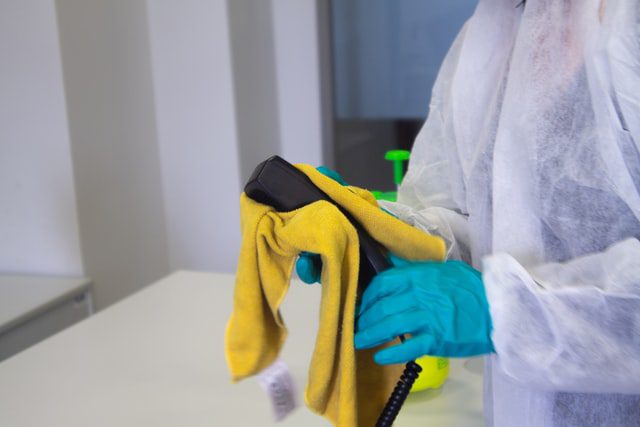
- Keyboards, computer mice, and desk phones
- Breakroom appliances (microwaves, fridge doors, coffee machines)
- Restroom faucets, sinks, and dispensers
- Conference table surfaces and presentation controls
- Shared stationery and office supplies
See more on overlooked problem spots in our resource: 4 Overlooked Places in Your Office.
Essential Steps: Office Disinfection vs. Cleaning
Knowing the difference between cleaning, sanitizing, and disinfecting is key:
- Cleaning: Physically removes dirt, debris, and a portion of germs.
- Sanitizing: Lowers the number of germs to safe levels as defined by public health standards.
- Disinfecting: Uses chemicals to kill most viruses and bacteria on a surface.
For virus and bacteria control, focus on thorough cleaning followed by surface disinfection, especially after potential illness exposure. The Environmental Protection Agency (EPA) recommends disinfectants that meet their List N: Disinfectants for use against SARS-CoV-2 and related pathogens.
Daily, Weekly, and Event-Based Cleaning Frequency Guide
Establishing routine frequency is essential. Here’s a simple breakdown:
| Area/Item | Daily | Weekly | After Sick Event |
|---|---|---|---|
| Door handles, phones | ✔ | ✔ | |
| Desks, keyboards | ✔ | ✔ | |
| Chairs, tables | ✔ | ✔ | |
| Restrooms | ✔ | ✔ | ✔ |
| Breakroom | ✔ | ✔ | ✔ |
| Floors | ✔ | ||
| Shared equipment | ✔ | ✔ |
Remember: More frequent cleaning is required during outbreaks or when anyone in the office is ill.
Choosing Effective Cleaning Products for Virus and Bacteria Control
The right cleaning solution makes all the difference. For viral and bacterial elimination, select:
- EPA-registered disinfectants (check label claims for specific pathogens).
- Alcohol-based wipes and sprays (minimum 60% alcohol for viruses).
- Hydrogen peroxide cleaners for sensitive electronics or allergen-prone areas.
See our office cleaning supplies list for product recommendations.
Step-by-Step Office Disinfection Checklist
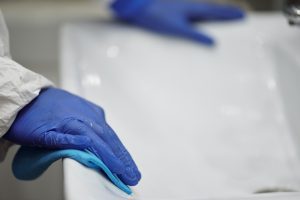
- Wear gloves and, if appropriate, a face mask.
- Remove visible dirt and debris with soap/detergent and water.
- Apply disinfectant and allow required dwell time (as per product instructions).
- Pay special attention to electronics—use only approved products for these.
- Wipe down surfaces in one direction to avoid re-depositing germs.
- Finish by cleaning cleaning tools (cloths, mops) or disposing of single-use items properly.
Comparing Office Disinfection Methods: Manual vs. Electrostatic Spraying
Consider these two professional approaches and their pros/cons:
- Manual disinfection: Best for detail, small spaces, and varied surfaces; can miss cracks or undersides if rushed.
- Electrostatic spraying: Ideal for broad, contactless coverage of surfaces and hard-to-reach areas—especially during outbreaks.
Professional office cleaning providers like Quick Cleaning use a combination of both based on surface and facility needs.
Key Differences: DIY Office Cleaning vs. Professional Office Cleaning
While individual staff can maintain tidy desks, eliminating viruses and bacteria in the office often requires professional expertise. Important distinctions include:
- Professionals use commercial-grade disinfectants and tools with proven efficacy.
- Customized checklists ensure no critical surface is missed.
- Staff are trained to understand cleaning protocols, dwell times, and cross-contamination risks.
For a guide to pros and cons of outsourcing, see our guide on what to ask when hiring an office cleaning service.
Managing Air Quality and Ventilation in Virus and Bacteria Removal
Viruses and bacteria can linger in office air, especially during Chicago’s colder months when ventilation is reduced. Keep these practices in mind:
- Regularly change HVAC air filters (ideally monthly in winter).
- Open windows whenever possible for fresh air exchange.
- Clean air vents as part of your weekly routine. Find details in our overlooked places in your office post.
Review organizational guidelines from the EPA regarding indoor air quality maintenance.
Hygiene Protocols for Employees: Reducing Contamination Risk
- Encourage regular handwashing—post reminders in restrooms and kitchens.
- Provide hand sanitizer stations at entry/exit points and shared spaces.
- Require staff to disinfect shared electronics (printers, phones) after each use.
- Establish a “clean desk” policy to remove clutter that may harbor germs.
- Remind staff to stay home if unwell—reinforced through visible signs or company policies.
Handling Office Outbreaks: Special Considerations
If a viral or bacterial outbreak occurs in the workplace:
- Quarantine and clean all affected work areas immediately.
- Increase cleaning/disinfection frequency to daily (or more) in shared and high-touch spaces.
- Communicate transparently with staff on safety measures and next steps.
Find more at Consequences of Poor Hygiene in the Workplace.
Preventing Cross-Contamination: Color Coding and Cleaning Tools
Avoid spreading germs between restrooms, breakrooms, and offices by:
- Designating separate cleaning tools (mops, cloths) for different areas—use color coding to track easily.
- Laundering reusable cleaning cloths daily at high temperatures.
- Replacing sponges and mop heads frequently, especially during flu season.
Special Cases: Cleaning for Medical Offices and Sensitive Workplaces
Offices with vulnerable populations (healthcare facilities, dental offices, etc.) require heightened precautions:
- Strict adherence to healthcare cleaning protocols (extra PPE, hospital-grade disinfectants).
- Increased frequency and documentation.
- Special attention to patient-facing surfaces and waiting rooms.
See service guidelines for medical office cleaning for more information.
Common Missteps That Undermine Office Disinfection Efforts
Even the best intentions can fall short—watch for these pitfalls:
- Ignoring product dwell times—wiping disinfectant away too soon reduces effectiveness.
- Overlooking shared electronics or supply cabinets.
- Using the same cloth for multiple areas (which moves germs around).
- Neglecting ventilation and HVAC maintenance.
Explore our coverage of frequent issues at Common Office Cleaning Mistakes.
Maintaining Cleanliness Between Professional Visits
To optimize the impact of periodic professional cleaning, establish easy-to-follow routines for building occupants:
- Daily desk wipe-downs before leaving.
- Quick clean of high-touch points at midday.
- Assign weekly mini-teams to review breakrooms and copiers.
- Schedule recurring professional cleaning for deep sanitation every 1–2 weeks.
For large offices or multi-tenant spaces, see our multi-tenant office cleaning guide.
Quick Reference: Sample Office Cleaning Schedule for Virus and Bacteria Control
- Early morning: Freshen air, empty trash, restock supplies
- Mid-morning: Disinfect shared electronics, kitchen counters, high-touch points
- Midday: Restroom wipe-down and paper supplies check
- Afternoon: Light desk cleaning, empty wastebaskets
- Evening: Professional full-space disinfection (daily, weekly, or event-triggered)
What to Look for in a Professional Office Cleaning Partner
If you prefer to outsource or supplement your in-house cleaning, choose a provider who demonstrates:
- Proven training and protocols for virus and bacteria elimination.
- Transparent communication on chemicals and methods used.
- Customized cleaning schedules based on your office’s risk profile.
- Use of checklists and post-cleaning documentation.
- Commitment to flexible or emergency service (essential for outbreak responses).
For specialized office cleaning needs, Office cleaning service can help with reliable support and tailored routines.
FAQ: Viruses and Bacteria Elimination in Offices
How often should high-touch surfaces be disinfected in an office?
Ideally, disinfect these areas daily or more frequently during cold/flu season or outbreaks.
What’s the difference between sanitizing and disinfecting in the office?
Sanitizing reduces, while disinfecting kills most germs—disinfection is needed to eliminate active viruses and bacteria.
Can I use household wipes for office virus control?
Some household wipes work, but ensure they are EPA-registered for the pathogens you need to target.
What is the safest disinfectant for electronics?
Use alcohol-based wipes (at least 60% alcohol) or hydrogen peroxide products designed for electronics.
Do air purifiers help remove office viruses and bacteria?
Air purifiers with HEPA filters can help capture airborne particles, but do not replace cleaning of surfaces.
Are eco-friendly disinfectants as effective?
Look for “EPA Safer Choice” or similar standards—many are effective for basic viruses and bacteria, but confirm label claims.
What is cross-contamination in office cleaning?
It occurs when cleaning tools or hands transfer germs from one area to another—avoid by using color-coding and proper laundering.
How do professionals clean offices after a confirmed illness?
They increase disinfection frequency, focus on affected areas, ventilate rooms, and apply specialized products with longer dwell times.
Who needs deeper or more frequent cleaning?
Medical, dental, and shared multi-tenant offices should increase cleaning frequency and follow enhanced disinfection protocols.
Can I enforce personal desk cleaning among staff?
Yes, many companies establish “clean desk” expectations to reduce contamination and support larger infection control efforts.
Conclusion: Take Proactive Office Hygiene From Checklist to Action
Eliminating viruses and bacteria in the office is an ongoing commitment that involves more than occasional cleaning. By targeting high-risk areas, following the latest product guidance, and establishing routine checklists, you can significantly reduce illness and absenteeism. Consider professional support for high-stakes moments and specialty facilities. For tailored service, flexible scheduling, and consistent results, businesses in Chicago and neighboring areas turn to Quick Cleaning to complement their workplace routines.
About Quick Cleaning
Quick Cleaning is a trusted expert in residential and commercial cleaning in Chicago, Illinois and surrounding areas. With trained staff, consistent checklists, and a focus on hygiene and safety, we confidently handle recurring, deep, move-out, office, Airbnb, and facility cleaning. Our commitment: flexible scheduling, quality products, transparent pricing, and long-term client relationships—helping you create healthier, spotless environments for every home or workspace.
best cleaning services, office cleaning services, business office cleaning, office cleaning Cedar Lake IL, office cleaning in Itasca, Spring Grove office cleaning, office cleaning Lincolnwood, Aurora office cleaning, office cleaning Logan Square, Harvey office cleaning