Beyond the Basics: Avoiding Common Office Cleaning Mistakes
Ensuring a spotless office environment means more than just occasional dusting or emptying trash cans. Many offices make hidden mistakes that compromise cleanliness, employee health, regulatory compliance, and even the company’s reputation. In this comprehensive guide, Quick Cleaning presents everything you need to know about the most common office cleaning mistakes, how they impact your workspace, and practical frameworks for avoiding them—whether you manage one office or many across Chicago. Read on for expert strategies, detailed checklists, and quality control insights suited for property managers, business owners, and anyone seeking professionalism in workplace maintenance.
Understanding the Real Cost of Office Cleaning Errors
Many organizations underestimate the impact of seemingly small cleaning oversights. Failing to address high-risk areas, using the wrong cleaning agents, or inconsistent routines can lead to illness outbreaks, loss of client trust, and even regulatory penalties. These mistakes are not just about appearances—they touch on client perceptions, workforce morale, operational efficiency, and long-term asset value.
- Reduced productivity from sick days caused by poor hygiene
- Damage to electronics from improper cleaning methods
- Occupational health and safety violations
- Unpleasant work environment leading to staff turnover
1. Overlooking High-Touch Surfaces and Shared Devices
One of the most frequent—and critical—office cleaning mistakes is neglecting surfaces that countless hands touch daily. Items like doorknobs, elevator buttons, light switches, remote controls, phones, keyboards, and breakroom appliances can harbor harmful bacteria, viruses, and allergens.
Risks of Overlooking High-Touch Points
- Faster spread of viruses and bacteria across teams
- Food contamination risks in shared kitchenettes
- Repeated illness cycles impacting productivity
Tip: Incorporate a daily or per-shift checklist for these touchpoints. Use disinfectants approved for the surfaces in question, referring to standards from organizations like ASHRAE for HVAC and environmental hygiene protocols.
2. Choosing Inappropriate Cleaning Products for the Task
A common error is using all-purpose cleaners across every material and surface. Some commercial spaces feature expensive electronics, various flooring materials, or specialty fixtures. Inappropriate chemicals can damage these assets or fail to eliminate pathogens completely.
- Wood, marble, vinyl, and electronics require different solutions
- Misused chemicals can trigger staff allergies
- Ineffective disinfection fails to remove germs
Comparison Table: Surface Types vs. Recommended Cleaning Agents
| Surface | Safe Cleaner Type | Notes |
|---|---|---|
| Wood Desks | Mild wood-specific cleaner | Avoid ammonia/abrasives |
| Glass/Windows | Alcohol-based glass spray | No streaks, rapid drying |
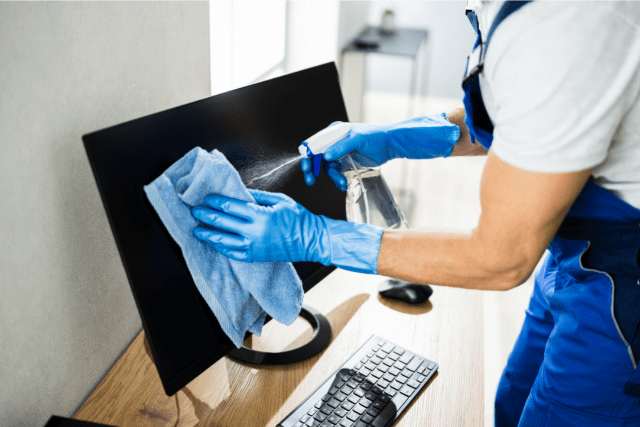
| Keyboards/Electronics | Electronics-safe wipes | No water-saturated cloths |
| Hard Floors (vinyl/tile) | Neutral pH floor cleaner | No wax on non-wax floors |
| Bathrooms | EPA-registered disinfectant | Observe dwell time |
3. Missing Areas During Routine Cleaning Cycles
Busy schedules or unclear checklists often result in skipped spaces—window sills, under desks, baseboards, vents, or behind printers. Over time, these zones accumulate dust, allergens, and debris, potentially complicating facility inspections or triggering complaints.
- Dust buildup restricts air flow and elevates allergy symptoms
- Hidden crumbs attract pests like ants or rodents
- Regular oversight leads to negative first impressions
Implementing detailed zoning maps and cleaning logs helps ensure no corner is left behind.
4. Improper Storage and Handling of Cleaning Chemicals
Incorrect chemical storage is both a compliance violation and a safety hazard. Products stored near food, unlabeled, or mixed indiscriminately risk accidental poisoning, chemical burns, or respiratory irritation. OSHA mandates strict guidelines for chemical labeling and access (see regulations).
- Store chemicals in original containers, away from heat or food
- Train cleaning teams thoroughly on safe handling practices
- Document storage protocols in cleaning manuals
5. Skipping Regular Maintenance of Cleaning Tools
Dirty mops, worn-out vacuum filters, or expired disinfectant wipes undercut the entire cleaning operation. When equipment isn’t sanitized or replaced on schedule, offices can end up spreading more contaminants than they remove.
- Set rotation schedules for mop heads and sponges
- Empty vacuum bags and change filters weekly
- Inspect equipment condition during every routine session
6. Ignoring Manufacturer Guidelines for Office Furnishings
Many commercial desks, chairs, carpets, and fixtures have cleaning instructions that differ from standard approaches. Not consulting manufacturer recommendations risks invalidating warranties or causing irreparable damage.
- Keep a database of material-specific care guidelines
- Train cleaning staff to spot specialty finishes or coatings
- Alert facility stakeholders to high-risk assets
7. Inconsistent Cleaning Frequencies and Schedules
Ad-hoc or infrequent cleaning leaves dangerous gaps in hygiene. Flu seasons, high visitor turnover, or shared open spaces require more robust, overlapping routines planned out for daily, weekly, and monthly cycles.
Sample Cleaning Frequency Framework
- Daily: Desks, touchpoints, restrooms
- Weekly: Windows, baseboards, appliance exteriors
- Monthly: Deep cleaning of carpets, vents, wall washing
Creating a customized, posted cleaning schedule holds everyone accountable and ensures no task is neglected.
8. Failing to Communicate Cleaning Protocols with Staff
Office hygiene is a shared responsibility. Without clear guidance, employees may undo efforts by leaving workstations cluttered, disposing of materials improperly, or bringing in outside food. Clear communication bridges the gap.
- Share cleaning schedules and standards in common areas
- Hold periodic meetings on hygiene
- Invite feedback for continuous improvement
9. Underestimating Air Quality as a Cleanliness Factor
Dust, pollen, and volatile compounds recirculate in poorly ventilated workspaces. Skipping HVAC filter changes or ignoring vent cleaning amplifies respiratory issues—especially in Chicago’s allergy seasons or high-rise settings.
- Replace HVAC filters per ASHRAE standards
- Schedule regular duct and vent inspections
- Clean window ledges and sills where dust accumulates
Learn more about sustainable air quality management at ASHRAE Standards.
10. Compliance and Documentation Blunders
Regulatory agencies require commercial cleaning to meet specific documentation and process standards—especially in medical, educational, and public-facing environments. Sloppy recordkeeping or lack of cleaning logs can result in costly violations during inspections.
- Keep up-to-date cleaning checklists and staff training records
- Assign responsibility for sign-offs
- Archive incident reports and inspection summaries
Consistent compliance routines protect your business and everyone inside it. Review OSHA’s chemical and site requirements for details.
11. Inadequate Training and Supervision of Cleaning Staff
Even the best plan fails if cleaning teams lack skill or oversight. Failing to train or regularly evaluate cleaners leads to corner-cutting and unsafe practices. Professional providers like Quick Cleaning ensure staff are trained on evolving guidelines and quality control.
- Conduct onboarding and refresher trainings for all staff
- Appoint supervisors for routine inspections
- Encourage a feedback-driven improvement process
12. Overlooking Critical Cleaning Logs and Checklists
Logs and checklists are not mere paperwork—they’re foundational for preventing oversights and ensuring consistency. Offices that skip these tools often repeat the same cleaning mistakes week after week.
- Create area-specific checklists (restrooms, reception, conference rooms, etc.)
- Document each step completed during cleaning shifts
- Use digital logs for easy review and accountability
For fully customized office cleaning checklists, schedule an office cleaning service with solutions tailored to your facilities.
13. Failing to Adapt Cleaning for Special Situations
Events, construction projects, and high-traffic incidents present unique challenges. Using the standard cleaning routine after an office party, renovation, or flu outbreak can miss emerging risks.
- Identify high-risk times (e.g., post-event, flu season) and adapt schedules
- Incorporate extra disinfection and waste removal as needed
- Partner with specialized cleaning teams for non-routine needs
For cleaning needs beyond the ordinary, including event or post-construction services, explore dedicated cleaning options from Quick Cleaning.
Structured List: Quick Cleaning’s Office Cleaning Mistakes Prevention Framework
- Inventory all office spaces and touchpoints
- Map out cleaning frequency by risk level
- Select vetted cleaning products by material type
- Establish clear checklists for every area
- Train staff or partners in proper procedures and safety
- Implement recordkeeping for compliance
- Communicate needs and best practices with all employees
- Conduct scheduled quality inspections and reviews
- Revise protocols with changes in seasons, usage, or regulations
Signs It’s Time for Professional Intervention
If you notice recurring odors, visible dirt despite regular cleaning, increased sick days, or complaints about the work environment, it’s time for a professional assessment. A commercial cleaning team brings trained staff, proper tools, and reliability—minimizing risk and freeing up your internal resources for core business tasks.
- Visible residue on office electronics, corners, or glass
- Lingering smells or indoor air quality complaints
- Mismatched cleaning product use
- Frequent missed areas or incomplete checklists
For an in-depth approach, explore commercial cleaning services for consistent results.
Integrating Office Cleaning Into Company Culture
The cleanest offices go beyond tasks—they foster a culture that values safety, health, and continuous improvement. Recognizing the importance of each team member, from cleaning staff to leadership, helps maintain standards and boosts morale.
- Celebrate and reward excellent hygiene
- Offer feedback loops between departments
- Invest in ongoing education about updated standards
Advanced Checklist: Review Before Your Next Inspection
- Are all cleaning chemicals clearly labeled and stored away from food?
- Were all touchpoints disinfected within the last shift?
- Are cleaning logs current and available for audit?
- Have staff completed training in the last 6 months?
- Has air quality been tested or addressed this quarter?
- Are high-risk surfaces or assets included on all checklists?
Preparation prevents surprises and builds a foundation of trust with employees, clients, and inspectors alike.
Relevant Additional Resources and Guides
- Detailed office equipment cleaning tips
- Guide to keeping your office kitchen spotless
- Identifying the dirtiest office areas
- Cleaning in multi-tenant and shared offices
- Preventing allergy triggers in office environments
Frequently Asked Questions About Office Cleaning Mistakes
- What are the most commonly missed spots in office cleaning?
- High-touch surfaces, behind appliances, vents, and under desks are often neglected.
- How do I know if our cleaning products are appropriate for the surfaces?
- Always check the manufacturer guidelines for each material and consult your product’s safety data sheets.
- How important is cleaning frequency?
- Regularity is key—touchpoints and restrooms require daily cleaning, while deeper cleaning should follow a weekly or monthly plan based on usage.
- What documentation should I keep for office cleaning?
- Maintain checklists, training records, cleaning logs, and compliance reports for inspections and quality control.
- Why does indoor air quality matter in office hygiene?
- Poor air quality circulates allergens and germs, undermining all surface cleaning efforts and affecting staff well-being.
- Are professional cleaning services worth it for smaller offices?
- Yes—professionals bring expertise, compliance assurance, and thoroughness that smaller in-house teams may struggle to match.
- What’s the best way to train cleaning staff on new protocols?
- Combine written procedures, practical demonstrations, and ongoing supervision for effective results.
- Can cleaning logs replace inspections?
- No—logs support compliance, but routine supervisor inspections are essential for ongoing quality.
Summary and Next Steps
A truly clean office requires relentless attention to detail, skilled teams, the right tools, and company-wide engagement. By avoiding the most common office cleaning mistakes detailed above, you’ll enhance workplace health, protect your business, and show staff and visitors you care.
For tailored commercial cleaning solutions or to review your current process, consider connecting with Quick Cleaning—Chicago’s trusted experts in professional hygiene.
About Quick Cleaning
Quick Cleaning delivers professional, results-driven cleaning for homes, apartments, offices, and specialized facilities in Chicago, Illinois and the surrounding area. Our trained staff follow rigorous checklists and industry standards, offering flexible scheduling—including recurring, deep, and same-day cleaning—across all major property types. With a focus on detail, safety, and transparent communication, Quick Cleaning supports both residential and commercial clients in maintaining healthier, more productive environments year-round.
cleaning contractors in the city of chicago, office clean chicago, corporate office cleaning, office clean Brookfield, office cleaning company in La Grange, Bedford Park office clean service, Western Springs office cleaning, office cleaning company in Aurora, office cleaning Cicero, office cleaning in Itasca IL