How to Prevent Allergies Inside the Office: A Comprehensive Step-by-Step Plan
Allergy symptoms in the office aren’t just uncomfortable—they hurt productivity, morale, and health. Yet, most office managers and employees aren’t sure how to prevent allergies inside the office. This guide breaks down why office allergies happen, the exact cleaning steps and routines that work, and how to choose the right strategies and support for a truly healthy workspace. Focused on practical, proven actions—from air quality to professional cleaning—this resource helps Chicago businesses (and all offices) keep staff and visitors safe all year round.
Understanding Office Allergies: Root Causes and Hidden Risks
Before developing solutions, it’s important to grasp why staff develop allergies at work. Office environments can accumulate various allergens—some obvious, others hidden in plain sight:
- Dust mites in carpets, upholstered furniture, and HVAC systems.
- Mold spores in vent systems, ceiling tiles, and restrooms.
- Pollen entering through open windows or ventilation.
- Pet dander brought in on employees’ clothing.
- Cleaning chemical residues and fragrances.
- Infestations (cockroaches, rodents).
Studies at health organizations such as Healthy Children highlight that even clean-seeming offices can harbor hidden triggers. Without targeted prevention, allergies persist.
Allergy Symptoms in the Workplace: What You Should Notice
- Frequent sneezing or coughing among staff
- Red, watery eyes and nasal congestion
- Headaches that seem environmental
- Increased absenteeism around certain seasons or after cleaning
- Staff complaints about “musty” or “stale” air
Recognizing these signs helps catch problems sooner, prompting steps to reduce allergens before they escalate.
Comprehensive Cleaning Approaches to Address Allergens
- HEPA-filtered vacuuming: Removes fine allergen particles from floors and upholstery.
- Microfiber dusting: Traps dust and pollen rather than scattering it.
- Hot water carpet extraction: Deep cleans and kills dust mites.
- Regular HVAC filter replacement: Prevents circulation of mold and dust.
- Spot-cleaning frequent-touch surfaces: Reduces transferred allergens.
An effective plan utilizes a mix of these targeted strategies, adapted based on the specific risks present in your office.
Essential Office Cleaning Products: Safe Choices for Allergy Sufferers
- Fragrance-free and low-VOC products are less likely to trigger reactions.
- Hypoallergenic disinfectants as recommended by trusted sources (see Diversey’s Personal Care solutions).
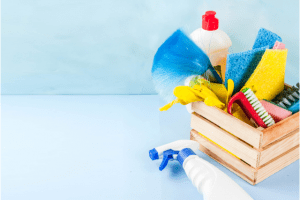
- Microfiber cloths and mops for dry and wet cleaning.
- Detergents without dyes or harsh chemicals (for kitchens/bathrooms).
Always check Safety Data Sheets and sample products when introducing new cleaning agents to the workplace.
Air Quality Management: Beyond Regular Cleaning
Cleaning removes surface allergens, but air quality management addresses what’s floating unseen. Key actions include:
- Using properly rated HEPA air purifiers in shared spaces.
- Keeping windows closed during high-pollen periods.
- Maintaining humidity between 30-50% to discourage dust mites and mold.
- Ensuring air vents are unobstructed and regularly cleaned.
Consider collaborating with building management or facilities teams to ensure these measures are well coordinated.
Desk-to-Boardroom: Preventing Allergies in Different Office Areas
| Area | Main Allergen Risks | Key Prevention Steps |
|---|---|---|
| Reception & Waiting Areas | Dust, pollen from open doors, soft seating | Daily vacuuming, weekly upholstery cleaning, use of entry mats |
| Open Workspaces | Dust mites, dander, equipment dust | HEPA vacuum weekly, desk dusting, cord/cable cleaning |
| Meeting Rooms | Mold, dust accumulation, HVAC issues | Surface wipe-downs, vent cleaning, schedule checks for leaks/dampness |
| Breakrooms & Kitchens | Mold, food debris, pests | Daily wipe-downs, proper food storage, sink & appliance sanitizing |
| Restrooms | Mildew, chemical residue | Disinfect non-slip mats, check ventilation, avoid strong fragrances |
| Storage & Copy Rooms | Paper dust, low airflow, hidden leaks | Declutter, floor cleaning, inspect for water damage |
Critical Touchpoints: What to Clean to Minimize Allergens
- Door handles, elevator buttons
- Coffee machines and water dispensers
- Tables, keyboards, telephones
- Air vents and filters
- Chair arms and backs
These high-touch areas often go neglected but can significantly contribute to allergen exposure. For more on overlooked spaces, see office cleaning blind spots.
Cleaning Schedule: How Often to Address Allergy Triggers
- Daily: Wipe desk surfaces, vacuum entrances, sanitize breakroom counters.
- Weekly: Dust equipment, vacuum all carpets, clean windowsills and vents.
- Monthly: Deep upholstery cleaning, replace HVAC filters, inspect for leaks or dampness.
- Seasonally: Professional deep clean; focus after allergy peaks (spring, fall).
The exact frequency depends on office size, climate, and staff density—consult multi-tenant cleaning guidance if sharing space with other companies.
Employee Responsibilities: Promoting a Culture of Prevention
- Encourage staff to keep personal workspaces clutter-free.
- Communicate policies against scented candles, air fresheners, and plants that might trigger reactions.
- Provide tissues and hand sanitizer at all common touchpoints.
- Offer clear protocols for reporting visible mold, leaks, or cleaning needs.
Ongoing office communication and signage reinforce healthy habits and support a shared sense of responsibility.
Workplace Policies and Building Maintenance for Allergy Prevention
- Implement “no food at desks” policies when practical to control crumbs and pests.
- Keep a cleaning supplies log—review which products are used and promptly substitute if reactions are reported.
- Schedule regular pest control and HVAC inspections.
- Encourage flexible work from home if symptoms persist during high-allergen seasons.
Working with landlords or property managers is especially important for issues related to ventilation, leaks, or shared facilities.
Professional Cleaning Services: When and How to Choose the Right Partner
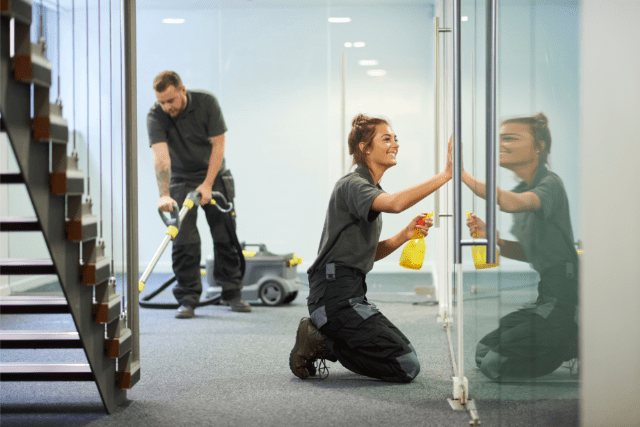
For persistent allergy issues, turning to trained professionals can make a difference. Effective professional cleaning includes:
- Customized cleaning plans for allergy-prone spaces
- Use of allergy-safe products and equipment
- Trained cleaners with checklist-based quality control
- Flexible scheduling for deeper cleanings during allergy season
If considering trusted assistance, explore office cleaning service for tailored solutions, or consult with Quick Cleaning’s team for recurring or specialized cleaning tailored to allergy prevention.
Quality Standards: Verifying That Cleaning Is Reducing Allergens
- Track staff health concerns before/after cleaning protocol changes.
- Request reports/checklists from cleaning providers.
- Check for visible improvements (dust, odors, air clarity).
- Consider periodic indoor air quality testing from external specialists when necessary.
Alignment between your team and any cleaning company chosen ensures results match your office’s unique needs.
Case Examples: Solving Allergy Hotspots in Chicago Offices
Example 1: Multi-Department Urban Office
A Chicago office with separate departments identified that shared meeting spaces became allergy hotspots after spring cleaning. Switching to HEPA-filtered vacuums and non-irritating cleaners for those rooms significantly reduced staff complaints.
Example 2: Small Business in Historic Building
Mold issues in hidden wall spaces led to recurring allergy cases. A combination of leak repairs, regular deep cleans, and improved ventilation addressed the problem at its root.
Example 3: High-Traffic Reception Area
Staff at front desks suffered during peak pollen season due to propped doors. Installing entry mats, increasing microfiber dusting, and maintaining closed doors during high-count days provided immediate relief.
For deeper insights and solutions, the workspace cleaning guide offers more actionable tips.
Checklist: 12 Steps to Preventing Allergies in Your Office
- Survey staff about allergy symptoms and triggers.
- Inspect for water damage and signs of mold regularly.
- Use HEPA-filtered vacuums and air purifiers in shared spaces.
- Replace air filters and clean vents on schedule.
- Switch to fragrance-free and hypoallergenic cleaners.
- Dust surfaces and electronic devices with microfiber weekly.
- Encourage clear-desk policies to reduce dust collection.
- Establish a “no-strong-scents” policy for staff and visitors.
- Store all food in airtight containers in breakrooms.
- Clean carpets and upholstery on a recurring schedule.
- Communicate protocols for reporting allergy risks.
- Engage a certified cleaning provider for periodic deep cleans.
Applicable for small, medium or large offices—this checklist creates a baseline for ongoing allergy prevention.
Review: Frequently Ignored Risks and Fixes
- Neglected air vents: Clean every 1-2 months.
- Shared office technology: Disinfect printers, shared phones weekly.
- Window treatments: Wash blinds and curtains monthly.
- Decorative plants: Avoid those known to trigger allergies; clean leaves regularly.
- Stacked paper and boxes: Store efficiently and keep off floors.
Refer to equipment cleaning techniques for details on safe device care.
Coordination with Facility Managers: Bridging Cleaning and Maintenance
Successful allergy prevention combines cleaning and building maintenance:
- Report leaks immediately for swift repair.
- Work together on HVAC upgrades or filter procurement.
- Establish a shared schedule for deep cleaning common areas.
- Communicate clearly regarding vendor access and protocols.
Integrated plans, clear communication, and accountability make the difference in allergy-prone environments.
Frequently Asked Questions about Preventing Allergies Inside the Office
- What are the most common office allergens?
Dust mites, mold spores, pollen, pet dander, and cleaning chemical residues are leading culprits in office spaces. - How often should vents and filters be cleaned to prevent allergies?
At minimum, vents and filters should be checked and cleaned or replaced every month—especially during allergy peaks. - Can using an air purifier make a significant difference?
Yes, true-HEPA air purifiers in shared and closed areas reduce airborne allergen concentration considerably. - Is it safe to use fragranced cleaning products in offices?
Fragrances often trigger allergies; fragrance-free or hypoallergenic products are recommended. - How should staff report allergy risks or cleaning concerns?
Have a clear channel (email or facility app) and appoint a responsible contact for prompt response. - What is the best way to keep carpets safe for allergy sufferers?
Schedule hot-water extractions each quarter and vacuum with HEPA filters weekly. - Are indoor plants bad for allergy prevention?
Some plants can harbor mold or pollen; choose low-allergen species and maintain them carefully. - What’s the role of professional cleaning companies in allergy prevention?
They bring expertise, equipment, and scheduled deep cleaning that exceeds what daily in-house staff can achieve. - How should building management and tenants collaborate on allergy safety?
Coordination ensures that HVAC, leak repairs, and common areas are consistently maintained for health safety. - Where can I find an office cleaning service proficient in allergen reduction?
Consider reliable service providers such as Office cleaning service for tailored cleaning support.
Summary: Making Allergy Prevention a Workplace Standard
Allergy symptoms are preventable in modern offices with the right knowledge and a collaborative, thorough approach to cleaning. By identifying key risks, adopting proven cleaning routines, using safe products, and leveraging the expertise of professional cleaning teams when needed, businesses protect their teams and enhance office wellbeing. Adapt the checklists and schedules herein to your unique workspace, and remember—consistent effort is the foundation of effective allergy prevention.
For further actionable cleaning strategies, see eliminating office viruses and bacteria or our cleaning supplies checklist.
About Quick Cleaning
Quick Cleaning is dedicated to providing thorough, reliable cleaning for residential, commercial, and specialty spaces throughout Chicago, Illinois and nearby areas. Our trained teams deliver recurring house cleaning, detailed deep cleaning, move out cleaning, office cleaning, and specialized facility cleaning—always using professional products, checklists, and consistent standards. Clear communication, safe practices, and a commitment to long-term relationships set us apart. Trust Quick Cleaning to keep your home or business clean, healthy, and allergy-safe all year.
trigger allergies, best cleaning services chicago, office cleaning service, chicago office cleaning, office clean Libertyville, office cleaning Loop, office clean Fort Sheridan, Algonquin office clean service, office cleaning Morton Grove IL, office cleaning Lincolnwood IL, Alsip office cleaning