The Impact of Cleaning on Furniture and Appliances: What Every Home and Business Should Know
When considering the long-term value and appearance of your space, the question How Does Cleaning Affect Your Furniture And Appliances? deserves careful attention. Whether you own a Chicago home, manage an Airbnb, or oversee commercial offices, understanding the right cleaning strategies helps you extend the lifespan of your items, safeguard warranties, and keep every area looking beautiful and functioning smoothly. In this detailed guide, Quick Cleaning brings expert insights on cleaning methods, material-specific care, safety standards, and practical checklists, so you can avoid damage and make smart choices—at home or across your properties.
Understanding the Connection Between Cleaning Practices and Lifespan
Every chair, countertop, or appliance faces daily wear—but the way you clean makes a surprising difference. Appropriate cleaning helps prevent surface degradation, electrical faults, fabric fading, and mechanical breakdowns. Meanwhile, harsh chemicals, incorrect tools, and irregular schedules can do more harm than good.
- Regular dusting: Prevents buildup that causes scratches and dullness on wood and electronics.
- Correct moisture levels: Over-wetting can warp wood, while under-cleaning leaves sticky residue and allergens.
Material Matters: Tailoring Approaches for Different Furnishings
The cleaning method for a leather sofa is very different from what your stainless-steel fridge requires. Here’s a material-driven approach:
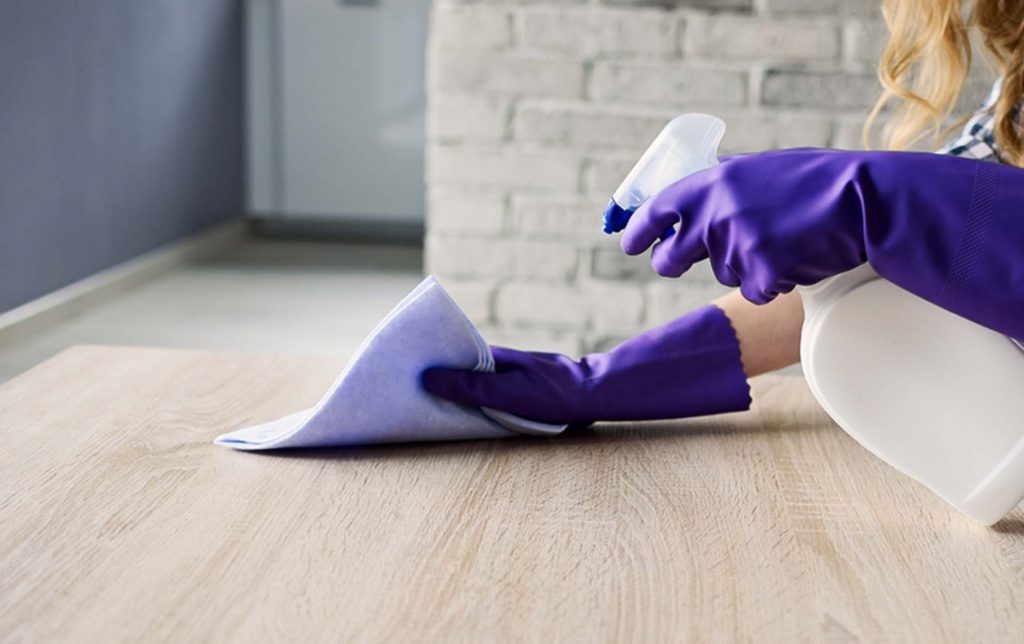
- Wood furniture: Use mild cleaners and soft, lint-free cloths. Never saturate with water.
- Fabric upholstery: Opt for vacuuming and spot-treat with fabric-safe solutions. Avoid bleach.
- Leather surfaces: Gently wipe with specialized leather cleaner and condition regularly.
- Metal appliances: Clean stainless steel with dedicated sprays; avoid abrasive pads.
- Glass elements: Use a squeegee and non-ammonia glass cleaner to avoid streaks.
How Routine Cleaning Affects Appliance Performance
Appliances are major investments. From stoves to dishwashers, buildup of grease, limescale, or lint hampers efficiency and can trigger premature failure:
- Refrigerators: Dust condenser coils and clean door seals for energy savings.
- Ovens: Remove burnt residue; avoid soaking electrical components.
- Laundry machines: Clean filters and run hot cycles to prevent mold and odors.
- Dishwashers: Wipe spray arms; use approved descalers for hard water.
A regular cleaning schedule also keeps warranties valid and ensures safety compliance.
Comparing DIY Methods and Professional Cleaning for Delicate Items
Should you clean yourself or bring in experts? Let’s weigh the pros and cons:
- DIY: Lower cost, flexible timing, but higher risk of accidental damage without correct knowledge.
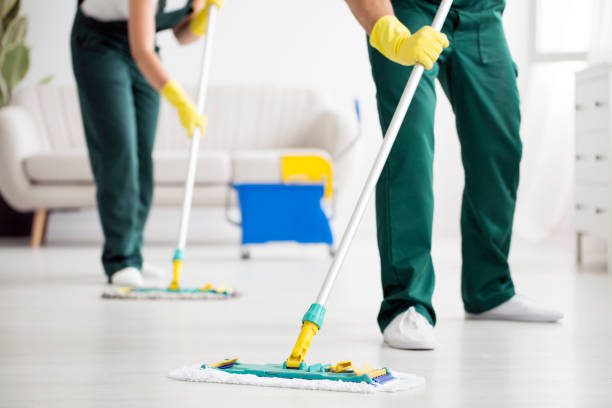
- Professional cleaning: Certified technicians use tailored tools and surface-appropriate products, reducing risk for delicate finishes in antiques, electronics, and high-traffic furniture.
When dealing with specialty materials or irreplaceable items—such as vintage leather, marble, or built-in appliances—professional attention is often safer and more effective.
Checklist: Safe Cleaning for Common Furniture Types
| Material | Best Approach | Products to Avoid |
|---|---|---|
| Solid Wood | Dust weekly, wipe with damp cloth, dry promptly | Bleach, ammonia, abrasive powders |
| Leather | Vacuum crevices, use pH-neutral cream | Alcohol wipes, excess water |
| Fabric Upholstery | Vacuum, spot clean with gentle solution | Strong solvents, colored sponges |
| Glass | Squeegee, lint-free cloth, dedicated spray | Vinegar directly (on tinted or special glass) |
| Laminate/Particleboard | Wipe with damp microfiber, dry quickly | Saturated cloths, steam cleaning |
Key Insights: Cleaning Frequency and Its Influence on Wear
There’s no universal answer on how often you should clean; frequency depends on your usage, climate, and material type:
- High-traffic spaces (living rooms, offices): Dust and wipe daily or every other day.
- Bedrooms, less-used rooms: Weekly light clean, monthly deep clean.
- Kitchen & bathrooms: Wipe down after every use; deep clean weekly.
- Appliances: Ranges from weekly to quarterly, per each manufacturer’s guide.
For detailed deep cleaning recommendations, see how often deep cleaning is recommended for a home.
Spotlight: High-Touch Areas and Hidden Risk Zones
Some surfaces wear down faster due to constant contact or hidden grime. Focus extra attention on:
- Armrests and chair backs
- Remote controls, appliance buttons, fridge handles
- Drawer pulls and cabinet doors
- Edges of tables/desks
- Pet and child areas (frequently missed, but critical for hygiene)
Neglecting these zones can lead to stains, mechanical malfunctions, or bacterial growth.
Common Pitfalls: When Cleaning Does More Harm Than Good
No guide about how does cleaning affect your furniture and appliances would be complete without warning about mistakes. The most common risks include:
- Mixing incompatible chemicals (risk of fumes and surface etching)
- Using excessive water on wood or electronics (risk of swelling, electric shorts)
- Scrubbing with harsh sponges on soft metals or plastics (causes micro-scratches)
- Skipping manufacturer’s recommendations (may void warranties)
- Neglecting to test cleaning products on a hidden area first
Protective Finishes and Surface Sealers: Their Role in Maintenance
Some modern furniture and many appliances rely on factory-applied coatings to repel stains or water. These finishes wear with time and improper cleaning:
- Avoid abrasive pads or strong solvents.
- Reapply appropriate conditioners or protective sprays as directed.
- For questions on furniture-specific protection, consult manufacturers or cleaning pros.
Tip: Professional cleaners use tested product lines that meet EPA safer cleaning standards.
Cleaning Products and Indoor Air Quality: What to Know
Residues from some cleaning agents may persist on surfaces or affect indoor air quality, especially in small apartments or workplaces. Prioritize:
- Products certified for reduced toxicity and volatility.
- Following the directions and ventilating rooms.
- Using microfiber rather than aerosolized sprays.
Questions often arise regarding chemical safety for families and pets. For in-depth info, see our guide on cleaning products safe for pets and children.
Hygiene and Disinfection: Beyond Surface Cleaning
In a post-pandemic world, simply removing visible dirt isn’t enough. High-contact furniture and appliance areas can harbor pathogens:
- Use disinfectant wipes on electronics with care.
- Sanitize soft surfaces (pillows, armrests) with fabric-appropriate products.
- Disinfect inside appliance seals (such as refrigerator gaskets).
For cleaning protocols proven to reduce workplace illness, professional teams frequently reference guidance from certified infection preventionists.
Decision Guide: Which Cleaning Service Is Right for Your Furniture or Appliances?
Not all furniture and appliances need the same level of treatment. Consider these decision factors:
- Identify the highest-value or most-used items.
- Note warranty requirements for professional servicing.
- Evaluate allergies, household members, and property use (Airbnb, rental, office, etc.).
- Do you need deep cleaning, recurring upkeep, or post-event specialist care?
If you’re unsure, booking a customized house cleaning or office cleaning service can ensure all materials are treated with proper technique.
Expert Steps: Preparing Furniture and Appliances for Cleaning
1. Inspect
Check for loose parts, sensitive finishes, or pre-existing stains.
2. Gather Supplies
Stock non-abrasive cloths, pH-neutral cleaners, and vacuum attachments.
3. Pre-Test
Always test new products on a discrete area.
4. Remove Clutter
Empty drawers, clear appliance interiors, and protect nearby electronics.
Signs Your Furniture or Appliances Need Professional Attention
- Persistent odors after regular cleaning
- Mold, mildew, or water stains appear
- Strange noises or reduced efficiency in appliances
- Stains or damage spreading despite treatment
- Items nearing the end of warranty for required servicing records
A trained team like Quick Cleaning brings not only equipment, but also decades of skill across furnishings, floors, and appliances.
Sustainable Cleaning: Eco-Friendly and Safe Product Choices
Choosing sustainable cleaning solutions isn’t only about environmental impact—it also protects surfaces and reduces exposure risks for children, pets, and staff.
- Favor EPA Safer Choice-certified cleaning products
- Opt for reusable microfiber rather than disposable wipes
- Avoid overuse of disinfectants or fragrances on soft goods
High-traffic businesses (retail, restaurants, offices) may also benefit from periodic commercial cleaning by specialists trained in green cleaning protocols.
Long-Term Strategies: Keeping Your Investments Looking New
- Build a routine: Set monthly and quarterly goals for deep cleaning.
- Document product labels for each item and keep them handy.
- Train household members or employees on the correct cleaning approach for each material.
- Book professional care for seasonal or post-event deep cleaning—especially for specialty surfaces.
Get more ideas in our list of common annual cleaning tasks.
FAQ: How Does Cleaning Affect Your Furniture And Appliances?
- Should I use the same cleaner for all my furniture?
- No. Each material responds differently. For example, wood, leather, and laminate all have unique needs—using a universal cleaner might damage finishes or leave residues.
- What’s the risk of not cleaning my appliances regularly?
- Lack of regular cleaning can cause buildup that reduces efficiency, increases energy costs, and can even void manufacturer warranties.
- How do I know when a stain or smell means it’s time for professional help?
- If a stain persists after spot cleaning, or if odors linger even with ventilation, professional intervention is needed—especially to prevent long-term material damage or mold growth.
- Are natural or DIY cleaning products safe for all surfaces?
- Natural products can be effective, but some (like vinegar or baking soda) may damage stone or sensitive coatings. Always check manufacturer recommendations.
- Can improper cleaning products make indoor air quality worse?
- Yes. Aerosols and harsh chemicals can linger in the air and settle on soft furnishings. Choose low-toxicity products and ventilate when cleaning.
- What’s the benefit of scheduling recurring cleaning?
- Consistent routine helps prevent dirt buildup and surface degradation—making each cleaning easier and extending furniture life.
- How do professional cleaners protect delicate items?
- Trained staff use surface-appropriate products, spot testing, and detailed checklists that minimize risks, increase safety, and preserve warranties.
- Do protective sprays or finishes eliminate the need for cleaning?
- No. They reduce stain and water risk but can wear off. Cleaning remains crucial for both appearance and hygiene.
- Is frequent cleaning bad for electronics?
- Not if done correctly. Use dry dusters or low-moisture wipes for screens, keyboards, and controls. Never spray directly onto equipment.
Wrap-Up: Protecting Your Space and Investments
A well-maintained environment isn’t achieved by accident—it comes from intentional cleaning strategies that respect the needs of your furniture and appliances. By following evidence-based recommendations, using safe products, and recognizing when to consult professionals, homeowners, landlords, and business operators can keep their spaces inviting while saving money in the long run.
Ready to discuss options for your unique property? Explore apartment cleaning or move-out cleaning solutions to protect your furnishings and appliances from everyday wear.
About Quick Cleaning
Quick Cleaning helps households and businesses in Chicago, Illinois and nearby areas keep their spaces clean and healthy. Our trained teams specialize in recurring house cleaning, deep cleaning, move out cleaning, office cleaning, and special facility cleaning. We focus on attention to detail, consistent checklists, transparent pricing, and long-term relationships—ensuring your furniture, appliances, and property receive the care they deserve.

deep cleaning services Chicago, cleaning furniture, best cleaning services chicago, Chicago deep cleaning services Chicago, deep cleaning services Chicago, IL, deep cleaning Glenview, best deep cleaning Summit, professional deep cleaning West Loop, deep house cleaning Montgomery IL, home deep cleaning Lake Forest, deep house cleaning Franklin Park, one time deep cleaning Bucktown IL