Are The Cleaning Products Safe For Pets And Children? An In-Depth Safety Guide
Keeping your living or working space clean is crucial for a healthy environment, but many people worry: are the cleaning products safe for pets and children? This guide breaks down common concerns, explains how to assess cleaning formulations, details what you should expect from responsible professionals, and outlines practical steps to ensure everyone in your space — human or animal — is protected. Whether you’re choosing routine residential cleaning or scheduling deep office cleaning, you’ll gain insights, actionable checklists, and clear safety frameworks. Drawing from Quick Cleaning’s quality standards, this guide helps you make informed, confident decisions.
Understanding How Cleaning Products Affect Pets and Children
Both pets and young children are uniquely susceptible to chemicals in cleaning products due to their small size, frequent contact with floors, and tendency to put their hands (or paws) in their mouths. Understanding why certain ingredients present more risk — and how exposure differs from adults — helps you identify hazards before they become problems.
- Metabolism and Sensitivity: Pets (especially cats and dogs) and infants may be more sensitive to fumes and residue because of their developing bodies and different metabolic rates.
- Contact Patterns: Crawling, licking surfaces, or grooming after walking on recently cleaned floors increases the chance of ingesting small amounts of chemical residue.
- Cumulative Exposure Risk: Frequent cleaning with harsh chemicals, even in small doses, may lead to skin irritation, allergies, or more severe health reactions in young children and pets.
Spotting Potential Risks: Ingredients and Label Warnings to Watch For
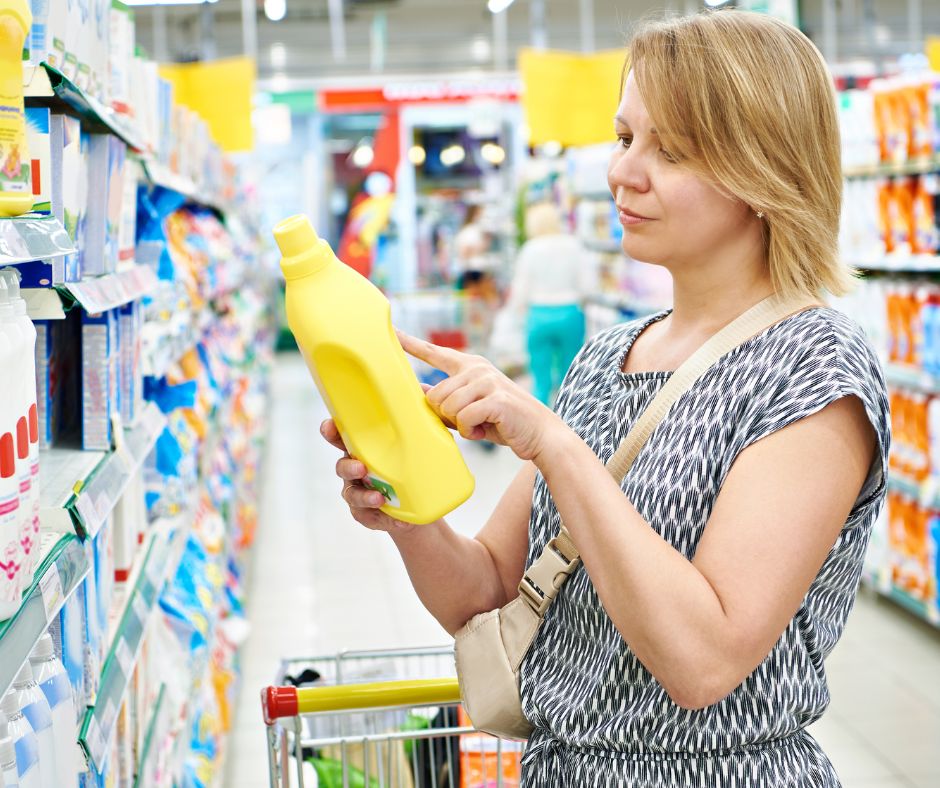
To evaluate are the cleaning products safe for pets and children, start by inspecting product labels and manufacturer warnings. Some common chemical ingredients can be hazardous in even tiny concentrations.
- Highly Alkaline or Acidic Agents: Bleach, ammonia, drain openers — corrosive and can cause burns or lung irritation if inhaled or contacted.
- Quaternary Ammonium Compounds (‘Quats’): Found in disinfectant sprays/wipes; can cause respiratory distress or skin sensitivity.
- Phthalates, Fragrances, and Dyes: These can trigger allergies in sensitive animals and children.
- Pine Oil, Phenols, and Alcohols: Some are especially toxic to cats or small dogs.
Look for the following label indicators:
- “Keep out of reach of children” and “Hazardous to animals” warnings
- Mandated first-aid statements or poison control instructions
- Clear dosage/exposure limits
How Professional Cleaning Teams in Chicago Address Product Safety
Responsible residential and commercial cleaning companies, such as Quick Cleaning, apply strict safety protocols to minimize any risk to pets and children. Here’s how a well-trained cleaning team should address these concerns:
- Use of EPA-registered products appropriate for residential or commercial settings
- Following manufacturer instructions for dilution, dwell time, and rinsing
- Special attention to high-touch, high-traffic areas such as floors, counters, and play zones
- Clear communication about drying times and when pets/children may safely return to the space
- Optional use of hypoallergenic or unscented solutions upon request
For additional peace of mind, ask your provider about product MSDS (Material Safety Data Sheets) and see if child/pet-safe alternatives are available for sensitive environments.
Comparing Common Cleaning Product Classes: Risks, Benefits, and Pet/Child Safety
Different cleaning agents serve different functions, and their safety profiles go beyond the label. This comparison helps you identify better choices for homes, rental units, or facilities with vulnerable occupants.
| Product Type | Purpose | Risks for Pets/Children | Safer Alternatives |
|---|---|---|---|
| Bleach/Disinfectants | Sanitizing surfaces, bathrooms | Severe irritation, burns, lung distress | Hydrogen peroxide-based cleaners, diluted vinegar* (not for all surfaces) |
| Quats (ammonia compounds) | Germ-killing, deodorizing | Asthma risk, skin allergies | Plant-based disinfectants, steam cleaning |
| Floor/Spray Cleaners | General cleaning | Slippery residues, toxic if ingested | Unscented, pH-neutral ‘pet-safe’ formulas |
| Glass/Multi-surface Sprays | Streak removal | Volatile solvents/liver impact (pets) | Vinegar-water or alcohol-free blends |
| Aerosol Fresheners | Odor control | Possible choking hazard, allergy trigger | Baking soda, open-air ventilation |
*Note: Always verify with your provider if natural alternatives are suitable for the materials being cleaned.
Checklists for a Safe Cleaning Environment
Use these actionable lists to safeguard pets and children before, during, and after professional cleaning services.
Before Cleaning
- Communicate allergies, sensitivities, or special needs to your cleaning provider.
- Remove pet toys, bedding, and food bowls from areas to be cleaned.
- Secure or temporarily relocate pets and children during cleaning appointments.
- Ensure cleaning products are stored in inaccessible areas and locked cabinets after use.
During Cleaning
- Ventilate rooms if possible by cracking a window or running an exhaust fan.
- Keep a list of all products planned for use (your provider can supply this upon request).
- Make sure cleaners know which rooms pets and children most frequently occupy.
After Cleaning
- Allow freshly cleaned surfaces to dry completely before allowing children or pets back in.
- Check floors for residue, especially if little hands or paws are likely to touch them.
- Return items to cleaned spaces only after verifying they’re free of lingering chemicals (wiping down or rinsing if necessary).
Decoding Product Labels: What Certifications and Claims Really Mean
With so many “eco-friendly,” “pet-safe,” and “child-safe” claims, it’s vital to separate genuine safety from mere advertising hype. Recognize reputable certifications and read between the lines:
- EPA Safer Choice: Indicates reduced-risk, ingredient transparency, and thorough evaluation.
- Green Seal/UL Ecologo: Meet specific standards for chemical safety and environmental impact.
- Fragrance-free/No Dyes: Usually preferred for sensitive pets and children with allergies.
- “Natural” or “Plant-based”: Not always safer! Some botanical oils (pine, citrus) can still be toxic if ingested by animals.
When in doubt, request details from your cleaning company — reputable firms keep documentation to support safety claims. Resources like CDC lab safety guidance reinforce the importance of chemical handling and storage for all ages and animals.
Professional Approaches to Reducing Exposure
Quick Cleaning’s teams follow best practices to minimize risk when serving Chicago households and facilities with pets or small children:
- Deploying the lowest-risk effective products for each job type
- Using microfiber cloths to reduce airborne particles and leftover residues
- Double-rinsing or extra mopping in nurseries, pet play zones, and kitchens
- Timing jobs so that drying is complete before families return
- Encouraging client participation in product selection (hypoallergenic or unscented on request)
In situations needing extra reassurance, you may request completely fragrance-free, dye-free or “no rinse” product usage for sensitive environments such as medical offices or daycares.
Natural and DIY Alternatives: How Safe Are They for Children and Pets?
Some households prefer to supplement or substitute with homemade alternatives. While options like diluted vinegar, baking soda, and unscented castile soap are less likely to cause harm, it’s essential to double-check their compatibility with your surfaces — and remember, “natural” doesn’t always mean allergy-free!
- Never use essential oils directly on surfaces accessed by cats (some, like tea tree or citrus, are highly toxic to animals).
- Test any DIY formula on a small patch before widespread use.
- Ensure complete rinsing of all residues, natural or not.
Professional teams will gladly incorporate non-toxic cleaning agents per your request, within the limits of effectiveness and manufacturer recommendations for your property’s finishes.
Questions To Ask Your Professional Cleaning Company
Don’t hesitate to ask any prospective cleaning company about their approach to safety. Here are some smart questions:
- What steps do you take to minimize pet and child exposure to cleaning chemicals?
- Can you provide us with the Safety Data Sheets (SDS) for products you plan to use?
- Are any of your products EPA Safer Choice or Green Seal certified?
- Do you have procedures for cleaning in homes or facilities with allergies or animal sensitivities?
- What should we do to prepare our home for your visit, given our pets/children?
The answers will help gauge a provider’s transparency and commitment to safety.
What to Do if Accidental Exposure Happens
Even with the best precautions, accidents sometimes occur. Quick response makes a major difference:
- If skin or eyes are exposed, flush immediately with plenty of water. Remove contaminated clothing.
- For ingestion (pet or child), call Poison Control immediately and follow their instructions. Retain product label for reference.
- Ventilate rooms and keep affected person/animal away from further exposure.
- Seek veterinary or pediatric care if symptoms persist after first aid.
For further authority on this topic, see the MedlinePlus directory for poison-related resources.
Room-by-Room Safety Tips for Homes and Offices
Customize your approach according to each area’s risks:
Kitchens and Dining Areas
- Disinfect only food-safe contact surfaces; rinse thoroughly.
- Do not use oven cleaners or degreasers unless pets/children are well away from the kitchen.
Bathrooms
- Bleach and mildew products must be rinsed well; ventilate room before re-entry.
- Secure cleaning supplies between uses.
Bedrooms and Playrooms
- Avoid aerosolized fresheners; stick to vacuuming, mopping with mild detergents, and laundering fabrics regularly.
- Wash toys and bedding with pet/child-safe detergents; confirm items are dry before use.
Floors and Entryways
- Select floor cleaners with a “residue-free” label, or request a water-only rinse.
- Encourage a shoe-free policy to reduce external dirt and chemical traces indoors.
Offices and Commercial Spaces
- Schedule cleaning after hours to minimize direct exposure.
- Request notification when particularly potent disinfectants will be used.
Evidence-Based Best Practices: International Cleaning Safety Standards
Organizations such as the CDC and OSHA continuously update guidelines for chemical use in workplaces and households. Reputable cleaning companies align their protocols with these agencies, emphasizing:
- Appropriate dilution and dwell times
- Correct labeling and storage
- Periodic staff training on first-aid and chemical hazards
If you manage a facility or need advanced disinfection, always verify that your cleaning provider meets current professional standards.
How to Build a Long-Term, Safe Cleaning Plan
For households and facilities in Chicago with pets and children, consider these guidelines for ongoing safety:
- Request recurring communication from your cleaning provider to flag new products or changes.
- Schedule deep cleans during times kids/pets won’t be present.
- Maintain an inventory of all cleaning agents used in your home or business — periodically review and declutter outdated or risky products.
- Implement and review household or workplace chemical handling rules with all occupants.
For tips on scheduling and planning, visit internal topics such as deep house cleaning timelines or annual cleaning task lists for additional guidance.
Chicago Examples: Scenarios and Success Stories
Quick Cleaning has supported families, Airbnb hosts, and small businesses across Chicago with tailored, safe cleaning programs:
- A pet daycare center moved to all-hypoallergenic floor care, reducing incidence of skin reactions among animals.
- Families with newborns relied on double-rinsed cleaning and schedule adjustments to minimize chemical exposure in nurseries.
- Airbnb hosts requested ‘fragrance-free’ deep cleaning before new guests with allergy declarations.
For personalized solutions, discuss your specific needs with a cleaning partner familiar with Chicago area concerns and regulations.
Exploring When to Use Professional Versus DIY Cleaning Approaches
While many clients are comfortable handling regular wipe-downs or vacuuming, professional cleaning becomes vital for:
- Removing stubborn buildup or allergens that simple products won’t address safely
- Addressing high-traffic commercial spaces where regulatory standards apply
- Moving in/out of homes or prepping short-term rentals for sensitive guests
- Responding to pet accidents, odors, or unexpected exposure to harsh substances
Weigh the benefits of professionally controlled product choice and careful contamination protocols when planning your household’s or business’s cleaning strategy.
Frequently Asked Questions: Cleaning Product Safety for Pets and Children
- 1. Are all “green” or “eco-friendly” products automatically safe for my pets?
- Not necessarily. Some plant-based ingredients (like citrus oils) can be harmful to pets. Always verify claims and ask for documentation.
- 2. How soon can my children and pets return to cleaned areas?
- Wait until surfaces are fully dry and the space is ventilated. Ask your cleaning company for product-specific drying times.
- 3. Can I request only fragrance-free or hypoallergenic products?
- Yes, professional teams like Quick Cleaning offer unscented and low-allergen options upon request.
- 4. What should I do if my pet licks a freshly mopped floor?
- Wipe their mouth gently, check for symptoms, and contact a vet if signs of distress appear. Always keep pets away until floors are dry.
- 5. Are professional-grade cleaning agents stronger or riskier than store brands?
- Professional agents are optimized for performance but can be used safely with training. Strict guidelines protect sensitive occupants.
- 6. Are there any official lists of safe products?
- Agencies like the CDC and EPA provide safer product listings. Ask your provider about their certifications.
- 7. Do I need to remove all toys and pet bedding before cleaning?
- Yes, to prevent contamination, always relocate items designed for direct contact by pets or children during cleaning.
- 8. How can I minimize chemical use in my home or facility?
- Request steam or microfiber-only cleaning for some tasks, use diluted formulae, and minimize use of sanitizers except when needed (bathrooms, counters, etc.).
- 9. How often should I deep clean with kids or animals in the house?
- At least quarterly, but adjust frequency for allergy-prone or high-traffic spaces. See recommended deep cleaning intervals for more detail.
- 10. Where can I learn more about product regulations?
- Visit authoritative sites like the EPA or MedlinePlus for comprehensive resources and contacts.
Summary and Next Steps: Keeping Your Space Safe for All
Ensuring cleaning products are safe for pets and children means looking beyond branding to confirmed ingredients, responsible use, and open communication. By partnering with reputable providers and staying proactive about your specific needs, you create a home or workplace that shines — without hidden health risks. For families, landlords, business owners, or Airbnb hosts in Chicago, consider reserving specialized cleaning or discussing your concerns with professionals who prioritize safety.
For advanced guidance, explore our resources like what’s included in a professional deep cleaning or safe post-fumigation cleaning. Ready for a tailored service? Schedule House cleaning or Office cleaning service with specialists who care — Quick Cleaning is here to help.
About Quick Cleaning
Quick Cleaning helps households and businesses in Chicago, Illinois and nearby areas maintain healthy, spotless environments. Our trained staff follows strict checklists, prioritizes pet and child safety, and uses professional, surface-appropriate products. Whether you need recurring house cleaning, deep cleaning, move out cleaning, or commercial facility services, we emphasize transparent communication, quality, and long-term relationships. For more about our values and booking, visit Quick Cleaning.


cleaning products, deep cleaning cost in Chicago, cleaning company in chicago, deep cleaning services Chicago, Chicago deep cleaning services Chicago, best deep cleaning South Holland IL, home deep cleaning Summit, deep house cleaning Homewood, one time deep cleaning Yorkville, deep cleaning in Monee IL, deep clean Brookfield IL, one time deep cleaning Evergreen Park IL