
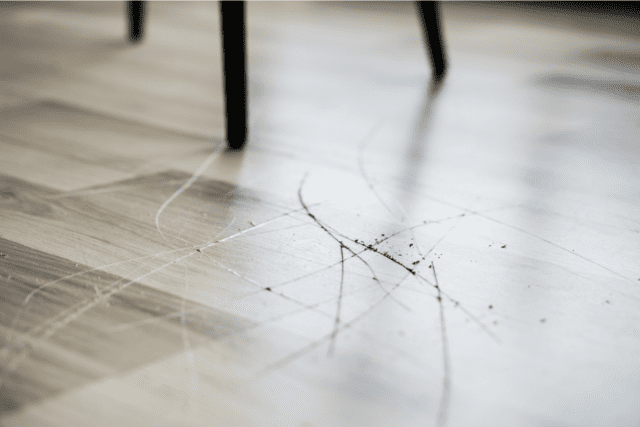
How To Remove Furniture Marks: What Professionals Do and What Really Works
One of the most common frustrations when moving furniture, preparing for a property handover, or simply refreshing your home is discovering unsightly furniture marks on floors, carpets, or upholstery. Whether you’re a homeowner, business manager, tenant, or Airbnb host, knowing how to remove furniture marks can mean the difference between a space that feels spotless and one that feels neglected. In this comprehensive guide, you’ll learn how professionals approach furniture mark removal, when to use DIY solutions, prevention tactics, and how to maintain your surfaces in top condition. Using the expertise of Quick Cleaning, Chicago’s trusted leader in residential and commercial cleaning, this article lays out a framework for tackling furniture marks step by step.
Understanding Furniture Marks: Types, Causes, and Surfaces
Before selecting a removal approach, it helps to identify the most common furniture marks and how they form on different surfaces. Marks may result from heavy furniture legs, moisture, dye transfer, or prolonged pressure and can happen on hardwood, laminate, tile, carpet, and even upholstery. Recognizing the type and cause helps prevent permanent damage.
- Pressure Indentations: Dents left in carpet, rugs, or soft wood due to heavy furnishings.
- Discoloration or Finish Damage: Fading or shiny spots on wood, vinyl, or tile from prolonged contact.
- Moisture Stains: Circles or blurred marks, often from potted plants or spills trapped under furniture.
- Transfer Marks: Marks on fabrics or floors caused by dye or paint from furniture finishes.
Assessment First: When to DIY and When to Call Professionals
Not all furniture marks are equal. Mild impressions may lift with simple home routines, while deep or stained damage often calls for expert help. Use the decision points below to assess next steps:
- If marks are shallow, recent, and not stained: DIY methods may suffice.
- If discoloration is present, moisture involved, or surface is delicate (e.g., hardwood): Consult a professional.
- For rental or commercial properties where a flawless finish matters (e.g., after a move-out): Professional services recommended.
Toolbox for Success: Essential Products and Equipment
Having the right tools makes all the difference in safely removing marks:
- Clean white cloths (microfiber recommended)
- Vacuum with adjustable suction and attachments
- Steam iron (with damp towel barrier for carpets)
- Wood cleaners and polishes (matched to flooring type)
- Ice cubes or cold packs (for carpet fibers)
- Baking soda, distilled white vinegar, hydrogen peroxide
- Soft bristle brushes
- Protective pads (for prevention)
- Gloves and test-safe cleaning agents (for delicate materials)
Step-by-Step: Removing Furniture Marks from Carpets and Rugs
Reviving Indented Carpet Fibers
- Vacuum the area thoroughly to lift any debris.
- Place an ice cube directly on the mark and allow it to melt slowly (up to 1 hour).
- Blot excess moisture—but do not rub. Gently tease fibers upward with a spoon or soft brush.
- Hold a steam iron several inches above the area (do not touch carpet), or use a damp cloth and iron on low to apply minimal heat. The steam will help revive flattened fibers.
- Repeat as needed. For persistent dents, professional extraction may be required.
Erasing Color Transfer or Stains on Carpet
- Mix a solution: 1 tablespoon dish soap + 2 cups warm water + 1 tablespoon white vinegar.
- Dab gently on the stain with a clean white cloth. Rinse with water. Always pre-test a hidden area.
- If improvement is minimal, contact a professional with experience in fiber restoration.
Wood Floors and Hard Surfaces: Safe Mark Removal Protocols
For Surface-Level Pressure Marks on Hardwood
- Wipe the area clean with a slightly damp microfiber cloth.
- Place a damp towel over the mark. Gently press with a warm (not hot) iron for a few seconds. The moisture and heat help raise wood fibers.
- Let dry completely and evaluate. Repeat up to twice but avoid excess moisture, which can damage floors.
Polishing Away Scuffs and Discoloration
- Apply a matching wood floor polish or mineral oil to a cloth. Rub gently in the direction of the grain.
- For persistent shiny spots or stains, consider a professional wood refinisher—especially before a move-out inspection.
Other Surfaces: Laminate, Vinyl, and Tile
- Laminate: Wipe with a damp, neutral cleaner. Avoid abrasive pads.
- Vinyl/Tile: Use recommended cleaners and test a small area before applying new products.
Removing Furniture Marks from Upholstery and Mattresses
Upholstery requires gentle care to avoid spreading stains or damaging fibers:
- Vacuum the area with a brush attachment.
- Gently blot (do not rub) with a cloth slightly dampened with mild soap and water.
- If dye transfer or strong discoloration is visible, consult a professional. Some stains may become permanent without expert intervention.
Prevention: Best Practices To Avoid Furniture Marks in the Future
- Use felt or rubber pads under all furniture legs—replace worn pads regularly.
- Rearrange furniture every 3–6 months to avoid continuous pressure in one spot.
- For carpets and rugs, rotate or lift furniture when cleaning to let fibers recover.
- Clean and dry flooring under furniture periodically.
- Check humidity levels: Very dry or very wet environments can worsen indentation and stains.
Maintenance Schedules: How Often to Inspect and Treat Surfaces
A regular inspection and maintenance cycle helps catch marks before they become permanent:
- Vacuum and inspect carpets weekly.
- Check hard floors after rearranging or cleaning days.
- Professional deep clean: every 6–12 months (more for high-traffic offices or rental turnover).
- Move-out/move-in cleaning: follow comprehensive cleaning checklists for full property renewals (see resources below).
Comparison Table: DIY vs. Professional Furniture Mark Removal
| Aspect | DIY Removal | Professional Removal |
|---|---|---|
| Suitable for | Light/surface dents, recent marks | Deep stains, discoloration, delicate materials |
| Equipment needed | Common household items | Industrial-grade tools, specialized products |
| Safety risk | Potential for DIY mistakes/damage | Trained for each surface, insured |
| Typical results | Moderate improvement, may require repeat attempts | Maximal restoration, saves time, reduces long-term damage |
| Cost | Low (cost of products) | Professional service fee |
Real-Life Scenarios: Common Challenges and Solutions
- Pet Owners: Pets can increase the frequency of indentations and stains. Schedule more frequent inspections and deep cleans to prevent permanent marks.
- High-Traffic Offices: Place mats or runners under repetitive-use furniture like chairs and desks. Use a facility cleaning service to manage ongoing wear.
- Rental Property Turnover: Incorporate furniture mark checks into move-out cleaning protocols. Landlords and Airbnb hosts benefit from a professional service to protect reviews and deposits.
- Historic Hardwood: Older floors may require custom restoration rather than standard mark removal.
Furniture Mark Removal: What Science and Standards Say
According to CDC cleaning and disinfection standards, the best results come from using products and tools suitable for each material and immediate cleanup of any moisture. For hospitality, following comprehensive cleaning checklists—such as Airbnb’s Quickstart Cleaning Guide—ensures consistent care and helps protect upholstery and carpets from lasting marks.
Checklists: Immediate Steps if You Find Furniture Marks
- Identify the affected surface (wood, carpet, tile, upholstery).
- Assess the severity: Is it just a dent/indentation or has moisture/dye caused discoloration?
- Remove furniture promptly and prevent further pressure.
- Test cleaning/removal on a hidden spot first.
- Follow appropriate DIY steps based on surface above—or call a professional if in doubt, especially on valuable or delicate floors.
Responsible Care: Managing Expectations and When to Replace vs. Restore
- Some deep marks or stains may not be fully reversible, especially on older or untreated surfaces.
- Professional methods increase the odds of full restoration but are not guaranteed on all materials.
- When restoration isn’t possible, consider refinishing (for wood) or re-stretching/replacing (for carpet) during major moves or renovations.
Decision Guide: Choosing a Professional Furniture Mark Removal Service
- Check for trained, insured cleaning teams familiar with your floor or upholstery type.
- Look for companies using non-abrasive, material-appropriate products.
- Request transparent pricing and before/after references if possible.
- Opt for providers experienced in move-in, move-out, and specialty facility cleaning for best results.
For homeowners, property managers, and businesses in Chicago, Quick Cleaning offers Move Out Cleaning with a focus on detail—including stubborn furniture marks.
Integrating Furniture Mark Removal into Full Property Cleaning
To ensure thorough cleaning before moving out, selling, or accepting new tenants, include furniture mark checks as part of your broader cleaning checklist. For extra support, see additional move-out resources below.
- Move-out cleaning service criteria
- Benefits of professional move-out cleaning
- Move out cleaning checklist
- Tips to get your security deposit back
Frequently Asked Questions: How To Remove Furniture Marks
- What surfaces are most at risk for permanent furniture marks?
- Wood and carpet are most susceptible—especially soft hardwoods and deep pile rugs.
- How soon should I treat a furniture mark for the best results?
- Acting within 1–2 days dramatically improves your chances of full removal.
- Can deep carpet dents always be reversed with ice cubes or steam?
- Most can be improved, but permanent fiber damage may require professional re-stretching.
- What products should I avoid when removing marks from wood floors?
- Avoid harsh abrasives, high-alkaline cleaners, and excess water. Always use soft cloths and products rated for your finish.
- Are there risks to DIY furniture mark removal?
- Yes—using too much heat, moisture, or scrubbing can worsen damage, especially on delicates. When in doubt, consult a cleaning expert.
- Does moving furniture frequently prevent marks?
- Yes—rotating or rearranging prevents prolonged pressure, which lowers risk of indentations and surface wear.
- Is furniture mark removal included in all cleaning services?
- Not always—clarify with your provider. Quick Cleaning includes this with detailed move-out and specialty cleaning jobs.
- What’s the best way to prevent marks in rental properties?
- Install protective pads under furniture and include guidelines for tenants on regular movement and maintenance.
- How can business owners address repetitive furniture marks in offices?
- Place floor mats under chairs and desks, and establish a facility-wide deep cleaning schedule.
- Should I call a pro if home remedies don’t work after the first try?
- If marks persist or worsen, a professional assessment can save long-term costs and restore surfaces that DIY methods may damage.
Conclusion: Your Next Steps to a Mark-Free Space
Dealing with furniture marks doesn’t need to be stressful or expensive if you catch them early and choose the right approach for your surface and situation. DIY methods work for light dents, while deep stains, discoloration, or high-stakes moves benefit from expert cleaning. Consistent prevention and maintenance, plus help from Chicago’s professionals, keeps your home or business looking its best. For those seeking expert attention to detail, including specialized move-out or office cleaning, consider exploring Office cleaning service or booking Airbnb cleaning for your next tenant turnover.
About Quick Cleaning
Quick Cleaning is a leading residential and commercial cleaning company based in Chicago, Illinois. We specialize in recurring house cleaning, deep cleaning, move out cleaning, office cleaning, and specialized facility care. Our professionally trained staff follow detailed checklists, use high-quality products, and prioritize safety and long-term relationships with every client. Whether for homes, offices, Airbnb rentals, or commercial spaces, Quick Cleaning helps Chicago households and businesses keep their spaces clean, healthy, and ready for whatever comes next.


benefits of baking soda, cleaning companies in chicago, Move Out Cleaning Chicago , Move Out Cleaning Services Chicago, move out cleaning Cedar Lake, apartment move out cleaning La Grange, move out cleaning Itasca, move out cleaning Lombard, apartment move out cleaning Palatine, apartment move out cleaning Bartlett IL, end of lease cleaning Franklin Park