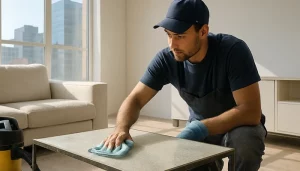
How to Coordinate Cleaning With Painters, Flooring, and Repairs
When upgrading your home, office, or commercial property, the finishing touches matter as much as the structural work. One often-overlooked step: how to coordinate cleaning with painters, flooring, and repairs. From ensuring flawless surfaces for painting to protecting new installations and meeting safety standards, proper cleaning at each phase is essential. In this guide, you’ll learn how to schedule cleaning around renovation activities, how professional teams like Quick Cleaning manage transitions, what checklists can help, and how to avoid project delays or cost overruns. This is your roadmap to smooth, successful renovations in Chicago and beyond.
Understanding the Role of Cleaning in Renovation Projects
Cleaning isn’t just an afterthought—it’s a vital part of project success. Dust, debris, and hidden residue from painters, flooring installers, or repair crews can affect indoor air quality and the longevity of finishes. Properly timed cleaning prevents issues like paint not adhering to dusty surfaces, or flooring glue reacting with unseen debris. For both residential and commercial spaces, a planned cleaning process ensures every trade finishes their work safely and efficiently.
- Pre-work cleaning creates a clean slate before painters or installers begin.
- Progress/interim cleaning keeps worksites safe and clear of materials.
- Final cleaning delivers a ready-to-use, dust-free environment.
Project Sequence: When Cleaning Fits Into the Timeline
Coordinating cleaning with painting, flooring, and repairs means understanding the right order of operations. This often looks like:
- Remove clutter and protect valuables
- Pre-clean to eliminate dust and residue before any finishes
- Repairs (walls, trim, electrical, or plumbing)
- Pre-paint cleaning (wipe surfaces for dust, grease, or residues)
- Painting
- Progress cleaning for dust and paint spills
- Flooring installation
- Final post-work cleaning (detailed, surface-specific cleaning)
- Final inspection and touch-ups
Adjustments are common, especially in multi-trade projects. Consulting with your cleaning partner and the other trades helps customize the approach for your specific job.
Key Communication Channels: Who Needs to Be in the Loop
Successful coordination relies on timely and transparent communication. To avoid confusion, involve these roles in the planning process:
- Project Manager or General Contractor
- Painters, Flooring Installers, and Repair Technicians
- The cleaning company (such as Quick Cleaning)
- Property owners, tenants, or facility managers
Regular updates keep everyone aligned on what areas are ready for which trades and when cleaning teams will have safe access.
Pre-Work Cleaning: Laying the Foundation
Before any other trade starts, a thorough pre-work cleaning helps identify hidden problems and prepares surfaces for new finishes. This includes:
- Dusting baseboards, walls, and fixtures
- Vacuuming carpets or hard floors
- Removing cobwebs from ceilings and corners
- Spot-cleaning areas exposed to heavy foot traffic
Addressing these tasks early ensures painters or installers aren’t slowed down or forced to clean as they work.
Pre-Paint and Pre-Flooring Preparation: Why Clean Surfaces Matter
Paint and flooring materials need to bond with clean, residue-free surfaces. Any dust, grease, or old adhesives can compromise results. Cleaning at this stage involves:
- Wiping walls and trim to remove oils, fingerprints, and dust
- Deglossing glossy surfaces as needed (per painter’s request)
- Mopping or vacuuming floors in areas to receive new flooring
- Checking for hidden dirt behind appliances or under cabinets
Professional cleaning teams use appropriate detergents and EPA Safer Choice products when possible (see Safer Choice standards).
Interim or Progress Cleaning: Keeping Sites Safe During Work
When projects stretch over multiple days—or when multiple trades work side-by-side—interim cleaning prevents accidents and protects new finishes. This includes:
- Daily or scheduled sweeping and debris removal
- Spot-cleaning after sanding or paint overspray
- Cleanup of adhesives, paints, or solvents (following safety guidelines like those from the CDC lab safety standards)
- Emptying trash and recyclables to maintain safe access
Post-Paint and Floor Cleaning: Getting Ready for Final Steps
With painting and flooring complete, the real transformation shows. However, both trades can leave behind fine dust, tape residue, or smudges. Effective post-trade cleaning addresses:
- Dusting walls, baseboards, and fixtures (careful not to damage fresh paint)
- Removing tape, stickers, and residue from floors and windows
- Cleaning light switches, outlets, and cabinet pulls
- Checking for splatters on floors, especially where different contractors overlapped
This is the stage where attention to detail is vital to deliver a finish worthy of your investment.
Timing Strategies: When to Schedule Each Cleaning Visit
Good timing is everything. Here’s a recommended sequence for cleaning around painters, flooring crews, and repair specialists:
| Cleaning Type | Recommended Timing | Main Benefit |
|---|---|---|
| Pre-work Cleaning | Before any trades start | Removes dust, reduces paint/flooring issues |
| Progress/Interim Cleaning | During painting or repairs | Safety, reduces cross-contamination |
| Final Post-Work Cleaning | After painting/flooring complete | Ready-to-use, finished space |
In some projects, additional sessions may be needed if there are delays, phase changes, or heavy-duty repairs.
Special Considerations: Old Buildings, Allergens, and Safety
Older properties and special-use facilities require extra caution:
- Lead dust and asbestos risks (especially in pre-1980s buildings)—professional teams follow strict safety protocols, including use of vacuums with HEPA filters and EPA-compliant disposal.
- Allergen control—deep cleaning after trades helps reduce pollen, dust mites, and VOC exposure, especially for sensitive occupants.
- Health and safety—adhering to recommendations such as those from CDC for worksite protocols.
Cleaning Checklists for Each Project Phase
Tightly organized cleaning checklists help ensure that nothing is missed. Below are sample task lists for each stage:
- Before trades arrive: Remove items from walls/shelves, clear walkways, isolate valuables.
- Before painting: Clean walls, trim, and doors; degrease kitchen/bathroom areas.
- After painters finish: Dust all surfaces, check for paint drips, remove tape/stickers.
- After flooring installation: Sweep and mop, clean baseboards; polish or buff as recommended.
- Final handover: Disinfect high-touch points; replace moved items; inspect for missed debris.
For larger or specialized projects, reference a Post-Construction Cleaning Checklist for comprehensive scope.
Coordination with Multiple Trades: Avoiding Delays and Redos
Delays are costly and frustrating. The most common causes—last-minute changes, material shortages, or scope creep—can be minimized by:
- Scheduling buffer days between trades for cleaning access
- Confirming when each area will be ready for the next phase
- Designating a single project manager (or using Quick Cleaning as your cleaning point-of-contact)
Direct, early communication between all parties prevents missed steps or accidental damage to freshly finished spaces.
Residential vs. Commercial Projects: What’s Different?
Homes, offices, retail, and hospitality sites have different cleaning coordination needs:
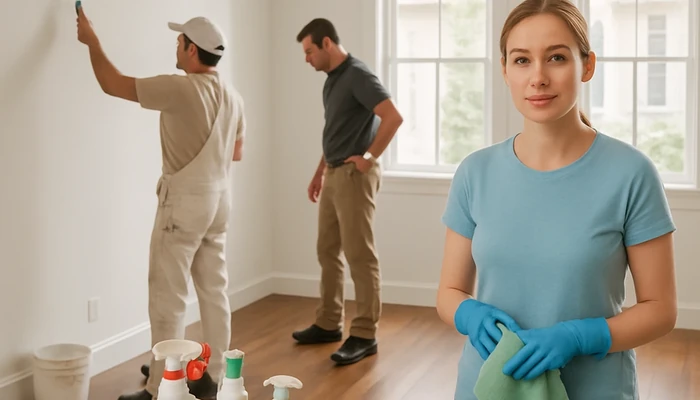
- Residential: Emphasis on detail, pet-safe products, and minimizing impact to daily life.
- Commercial: Greater attention to regulatory compliance, safe access for staff and visitors, and cleaning across larger shared spaces.
Professional cleaners adapt checklists and workflows based on your type of property and project timeline.
Top Preparation Tips for Homeowners and Managers
- Communicate special requirements (allergies, schedule limits) with all providers in advance
- Secure pets or vulnerable individuals on cleaning and construction days
- Review expectations for finish quality and cleanliness before work begins
- Photograph spaces before and after for peace of mind
- Ensure all trades have the correct access codes or keys
Working with a Professional Cleaning Company: What to Expect
When you hire a professional service like Quick Cleaning, you should expect:
- Pre-project planning and communication with all parties
- Use of professional equipment and surface-specific, Safer Choice products
- Consistency through standardized checklists and quality control
- Flexible scheduling to match project phases—often including evening or weekend service
This client-focused approach minimizes surprises and maximizes satisfaction after any upgrade or repair.
Cost Considerations and Budgeting for Project Cleaning
Cleaning during renovations is an investment in quality. Budget for:
- Multiple visits (before, during, after trades)
- Specialized equipment for hazardous materials or large debris
- Last-minute changes due to project delays
Transparent, itemized quotes from your cleaning provider help avoid cost overruns. A soft CTA: For projects with unique scheduling or safety requirements, consult with Post-construction cleaning specialists for tailored estimates.
Example Coordination Scenarios
Scenario 1: Homeowner Coordinates With Painters and Floor Installers
Mary schedules painting for her living room, followed by new wood floors. She clears the room, then hires Quick Cleaning for a pre-paint cleaning. After painters finish, Quick Cleaning removes tape residue and dust before the flooring crew arrives. A final clean delivers a flawless finish before move-in.
Scenario 2: Office Remodel With Multiple Trades
A property manager coordinates upgrades to a Chicago office: first, light repairs and paint; next, carpet replacement; finally, new furniture installation. Each step is followed by targeted cleaning. Communication among all providers ensures safe, dust-free handover to employees—on schedule.
Common Challenges and Solutions in Cleaning Coordination
- Trades running late: Build in buffer days and keep cleaning company informed
- Surprise messes (e.g., mud tracked in): Request interim touch-up cleaning
- Miscommunication: Assign a single contact to relay updates to all teams
- Allergies or special sensitivity: Request Safer Choice or fragrance-free products; communicate needs early
Frequently Asked Questions About Cleaning Coordination
- When should I schedule cleaning in a renovation project?
- Cleaning should be scheduled right before and after major trades—especially painting, flooring installation, or repairs—to ensure surfaces are ready and the final result is safe and spotless.
- What happens if trades finish on different dates?
- Coordinate with your cleaning provider to reschedule or split the cleaning into phases, so no new work creates dust after the last cleaning.
- Do I need special cleaning products?
- Professional cleaning companies will use the appropriate products—often EPA Safer Choice certified—for the project and surfaces involved.
- How long does post-renovation cleaning take?
- This depends on property size, project scale, and initial cleanliness. A typical home or office might require several hours per session.
- Who is responsible for post-work debris?
- Responsibility should be defined in your contracts. Some trades remove their debris, but deep cleaning is best left to specialized teams.
- Can cleaning be done while painters or floor installers work?
- Progress/interim cleaning is possible and helpful for safety, but deep final cleaning should be after all major trades finish.
- Will cleaning services move my furniture back?
- Most professional teams can assist, but confirm this in advance; it may affect scheduling or pricing.
- How do I ensure safety during work?
- Choose a cleaning company that follows OSHA or CDC safety protocols, especially for hazardous dust or chemicals.
- How can I prepare my space?
- Follow a detailed checklist—remove fragile or valuable items, secure pets, and communicate access instructions to all trades.
- Where can I find more in-depth cleaning checklists?
- Consult the detailed post-construction cleaning checklist for phase-by-phase guidance.
Wrap-Up: Ensuring a Smooth Project Transition
Coordinating cleaning with painters, flooring, and repair projects pays dividends in quality, safety, and satisfaction. By planning each cleaning step around key milestones, communicating clearly with all trades, and relying on proven professionals like Quick Cleaning, you protect your investment—and your peace of mind. Every successful renovation or upgrade, whether residential or commercial, is built on a foundation of preparation and attention to detail.
If you’re ready for seamless cleaning coordination in Chicago’s homes or offices, or need knowledgeable advice for your next building project, Commercial cleaning service can help you prepare your space for success.
About Quick Cleaning
Quick Cleaning is trusted by households and businesses across Chicago, Illinois, and nearby areas to keep spaces professionally clean and healthy. With expertly-trained staff, standardized checklists, flexible scheduling, and specialized equipment, Quick Cleaning delivers exceptional results for recurring house cleaning, deep cleaning, move out cleans, office care, and facility cleaning projects. Quick Cleaning is committed to transparent communication, client safety, and long-term satisfaction no matter the size or complexity of your cleaning needs.
cleaning company chicago, renovation cleaning, post construction cleaning Cleaning Chicago, new construction cleaning Monee IL, renovation cleaning South Loop, dust removal cleaning Lake Forest, after renovation cleaning Ukrainian Village, construction cleaning Lake Bluff, after construction cleaning Hyde Park, construction cleanup Spring Grove IL